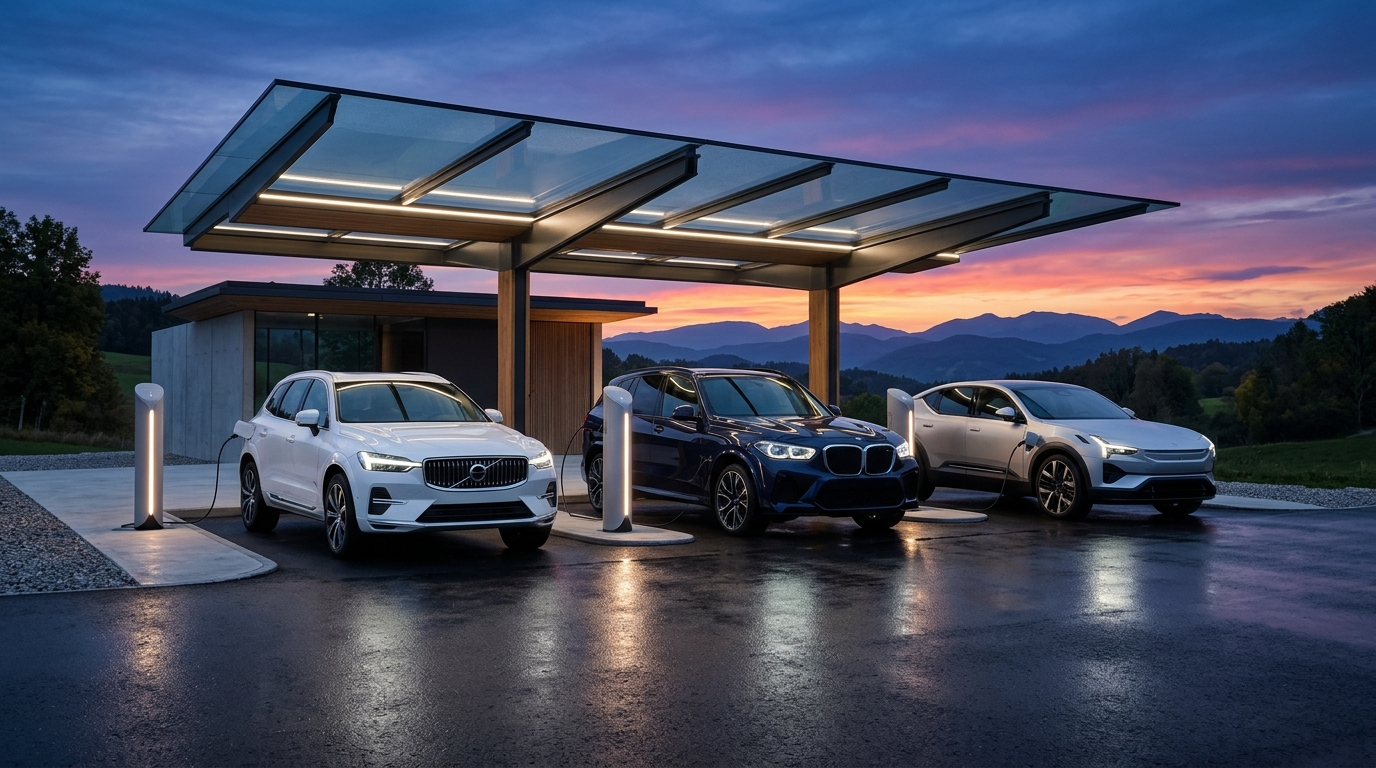
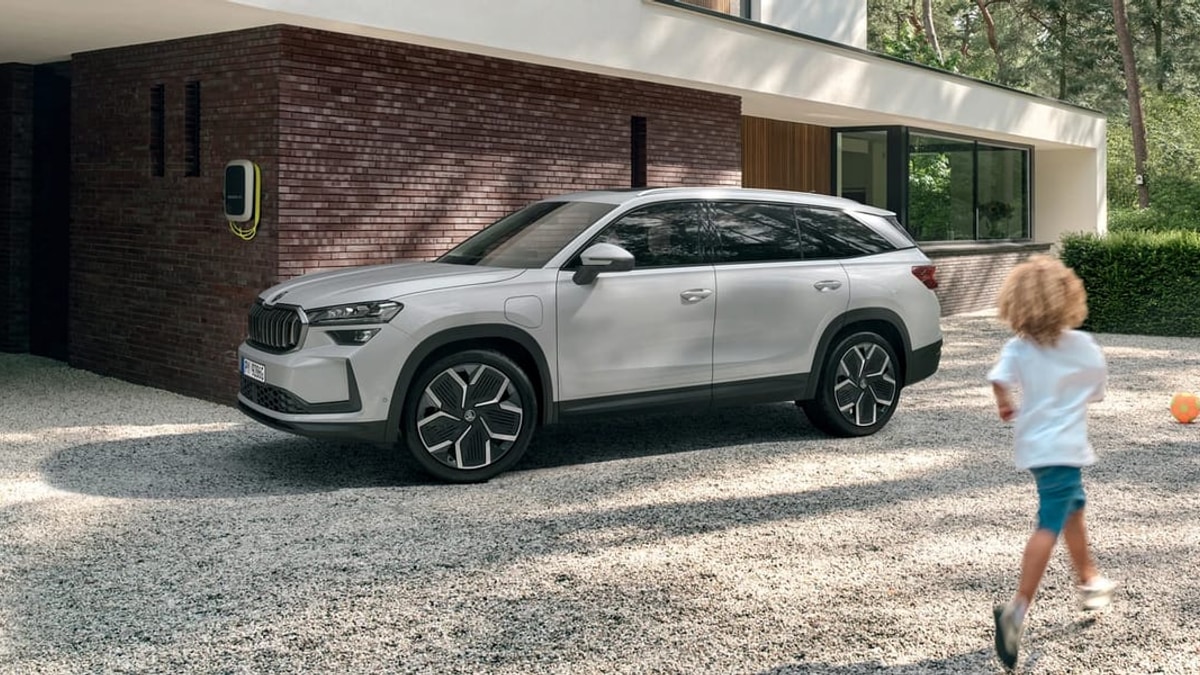
Brussels Freezes Euro 6e-bis Rules Until 2029: The 3-Year Carmaker Reprieve, VW's Chinese Tariff Plea & The 24 kWh Battery Revolution

The European Parliament voted on 4 November 2026 to freeze the Euro 6e-bis Utility Factor until late 2029. Dissecting the VDA's 50,000-job warning, VW's call for Chinese hybrid quotas, and the 24 kWh battery standard.
Introduction: The Historic 4 November Brussels Vote & A 3-Year Breathing Space for Carmakers
On Tuesday, 4 November 2026, in the Paul-Henri Spaak building of the European Parliament in Brussels, lawmakers cast a historic vote that radically reshapes the strategic trajectory of the continental automotive industry for the next decade. During an extraordinary joint legislative session convened by the Committee on the Environment, Public Health and Food Safety (ENVI), the Committee on the Internal Market and Consumer Protection (IMCO), and the Committee on Transport and Tourism (TRAN), parliamentary delegates voted on critical amendments regarding the implementation timetable of the Euro 6e-bis regulation.
By an overwhelming margin of 105 votes in favour, 39 against, and 21 abstentions, the European Parliament approved a landmark reprieve: the contentious second-stage tightening of the Utility Factor (UF) calculation for Plug-in Hybrid Electric Vehicles (PHEVs) has been officially frozen until 31 December 2029 for vehicles manufactured within the European Union.
| Voting Parameter | Parliamentary Committee Decision | Original Schedule (2025/2026 Draft) | Final Decision (4 November 2026 Vote) |
|---|---|---|---|
| Vote Breakdown | ENVI / IMCO / TRAN Joint Session | Contested / Highly Volatile | 105 In Favour, 39 Against, 21 Abstentions |
| Euro 6e-bis UF Phase 2 | Enforcement Timeline | 1 January 2027 | Frozen Until 31 December 2029 |
| Emissions Assessment | Data Source Standard | Fixed Mathematical Formula | Real-World OBFCM Telemetry from 2030 |
| Geographic Scope | Production Origin Condition | Universal Global Imports | EU-Manufactured Only (Local Content Rule) |
Without this decisive legislative intervention, the aggressive UF multiplier scheduled for 1 January 2027 would have caused official laboratory CO2 figures for modern PHEVs to surge overnight from 25–35 g/km to 75–95 g/km. Under the European Union's mandatory corporate fleet ceiling of 93.6 g/km, exceeding carmakers would have faced statutory penalties of €95 per gram of excess CO2 per vehicle registered, exposing European automotive flagships—including the Volkswagen Group, Stellantis, BMW, Mercedes-Benz, and Renault—to billions of euros in crippling compliance fines.
The newly enacted protocol grants manufacturers a three-year regulatory runway to re-engineer powertrains, while cementing a definitive transition: starting 1 January 2030, static laboratory calculations will be retired in favour of real-world fleet telemetry derived from mandatory On-Board Fuel Consumption Monitoring (OBFCM) hardware.
To explore how tax thresholds and emission categories vary across European jurisdictions, Calculate Corporate Fleet Taxes with our Simulator.
Industrial Employment vs Environmental Norms: VDA's 50,000 Jobs Warning
This legislative recalibration in Brussels represents the climax of months of intense behind-the-scenes friction between automotive industrial alliances and environmental advocacy bodies. The decisive momentum behind the parliamentary reprieve was propelled by an alarming industrial impact assessment published by the German Association of the Automotive Industry (VDA).
In a high-stakes address delivered to European Commission officials and MEPs immediately prior to the parliamentary division, VDA President Hildegard Müller sounded an unequivocal alarm:
"Had the Euro 6e-bis Utility Factor revision been enforced without flexibility at the start of 2027, the sudden evaporation of corporate vehicle tax incentives would have triggered an instantaneous collapse in European PHEV market demand. This premature shock would have placed 50,000 skilled supply chain jobs in Germany alone into immediate and irreparable jeopardy. Brussels had no choice but to heed the voice of industrial realism."
In stark contrast, the Brussels-based non-governmental organization Transport & Environment (T&E) reacted with fierce indignation. T&E's Clean Vehicles directorate condemned the three-year freeze as an unjustifiable "climate hall pass" granted to legacy manufacturers. Citing empirical real-world driving studies, T&E emphasized that corporate fleet PHEVs, when operated without consistent wallbox charging, generate actual road emissions averaging 56% higher than laboratory WLTP ratings.
[!NOTE]
Debunking the 15-Litre Fuel Tank Rumour:
Rumours circulating widely across European trade forums alleging that "Brussels intends to impose a mandatory 15-litre physical cap on PHEV petrol tanks" were formally and definitively dismissed during the 4 November session. The European Parliament's legislative rapporteur confirmed that a 15-litre tank restriction was never incorporated into any official directive proposal; it originated strictly as an extreme policy recommendation tabled by green lobby groups and rejected unequivocally by the Commission.
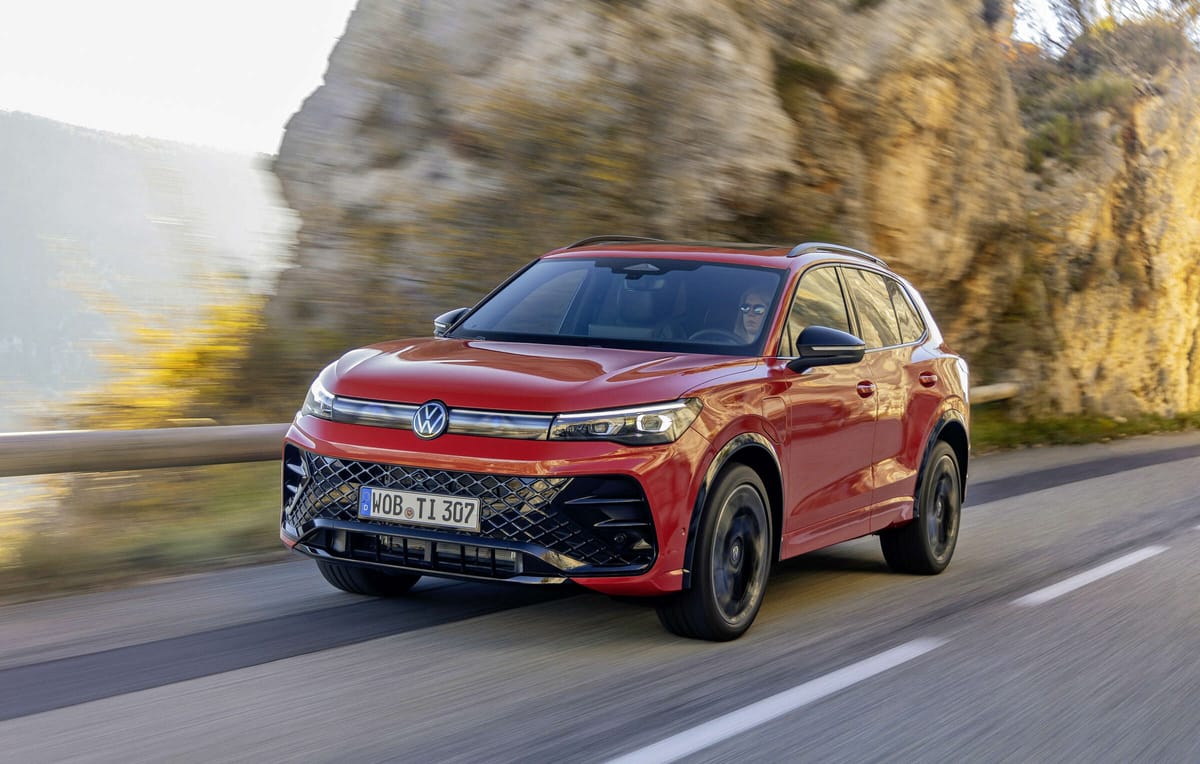
What is the Real-World Range of the Volkswagen Tiguan eHybrid (2024+)?
Official WLTP ratings are measured in a controlled 23°C laboratory. Test how winter sub-zero temperatures (-10°C), sustained 130 km/h highway speeds, and terrain elevation impact actual battery range on your specific commute.
The Trade War Intensifies: VW CEO Blume's China Warning & The 350,000 Import Quota
The freezing of Euro 6e-bis rules is inextricably bound to the rapidly escalating geopolitical trade friction between the European Union and the People's Republic of China. When the European Commission imposed countervailing duties of up to 45% on Chinese battery-electric vehicles (BEVs) in October 2024, it generated an unexpected commercial loophole: Chinese manufacturers immediately pivoted their European export offensives to Plug-in Hybrid platforms.
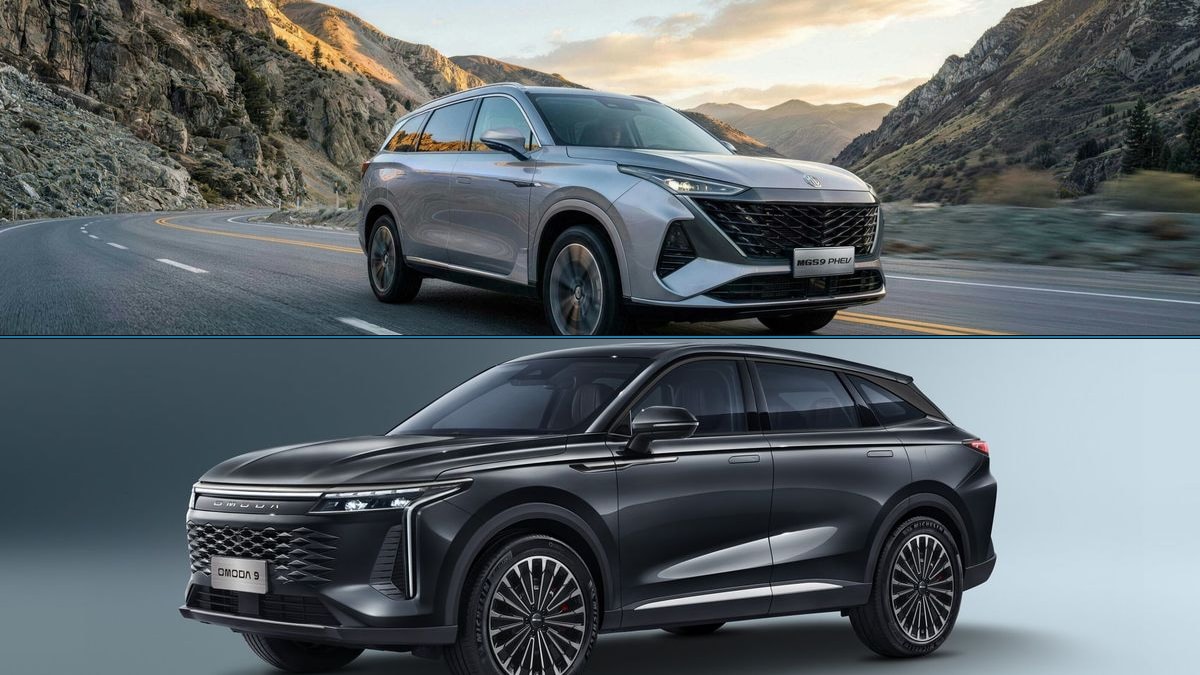
Over the subsequent 18 months, Chinese original equipment manufacturers—including BYD (Seal U DM-i), SAIC/MG (MG HS PHEV), Chery (Omoda 9 / Jaecoo 7), and Geely—expanded their collective share of the European PHEV market from an insignificant 2% to an unprecedented 25%. Crucially, the EU's anti-subsidy duties did not apply to vehicles equipped with internal combustion engines.
This dramatic influx prompted urgent warnings from Europe's largest vehicle manufacturer. In an interview with Handelsblatt, Volkswagen Group CEO Oliver Blume issued a direct challenge to EU policymakers:
"The Commission's targeted electric tariffs inadvertently opened the floodgates for state-subsidised Chinese PHEVs to saturate European showrooms tariff-free. If we are to preserve our continental manufacturing footprint and safeguard assembly employment, Brussels must swiftly extend equal tariffs to Chinese plug-in hybrids or introduce robust, enforceable volume quotas."
Diplomatic sources in Brussels reveal that the Directorate-General for Trade (DG TRADE) is currently finalizing a sensitive compromise framework with China's Ministry of Commerce. The bilateral proposal envisions a strict Tariff-Rate Quota (TRQ) capping Chinese-built hybrid imports at 350,000 units annually. Any imports exceeding this quota would trigger punitive tariffs of up to 35%, shielding domestic manufacturing clusters in Germany, France, Spain, and Poland.
Across the Channel: UK ZEV Mandate Flexibility for PHEVs
While Brussels enacts its Euro 6e-bis freeze, the United Kingdom finds itself grappling with an analogous regulatory crisis. Under Britain's post-Brexit Zero Emission Vehicle (ZEV Mandate) introduced in 2024, automakers are legally required to achieve a 33% zero-emission sales threshold across their new passenger car registrations in 2026.
However, driven by persistent high interest rates and private consumer hesitancy, British pure-electric car registrations stalled at just 27.2%. Automakers failing to hit the mandated quota faced catastrophic civil penalties of £15,000 per non-compliant vehicle registered.
In response, the UK Department for Transport (DfT) moved swiftly to introduce emergency compliance mechanisms designed to avert automotive plant closures:
- PHEV Compliance Credits: Next-generation PHEVs capable of achieving at least 100 km of WLTP pure-electric range will be granted partial tradeable credits within the ZEV compliance ledger.
- Inter-Year Deficit Offsetting: Carmakers will be permitted to borrow compliance allowances against projected zero-emission volumes in 2028 and 2029, deferring immediate financial penalties.
This pragmatic realignment across the Channel reaffirms that Plug-in Hybrid propulsion remains an indispensable operational bridge for vehicle manufacturers navigating the energy transition.
To project real-world electrical consumption and fuel burn across combined driving cycles, test our Real-World Range Calculator.
Engineering Repercussions: The 24 kWh Battery Standard & Peugeot's Euro 7 Nomenclature
The 3-year compliance reprieve granted by Brussels through 2029 has not slowed engineering development; instead, it has triggered an aggressive technological arms race centered around high-voltage traction battery architectures.
Even under the softened interim Euro 6e-bis calculation, maintaining certified CO2 output strictly below 50 g/km—the threshold governing corporate benefit-in-kind taxation incentives in core markets such as Germany, France, and Spain—demands real-world electric capabilities exceeding 100 to 120 km.
This thermodynamic reality has driven a wholesale expansion of battery capacities across European vehicle platforms:
| Manufacturer / Platform | Legacy Pack Capacity | 2026/2027 Next-Gen Capacity | Energy Density Increase | Certified WLTP Electric Range |
|---|---|---|---|---|
| Volkswagen Group (MQB evo) | 13.0 kWh (Gross) | 25.7 kWh (19.7 kWh Net) | +97% | 120 – 143 km |
| Stellantis Group (STLA Medium) | 14.2 kWh (Gross) | 21.0 – 24.5 kWh | +72% | 100 – 115 km |
| Mercedes-Benz (MMA Platform) | 15.6 kWh (Gross) | 25.0 kWh (Net) | +60% | 115 – 130 km |
| BMW Group (Gen5 eDrive) | 12.0 kWh (Gross) | 22.1 – 25.7 kWh | +84% | 100 – 118 km |
Scaling traction batteries from an average of 14 kWh to 24 kWh effectively transforms the modern PHEV into an urban EV with an auxiliary petrol engine, making 50 kW CCS2 DC rapid-charging hardware a mandatory commercial feature.
To analyze complete battery capacities and charge profiles across all long-distance hybrid vehicles, consult our comprehensive Longest Range PHEVs Guide.
[!IMPORTANT]
🏷️ Stellantis / Peugeot Commercial Nomenclature Reform
Ahead of the 30 November 2026 Euro 7 pre-homologation deadline, the Stellantis Group enacted a sweeping brand nomenclature reform across its Peugeot model line-up, retiring legacy "HYBRID4" and "e-EAT8" designations:
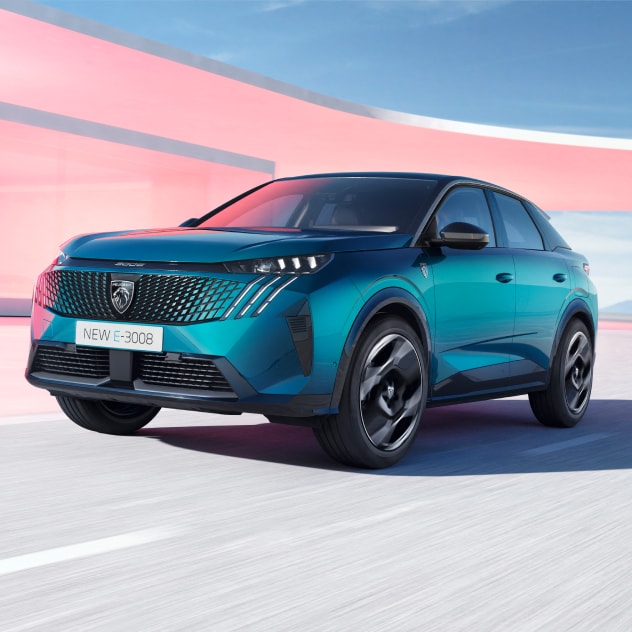
- Peugeot 3008 & 5008: The 1.6-litre turbocharged PureTech engine paired with the e-DCS7 dual-clutch transmission is now officially badged as the "Plug-in Hybrid 225 Auto".
- Peugeot 408 Fastback: Upgraded electric motor output and enhanced pack chemistry establish the new commercial designation "Plug-in Hybrid 240 Auto".
This clarified terminology ensures corporate fleet managers and retail buyers can seamlessly differentiate Euro 7/Euro 6e-bis compliant 24 kWh platforms from preceding hybrid generations.
Ultimately, while the 4 November Brussels vote grants automakers vital breathing room, the looming 2030 OBFCM telemetry mandate and intensifying trade battles with China confirm that Plug-in Hybrid engineering has matured into the central pillar of European automotive survival.
Stay Ahead on Next-Gen PHEV Releases & OTA Updates
Get notified when new European plug-in hybrid models premiere, along with real-world range benchmarks, battery chemistry insights, and software update breakdowns.
Related Models
Technical specs and live range simulations for models featured in this report
125 km EVTiguan eHybrid (2024+)
 87 km EV