Compare Europe's Leading Plug-in Hybrid (PHEV) Vehicles (2026)
Compare 125+ plug-in hybrid electric vehicles (PHEVs) from 30 premium brands. Find the perfect PHEV for your lifestyle.
Simulate Real-World PHEV Electric Range on Your Commute
Factoring ambient temperature (-10°C to +35°C), motorway speeds (up to 140 km/h), terrain elevation, and cabin climate control draw in real time.
Explore Specific PHEV Categories
Latest PHEV Guides & Engineering Insights
Deep technical analysis, market statistics, and battery management guides written by our editors.
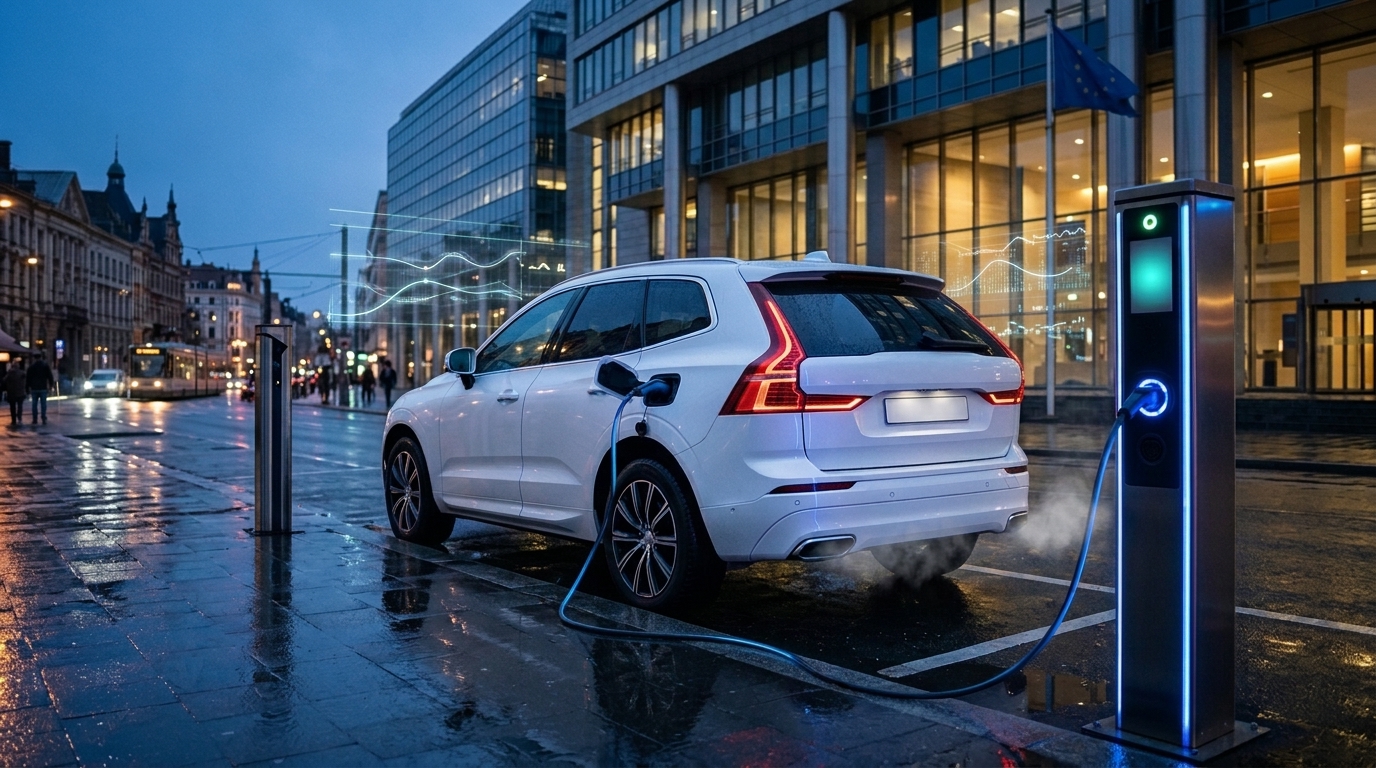
Transport & Environment (T&E) 2026 Report: Real-World PHEV Emissions 6x Higher Than Official Tests — Utility Factor & Fleet Tax Deep Dive
A landmark 40-page report by Transport & Environment (T&E) using official EEA OBFCM real-world data reveals 2024 PHEVs emit 146 g CO2/km—nearly 6 times their official WLTP rating. We analyze the upcoming Nov 2026/2027 Utility Factor (UF) correction, the 71% corporate fleet loophole, power-ratio dynamics, and radical proposals including a 15-litre fuel tank limit.
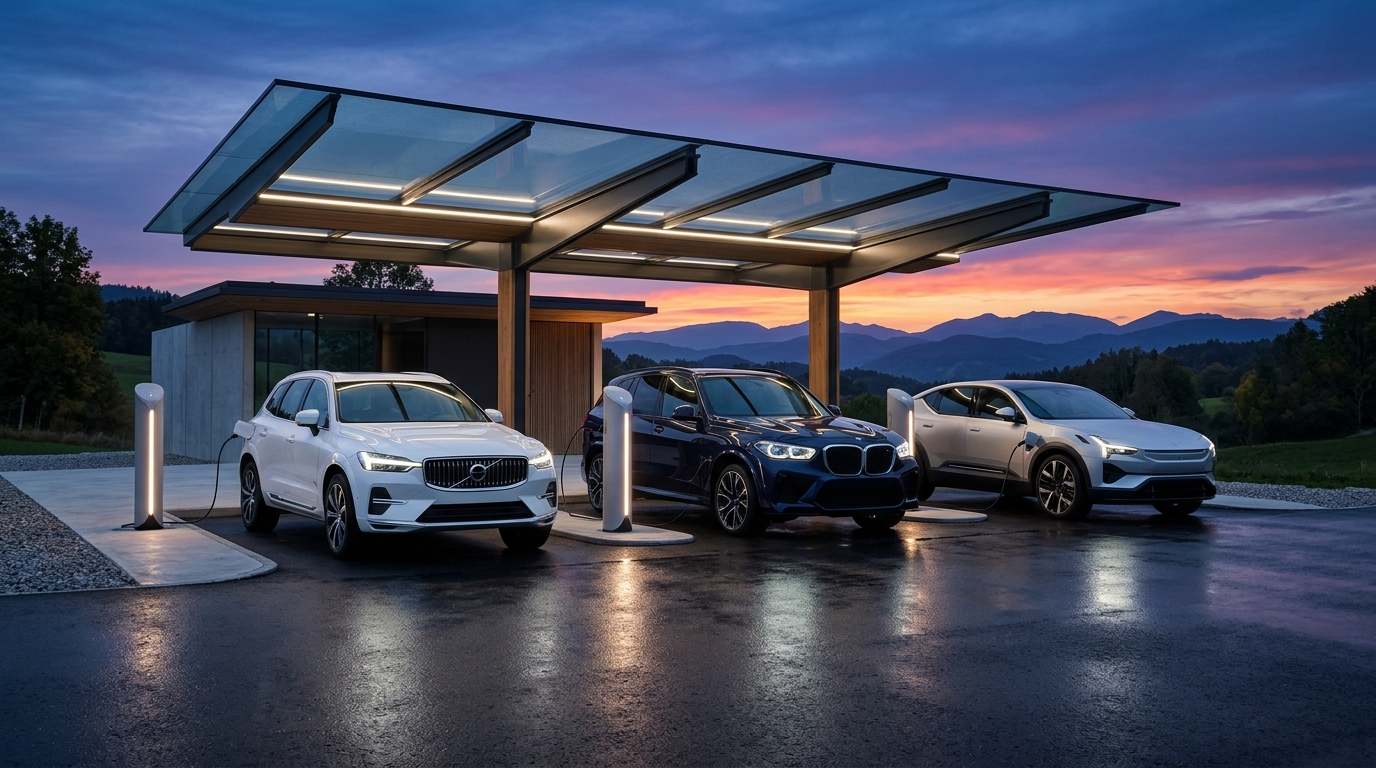
PHEV Weekly Roundup (18 - 25 October 2026): Double-Digit European Market Share, 200 km Range Titans & Major Recalls
All key PHEV developments from 18-25 October 2026: ACEA September record (10.1% market share), 41.2 kWh Volvo XC60 Long-Range, 2027 Lexus NX, 2.15M VW steering rack recall, the €21,000 BYD Dolphin G DM-i, and sub-zero winter range telemetry.
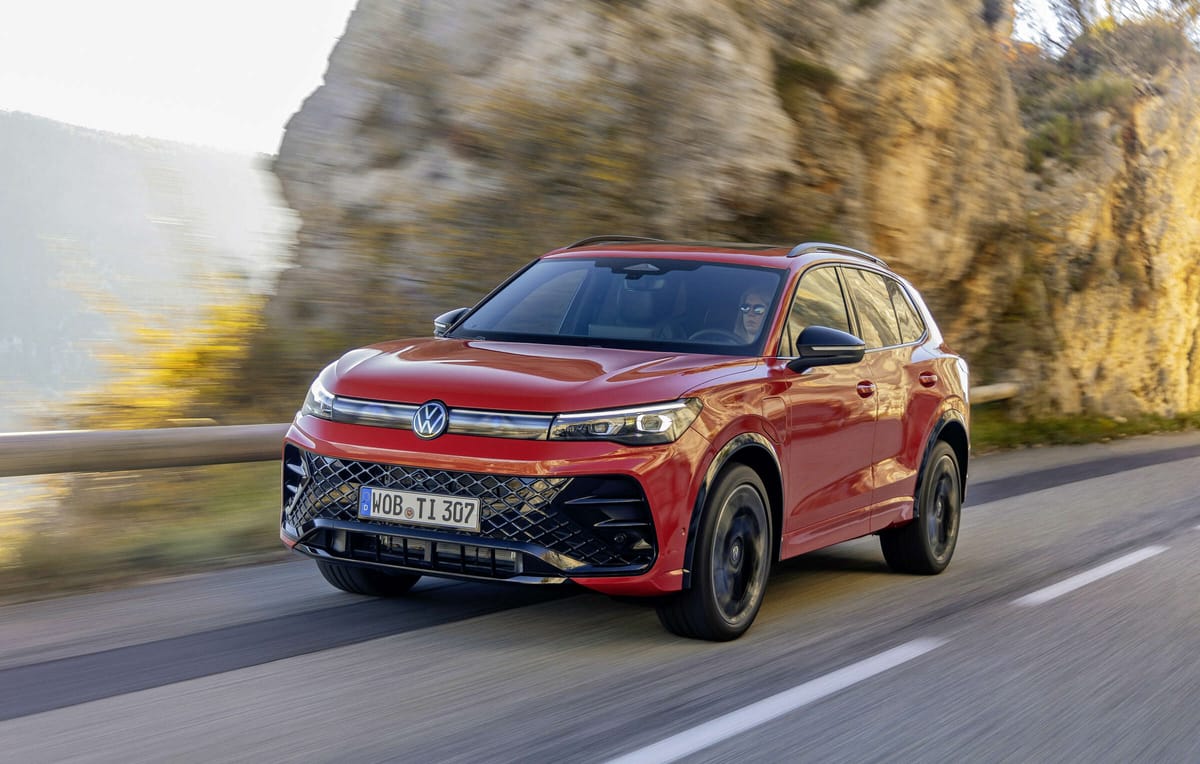
Official EU Safety Gate Recall for Volkswagen (48VS / KBA 17016R): 2.15M Vehicles Affected — Full Model Breakdown
Official EU Safety Gate bulletin SR/02935/26 (KBA 17016R / VW 48VS) covers steering rack bolt shear across 2.15M MQB vehicles. Full model breakdown (Golf 7 including GTE, Caddy, Touran, Tiguan, Atlas) and deep engineering analysis for Tiguan eHybrid and Golf GTE.
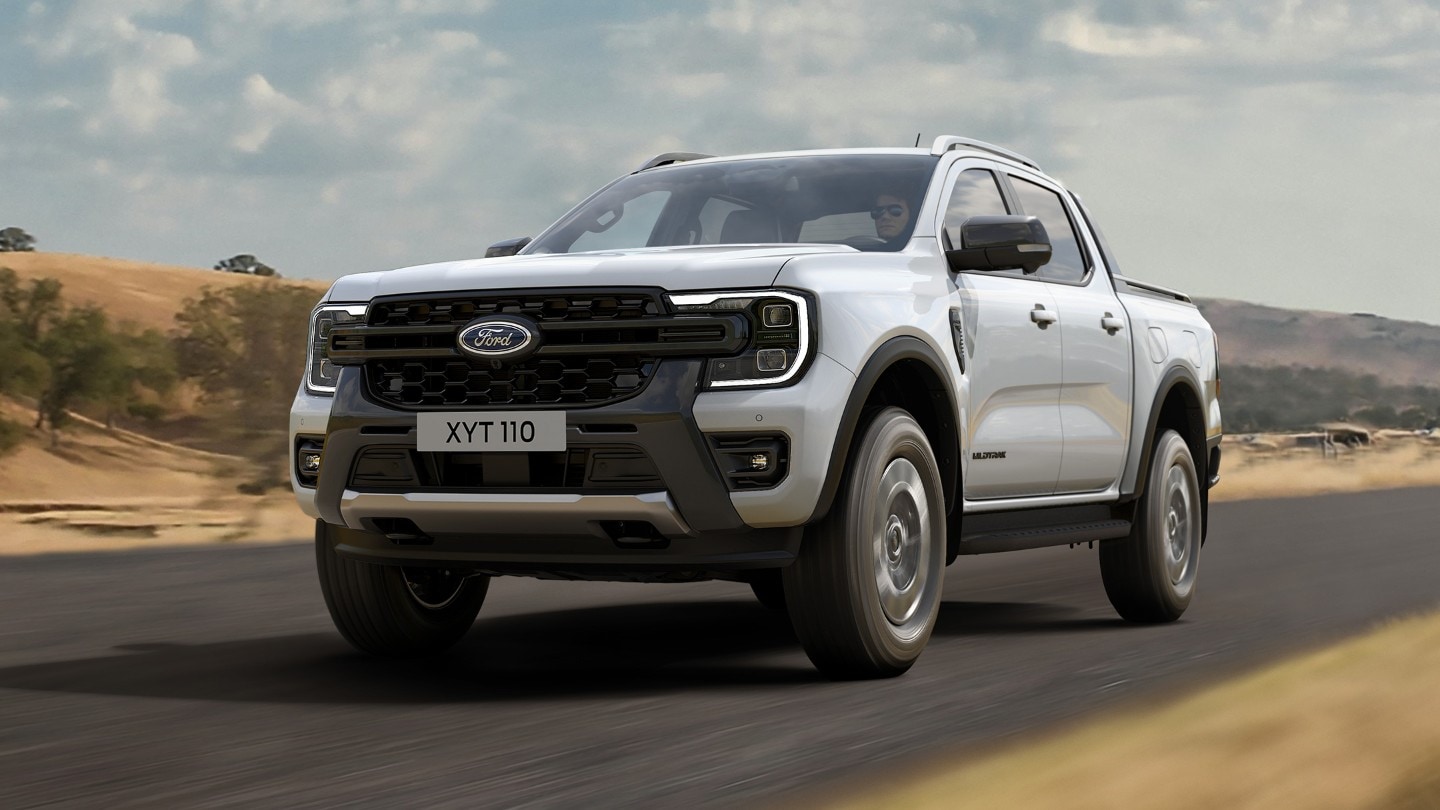
Official EU Safety Gate Recall for Ford Ranger (26C39 / SR/02999/26): Covers Entire T6.2 Chassis Including Diesel, Petrol & Ranger PHEV
The European Commission Safety Gate network has issued official recall SR/02999/26 for the Ford Ranger. Regardless of powertrain, this campaign covers all T6.2 (2AB) chassis built between 2023 and 2026—including Diesel, Petrol, and the new Ranger PHEV—addressing B-pillar trim detachment and airbag deployment defects.
Quick Compare Popular Models
Compare the most popular PHEV models side by side
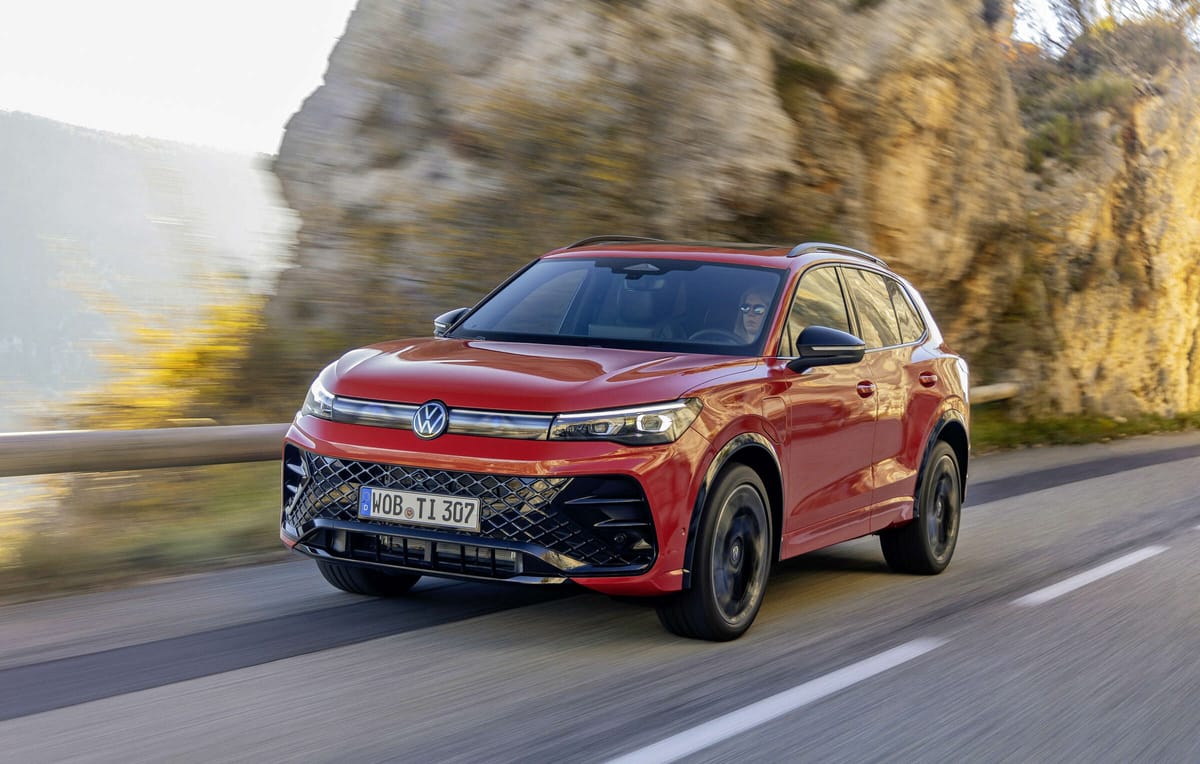
VW Tiguan (2025)
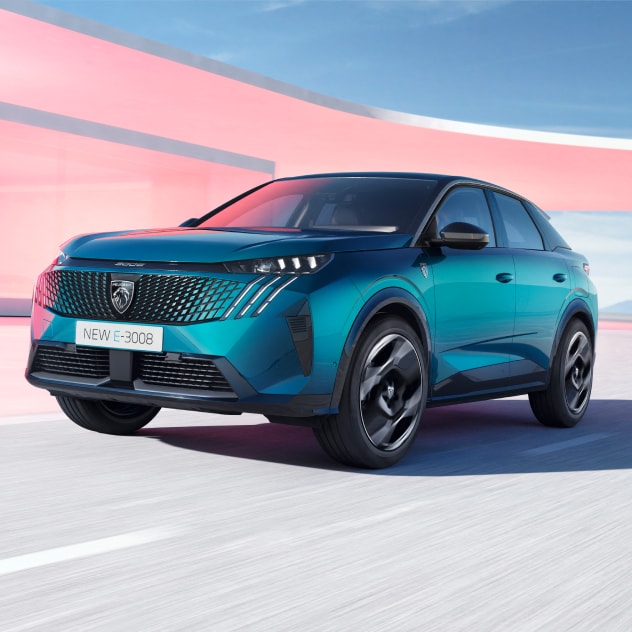
vsPeugeot 3008 (2025)
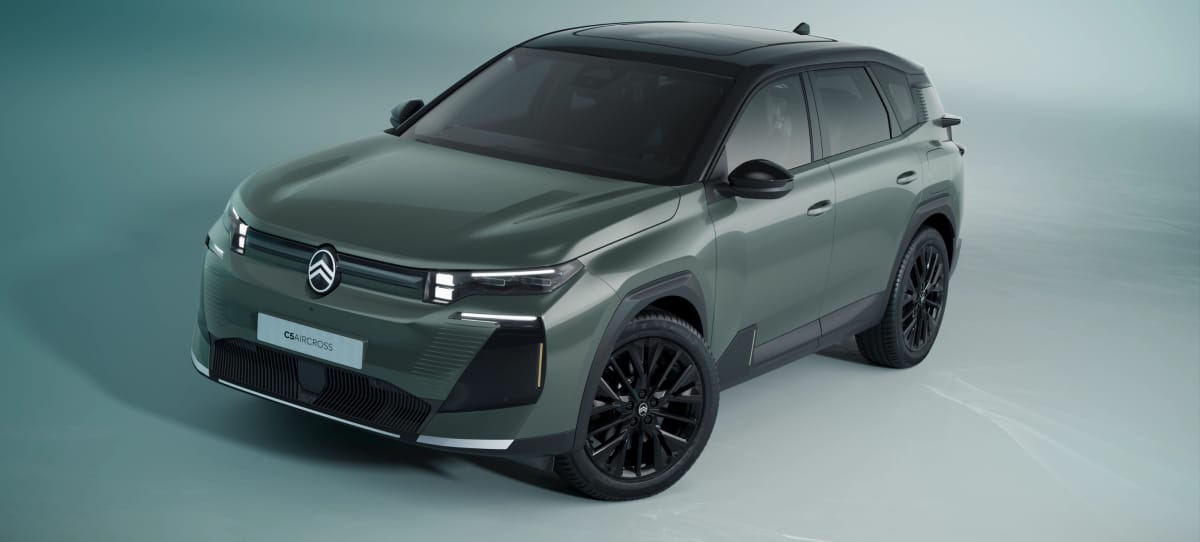
Citroën C5 Aircross (2025)
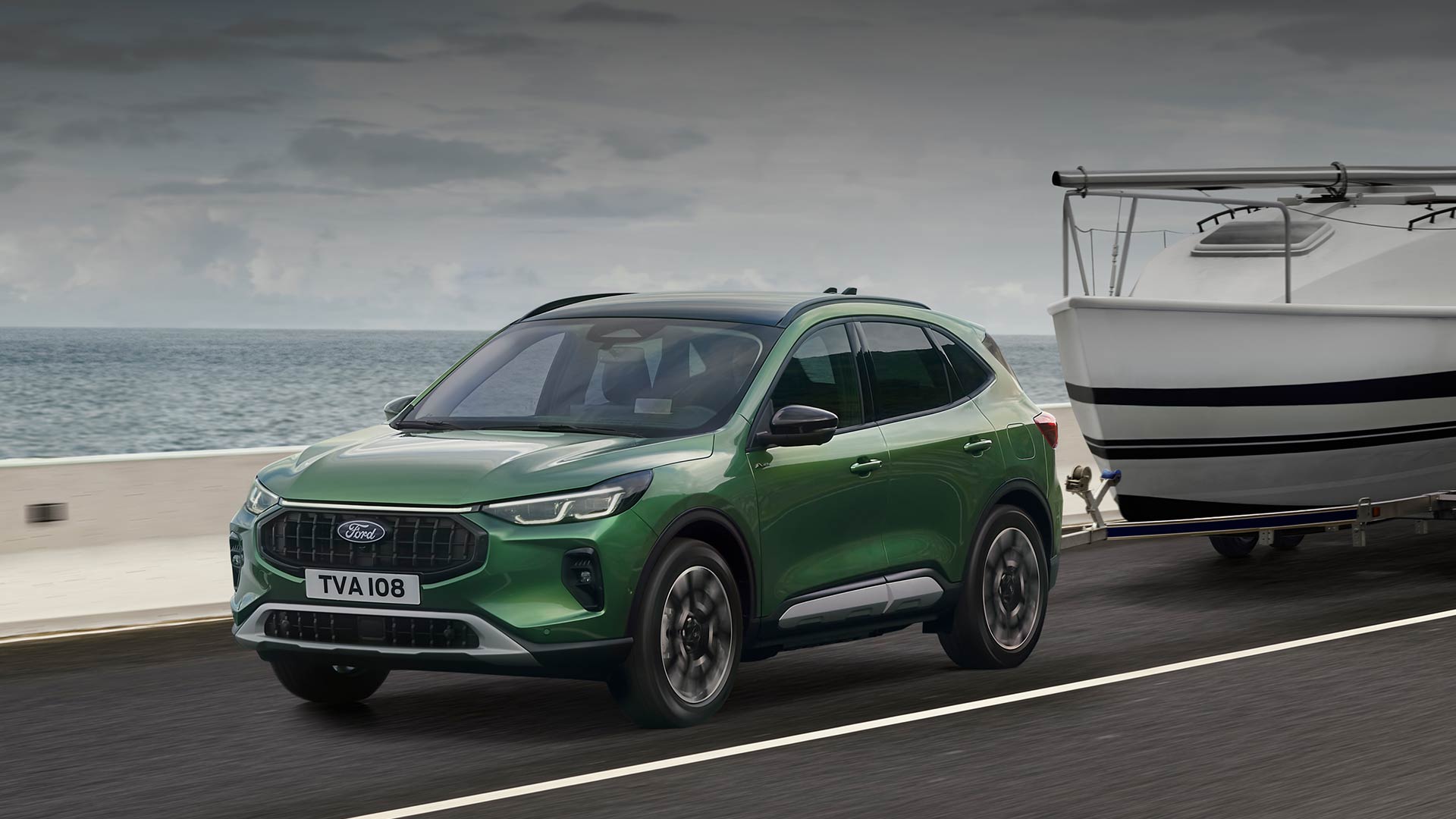
vsFord Kuga (2025)
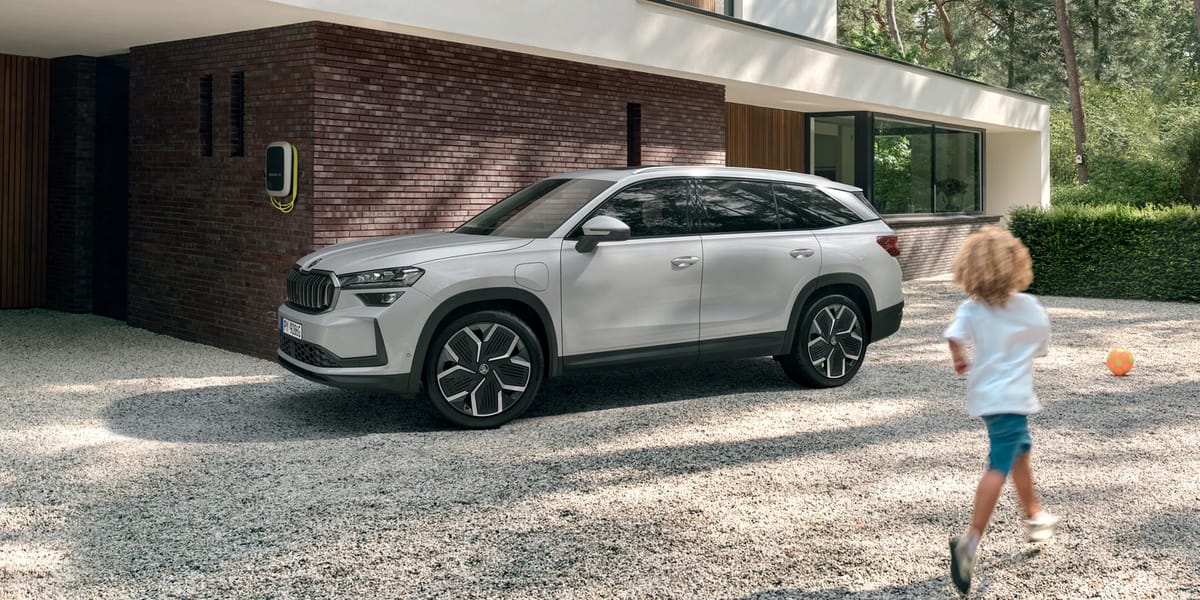
Skoda Kodiaq iV (2025)
vsVW Tiguan (2025)
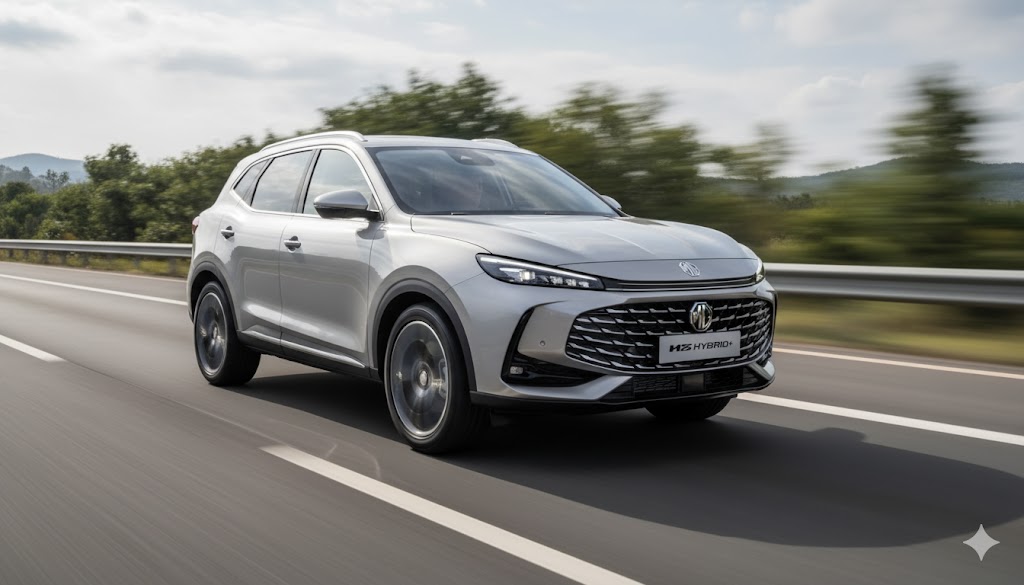
MG HS (2025)
vsPeugeot 3008 (2025)
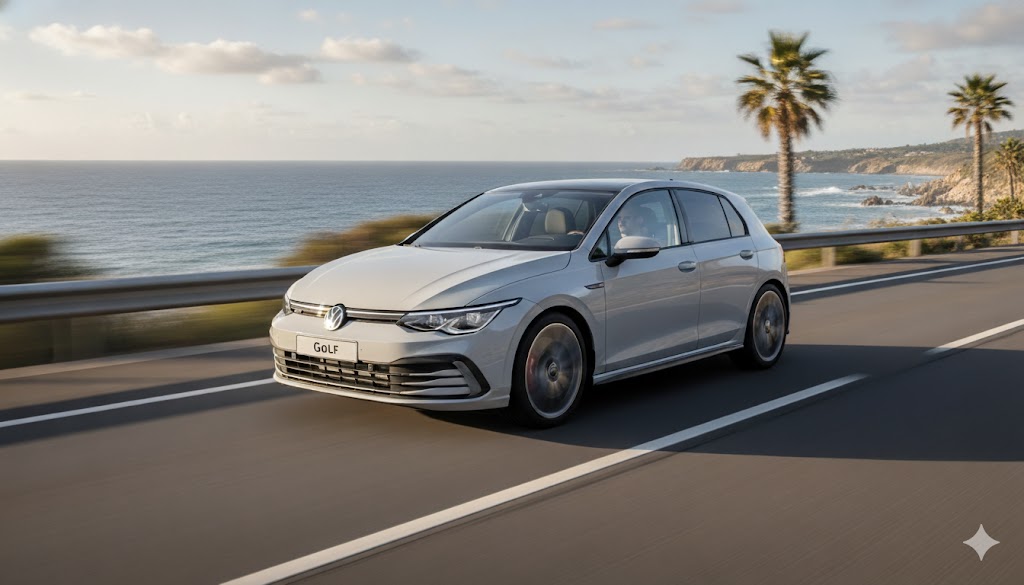
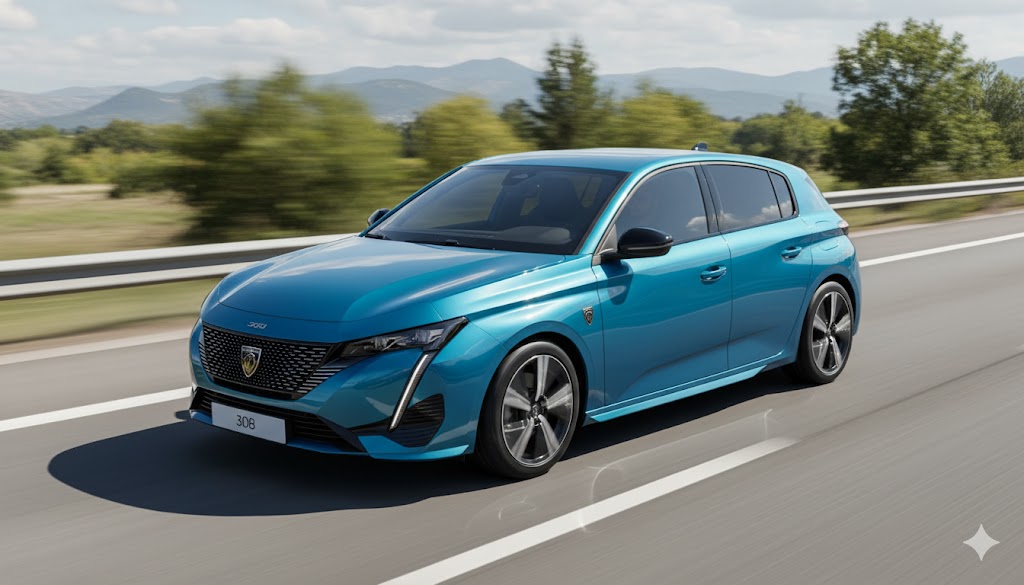
VW Golf GTE (2025)
vsPeugeot 308 (2025)
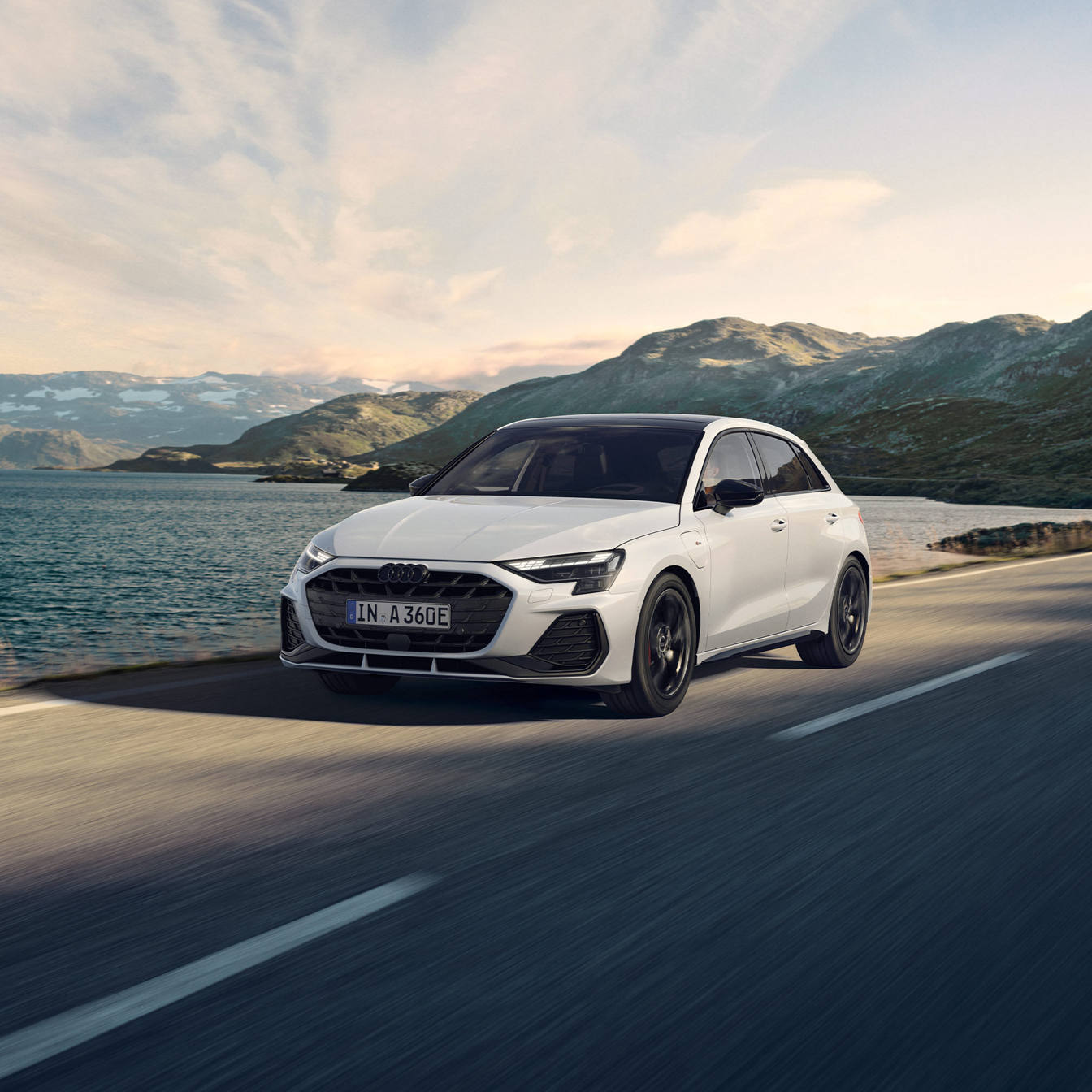
VW Golf GTE (2025)
vsAudi A3 Sportback (2025)
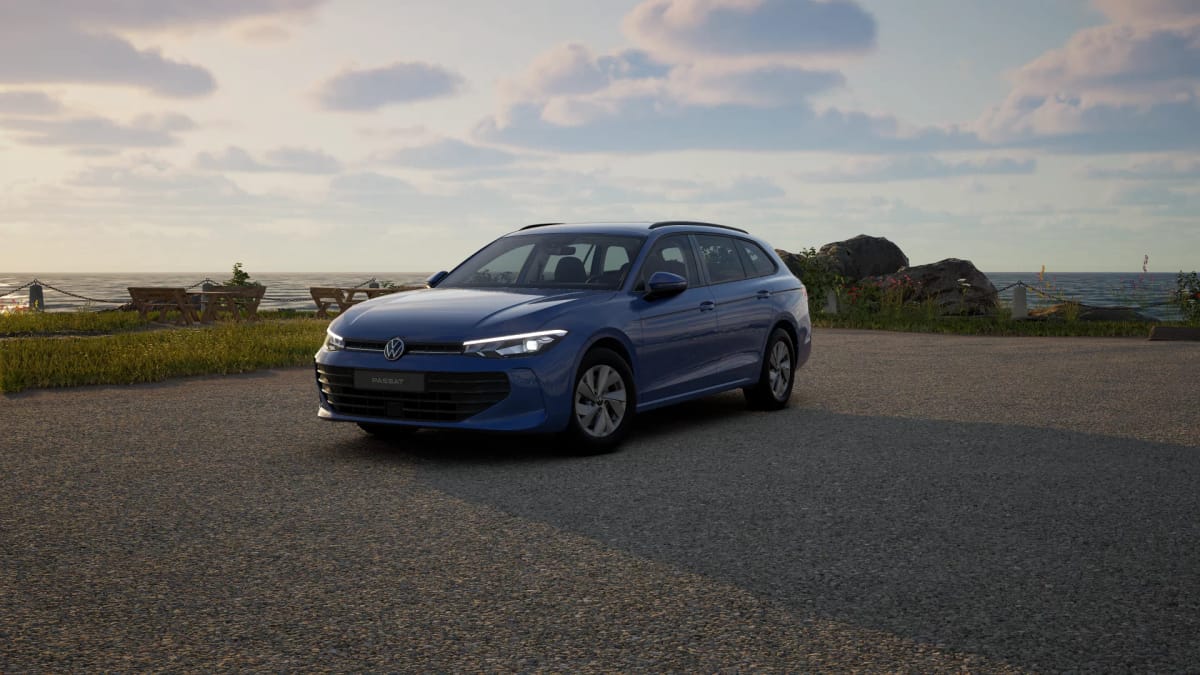
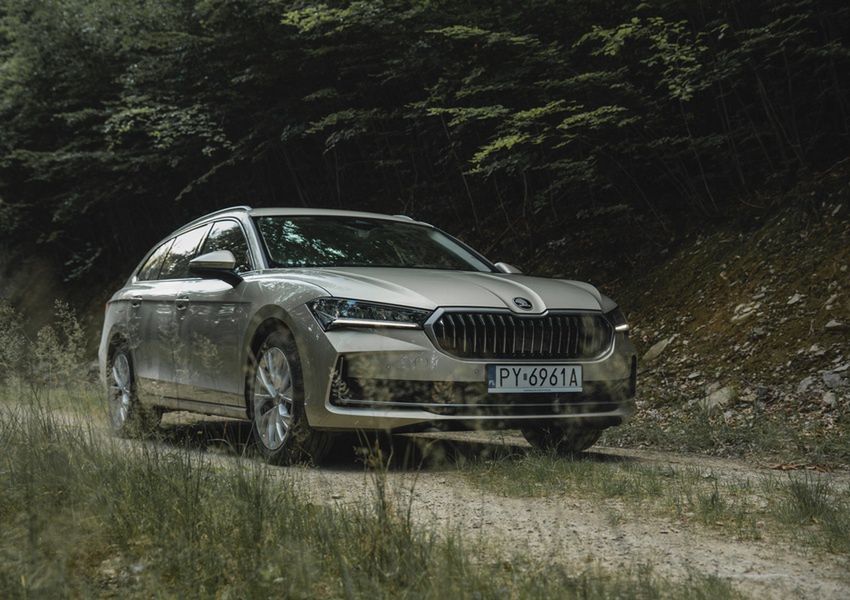
VW Passat (2025)
vsSkoda Superb Combi (2025)
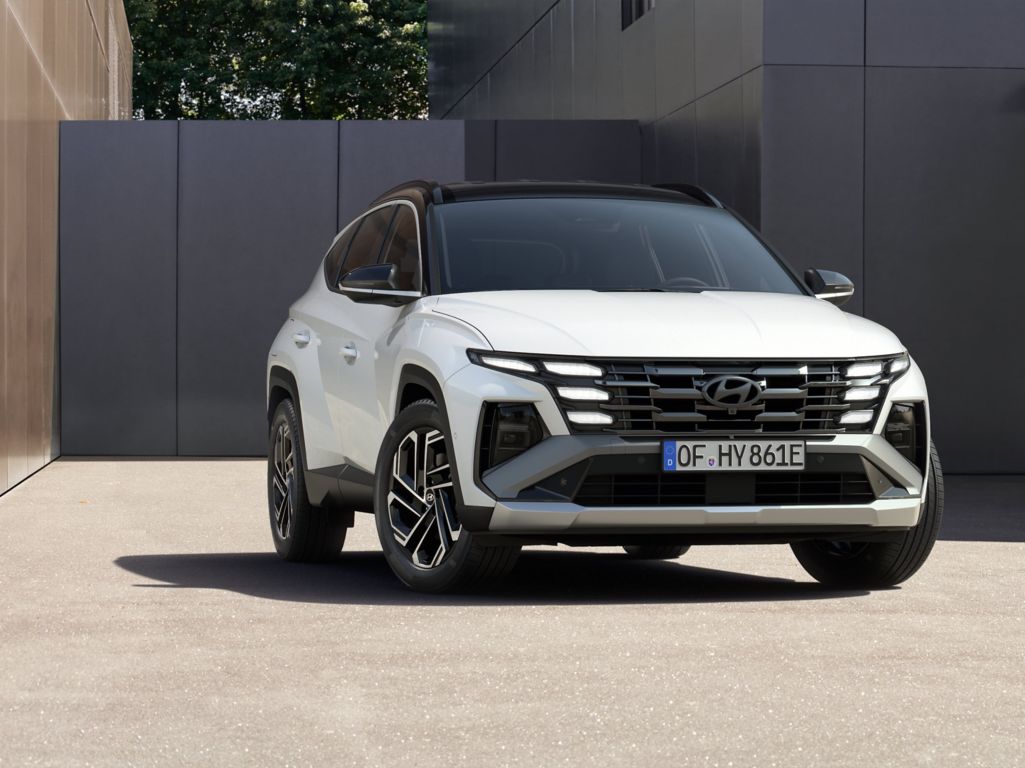
Ford Kuga (2025)
vsHyundai Tucson (2025)
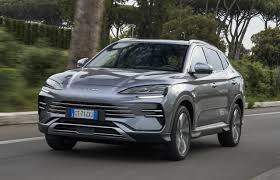
MG HS II (2025)
vsBYD Seal U DM-i (2025)
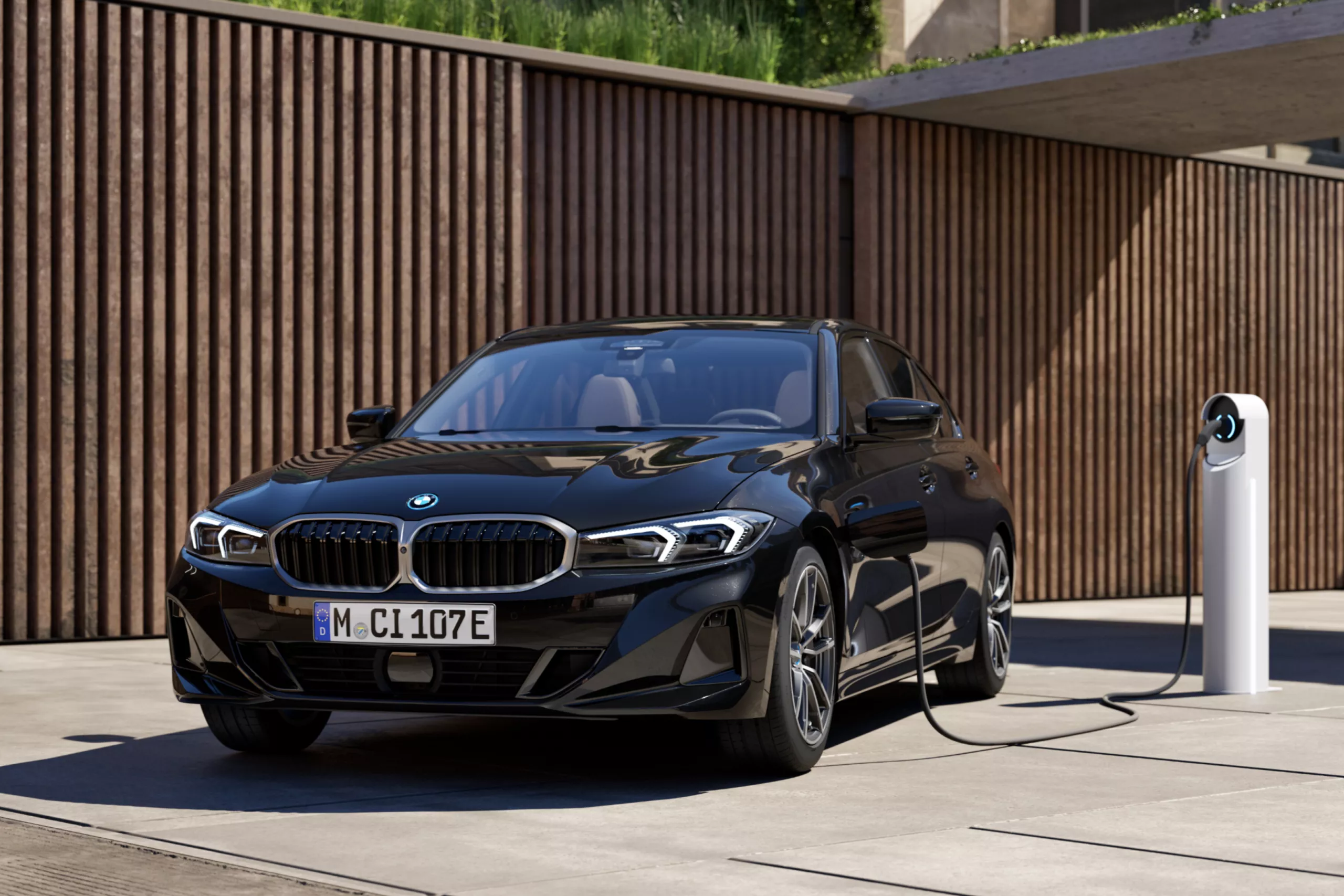
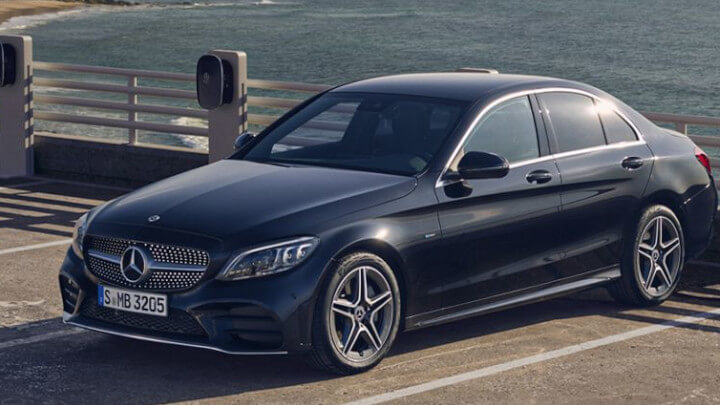
BMW 3 Series (2025)
vsMercedes-Benz C-Class (2025)
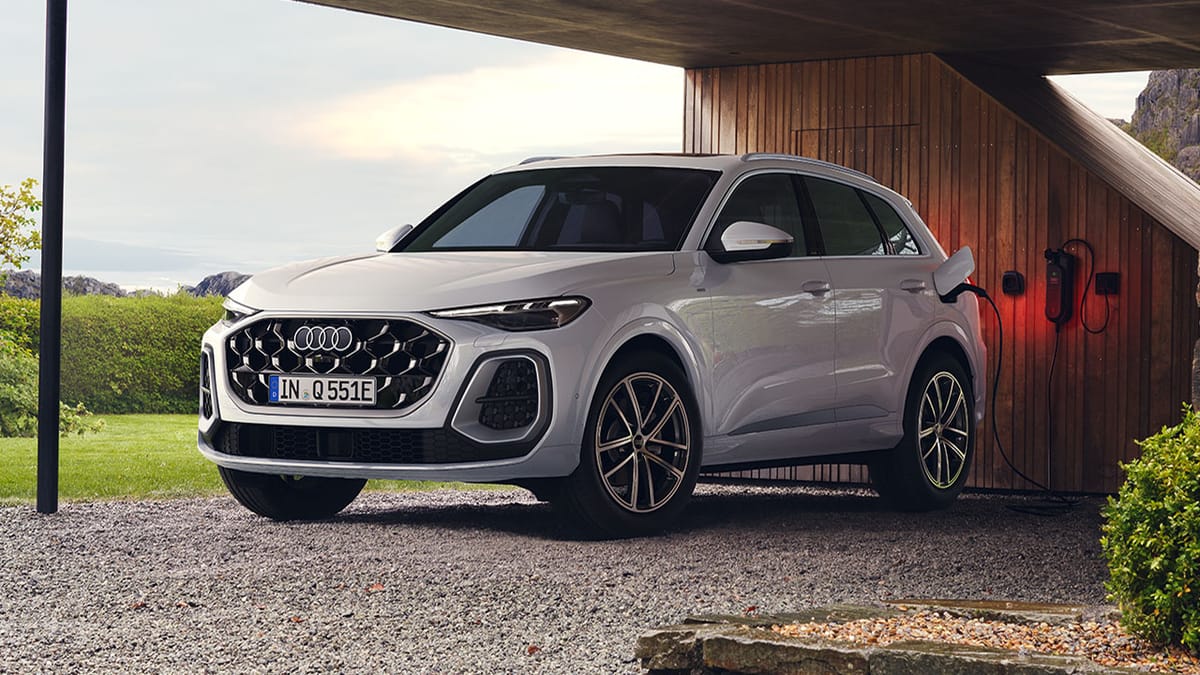
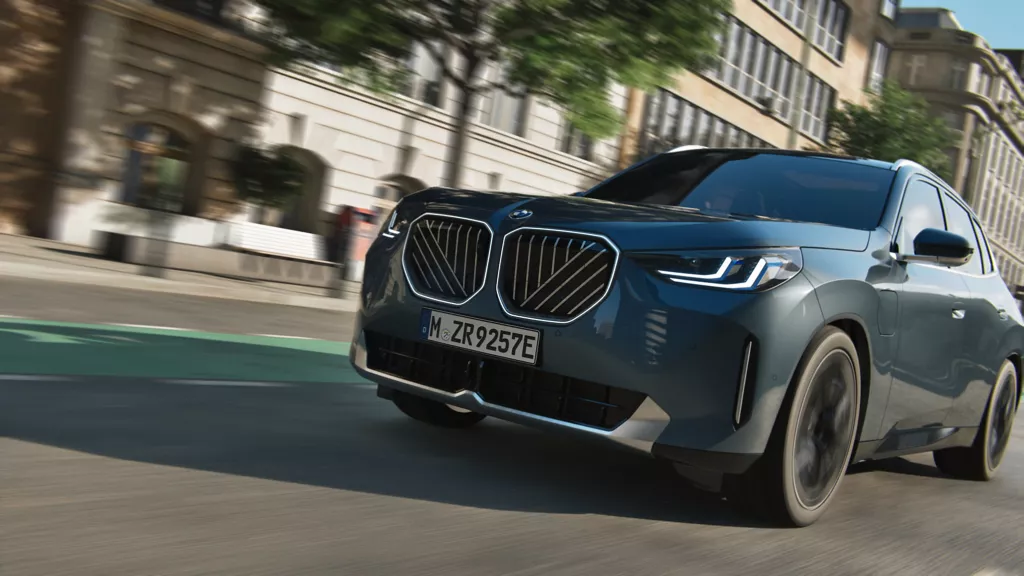
Audi Q5 (2025)
vsBMW X3 30e (2025)
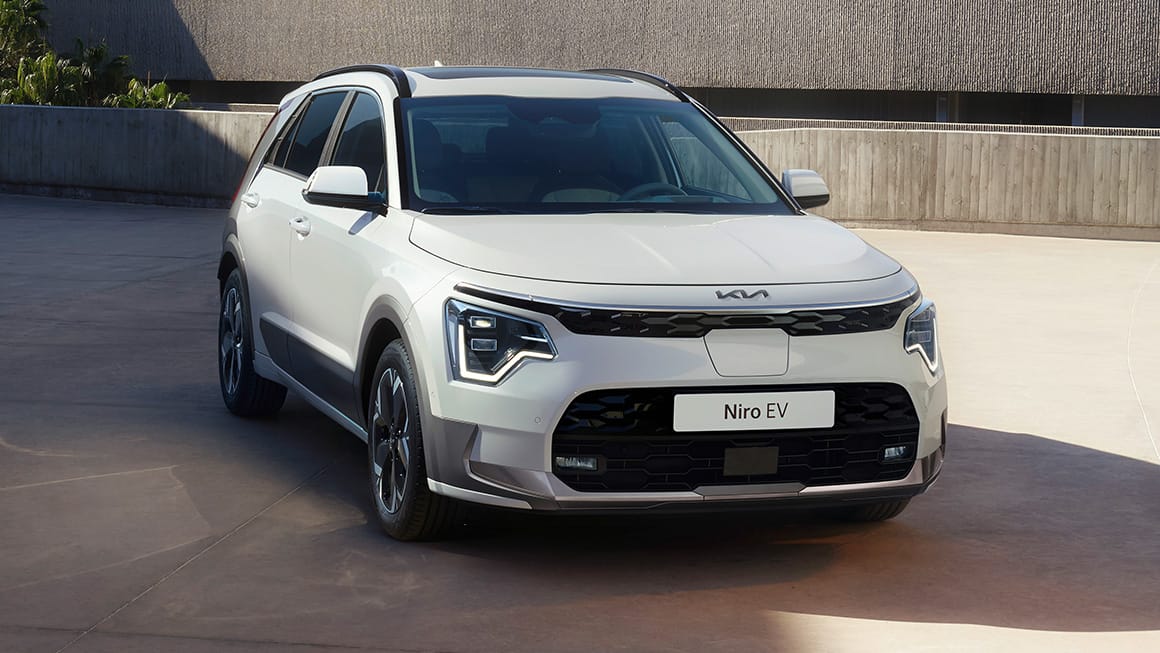
Kia Niro (2025)
vsMG HS (2025)
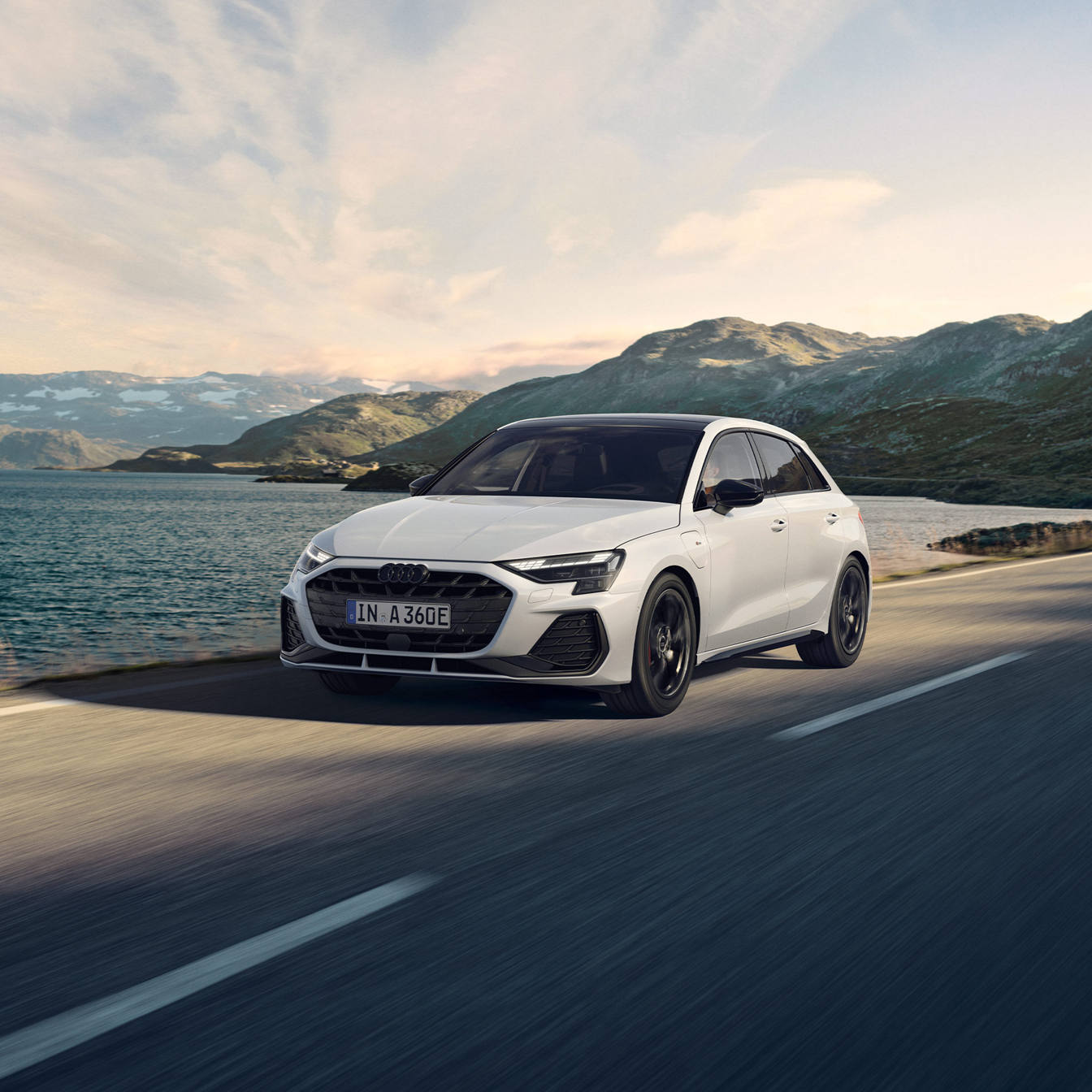
MG HS (2025)
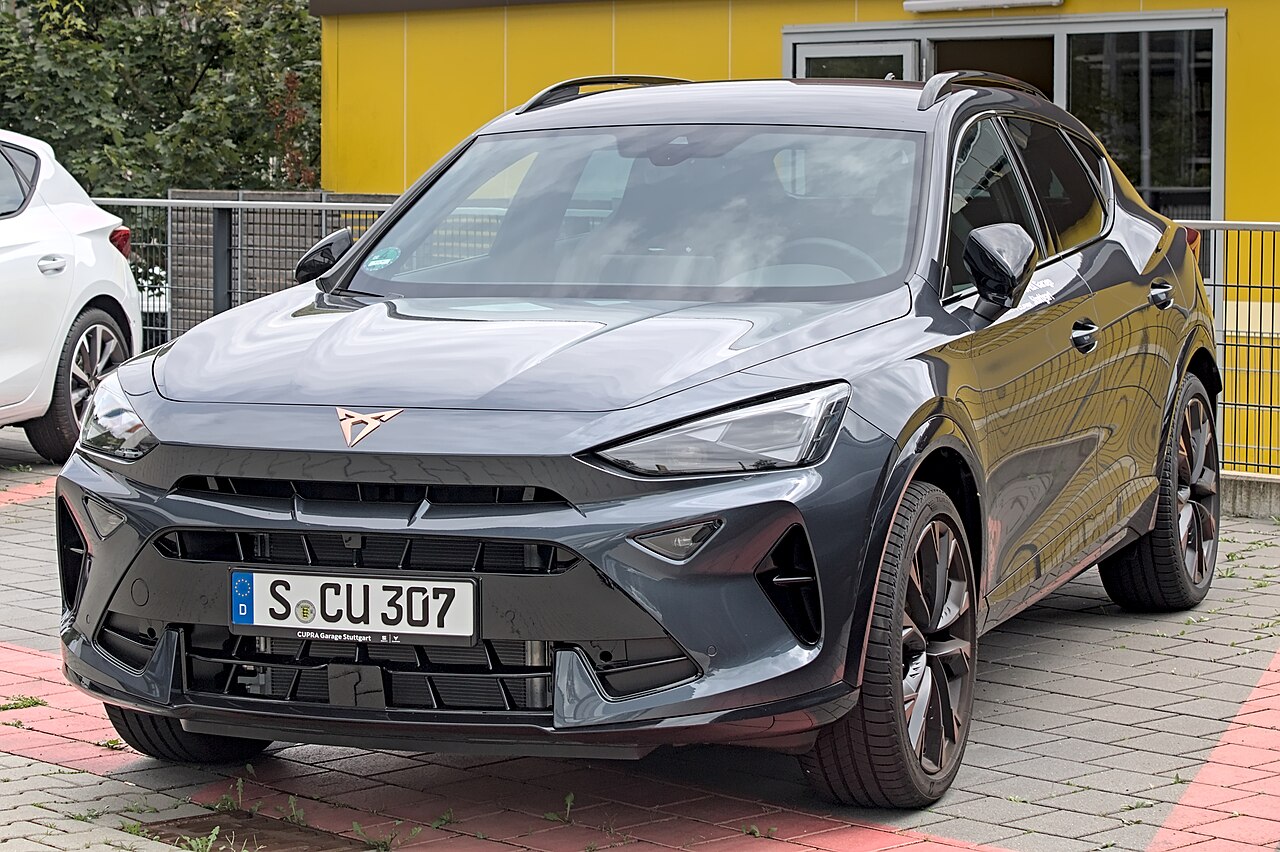
vsCupra Formentor (2025)
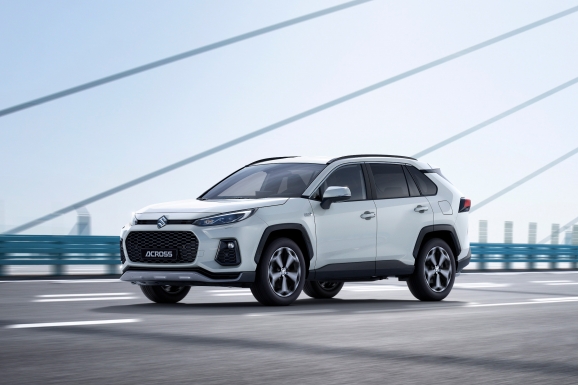
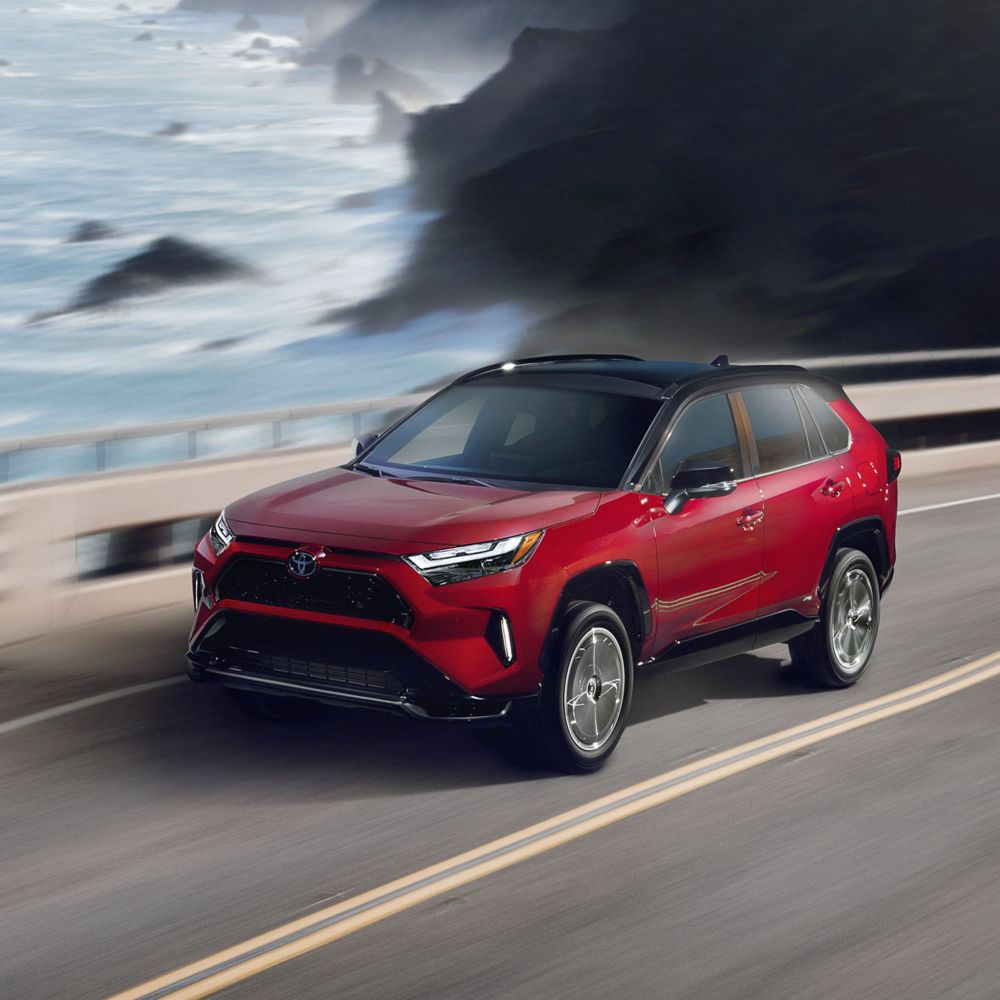
Suzuki Across (2025)
vsToyota RAV4 (2025)
Suzuki Across (2025)
vsHyundai Tucson (2025)
Toyota RAV4 (2025)
vsSuzuki Across (2025)
145 vehicles foundShowing 1–12
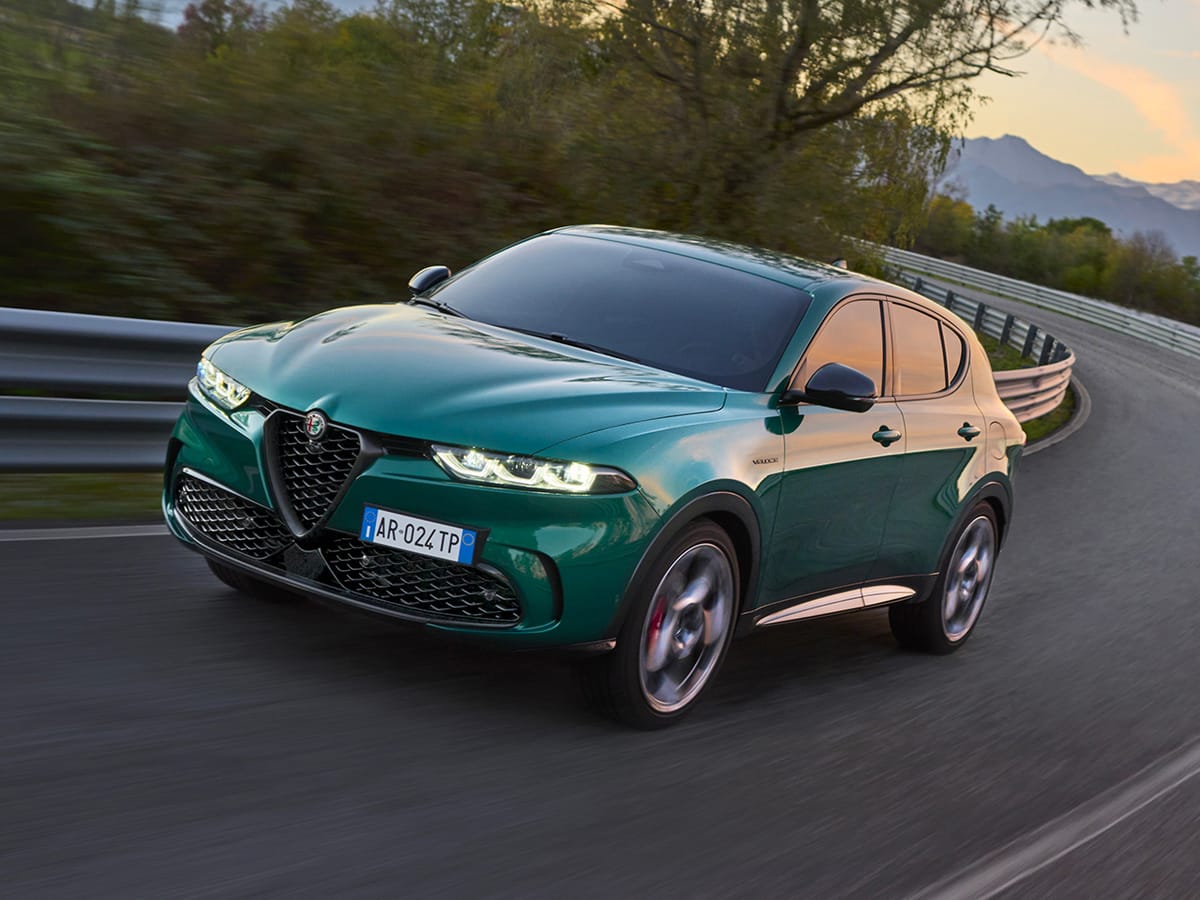
Alfa Romeo Tonale
- EV Range:
- 60 km
- Battery:
- 15.5 kWh
- Total Power:
- 269 HP
- Charge Time:
- 3h AC
- Weight:
- 1835 kg
- Engine:
- 1.3L
- ICE Power:
- 149 HP
- Consumption:
- 1.5 L/100km
- EV Range:
- 60 km
- Battery:
- 15.5 kWh
- Total Power:
- 269 HP
- Charge Time:
- 3h AC
- Engine:
- 1.3L
- ICE Power:
- 149 HP
- Consumption:
- 1.5 L/100km
Audi A3 Sportback 40 TFSI e
- EV Range:
- 133 km
- Battery:
- 25.7 kWh
- Total Power:
- 204 HP
- Charge Time:
- 3.5h AC
- Weight:
- 1610 kg
- Engine:
- 1.5L
- ICE Power:
- 88 HP
- Consumption:
- 0.35 L/100km
- EV Range:
- 133 km
- Battery:
- 25.7 kWh
- Total Power:
- 204 HP
- Charge Time:
- 3.5h AC
- Engine:
- 1.5L
- ICE Power:
- 88 HP
- Consumption:
- 0.35 L/100km
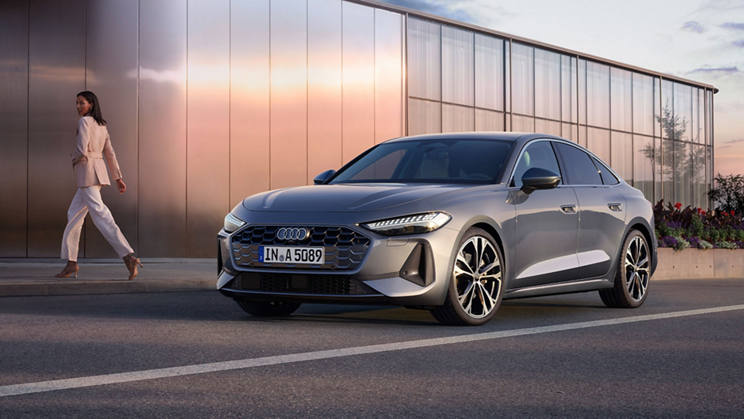
Audi A5 Limousine
- EV Range:
- 108 km
- Battery:
- 25.9 kWh
- Total Power:
- 367 HP
- Charge Time:
- 3h AC
- Weight:
- 2110 kg
- Engine:
- 2L
- ICE Power:
- 224 HP
- Consumption:
- 1.9 L/100km
- EV Range:
- 108 km
- Battery:
- 25.9 kWh
- Total Power:
- 367 HP
- Charge Time:
- 3h AC
- Engine:
- 2L
- ICE Power:
- 224 HP
- Consumption:
- 1.9 L/100km
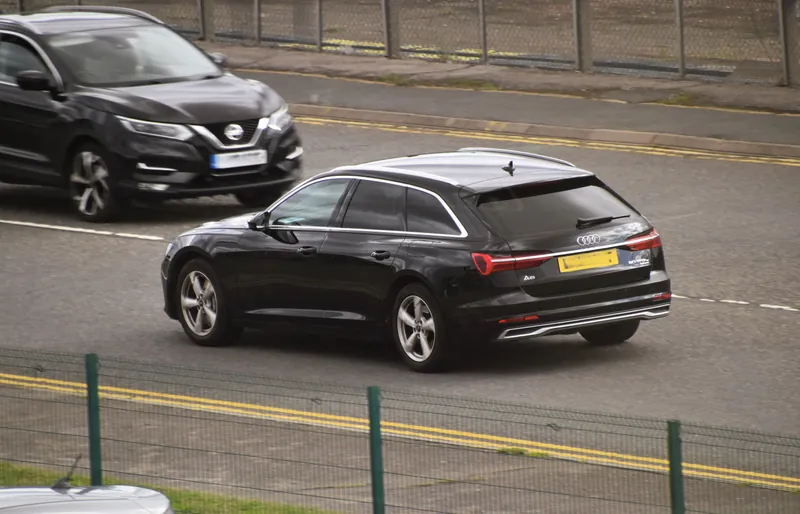
Audi A6 Avant e-hybrid
- EV Range:
- 106 km
- Battery:
- 25.9 kWh
- Total Power:
- 299 HP
- Charge Time:
- 2.75h AC
- Weight:
- 2250 kg
- Engine:
- 2L
- ICE Power:
- 156 HP
- Consumption:
- 2.1 L/100km
- EV Range:
- 106 km
- Battery:
- 25.9 kWh
- Total Power:
- 299 HP
- Charge Time:
- 2.75h AC
- Engine:
- 2L
- ICE Power:
- 156 HP
- Consumption:
- 2.1 L/100km
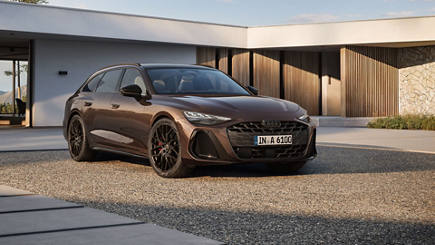
Audi A6 Limousine 55 TFSI e Quattro
- EV Range:
- 106 km
- Battery:
- 25.9 kWh
- Total Power:
- 367 HP
- Charge Time:
- 3.5h AC
- Weight:
- 2165 kg
- Engine:
- 2L
- ICE Power:
- 224 HP
- Consumption:
- 2.2 L/100km
- EV Range:
- 106 km
- Battery:
- 25.9 kWh
- Total Power:
- 367 HP
- Charge Time:
- 3.5h AC
- Engine:
- 2L
- ICE Power:
- 224 HP
- Consumption:
- 2.2 L/100km
Audi A6 Limousine e-hybrid
- EV Range:
- 112 km
- Battery:
- 25.9 kWh
- Total Power:
- 299 HP
- Charge Time:
- 2.75h AC
- Weight:
- 2205 kg
- Engine:
- 2L
- ICE Power:
- 156 HP
- Consumption:
- 2 L/100km
- EV Range:
- 112 km
- Battery:
- 25.9 kWh
- Total Power:
- 299 HP
- Charge Time:
- 2.75h AC
- Engine:
- 2L
- ICE Power:
- 156 HP
- Consumption:
- 2 L/100km
Audi A7 Sportback
- EV Range:
- 66 km
- Battery:
- 17.9 kWh
- Total Power:
- 367 HP
- Charge Time:
- 3h AC
- Weight:
- 2065 kg
- Engine:
- 2L
- ICE Power:
- 224 HP
- Consumption:
- 1.6 L/100km
- EV Range:
- 66 km
- Battery:
- 17.9 kWh
- Total Power:
- 367 HP
- Charge Time:
- 3h AC
- Engine:
- 2L
- ICE Power:
- 224 HP
- Consumption:
- 1.6 L/100km
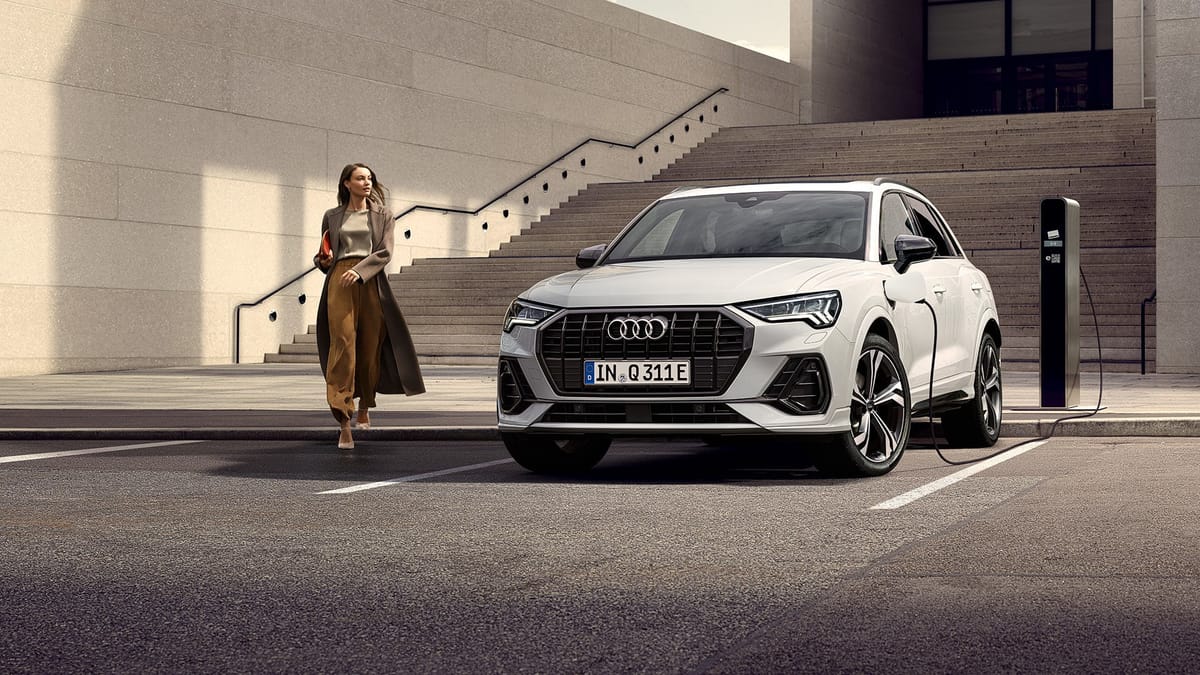
Audi Q3
- EV Range:
- 119 km
- Battery:
- 25.7 kWh
- Total Power:
- 272 HP
- Charge Time:
- 3.5h AC
- Weight:
- 1825 kg
- Engine:
- 1.5L
- ICE Power:
- 156 HP
- Consumption:
- 1.7 L/100km
- EV Range:
- 119 km
- Battery:
- 25.7 kWh
- Total Power:
- 272 HP
- Charge Time:
- 3.5h AC
- Engine:
- 1.5L
- ICE Power:
- 156 HP
- Consumption:
- 1.7 L/100km
Audi Q5
- EV Range:
- 107 km
- Battery:
- 25.9 kWh
- Total Power:
- 367 HP
- Charge Time:
- 3.5h AC
- Weight:
- 2170 kg
- Engine:
- 2L
- ICE Power:
- 224 HP
- Consumption:
- 2.6 L/100km
- EV Range:
- 107 km
- Battery:
- 25.9 kWh
- Total Power:
- 367 HP
- Charge Time:
- 3.5h AC
- Engine:
- 2L
- ICE Power:
- 224 HP
- Consumption:
- 2.6 L/100km
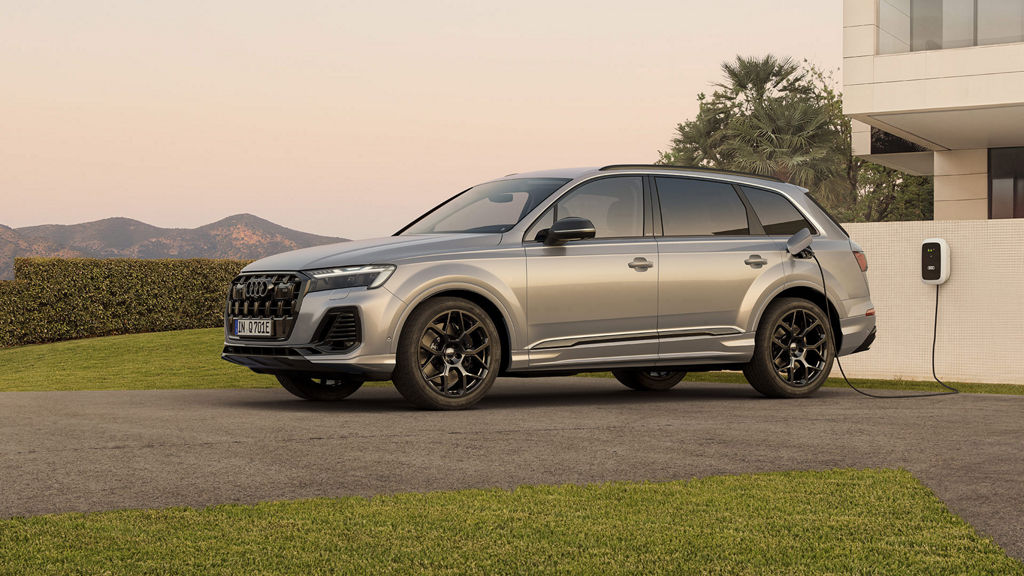
Audi Q7
- EV Range:
- 84 km
- Battery:
- 25.9 kWh
- Total Power:
- 490 HP
- Charge Time:
- 4h AC
- Weight:
- 2385 kg
- Engine:
- 3L
- ICE Power:
- 347 HP
- Consumption:
- 3.8 L/100km
- EV Range:
- 84 km
- Battery:
- 25.9 kWh
- Total Power:
- 490 HP
- Charge Time:
- 4h AC
- Engine:
- 3L
- ICE Power:
- 347 HP
- Consumption:
- 3.8 L/100km
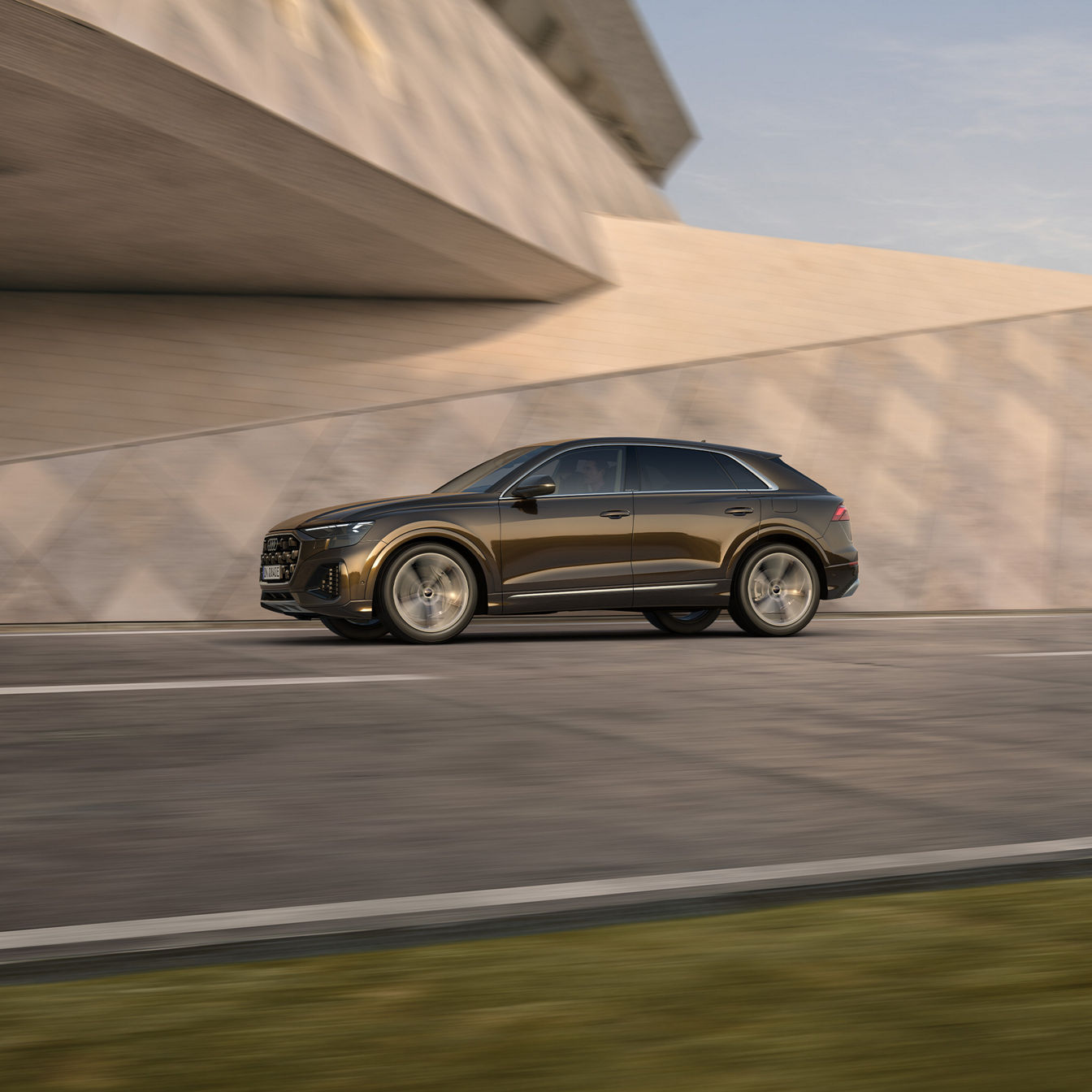
Audi Q8
- EV Range:
- 80 km
- Battery:
- 25.9 kWh
- Total Power:
- 490 HP
- Charge Time:
- 4h AC
- Weight:
- 2415 kg
- Engine:
- 3L
- ICE Power:
- 347 HP
- Consumption:
- 3.9 L/100km
- EV Range:
- 80 km
- Battery:
- 25.9 kWh
- Total Power:
- 490 HP
- Charge Time:
- 4h AC
- Engine:
- 3L
- ICE Power:
- 347 HP
- Consumption:
- 3.9 L/100km
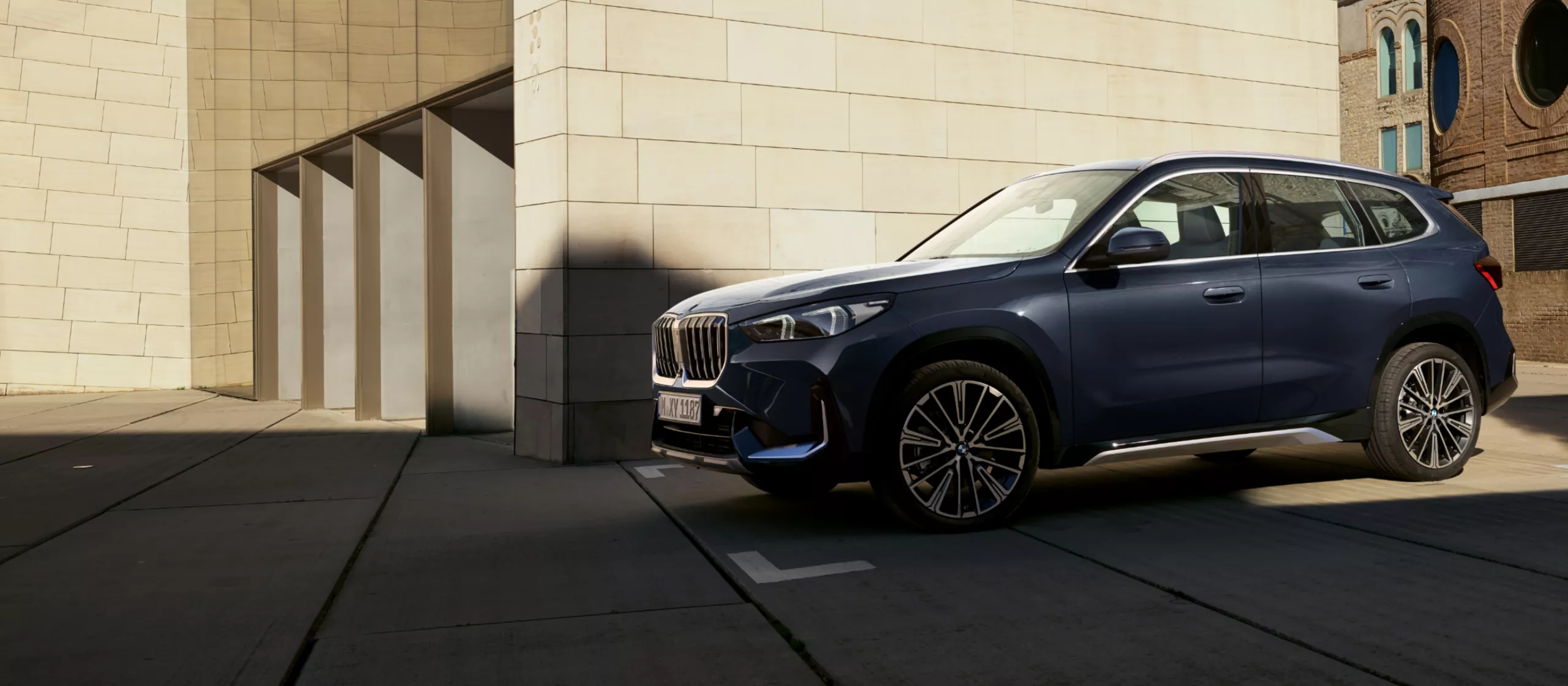
BMW 2 Series Active Tourer
- EV Range:
- 95 km
- Battery:
- 16.3 kWh
- Total Power:
- 326 HP
- Charge Time:
- 3.5h AC
- Weight:
- 1845 kg
- Engine:
- 1.5L
- ICE Power:
- 217 HP
- Consumption:
- 1.8 L/100km
- EV Range:
- 95 km
- Battery:
- 16.3 kWh
- Total Power:
- 326 HP
- Charge Time:
- 3.5h AC
- Engine:
- 1.5L
- ICE Power:
- 217 HP
- Consumption:
- 1.8 L/100km
Latest PHEV News
Latest plug-in hybrid vehicle news, reviews and market analysis from Europe
Transport & Environment (T&E) 2026 Report: Real-World PHEV Emissions 6x Higher Than Official Tests — Utility Factor & Fleet Tax Deep Dive
A landmark 40-page report by Transport & Environment (T&E) using official EEA OBFCM real-world data reveals 2024 PHEVs emit 146 g CO2/km—nearly 6 times their official WLTP rating. We analyze the upcoming Nov 2026/2027 Utility Factor (UF) correction, the 71% corporate fleet loophole, power-ratio dynamics, and radical proposals including a 15-litre fuel tank limit.
PHEV Weekly Roundup (18 - 25 October 2026): Double-Digit European Market Share, 200 km Range Titans & Major Recalls
All key PHEV developments from 18-25 October 2026: ACEA September record (10.1% market share), 41.2 kWh Volvo XC60 Long-Range, 2027 Lexus NX, 2.15M VW steering rack recall, the €21,000 BYD Dolphin G DM-i, and sub-zero winter range telemetry.
Official EU Safety Gate Recall for Volkswagen (48VS / KBA 17016R): 2.15M Vehicles Affected — Full Model Breakdown
Official EU Safety Gate bulletin SR/02935/26 (KBA 17016R / VW 48VS) covers steering rack bolt shear across 2.15M MQB vehicles. Full model breakdown (Golf 7 including GTE, Caddy, Touran, Tiguan, Atlas) and deep engineering analysis for Tiguan eHybrid and Golf GTE.
Official EU Safety Gate Recall for Ford Ranger (26C39 / SR/02999/26): Covers Entire T6.2 Chassis Including Diesel, Petrol & Ranger PHEV
The European Commission Safety Gate network has issued official recall SR/02999/26 for the Ford Ranger. Regardless of powertrain, this campaign covers all T6.2 (2AB) chassis built between 2023 and 2026—including Diesel, Petrol, and the new Ranger PHEV—addressing B-pillar trim detachment and airbag deployment defects.
Frequently Asked Questions
Everything you need to know about plug-in hybrid electric vehicles
What is a Plug-in Hybrid Electric Vehicle (PHEV)?
A PHEV combines a traditional internal combustion engine with an electric motor and a rechargeable battery. You can drive on electric power alone for short distances, then switch to the gasoline engine for longer trips.
How far can I drive on electric power alone?
Most PHEVs offer 30-100 km of electric range, depending on the model and battery size. Our range simulator helps you understand real-world performance based on driving conditions and temperature.
How long does it take to charge a PHEV?
Charging times vary by model and charger type. Most PHEVs can be fully charged in 2-4 hours using a home wallbox, or 30-60 minutes at a public DC fast charger.
Are PHEVs more expensive than regular cars?
PHEVs typically cost more upfront than conventional vehicles, but you can save money on fuel costs and may qualify for government incentives. Our price comparison tool helps you find the best value.
Which PHEV brands are available in Europe?
We compare PHEVs from 30 premium brands including BMW, Mercedes-Benz, Audi, Volkswagen, Toyota, Volvo, and many more. All models are available in European markets.