Official EU Safety Gate Recall for Ford Ranger (26C39 / SR/02999/26): Covers Entire T6.2 Chassis Including Diesel, Petrol & Ranger PHEV
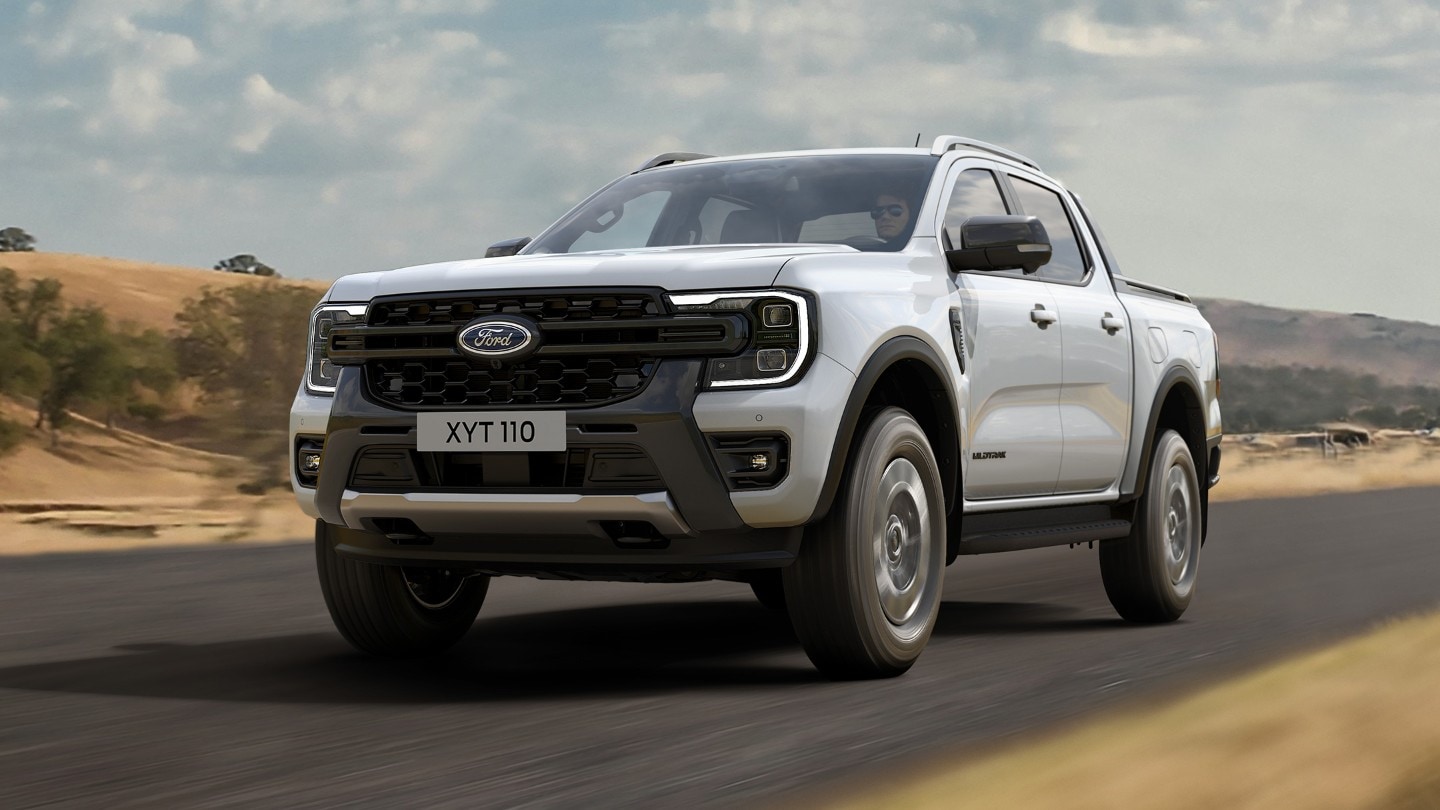
The European Commission Safety Gate network has issued official recall SR/02999/26 for the Ford Ranger. Regardless of powertrain, this campaign covers all T6.2 (2AB) chassis built between 2023 and 2026—including Diesel, Petrol, and the new Ranger PHEV—addressing B-pillar trim detachment and airbag deployment defects.
The European Commission's rapid alert system for dangerous non-food consumer products, Safety Gate (formerly RAPEX), has published a critical safety recall regarding the Ford Ranger model family in its October 2026 bulletin.
Officially registered under alert reference SR/02999/26, the campaign carries Ford's internal service recall code 26C39. The notification was formally submitted by the German Federal Motor Transport Authority (KBA) and subsequently applied in France and across all European Union / EEA member states.
[!IMPORTANT]
Key Clarification: This safety recall is not isolated to a specific powertrain. It covers ALL Ford Ranger bodies built between 13 January 2023 and 24 June 2026 sharing the T6.2 platform and2ABtype approval, including EcoBlue Diesel, EcoBoost Petrol, Raptor, and the new Ranger PHEV (Plug-in Hybrid).
In this technical analysis, we address the recall across two core dimensions:
- The specifics of alert SR/02999/26 (Ford 26C39) and how this chassis-wide recall directly applies to the Ranger PHEV.
- How the EU Safety Gate system functions across PHEV and electrified vehicles.
1. Specific Bulletin Details (SR/02999/26) & Relation to the Ranger Family
- Covered Vehicle & Code: Ford Ranger, internal manufacturer recall code 26C39.
- Type Approval & Production Dates:
e5*2007/46*0080*16 (2AB)type approval, manufactured between 13 January 2023 and 24 June 2026. - Nature of the Defect: The side airbag may not deploy correctly, and the B-pillar interior panelling may become detached during deployment. Additionally, the head airbag may not adequately protect front seat occupants (injury risk).
- Scope Across All Powertrains (Including PHEV): This defect does not originate in the engine, hybrid transmission, or battery. It is localized strictly within the cabin passive restraint architecture and B-pillar trim fixtures. Because the Ford Ranger PHEV is built upon the identical generation T6.2 (
2AB) platform and shared cabin safety cell, all Ranger bodies within this batch fall directly within the bulletin's scope.
Official Safety Gate Bulletin (SR/02999/26) Data Table
| Parameter | Official EU Safety Gate Data |
|---|---|
| Alert Number | SR/02999/26 |
| Manufacturer Recall Code | 26C39 |
| Notifying Country | Germany (KBA) |
| Measures Taken In | France and EU/EEA-wide |
| Brand & Model | Ford Ranger (Entire T6.2 Platform) |
| EC-Type Approval | e52007/460080*16 (2AB) |
| Production Window | 13.01.2023 – 24.06.2026 |
| Country of Origin | United States |
| Risk Category | Injuries / Passive Safety Non-Compliance |
| Legal Framework | Regulation (EU) on Vehicle Approval and Market Surveillance |
| Entry into Force | 08 October 2026 |
Engineering Analysis: B-Pillar Trim Detachment & Airbag Kinematics
The official Safety Gate risk description states:
"The side airbag may not deploy correctly, and the B-pillar panelling may become detached during deployment. In addition, the head airbag may not adequately protect occupants in certain front seating positions. These could reduce occupant protection in the event of a collision and increase the risk of injury."
From a crashworthiness perspective:
- Trim Detachment Hazard: During lateral impacts, side thorax airbag deployment causes an instantaneous pressure wave along the B-pillar. In affected vehicles, retaining clips fail under this shock, detaching the inner plastic panelling and turning it into an uncontrolled cabin projectile.
- Curtain Airbag Kinematic Misalignment: The trim dislodgement disrupts the deployment corridor of the roof curtain airbag. Front occupants in certain seating positions (extreme forward or rearward slider positions) fail to contact the primary cushion zone, risking direct contact with hard structural members.
Why the Entire T6.2 Platform is Covered
The Ford Ranger uses a unified cab structure across its entire lineup. Whether fitted with a 2.0L EcoBlue diesel, a 3.0L V6, a Raptor twin-turbo petrol, or the 2.3L EcoBoost Ranger PHEV, the structural cab stampings, B-pillars, and interior trims are identical. Therefore, the recall applies uniformly to all models sharing the 2AB type approval.
2. How the Safety Gate System Operates for PHEVs
Safety Gate is the European Union's most authoritative rapid alert network ensuring vehicles meet stringent safety standards. In plug-in hybrids, recalls typically fall into 4 principal domains:
- High-Voltage & Battery Cell Hazards: Manufacturing burrs, internal cell short-circuits, and thermal runaway risks (e.g. Ford Kuga PHEV 24S67, BMW, and Stellantis campaigns).
- Charging Systems & Insulation: On-Board Charger (OBC) overheating, Type 2 charging port sealing, and chassis leakage currents.
- Software & Loss of Motive Power: Hybrid Control Unit (HCU/ECU) calibration errors causing unexpected drop in tractive effort during ICE-to-EV transitions (such as the Toyota RAV4 PHEV 26TA22 recall).
- Passive Safety (As in this Ranger Report): How additional hybrid battery mass and chassis torsional dynamics affect airbag sensor timing, deployment corridors, and interior trim integrity.
3. Action Guide for Ford Ranger & Ranger PHEV Owners
- Verify Your VIN: Check your 17-digit VIN on the official Ford Recall Portal or national vehicle authority database.
- Quote Campaign Code
26C39: Reference official Safety Gate Alert SR/02999/26 / Ford Code 26C39 when speaking with your authorized dealership. - Free Workshop Remedy: Certified Ford technicians replace B-pillar interior fasteners with reinforced clips and inspect side/curtain airbag clearance. The procedure takes approximately 1 hour and is performed completely free of charge.
We maintain real-time tracking of manufacturer campaigns in our PHEV Software & Safety Tracker.
What is the Real-World Range of the Ford Ranger?
Official WLTP ratings are measured in a controlled 23°C laboratory. Test how winter sub-zero temperatures (-10°C), sustained 130 km/h highway speeds, and terrain elevation impact actual battery range on your specific commute.
Stay Ahead on Next-Gen PHEV Releases & OTA Updates
Get notified when new European plug-in hybrid models premiere, along with real-world range benchmarks, battery chemistry insights, and software update breakdowns.
Related Models
Technical specs and live range simulations for models featured in this report
 60 km EV
Ranger
60 km EV