Transport & Environment (T&E) 2026 Report: Real-World PHEV Emissions 6x Higher Than Official Tests — Utility Factor & Fleet Tax Deep Dive
A landmark 40-page report by Transport & Environment (T&E) using official EEA OBFCM real-world data reveals 2024 PHEVs emit 146 g CO2/km—nearly 6 times their official WLTP rating. We analyze the upcoming Nov 2026/2027 Utility Factor (UF) correction, the 71% corporate fleet loophole, power-ratio dynamics, and radical proposals including a 15-litre fuel tank limit.
Introduction: A 40-Page Regulatory Earthquake from Brussels
On 15 October 2026, Transport & Environment (T&E), Europe's foremost clean transport research group, published a comprehensive and damning 40-page report: "Still smoking: the PHEV emissions scandal continues".
Unlike theoretical lab tests, T&E's findings are anchored in real-world On-Board Fuel Consumption Monitoring (OBFCM) black-box telemetry collected by the European Environment Agency (EEA) from hundreds of thousands of vehicles operating across European roads.
The empirical conclusions are indisputable: 2024 model-year plug-in hybrid electric vehicles (PHEVs) emit nearly six times more CO₂ in the real world than official WLTP tests claim (6.1x unweighted, 5.3x sales-weighted). While official WLTP type-approval figures average 24 g CO₂/km, real-world driving produces an average of 146 g CO₂/km.
Below, the PHEVs.eu Engineering and Regulatory Desk presents an in-depth breakdown of T&E's empirical data, the upcoming Utility Factor (UF) revision, the 71% corporate fleet distortion, and how next-gen automotive engineering is responding.
⚡ Executive Key Data Points from the T&E 2026 Report
- The Real-World Gap: 2024 PHEVs average 146 g CO₂/km on European roads compared to an official WLTP value of 24 g/km (a 6.1-fold discrepancy).
- Marginal Climate Advantage: Against traditional petrol/diesel vehicles (169 g/km real-world), PHEVs deliver just a 14% real-world CO₂ reduction, far from the advertised 83% WLTP benefit.
- Electric Driving Share: PHEVs operate in 100% pure-electric mode for only 27% of total kilometers driven.
- Charge-Depleting (CD) Mode Emissions: Even when depleting the high-voltage battery, the combustion engine fires up 32% of the time, resulting in 63 g CO₂/km (10 times higher than the 6 g/km WLTP lab metric).
- The Fuel Cost Shock: Drivers spend €680/year more on fuel than official figures suggest (€1,810/year real-world vs €1,130/year WLTP).
- Corporate Fleet Dominance: Companies account for 71% of all new PHEV registrations in the EU. In 19 Member States, the annual company car tax gap between a PHEV and a BEV is under €1,000.
1. The "Longer Range Paradox": Why Gaps Widen with Bigger Batteries
One of T&E's most significant findings is that longer electric range does not inherently translate into narrower emissions gaps.
Between 2021 and 2024, the average electric range of new PHEVs sold in Europe expanded from 58 km to 75 km, with models offering >70 km jumping from 13% to 49% of the market. However, when comparing real-world OBFCM data against official values under the corrected November 2026/27 Utility Factor, the gap actually widens as range increases:
- 0 – 50 km range: +30% gap
- 50 – 70 km range: +35% gap
- 70 – 90 km range: +49% gap
- 90 – 110 km range: +55% gap
- > 110 km range: +60% gap!
Why Are Longer-Range PHEVs Over-Emitting?
- Added Curb Weight and Engine Power: Vehicles exceeding 70 km of electric range are on average 13% heavier and feature combustion engines with 23% more power.
- High Charge-Sustaining (CS) Penalty: When the battery is depleted, these heavy SUVs emit an average of 200 g CO₂/km in CS mode (up 8% from 186 g/km in 2021).
- Unplugged Corporate Fleets: A long-range luxury SUV driven primarily on petrol behaves like an overweight internal combustion vehicle, negating its battery completely.
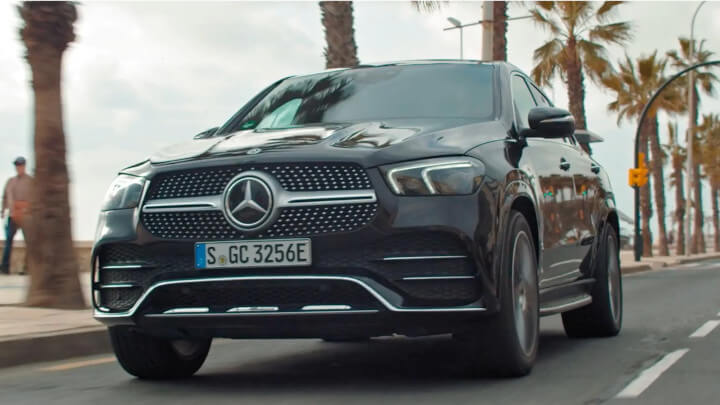
Worst Performers: Mercedes-Benz and Renault Group registered real-world emissions more than 6 times higher than official figures. In 2024, the vehicle with the longest electric range on sale, the Mercedes-Benz GLC PHEV (121.5 km WLTP), recorded a 60% real-world gap against the corrected 11.2026/27 UF.
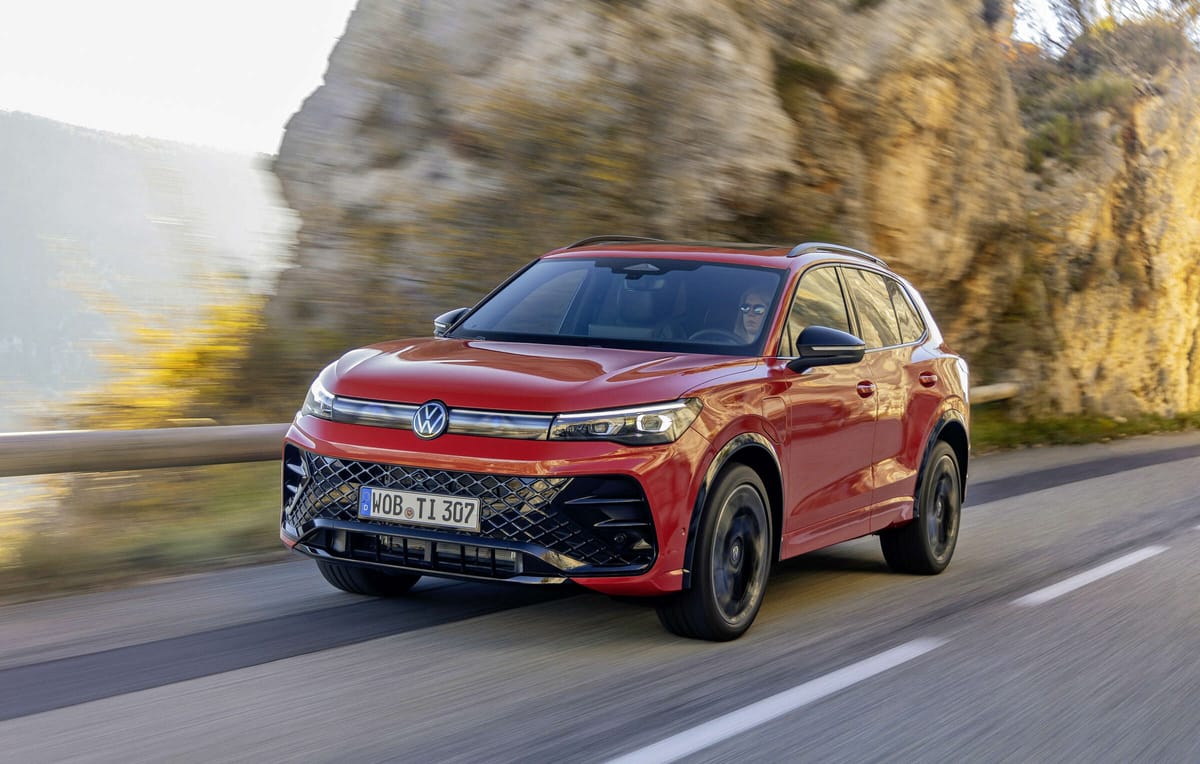
What is the Real-World Range of the Volkswagen Tiguan eHybrid (2024+)?
Official WLTP ratings are measured in a controlled 23°C laboratory. Test how winter sub-zero temperatures (-10°C), sustained 130 km/h highway speeds, and terrain elevation impact actual battery range on your specific commute.
2. The Power Ratio: Why the BYD Seal U Outperformed European Rivals
T&E identified that the single most reliable predictor of real-world emissions performance is the Electric-to-Combustion Power Ratio:
| Power Ratio Category | Real-World Emissions | Charge-Depleting (CD) Emissions | Vehicle Dynamic Profile |
|---|---|---|---|
| Low (< 0.5) | 227 g CO₂/km | 158 g CO₂/km | Weak e-motor, oversized ICE (frequent kickdown) |
| 0.5 – 0.75 | 137 g CO₂/km | 52 g CO₂/km | Legacy European European parallel hybrid |
| 0.75 – 1.00 | 127 g CO₂/km | 52 g CO₂/km | Balanced parallel setup |
| 1.00 – 1.25 | 129 g CO₂/km | 54 g CO₂/km | Near-equivalent power sizing |
| High (> 1.25) | 108 g CO₂/km | 28 g CO₂/km | Dominant electric drive, ICE acts as generator |
The BYD Seal U Benchmark
In 2024, the model with the highest power ratio in Europe was the BYD Seal U DM-i (1.64 power ratio). Operating on a series-parallel architecture where a potent electric motor handles primary drive, the Seal U achieved a mere 20% gap between real-world and corrected WLTP emissions, emitting only 28 g CO₂/km in electric/CD modes.
3. The Utility Factor (UF) Battle: Euro 6e-bis & Euro 7
The European Commission is correcting the Utility Factor (UF) curve in two phases:
- Pre-2025 UF: Assumed a 100 km range PHEV drove 90% of its distance on electricity.
- 1st Step (2025/2026 Euro 6e-bis): Assumes 67% (two-thirds) electric driving.
- 2nd Step (29 Nov 2026 new types / 29 Nov 2027 all sales): Aligns with real-world OBFCM data, assuming 44% electric driving.
The Political Fight: Freezing the UF?
Automotive lobbyists and EPP rapporteur Massimiliano Salini have pushed to freeze the UF at 2025 levels. T&E's modeling shows that freezing the UF would:
- Knowingly underestimate PHEV real-world emissions by 56%.
- Reduce EU BEV market share by 13 percentage points in 2030 and 18 percentage points in 2035, delaying fleet decarbonization.
- Run counter to global policy: China officially adopted a revised UF curve in May 2026 (taking effect 1 Jan 2028) capping the UF curve at 88% and eliminating PHEV/EREV tax breaks.
4. How Automakers Are Engineering Their Way Below 50 g/km
European manufacturers have already begun responding to the 2025 UF update:
- Models sold without upgrades saw official emissions triple from 20 to 58 g CO₂/km, crossing the punitive 50 g/km tax threshold.
- Automakers that upgraded their powertrains expanded average battery capacity from 14 kWh to 24 kWh (+68%), boosting electric range from 63 km to 117 km (+85%).
- At
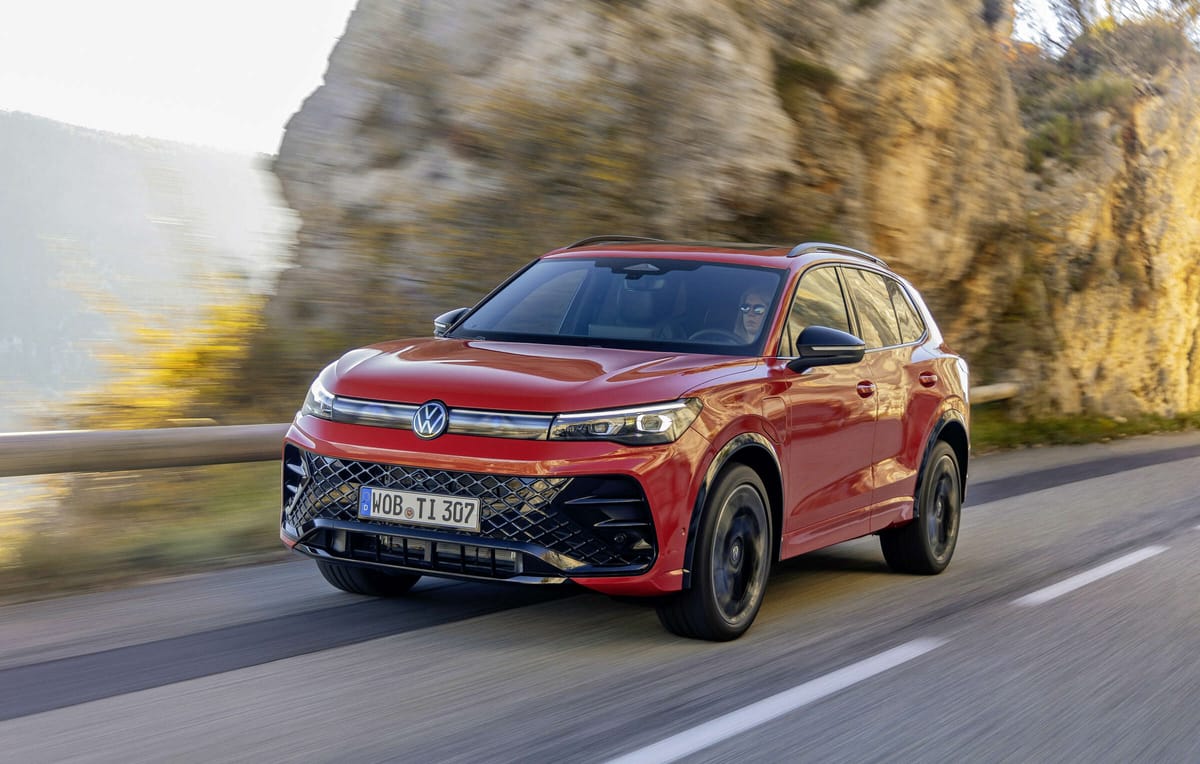
€107/kWh for NMC cells, this battery upgrade added only **€1,000 (2%)** to vehicle MSRP. - Models like the Volkswagen Tiguan eHybrid (119 km, 36 g/km) and Cupra Formentor (114 km, 32 g/km) successfully offset 90% of the UF regulatory increase.
Projected Electric Range Needed to Maintain <50 g CO₂/km in 2030:
- Volkswagen Tiguan (C-SUV): 165 km
- Toyota C-HR (C-Crossover): 139 km
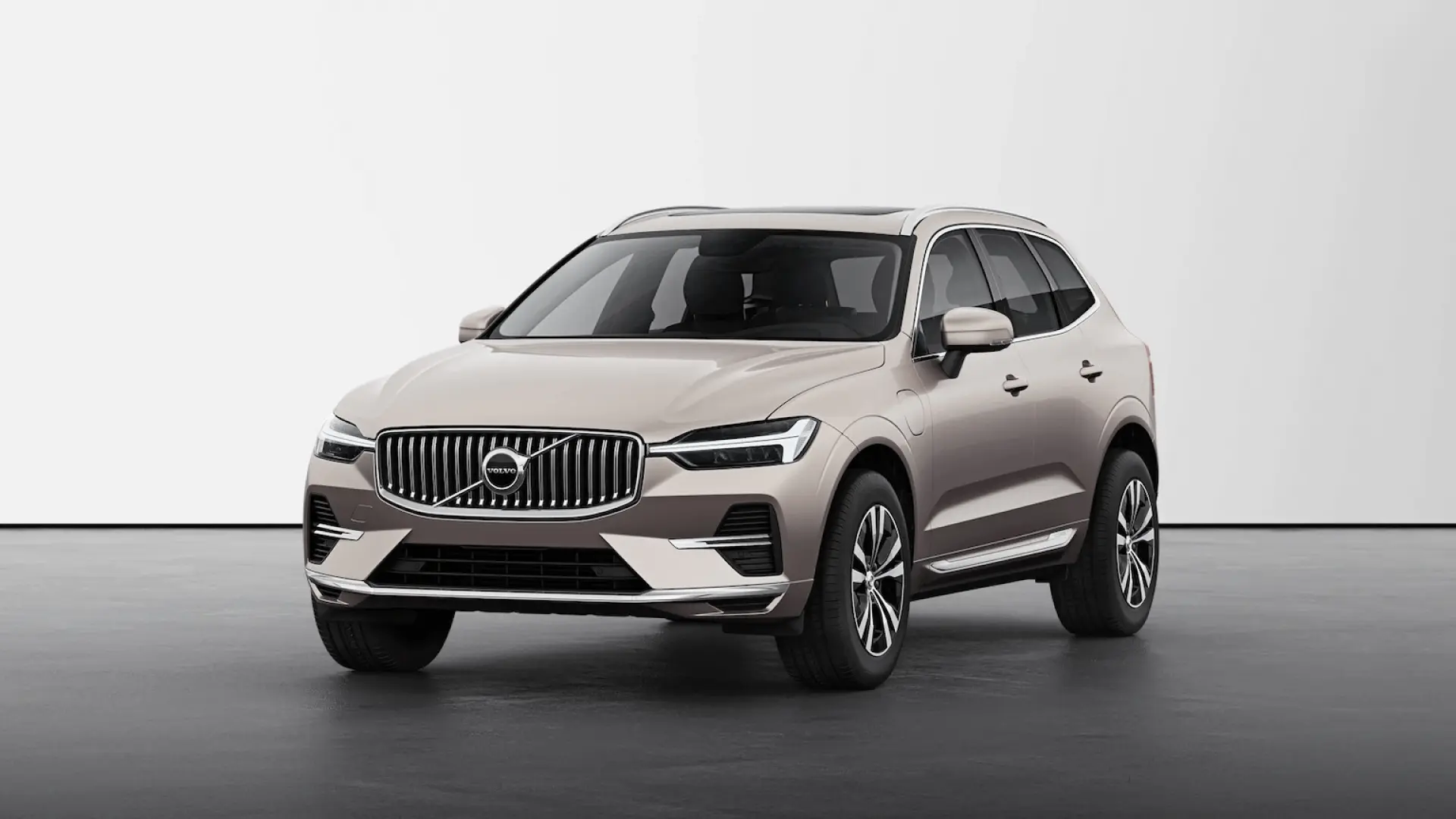
- Volvo XC60 (D-SUV): 220 km
- Toyota RAV4 (D-SUV): 176 km
- BMW 5 Series (E-Sedan): 199 km
- Mercedes-Benz E-Class (E-Sedan): 179 km
5. Fleet Taxation & T&E's Radical Policy Recommendations
With corporate buyers accounting for 71% of European PHEV registrations, T&E calls for an end to indiscriminate subsidies and outlines four strict technological mandates:
- Electric-to-ICE Power Ratio of At Least 3:1: The electric motor must deliver at least three times the power of the engine to guarantee full electric operation under all loads.
- Mandatory >100 kW DC Fast Charging: Enabling rapid replenishment on motorways and urban hubs.
- Maximum Fuel Tank Capacity of 15 Litres: Limiting fuel tank size prevents drivers from treating PHEVs as petrol cars without ever plugging in.
- Minimum 200 km Real-World Range by 2030: Ensuring a typical 30 km daily commute can be covered for an entire week on a single charge.
Summary & Strategic Outlook
Transport & Environment's 2026 report draws a definitive line between legacy compliance PHEVs and next-generation electrified vehicles. Vehicles with small batteries, underpowered electric motors, and no DC charging face regulatory obsolescence under Euro 6e-bis and Euro 7.
Conversely, vehicles engineered with high power ratios, large 25–40 kWh batteries, and native DC fast charging represent the true bridge toward sustainable long-distance mobility.
- 💶 Calculate your national Euro 6e-bis tax liability: PHEVs.eu Tax Simulator
- ⚡ Simulate real-world cold-weather range: PHEVs.eu Range Calculator
- 📄 Download the official report: Transport & Environment (T&E) - Still smoking: the PHEV emissions scandal continues (PDF)
Stay Ahead on Next-Gen PHEV Releases & OTA Updates
Get notified when new European plug-in hybrid models premiere, along with real-world range benchmarks, battery chemistry insights, and software update breakdowns.
Related Models
Technical specs and live range simulations for models featured in this report
125 km EVTiguan eHybrid (2024+)
 80 km EV
XC60
 105 km EV