Mitsubishi Outlander PHEV (2025/2026) In-Depth Review & Buyer's Guide: 22.7 kWh Battery, S-AWC 4WD, CHAdeMO Reality & Old vs. New Comparison
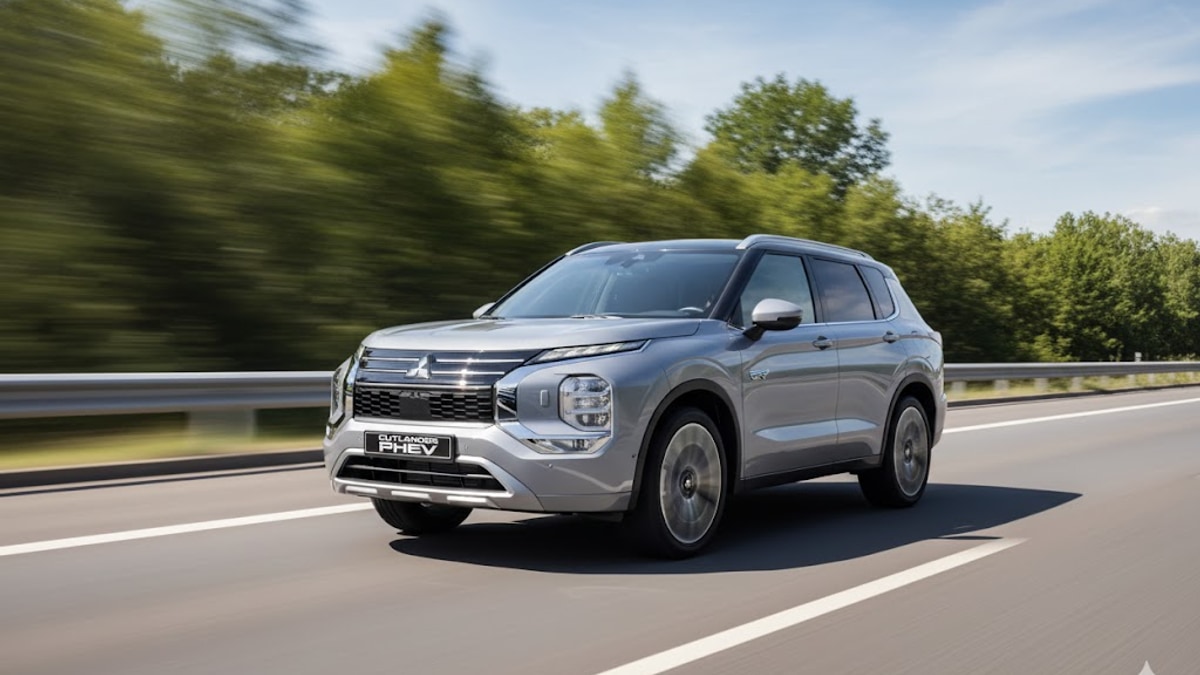
Europe's all-time best-selling plug-in hybrid SUV returns: The 2025/2026 Mitsubishi Outlander PHEV. In-depth analysis of its 22.7 kWh battery, 86 km EV range, rally-bred S-AWC 4WD, CHAdeMO motorway reality, and 2018–2021 comparison.
Introduction: The European Pioneer Returns — Mitsubishi Outlander PHEV (2025/2026)
When it first launched on European shores back in 2013, it practically created the plug-in hybrid SUV segment single-handedly. With over 200,000 units sold across the continent, holding the title of Europe's all-time best-selling plug-in hybrid, the legendary pioneer is officially back: The New-Generation Mitsubishi Outlander PHEV (2025/2026).
Following a temporary European hiatus driven by emissions standards and alliance realignments, Mitsubishi has completely re-engineered its flagship D-segment SUV for the European market. Built on the advanced CMF-CD modular architecture, the fourth-generation Outlander PHEV reclaims the performance crown with a 22.7 kWh gross battery capacity, 86 km of pure-electric WLTP range, 306 hp (225 kW) total system output, and an evolved rally-bred S-AWC (Super All Wheel Control) twin-motor electric all-wheel-drive system.
Yet alongside this cutting-edge powertrain, the new Outlander PHEV brings an intriguing and controversial legacy feature to European motorways: a CHAdeMO DC fast-charging port.
In this comprehensive in-depth review and buyer's guide, we break down the 2025/2026 engineering architecture, explore the real-world snow and mud capabilities of S-AWC, evaluate the highway reality of CHAdeMO charging, deliver a comprehensive Old vs. New comparison table against the 2018–2021 generation, and outline essential used-buyer battery inspection tips.
Explore the complete technical specification on our Mitsubishi Outlander PHEV (2025) model page.
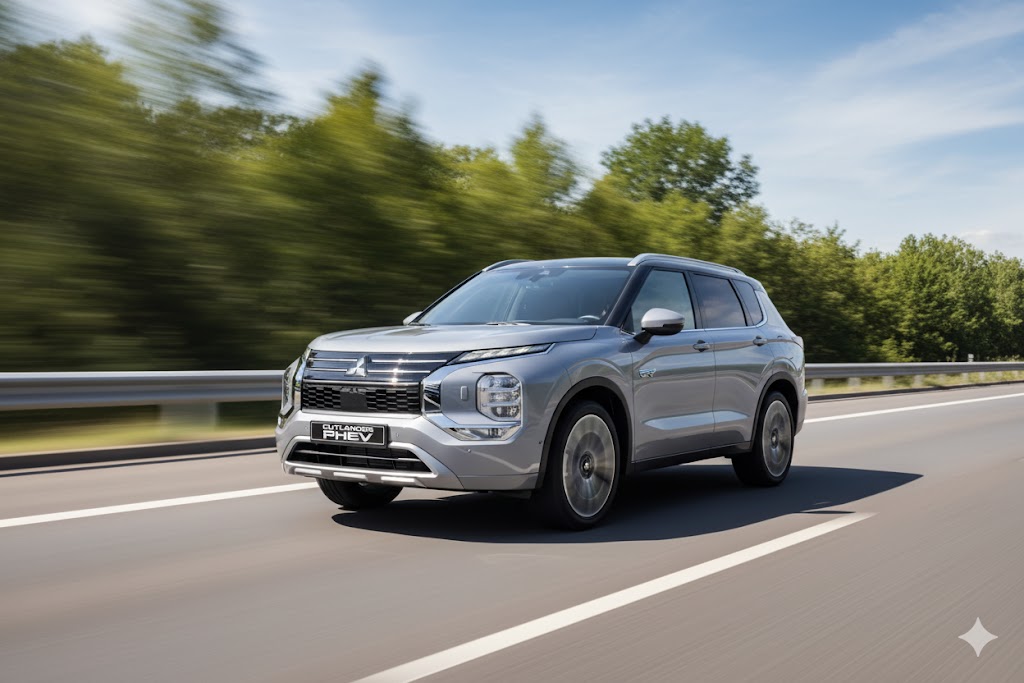 2025
Outlander PHEV (2025)
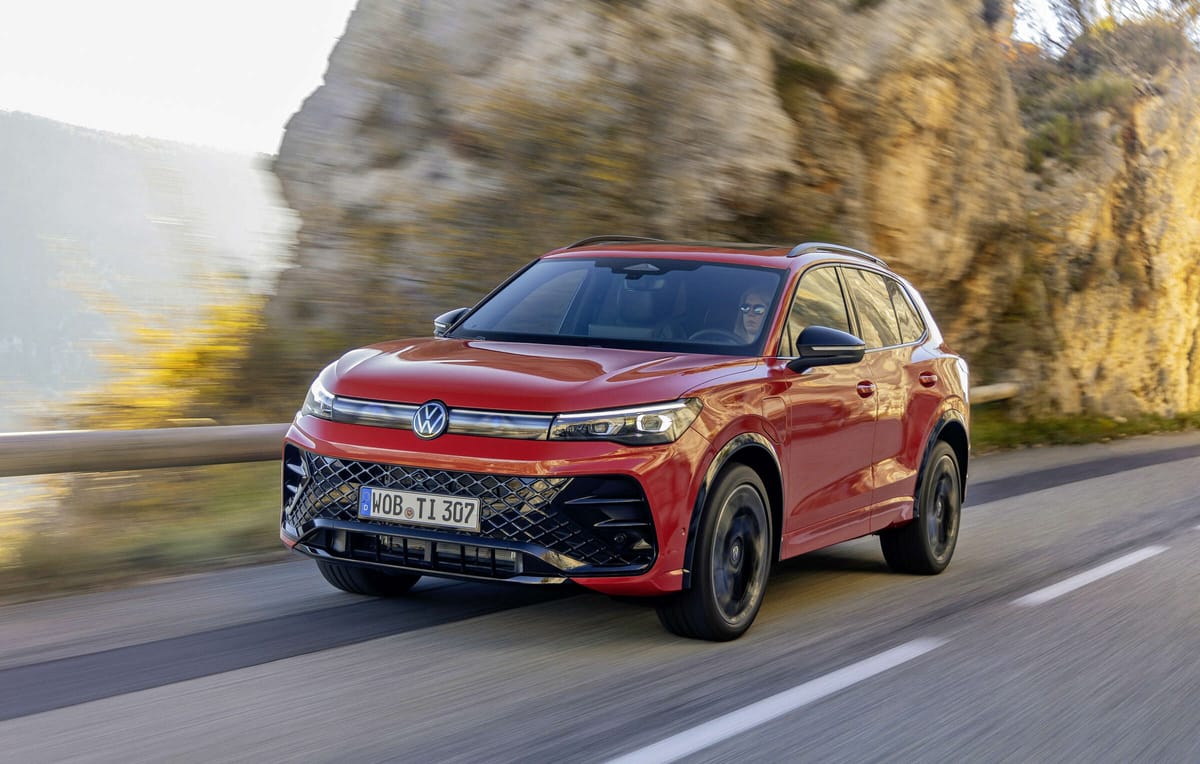 2025🏆 125 km EV
Tiguan eHybrid (2024+)
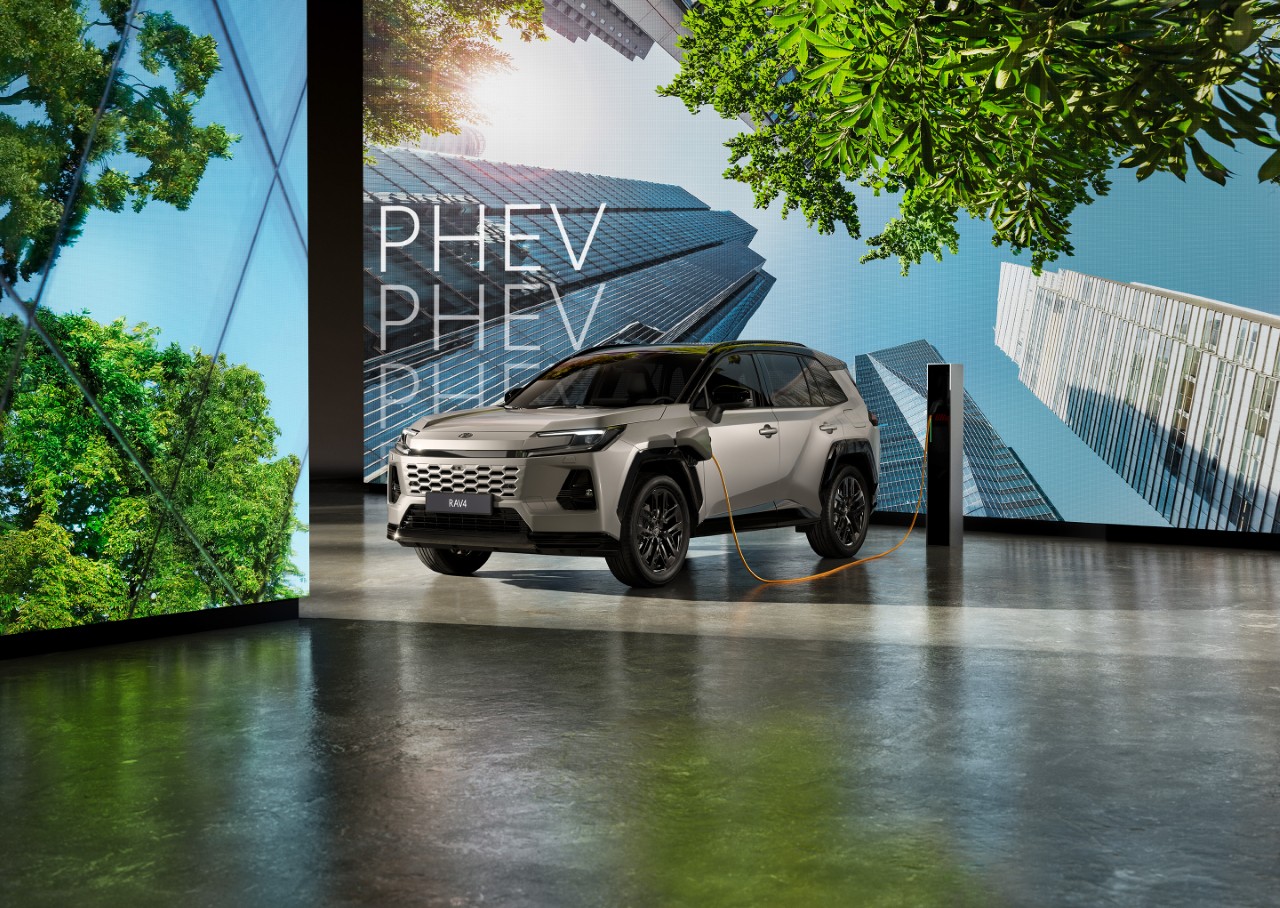 2026
RAV4 Plug-in Hybrid (2026)
New 2025/2026 Architecture: 2.4L MIVEC, 22.7 kWh Battery & 306 hp System Power
The 2025/2026 Outlander PHEV elevates Mitsubishi’s proven series-parallel hybrid blueprint to flagship sophistication. The powertrain coordinates three primary propulsion units:
- 2.4-Litre Atkinson/MIVEC Petrol Engine: A 2,360 cc naturally aspirated 4-cylinder unit producing 136 hp (100 kW) and 203 Nm of torque running an ultra-efficient Atkinson thermodynamic cycle. In normal driving, it functions primarily as an onboard generator to recharge the high-voltage battery; at high motorway cruising speeds, an electronic hydraulic clutch locks the engine directly to the front axle in parallel hybrid mode.
- Front Axle Electric Motor: A permanent-magnet synchronous motor delivering 85 kW (116 hp) and 255 Nm of instant torque.
- Rear Axle Electric Motor: A dedicated, independent rear motor producing 100 kW (136 hp) and 195 Nm of torque.
| Powertrain & Performance Metric | Mitsubishi Outlander PHEV (2025/2026) |
|---|---|
| Total System Power | 306 hp (225 kW) |
| Instant Motor Torque | Front: 255 Nm / Rear: 195 Nm (Permanent e-Distribution) |
| 0–100 km/h (0–62 mph) Acceleration | 7.9 seconds |
| Top Speed | 170 km/h (Pure Electric Max: 135 km/h / 84 mph) |
| Battery Capacity (Gross / Usable Net) | 22.7 kWh / 19.1 kWh (Lithium-ion, 350V) |
| WLTP Pure Electric Range | 86 km (53 miles) (City WLTP: 108 km / 67 miles) |
| Fuel Tank Capacity | 53 Litres (Enlarged from 45 litres in previous gen) |
| Total Combined Touring Range | 840+ km (520+ miles) |
| Homologated Fuel Consumption & CO2 | 0.8 L/100 km — 18-19 g/km CO2 |
Packaging the 22.7 kWh floor-mounted battery within the CMF-CD platform substantially lowers the vehicle's center of gravity while enhancing torsional rigidity by 33%. Coupled with the 53-litre fuel tank, the vehicle delivers effortless long-distance cross-country cruising even after the battery is fully depleted.
Test the real-world electric range across varying ambient temperatures and driving speeds using our interactive tool:
What is the Real-World Range of the Mitsubishi Outlander PHEV (2025)?
Official WLTP ratings are measured in a controlled 23°C laboratory. Test how winter sub-zero temperatures (-10°C), sustained 130 km/h highway speeds, and terrain elevation impact actual battery range on your specific commute.
S-AWC (Super All Wheel Control) Advantage: Real 4WD Dominance in Snow & Mud
Many contemporary plug-in hybrid SUVs market "all-wheel drive" simply by adding a low-powered electric motor to the rear axle, functioning only intermittently when front slippage occurs. Mitsubishi's rally-developed S-AWC (Super All Wheel Control) architecture operates on an entirely higher level:
- Propeller-Shaft-Free Independent Dual Motors: Front (85 kW) and rear (100 kW) axles have zero mechanical connection. Torque distribution between axles is calculated dynamically by an advanced central ECU in milliseconds.
- Active Yaw Control (AYC): Directly inherited from the iconic Lancer Evolution, AYC applies selective brake vectoring and differential torque control to individual wheels across both front and rear axles, physically rotating the chassis into corners on slippery roads.
- 7 Dedicated Drive Modes: Drivers can select between Normal, Eco, Power, Tarmac (Dry road agility), Gravel (Unpaved stability), Snow (Ice and packed snow), and Mud (Deep ruts and loose soil).
Competitive AWD Off-Road & Winter Benchmark:
- Volkswagen Tiguan eHybrid: Only available in front-wheel drive (FWD) in its latest generation; severely handicapped on steep icy inclines or heavy winter slush.
- Toyota RAV4 PHEV (E-Four): Employs a modest 40 kW (54 hp) rear electric motor. When starting on steep snow ramps, the rear axle lacks sufficient torque to prevent the front wheels from spinning excessively.
- BYD Seal U DM-i AWD: Software calibration prioritizes urban comfort over aggressive traction; in diagonal axle articulation tests, wheel spin management reacts noticeably slower than S-AWC.
- Mitsubishi Outlander S-AWC: The rear motor (100 kW) is more powerful than the front motor (85 kW). In "Snow" or "Mud" modes, the system virtually simulates a 50:50 center differential lock with instant millisecond torque response, delivering benchmark traction in alpine conditions.
The European Bottleneck: The CHAdeMO DC Charging Port & Motorway Reality
The most debated engineering choice on the European-specification 2025/2026 Outlander PHEV is its charging port configuration:
- AC Charging Port (Rear Right Flank): Standard Type 2 Mennekes supporting single-phase charging up to 3.7 kW (16A). Recharging the 22.7 kWh battery from empty to 100% via a domestic Wallbox requires approximately 6.5 hours. It does not support 7.4 kW or 11 kW AC charging.
- DC Fast Charging Port (Rear Left Flank): Mitsubishi has retained the Japanese CHAdeMO port on the European model. It accepts up to 50 kW DC (practically 22–30 kW on a 350V pack), replenishing 10% to 80% State-of-Charge in approximately 38 minutes.
[!WARNING]
European DC Infrastructure Warning (The Phase-Out of CHAdeMO):
Under the European Union’s Alternative Fuels Infrastructure Regulation (AFIR), new high-power DC public charging hubs are only mandated to install CCS2 connectors. Major motorway charging networks—such as IONITY, Tesla Open Superchargers, and Fastned—no longer install CHAdeMO plugs on new corridors and are gradually decommissioning existing dual-standard stalls. Locating an available, functional CHAdeMO plug during peak holiday travel is becoming increasingly difficult across Western and Central Europe.
Motorway Touring Strategy with CHAdeMO:
- On long-distance continental journeys, searching and waiting for a rare CHAdeMO charger is inefficient. The optimal strategy is to run the vehicle in Series/Parallel Hybrid Mode, relying on the 2.4-litre petrol engine and 53-litre tank.
- Reserve electrical charging for overnight stays or office hours via standard Type 2 AC (3.7 kW), effectively bypassing public DC infrastructure entirely.
Old Generation (2018–2021 2.4 MIVEC) vs. New Generation (2025/2026): In-Depth Comparison
For buyers weighing the brand-new 2025/2026 model against the attractively priced used 2018–2021 facelift generation (equipped with the updated 2.4L MIVEC engine), the technical leaps are substantial:
| Technical & Equipment Feature | Old Generation (2018–2021) 2.4 MIVEC | New Generation (2025/2026) 4th Gen |
|---|---|---|
| Platform Architecture | GS Platform (Older structural rigidity) | CMF-CD Platform (+33% torsional stiffness) |
| Combined System Output | 224 hp (165 kW) | 306 hp (225 kW) (+36% increase) |
| 0–100 km/h Acceleration | 10.5 seconds | 7.9 seconds (-2.6 seconds faster) |
| Battery Capacity (Gross / Net) | 13.8 kWh / 11.6 kWh | 22.7 kWh / 19.1 kWh (+64% larger) |
| Official WLTP Electric Range | 45 km (28 miles) | 86 km (53 miles) (Nearly double) |
| Real Winter / Sub-Zero Range | 28 – 32 km (17–20 miles) | 55 – 65 km (34–40 miles) |
| Cabin Heating & Climate | Electric PTC Heater (High draw) | Multi-Circuit Variable Heat Pump |
| Highway Fuel Use @ 130 km/h (Flat Battery) | 9.5 – 10.5 L/100 km (27–30 mpg) | 8.5 – 9.2 L/100 km (31–33 mpg) |
| Fuel Tank Capacity | 45 Litres | 53 Litres |
| Cockpit & Infotainment | 8-inch basic SDA screen, analog dials | 12.3-inch Digital Cockpit + 12.3-inch Display + HUD |
| Premium Audio System | Rockford Fosgate (Old tech) | Dynamic Sound Yamaha Premium (12 speakers) |
| Seating Configuration | 5 Seats Only (Europe) | 5-Seat or Fold-Flat 7-Seat Layout |
To inspect detailed metrics for the previous generation, see our Mitsubishi Outlander PHEV (2018-2021) model archive.
Known Issues, Recall R30452 & Used Buyer Advice
Whether ordering the brand-new 2025/2026 model or inspecting a pre-owned 2018–2021 vehicle on the secondary market, keep these technical insights front of mind:
1. For New 2025/2026 Buyers: Safety Recall R30452 (Rearview Camera Glitch)
On early-production fourth-generation Outlander PHEV units, an infotainment software timing bug can cause the central screen to freeze or display a black screen when shifting into Reverse.
- The defect is officially logged under EU Safety Gate alert SR/03071/26 with manufacturer campaign code R30452.
- Authorized Mitsubishi dealerships perform a complimentary 45-minute infotainment firmware reflash to permanently resolve the issue.
For full campaign parameters and VIN lookup guidelines, read our Mitsubishi Outlander R30452 Recall Analysis.
[!NOTE]
Delivery Inspection Protocol (R30452):
When taking delivery of a new 2025/2026 Outlander PHEV or booking periodic maintenance, verify that campaign R30452 has been applied and validated within the vehicle’s digital warranty records.
2. For Pre-Owned (2018–2021) Buyers: Battery Health (SOH) & Drivetrain Checklist
[!IMPORTANT]
🛑 3 Vital Pre-Purchase Checks for Used Outlander PHEV Models:
- BMU & Battery State of Health (SOH) Verification: Older lithium-ion cell chemistries degrade over time, particularly if subjected to frequent DC rapid charging or warm summer heat. Connect a Bluetooth OBD-II scanner and use the PHEV Watchdog application to read the true SOH percentage. Batteries below 75% SOH will struggle to provide more than 25–30 km of electric range.
- DBCAM (Battery Capacity Reset) Tampering Check: Disreputable sellers occasionally perform an unauthorized BMU memory wipe, temporarily reporting an artificial 100% capacity figure until the module relearns true degradation. Request official dealer diagnostic printouts verifying legitimate battery service history.
- Transaxle Fluids & Dog-Box Clutch Servicing: Both front and rear electric transaxles and the mechanical clutch unit require fluid renewals every 5 years or 100,000 km using genuine Mitsubishi ATF-SP III fluid.
Conclusion & PHEVs.eu Verdict
The New Mitsubishi Outlander PHEV (2025/2026) occupies a unique niche in the European mid-size hybrid SUV landscape. Its CMF-CD underpinnings provide impressive chassis rigidity, the 306 hp powertrain delivers smooth, authoritative acceleration, the S-AWC system offers best-in-class snow and mud traction, and an 86 km pure-electric WLTP range covers genuine daily commutes.
- Who Should Buy It? Families residing in regions with severe winter weather, rural or mountainous terrain, and owners with dedicated home charging who refuse to compromise on true four-wheel-drive capability.
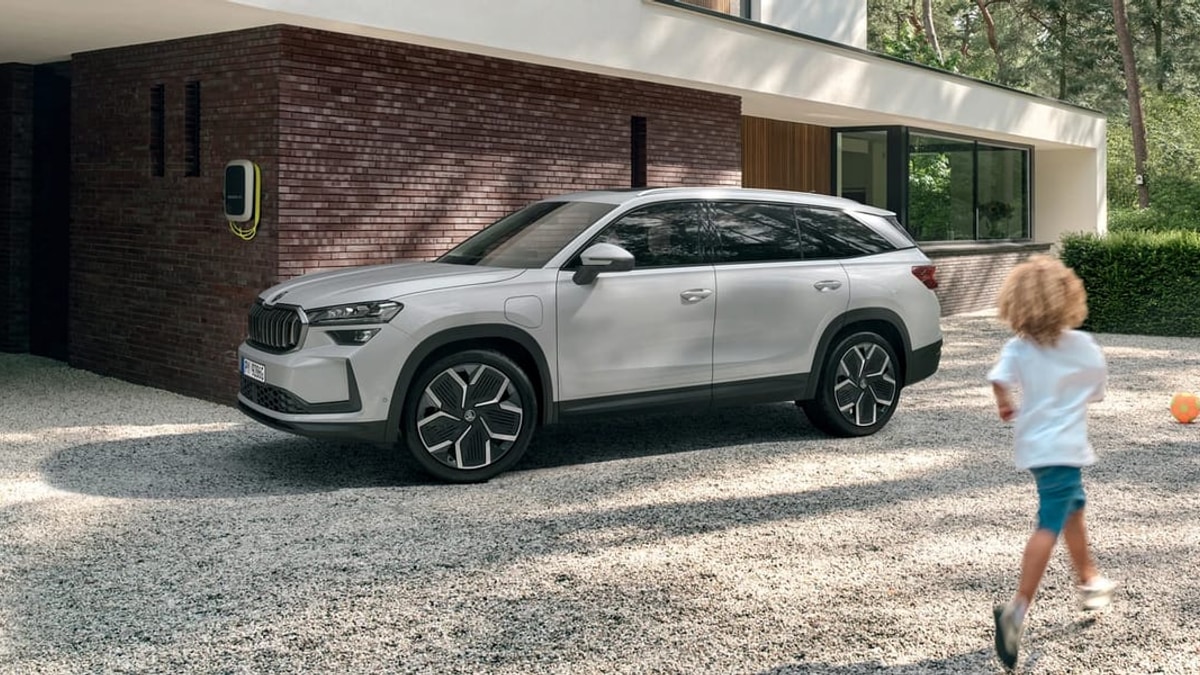
- Who Should Look Elsewhere? High-mileage motorway commuters who rely heavily on rapid en-route DC charging hubs, where the legacy CHAdeMO port becomes a frustrating bottleneck compared to CCS2 rivals like the VW Tiguan eHybrid or Skoda Kodiaq iV.
Meanwhile, the previous-generation 2018–2021 Outlander PHEV—commanding between €18,000 and €22,000 on the European used market—remains one of the most reliable and budget-friendly 4x4 family hybrids available, provided the battery SOH checks out clean.
Stay Ahead on Next-Gen PHEV Releases & OTA Updates
Get notified when new European plug-in hybrid models premiere, along with real-world range benchmarks, battery chemistry insights, and software update breakdowns.
Related Models
Technical specs and live range simulations for models featured in this report
86 km EVOutlander PHEV (2025)
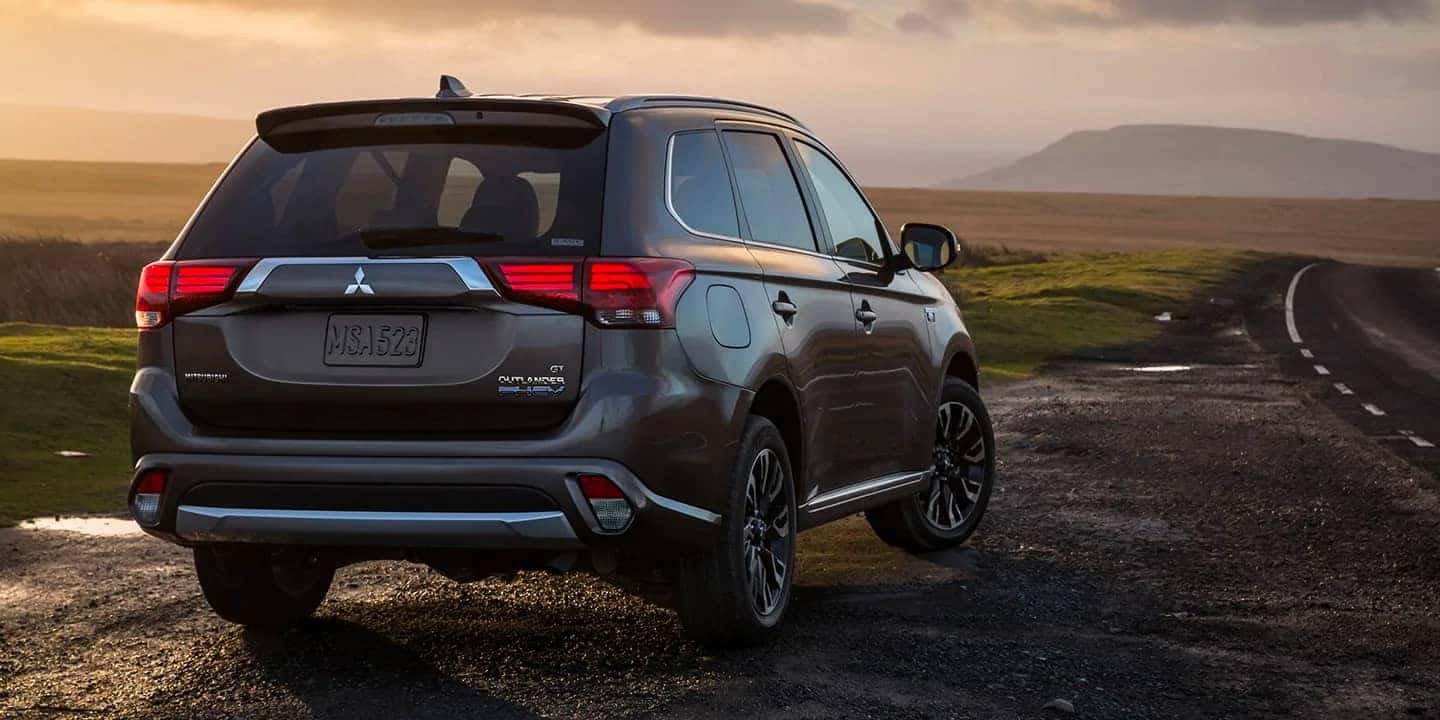 45 km EV