Fastest Charging PHEVs in Europe: Complete List with DC Fast Charging (CCS) Support
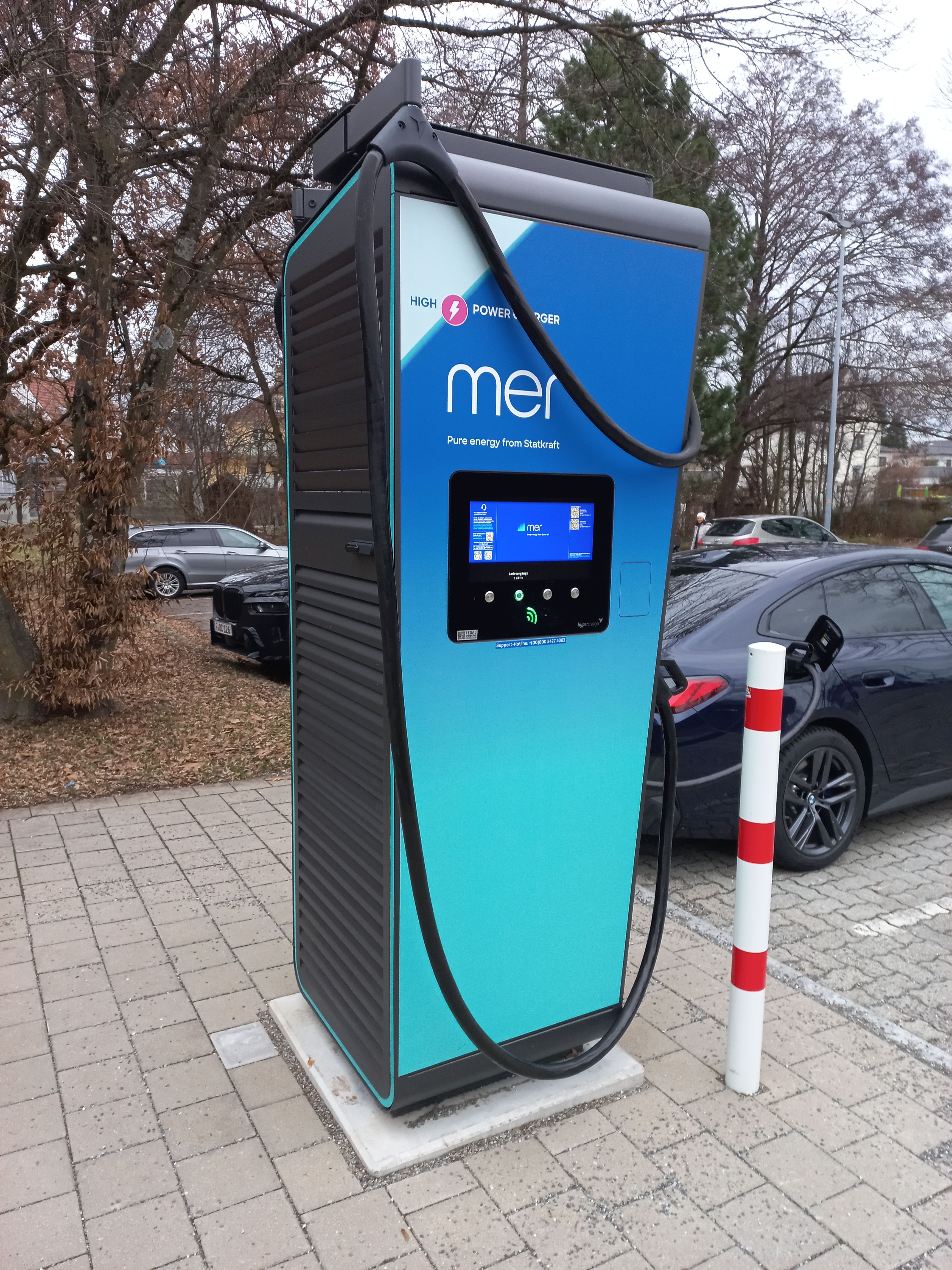
For years, the Achilles' heel of plug-in hybrid electric vehicles (PHEVs) was their agonizingly slow charging speed. While pure electric vehicles (BEVs) utilized high-power highway charging plazas (Ionity, Fastned, EnBW, Electra) to recharge in 20 minutes, PHEVs were stranded on slow 3.7 kW or at best 7.4 kW AC Type 2 connections. Waiting 3 to 5 hours at a highway service station to recharge an 11 to 15 kWh battery simply made no practical sense.
The 2024–2026 automotive generation has completely rewritten this narrative: DC Fast Charging (CCS Combo 2) has arrived in the plug-in hybrid segment.
Modern PHEVs equipped with 20 to 31 kWh traction batteries can now recharge from 10% to 80% in 20 to 30 minutes at any standard DC highway rapid charger. A conventional 25-minute highway coffee and restroom stop now injects 100+ kilometers of pure electric range back into your vehicle.
Which manufacturers offer DC rapid charging as standard, where is it an optional extra, and which prominent brands remain stubbornly locked to slow AC? Here is Europe's definitive buyer guide.
Why DC Fast Charging (CCS) is a Game Changer for PHEVs
Historically, PHEV owners were limited to charging overnight at home or at workplace AC posts. On longer intercity journeys, the battery depleted within the first 50–70 km, forcing the vehicle to complete the remainder of the trip solely on internal combustion fuel.
A DC Fast Charging (CCS) enabled PHEV overturns this paradigm:
- Electrified Long-Distance Cruising: On a 400 km road trip, a single 25-minute highway rest stop replenishes 100–120 km of zero-emission driving. Over 60% of your intercity trip can now be completed entirely on electric power.
- A Lifeline for Drivers Without Home Wallboxes: Motorists living in urban apartments without dedicated garage charging can conveniently top up their PHEV at commercial rapid chargers during a weekly grocery run in under 30 minutes.
- Drastically Reduced Operating Costs: Operating on electric power costs 60% to 75% less per kilometer than premium petrol, especially when taking advantage of off-peak charging or corporate charging cards.
Brand Breakdown: Leaders vs. Laggards
1. Volkswagen Group (MQB evo Platform) — Standardizing 50 kW CCS
The Volkswagen Group has democratized DC fast charging across Europe by making 50 kW DC charging (CCS Combo 2) standard equipment across virtually all its next-generation MQB evo PHEVs from 2024 onwards. Equipped with 25.7 kWh gross (19.7 kWh net) packs, these cars complete a 10–80% charge in just 25–26 minutes:
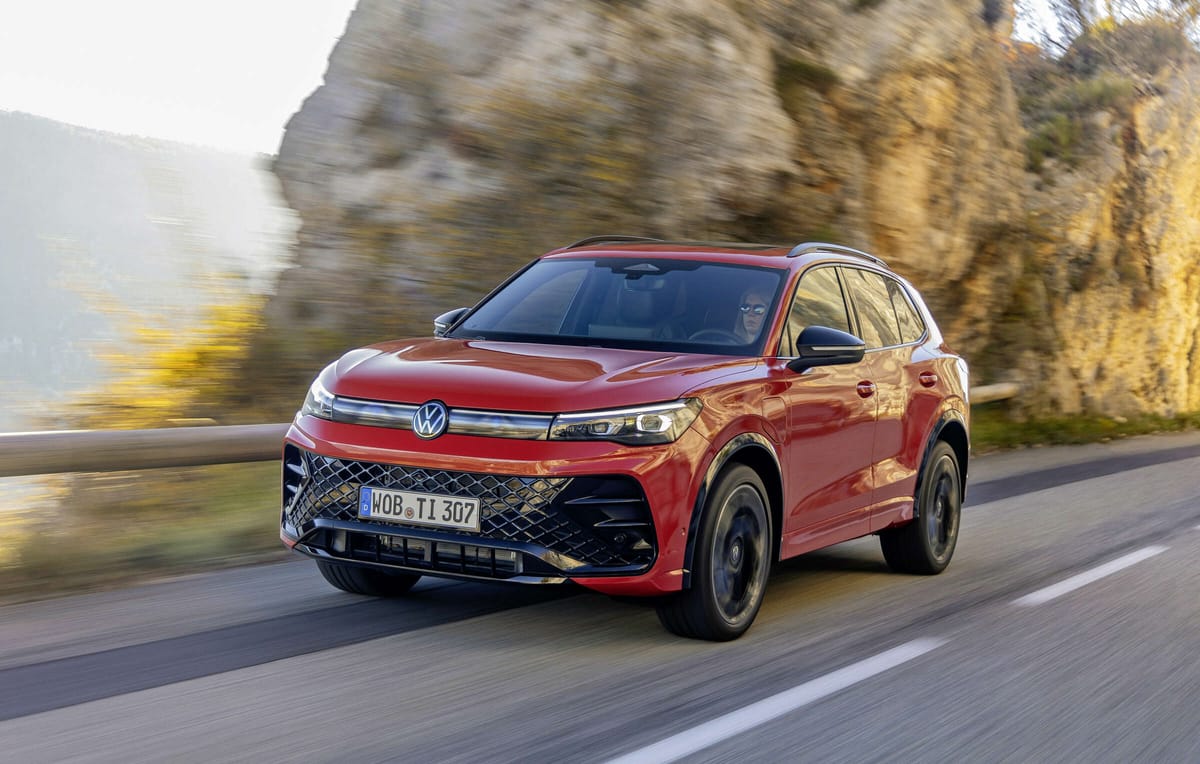
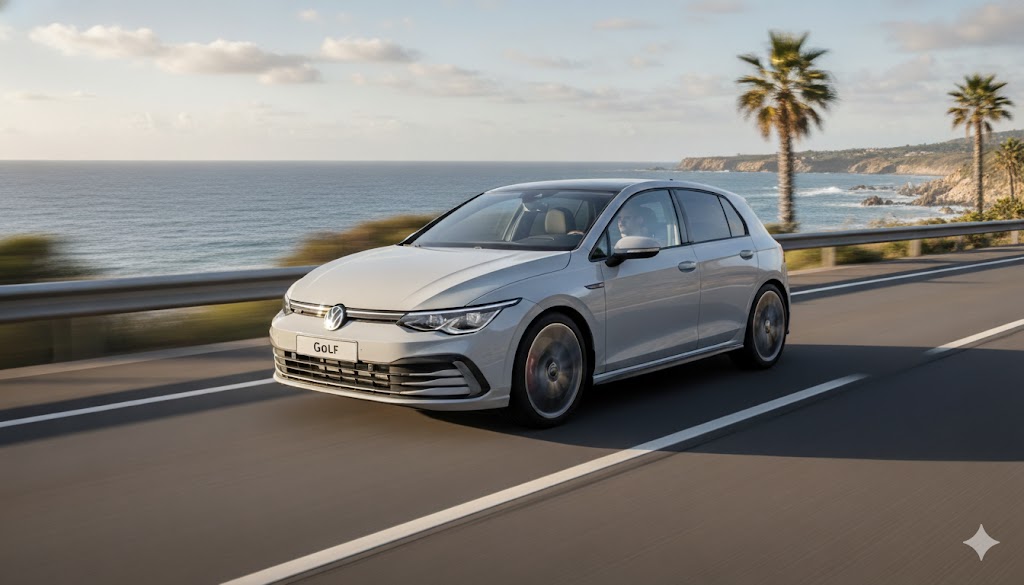
- Volkswagen: Golf eHybrid & Golf GTE (2024+), Passat Variant eHybrid, Tiguan eHybrid, Tayron eHybrid, Multivan eHybrid 4MOTION.
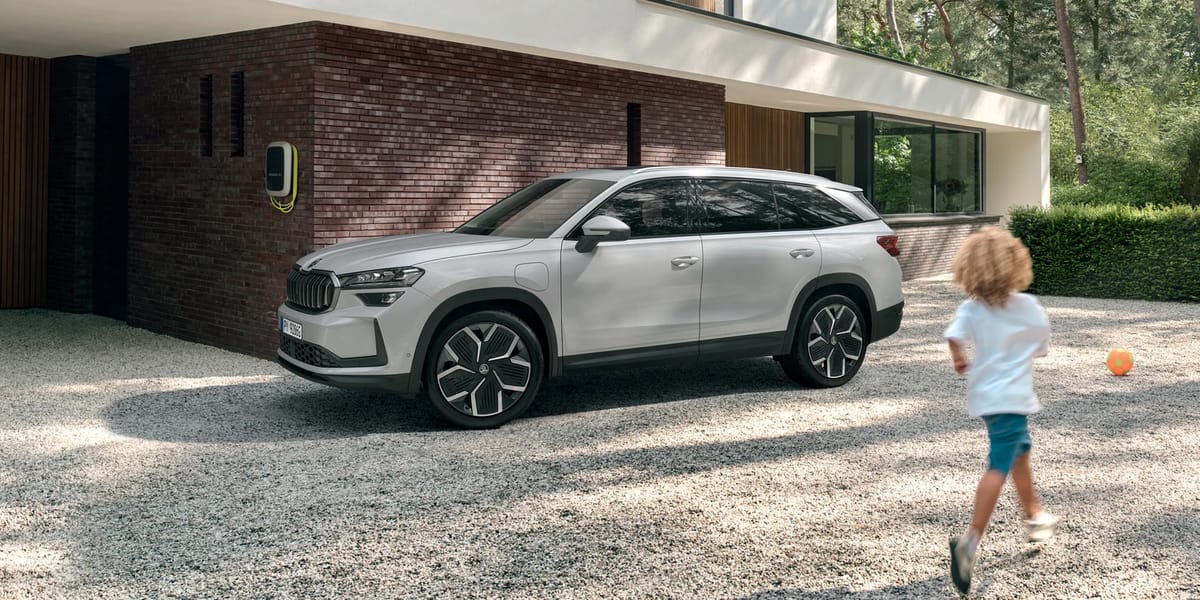
- Škoda: Superb Combi iV, Superb iV Liftback, Kodiaq iV.
- CUPRA: Formentor e-HYBRID & VZ, Leon e-HYBRID & VZ, Terramar VZ.
- Audi: A3 Sportback TFSI e (40 & 45 TFSI e). (Note: Audi's larger longitudinal PPC models such as the A5, A6, and Q5 do not support DC fast charging; only the MQB-based A3 offers 50 kW CCS).
2. Mercedes-Benz — Class-Leading 60 kW Charging Power
Mercedes-Benz was an early premium pioneer in DC-capable plug-in hybrids. Models across the C-Class, GLC, E-Class, and GLE lineups support 60 kW DC rapid charging.
- Pack sizes ranging from 25.4 kWh to 31.2 kWh reach 80% charge in approximately 20 minutes.
- Buyer Warning: In select European national markets and entry-level specifications, 60 kW DC charging may be listed as an optional package rather than standard equipment. Always verify the presence of the bottom DC pins on the charging inlet.
3. Toyota — The Next-Gen RAV4 Breakthrough
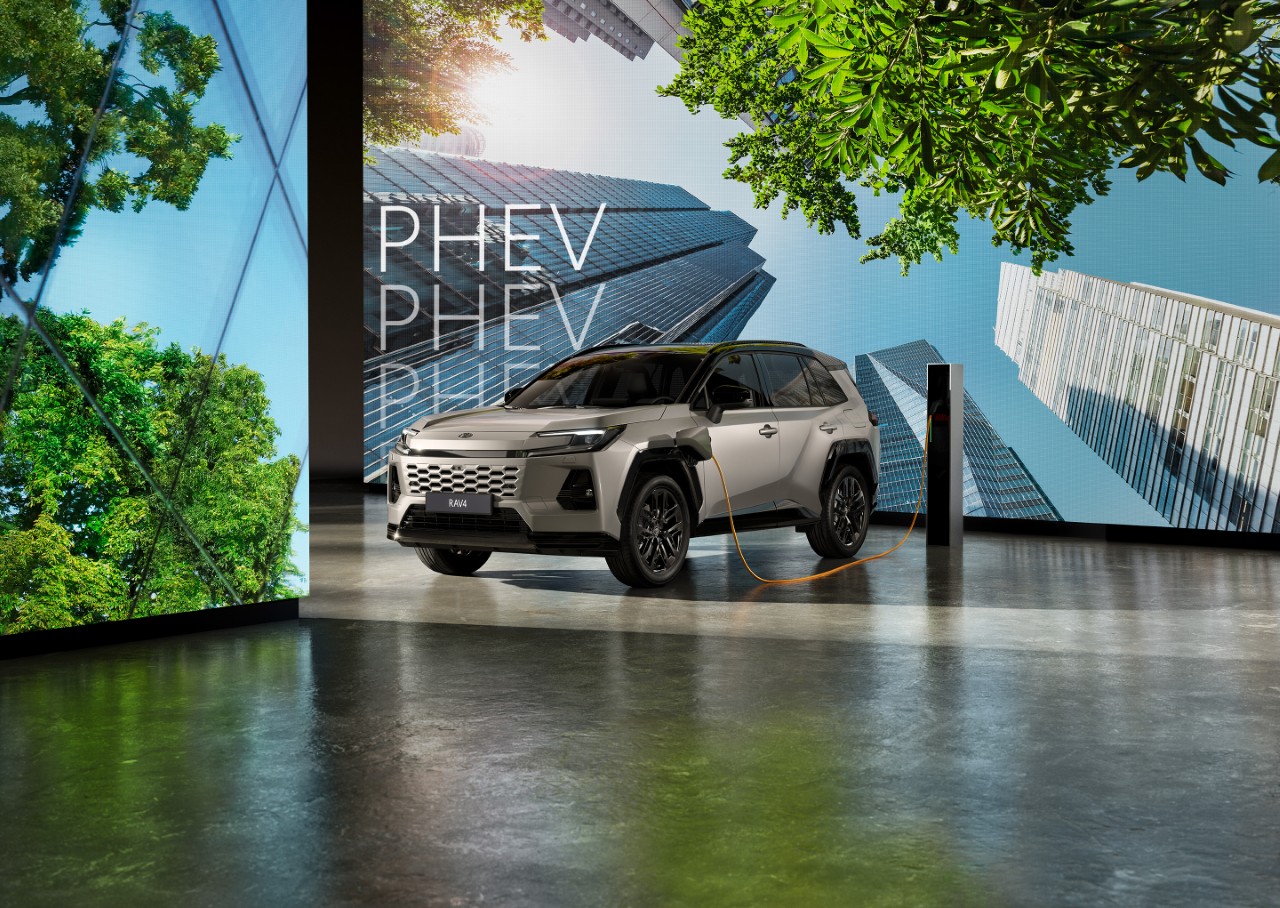
While the previous-generation RAV4 PHEV was capped at 6.6 kW AC, the Next-Gen Toyota RAV4 Plug-in Hybrid (2026) introduces a 22.7 kWh pack paired with 50 kW DC fast charging (CCS2), reaching 80% in 30 minutes.
4. Mitsubishi — Historical Pioneer, CHAdeMO Dilemma
The Mitsubishi Outlander and Eclipse Cross PHEVs were among the very first plug-in hybrids to feature DC charging. However, they rely on the Japanese CHAdeMO standard at a maximum of 22 kW DC. As European charging networks progressively phase out CHAdeMO plugs in favor of dual CCS2 configurations, finding an available CHAdeMO outlet on highway corridors is becoming increasingly challenging.
5. Emerging Chinese Super Hybrids (DHT Architectures)
New entrants from Chinese automotive groups incorporate DC charging natively:
- Jaecoo 7 & Jaecoo 8: 40 kW and 70 kW DC charging capabilities.
- Omoda 7 Super Hybrid: 40 kW DC charging (30–80% in 20 min).
- BYD Seal U DM-i: 18 kW DC charging support.
Prominent Premium Brands That Surprisingly DO NOT Support DC Charging
A frequent point of confusion among car buyers is assuming that higher purchase price correlates with faster charging capability. In reality, many of Europe's top-selling luxury PHEVs remain strictly limited to slow AC power:
- BMW (330e, 530e, 550e, X1 xDrive25e, X3, X5 xDrive50e): Current BMW PHEVs feature zero DC fast charging capability. They charge via 7.4 kW or 11 kW AC only. Recharging the massive 29 kWh pack in an X5 xDrive50e still takes over 3 hours at a public charging post.
- Volvo Recharge (XC60, XC90, V60): Despite offering useful 18.8 kWh packs, they are restricted to 6.4 kW single-phase AC. No DC highway charging is possible.
- Hyundai & Kia (Tucson PHEV, Sportage PHEV, Sorento, Santa Fe): Restricted to 3.3 kW or 7.2 kW AC; no DC support.
- Stellantis (Peugeot 3008/408, Opel Grandland, DS, Alfa Romeo Tonale): 3.7 kW standard / 7.4 kW optional AC; no DC support.
- Porsche (Cayenne E-Hybrid, Panamera E-Hybrid): 25.9 kWh battery packs charge via 11 kW AC only; no DC support.
📊 Complete Comparison: European PHEVs with DC Fast Charging Support
| Brand & Model | Battery (kWh) | WLTP EV Range (km) | Max DC Rate (kW) | 10–80% DC Time | AC Rate (kW) | Connector Standard |
|---|---|---|---|---|---|---|
| Mercedes-Benz GLC / GLE | 31.2 kWh | 105 – 125 km | 60 kW | ~20 min | 11 kW (3-phase) | CCS Combo 2 |
| Mercedes-Benz C-Class | 25.4 kWh | 102 km | 60 kW | ~20 min | 11 kW (3-phase) | CCS Combo 2 |
| VW Golf eHybrid (2024+) | 25.7 kWh | 143 km | 50 kW | 25 min | 11 kW (3-phase) | CCS Combo 2 |
| VW Golf GTE (2024+) | 25.7 kWh | 131 km | 50 kW | 25 min | 11 kW (3-phase) | CCS Combo 2 |
| VW Passat Variant eHybrid | 25.7 kWh | 133 km | 50 kW | 25 min | 11 kW (3-phase) | CCS Combo 2 |
| VW Tiguan eHybrid (2024+) | 25.7 kWh | 125 km | 50 kW | 25 min | 11 kW (3-phase) | CCS Combo 2 |
| VW Tayron eHybrid | 25.7 kWh | 116 km | 50 kW | 26 min | 11 kW (3-phase) | CCS Combo 2 |
| Škoda Superb iV (Combi/Hatch) | 25.7 kWh | 133 km | 50 kW | 25 min | 11 kW (3-phase) | CCS Combo 2 |
| Škoda Kodiaq iV (2025) | 25.7 kWh | 123 km | 50 kW | 25 min | 11 kW (3-phase) | CCS Combo 2 |
| CUPRA Formentor e-HYBRID | 19.7 kWh | 119 – 126 km | 50 kW | 26 min | 11 kW (3-phase) | CCS Combo 2 |
| CUPRA Leon e-HYBRID | 19.7 kWh | 124 – 131 km | 50 kW | 26 min | 11 kW (3-phase) | CCS Combo 2 |
| CUPRA Terramar VZ e-HYBRID | 19.7 kWh | 118 km | 50 kW | 26 min | 11 kW (3-phase) | CCS Combo 2 |
| Audi A3 Sportback TFSI e | 25.7 kWh | 133 km | 50 kW | 26 min | 11 kW (3-phase) | CCS Combo 2 |
| Toyota RAV4 Plug-in (2026) | 22.7 kWh | 102 km | 50 kW | 30 min | 11 kW (3-phase) | CCS Combo 2 |
| Jaecoo 8 Super Hybrid | 34.5 kWh | 134 km | 70 kW | 25 min | 11 kW (3-phase) | CCS Combo 2 |
| Jaecoo 7 Super Hybrid | 20.0 kWh | 91 km | 40 kW | 25 min | 6.6 kW | CCS Combo 2 |
| Omoda 7 Super Hybrid | 18.4 kWh | 90 km | 40 kW | 20 min | 6.6 kW | CCS Combo 2 |
| Mitsubishi Outlander PHEV | 22.7 kWh | 86 km | 22 kW | 35 min | 3.7 kW | CHAdeMO |
| Mitsubishi Eclipse Cross PHEV | 13.8 kWh | 45 km | 22 kW | 25 min | 3.7 kW | CHAdeMO |
PHEVs.eu Buyer Advice: Who Really Needs DC Charging?
- High-Mileage Drivers (20,000+ km/year): If you frequently undertake intercity highway journeys, opting for a 50 kW or 60 kW DC (CCS) model is essential. It transforms your vehicle from an urban commuter into a genuine long-distance electrified cruiser.
- Daily Commuters with Home Charging: If your daily travel rarely exceeds 50–70 km and you possess a private driveway with an 11 kW or 7.4 kW home wallbox, DC charging is a convenience rather than an operational necessity.
- Used Car Buyers: Always inspect the physical charging port. Manufacturers often use generic terminology like "fast charging" in marketing brochures that merely refers to 7.4 kW AC rather than genuine DC rapid charging.