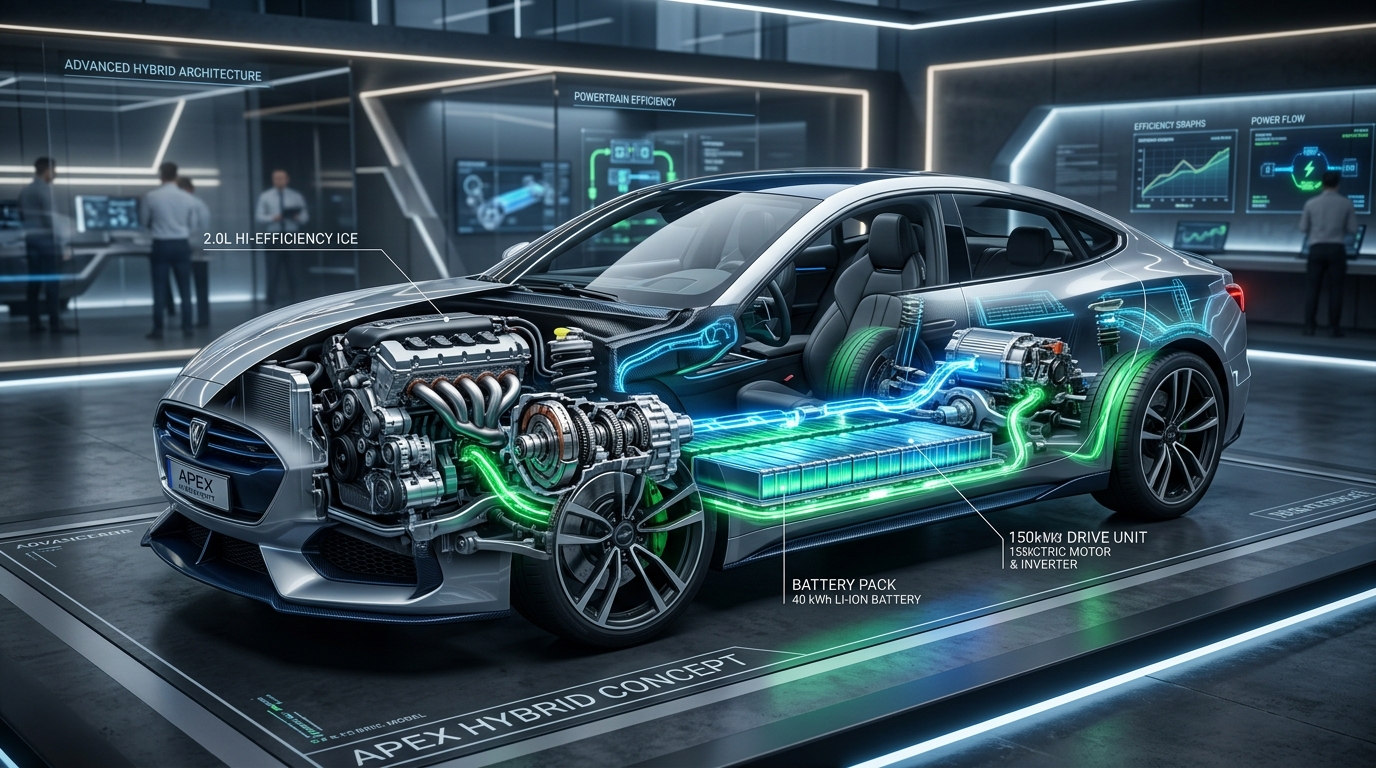
PHEV-Hybridtechnologien im Vergleich: Super Hybrid, eHybrid, DHT und Antriebskonzepte erklärt
The modern automotive landscape has become a minefield of hybrid terminology. Walking into one dealership, you are told about "Super Hybrid", in another it's "eHybrid", followed by "Hybrid+", "e:PHEV", or "eDrive".
Are these names merely marketing jargon, or do fundamentally different engineering philosophies operate under the bonnet?
The answer: They are completely different mechanical architectures. How much fuel a PHEV consumes when its battery is depleted, whether the engine revs frantically during highway overtakes, whether the car shifts gears while driving in pure electric mode, and how it tows heavy loads all depend entirely on these core architectural choices.
In this definitive guide, we deconstruct the 5 primary plug-in hybrid powertrain architectures, explain what each manufacturer calls them, and reveal which system suits your driving style.
---
### The Big Picture: Motor Positions (P0 through P4 Hybrid Coding)
Automotive engineers classify hybrid systems by where the electric motor is physically installed:- P1: Electric motor mounted directly to the engine crankshaft (acts primarily as an integrated starter-generator).- P2: Electric motor placed between the combustion engine and the transmission, separated by a disconnect clutch (K0).- P3: Electric motor placed on the output shaft of the transmission.- P4: Independent electric motor driving the rear axle with no mechanical driveshaft linking it to the engine (Through-The-Road eAWD).- DHT (Dedicated Hybrid Transmission): Replaces a conventional multi-gear transmission with a custom unit integrating dual electric motors and clutches.
---
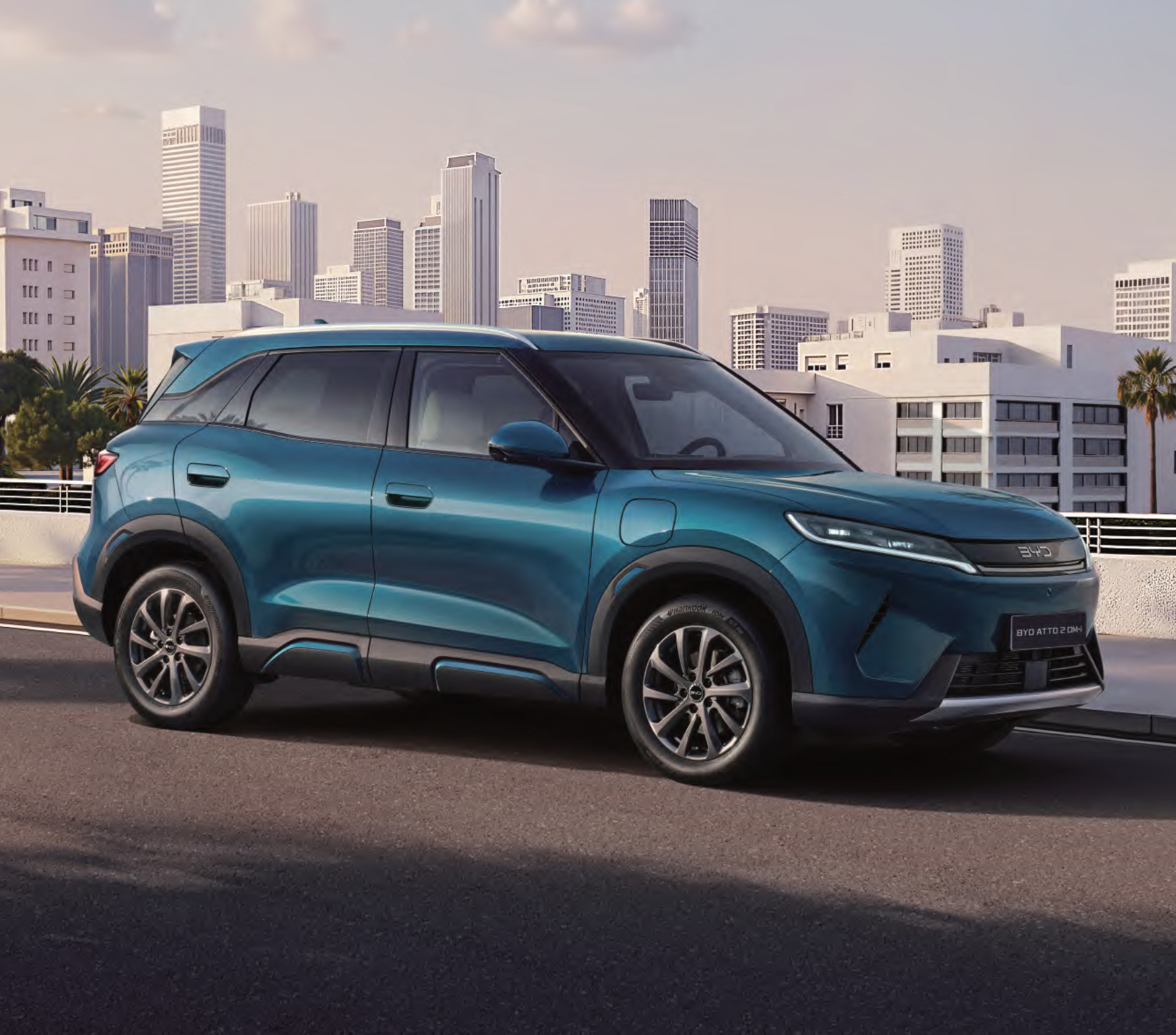
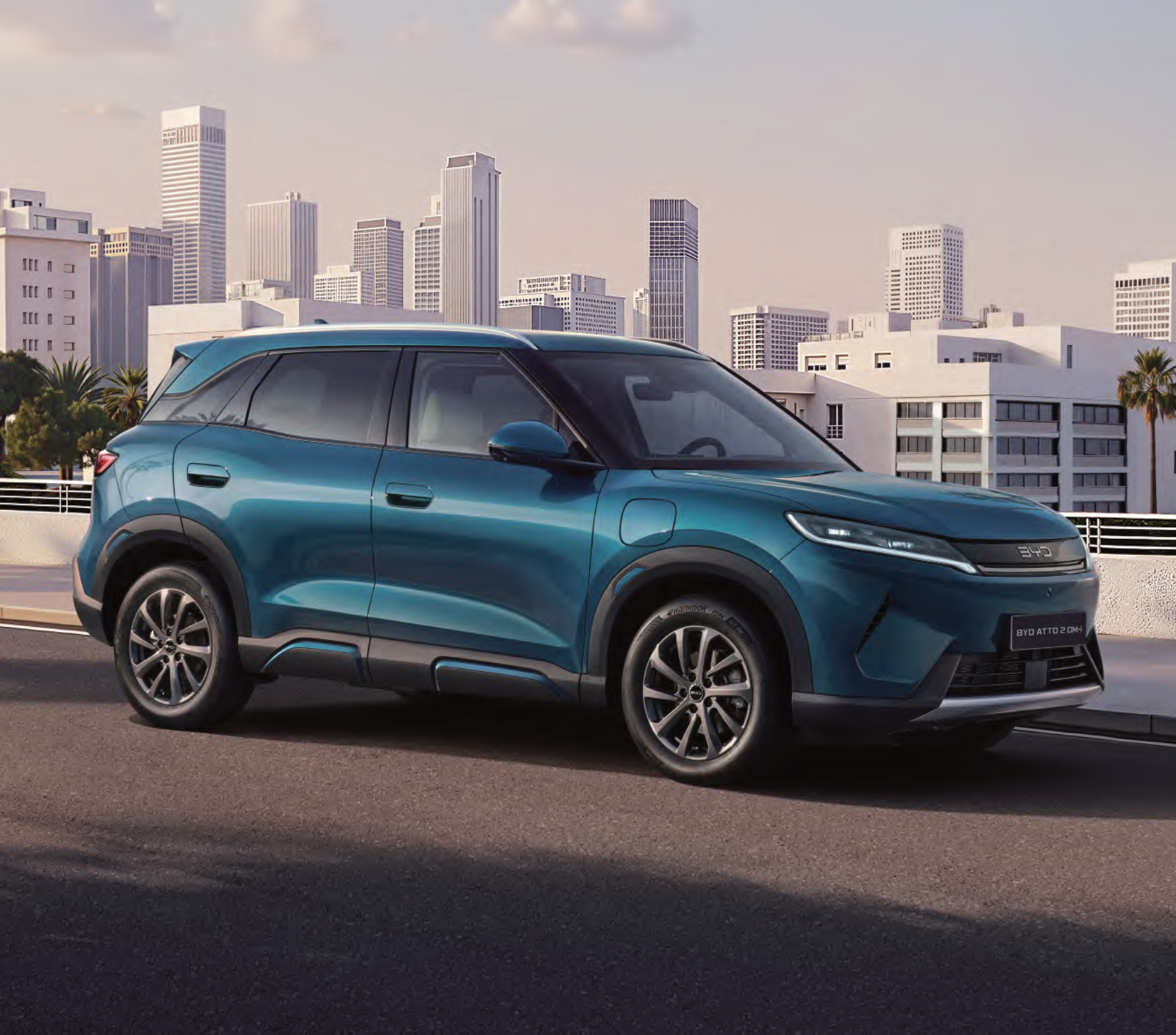
### 1. BYD "Super Hybrid" (DM-i & DM-p): The Electric-First Philosophy
BYD's meteoric rise to global automotive prominence is driven by its Super Hybrid DM-i (Dual Mode intelligent) and DM-p (Dual Mode performance) platform.
#### How It Works: Series-Parallel Electric-First ArchitectureRather than electrifying an internal combustion powertrain, BYD designed an electric vehicle that carries an ultra-efficient generator:- 80-90% Electric Traction: At city speeds and up to approximately 70 km/h, the front wheels are driven purely by a powerful electric traction motor (145 kW - 160 kW).- The Engine's Role: The 1.5-litre Xiaoyun engine (operating on the Atkinson/Miller cycle with up to 43-46% thermal efficiency) does NOT mechanically connect to the wheels in urban driving! Instead, it runs at its optimal efficiency RPM driving a generator to supply electricity to the inverter and Blade LFP battery (Series Mode).- Direct Drive Clutch: Only at sustained highway speeds (70-80 km/h and above) does a hydraulic wet clutch engage. The combustion engine is directly locked to the driven wheels through a single, tall cruising gear ratio (Direct Drive Parallel Mode).- Is there a gearbox? NO. There is no DSG, no torque converter automatic, and no steel CVT belt. It uses a single reduction gear and a direct-drive clutch.
#### Pros & Cons:- Pros: Completely seamless EV acceleration with zero shift shock. Exceptionally low fuel consumption (4.0 - 4.5 L/100 km) even when the battery is empty. Minimal mechanical wear parts.- Cons: At autobahn speeds above 150 km/h, the single gear ratio causes the engine to rev higher, reducing flexibility and increasing fuel burn.
---
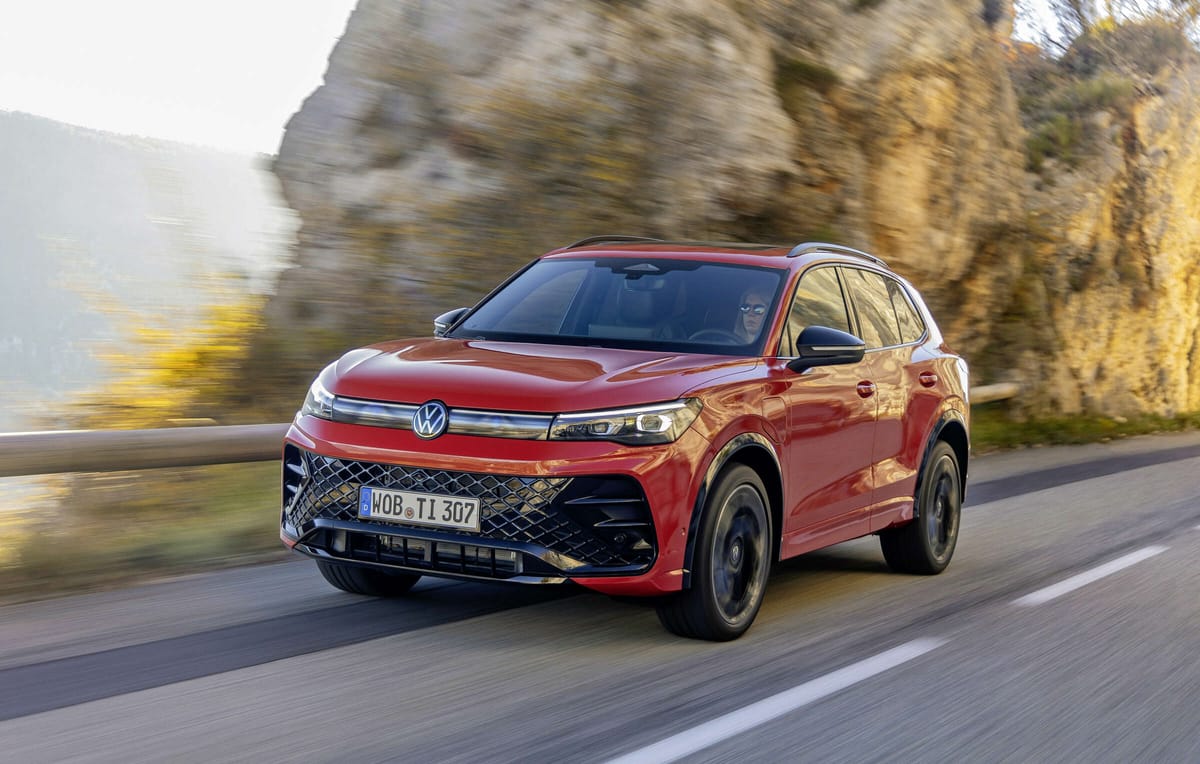
### 2. Volkswagen Group: "eHybrid" (Škoda iV, Audi TFSI e, CUPRA e-HYBRID)
The Volkswagen Group (VW Tiguan, Passat; Škoda Kodiaq, Superb; CUPRA Formentor; Audi A3, A6) chose the classical European engineering path: P2 Parallel Hybrid Architecture.
#### How It Works: The P2 eDSG Dual-Clutch Setup- Engine & Gearbox: A 1.5 TSI evo2 (EA211 evo) petrol engine paired with a purpose-built DQ400e 6-speed wet dual-clutch transmission.- Motor Position (P2): The electric motor is sandwiched precisely between the engine and the DSG gearbox.- Triple Clutch System: The gearbox incorporates Clutch 1 and Clutch 2 (odd/even gears) plus a K0 disconnect clutch.- Electric Driving Shifts Gears: When driving in pure EV mode, K0 disengages and the petrol engine is shut down completely. The electric motor drives the wheels through the 6-speed DSG gearbox. That means the car actually changes gears (1st through 6th) even while running on 100% battery power!- 2024-2026 MQB evo Upgrade: Battery capacity grew to 25.7 kWh gross (19.7 kWh net), delivering 120-130 km WLTP electric range and 50 kW DC CCS2 fast charging.
#### Pros & Cons:- Pros: Superb high-speed highway stability and towing capacity (up to 2,000 kg). Authentic mechanical gear-shifting feel.- Cons: Dual-clutch friction causes slightly higher stop-and-go fuel consumption (~5.8 - 6.8 L/100 km) once the battery is depleted compared to series-parallel rivals.
---
### 3. MG (SAIC Motor): "Hybrid+" and 2-Speed DHT
MG utilizes a Dedicated Hybrid Transmission (DHT) and Electric Drive Unit (EDU) architecture.
#### How It Works: Multi-Mode 2-Speed DHT- From 10-Speed to 2-Speed DHT: Early MG EHS models used a 10-speed virtual EDU (6 engine gears + 4 motor gears). The new MG HS II PHEV and MG3/ZS Hybrid+ transitioned to a much lighter, sharper 2-speed DHT.- Mode Blending: - Operates in Series Mode in urban traffic with the engine generating power for the electric motor. - When climbing steep gradients or calling for kickdown acceleration, the 1.5T engine engages via 1st gear, delivering massive torque reduction to the wheels. - At motorway cruise, the transmission shifts to 2nd gear, drastically lowering engine RPM for whisper-quiet, fuel-efficient cruising.
#### Pros & Cons:- Pros: Eliminates the "engine droning" of single-speed direct drive systems when climbing steep mountain passes. Delivers massive total system output (339 HP) at a very affordable price point.- Cons: Slightly more mechanical complexity than single-clutch designs.
---
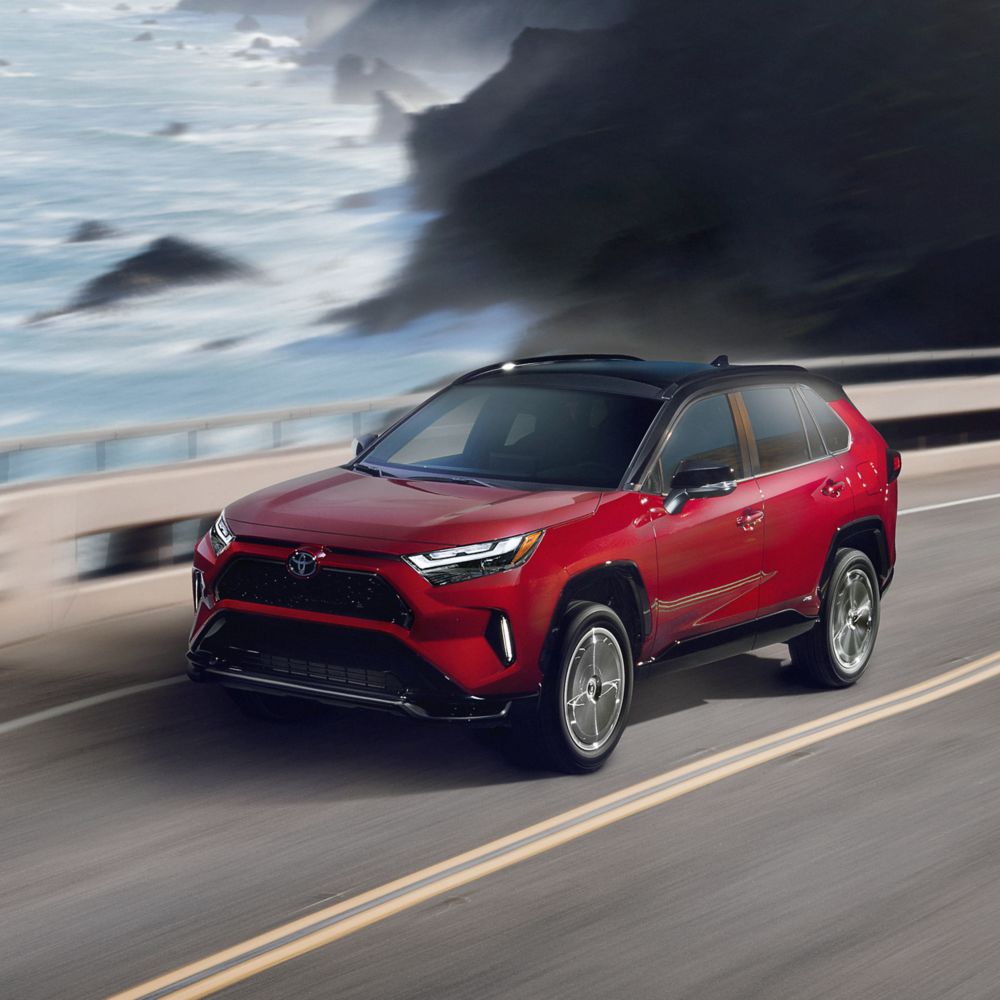
### 4. Toyota & Lexus: Planetary Power-Split (e-CVT)
Toyota (RAV4 PHEV, Prius PHEV) and Lexus (NX450h+, RX450h+) rely on their battle-tested Planetary Gear Power-Split Device.
#### How It Works: No Clutches, Pure Epicyclic Gearing- There are no friction clutches, torque converters, or shifting bands.- An epicyclic planetary gear set mechanically interconnects the combustion engine, a generator motor (MG1), and a traction motor (MG2).- The ratio between engine speed and road speed is modulated continuously by adjusting the electrical resistance and generator RPM.- AWD-i (E-Four): Employs an independent P4 rear electric motor with no mechanical prop-shaft.
#### Pros & Cons:- Pros: Legendary mechanical reliability. Even with a totally depleted traction battery, it achieves unmatched real-world city fuel economy (~4.5 - 5.0 L/100 km).- Cons: Under hard acceleration, the engine RPM flares independently of vehicle road speed ("rubber-band effect").
---
### 5. BMW ("eDrive") & Mercedes-Benz ("EQ Hybrid"): Premium Longitudinal P2
BMW (330e, X5 xDrive50e) and Mercedes-Benz (C 300 e, E 300 e, GLC 300 e):- BMW eDrive: Integrates the electric motor inside the famous ZF 8HP 8-speed automatic transmission, preserving rear-biased driving dynamics.- Mercedes EQ Hybrid & Diesel PHEV: Uses a 9G-Tronic 9-speed automatic. Mercedes is also the only manufacturer offering Diesel Plug-in Hybrids (E 300 de, GLC 300 de), capable of 100 km pure EV range in town and 4.5 L/100 km diesel economy on long-distance highway trips.
---
### Technical Comparison Matrix
| Technology Brand | Key Automakers | Gearbox Type | Shifts Gears in EV Mode? | Depleted Battery City Economy | High-Speed Towing / Highway | Core Character || :--- | :--- | :--- | :--- | :--- | :--- | :--- || Super Hybrid (DM-i) | BYD | Direct-Drive Clutch (No multi-gear box) | No (Direct ratio) | ⭐⭐⭐⭐⭐ (4.0-4.5 L) | ⭐⭐⭐ (Increases above 140 km/h) | EV-like refinement, urban efficiency champ || eHybrid / iV / TFSI e | VW, Škoda, Audi, Cupra | 6-speed Wet Dual-Clutch (P2 eDSG) | Yes (1st to 6th) | ⭐⭐⭐ (5.8-6.8 L) | ⭐⭐⭐⭐⭐ (Autobahn champ, 2-tonne towing) | Sporty gear changes, 50 kW DC fast charging || Hybrid+ / DHT | MG, Chery, Omoda | 2-speed or 3-speed DHT | Multi-speed step | ⭐⭐⭐⭐ (4.8-5.5 L) | ⭐⭐⭐⭐ (Strong hill-climbing torque) | High horsepower, outstanding value || Power-Split (e-CVT) | Toyota, Lexus | Planetary Gear Set | Continuous | ⭐⭐⭐⭐⭐ (4.5-5.0 L) | ⭐⭐⭐⭐ (Proven, resilient) | 25-year reliability benchmark, zero clutch wear || Longitudinal P2 eDrive| BMW, Mercedes-Benz | 8 or 9-Speed Torque Converter | Yes (1st to 9th) | ⭐⭐⭐ (6.0-7.2 L) | ⭐⭐⭐⭐⭐ (Effortless highway cruising) | Premium driving dynamics, unique Diesel PHEV |
---
### Which Hybrid Architecture is Right For You?1. Choose BYD Super Hybrid / Honda e:PHEV if you commute 30–70 km daily in urban/suburban traffic and demand electric car smoothness with lowest possible running costs.2. Choose Volkswagen eHybrid / BMW eDrive if you regularly drive high-speed motorways, pull trailers/caravans, and appreciate the mechanical engagement of a traditional multi-speed gearbox.3. Choose MG Hybrid+ if you want maximum horsepower and equipment for your money without sacrificing hill-climbing competence.4. Choose Toyota Plug-in Hybrid if your absolute priority is 15-year mechanical indestructibility and rock-bottom fuel consumption even when you neglect charging.