PHEV Charging Infrastructure in Europe 2025: Status and Future

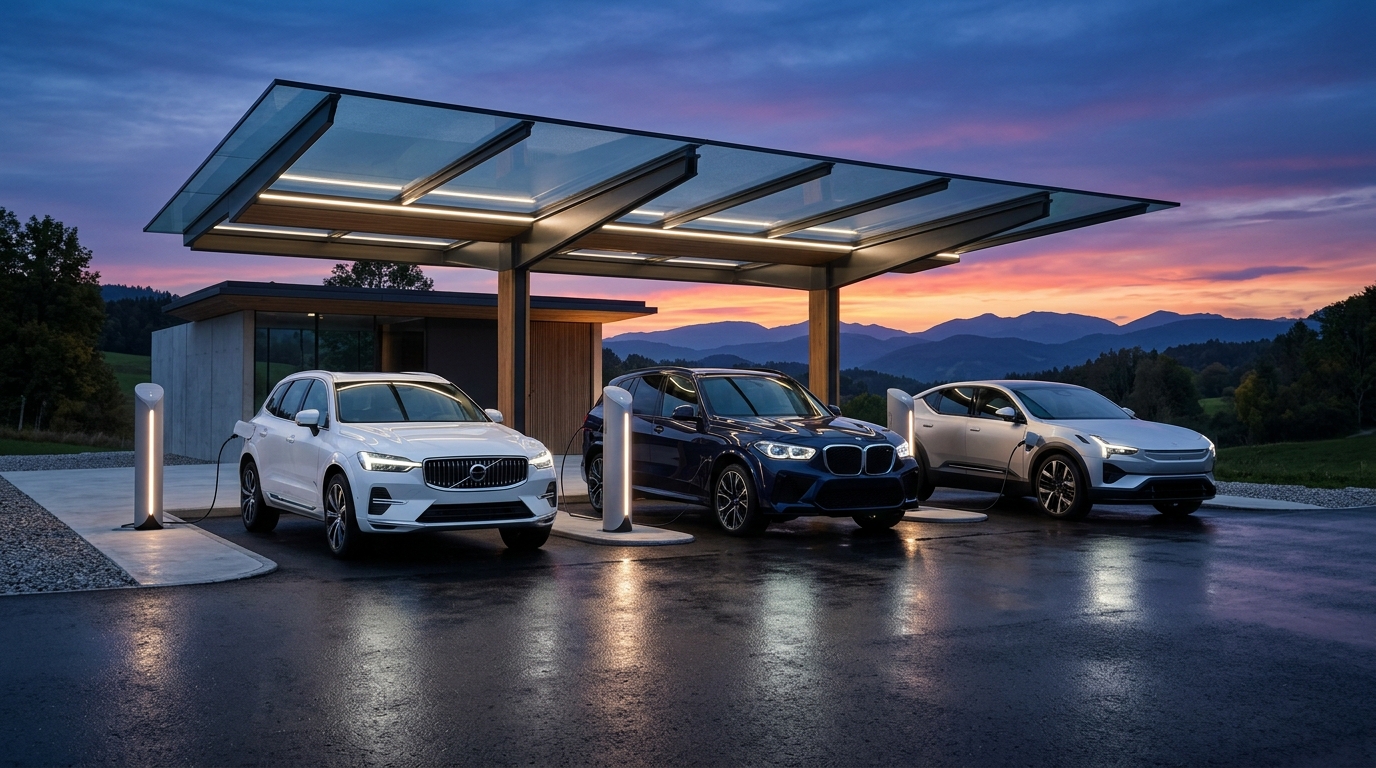
The number of charging stations in Europe increased by 40% in 2025. AC charging points are sufficient for PHEV users, but DC fast charging network expansion continues.
Europe's plug-in hybrid vehicle charging infrastructure recorded significant developments in 2025. According to European Union data, the number of charging points across the continent increased by 40% compared to the previous year.
Current Status:
- Total Charging Points: 850,000+ (AC and DC)
- AC Charging Points: 720,000+
- DC Fast Charging: 130,000+
- Public Stations: 450,000+
Country-Based Analysis:
Germany: Leader in Europe with 180,000+ charging points. Especially highway fast charging network is expanding.
France: 120,000+ charging points. Government's 2030 target is 400,000 points.
UK: 95,000+ charging points. Dense AC points in city centers.
Spain: 45,000+ charging points. Rapid growth in major cities.
Recommendations for PHEV Users:
Home Charging: Most PHEVs can charge in 3-4 hours with a home wallbox (7.4 kW). Overnight charging is the most economical option.
Workplace Charging: 65% of companies now offer charging points in office parking areas.
Public AC Points: Common in shopping centers, parking lots, and restaurants.
DC Fast Charging: PHEVs generally support up to 50 kW. 0-80% charging possible in 30-45 minutes.
Future Plans:
The European Commission's 2030 target is 3 million charging points. Investments are increasing especially in rural areas and highways.
Industry Trends:
- Solar panel-equipped charging stations increasing
- Smart grid integration becoming widespread
- Charging integration in parking management systems
- Dynamic pricing models
In conclusion, charging infrastructure for PHEV users is now at sufficient levels. Especially in urban and intercity routes, seamless charging opportunities are available.
What is the Real-World Range of the Suzuki Across?
Official WLTP ratings are measured in a controlled 23°C laboratory. Test how winter sub-zero temperatures (-10°C), sustained 130 km/h highway speeds, and terrain elevation impact actual battery range on your specific commute.
Stay Ahead on Next-Gen PHEV Releases & OTA Updates
Get notified when new European plug-in hybrid models premiere, along with real-world range benchmarks, battery chemistry insights, and software update breakdowns.
Related Models
Technical specs and live range simulations for models featured in this report
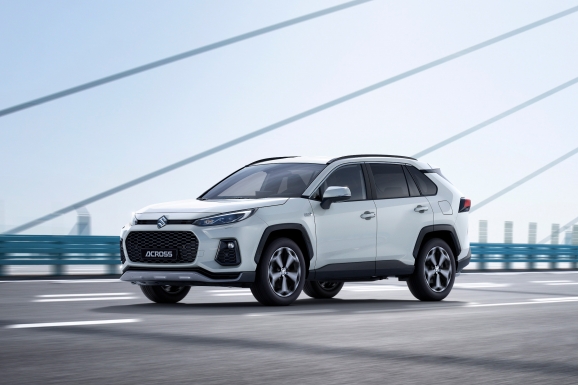 75 km EV