Chery vs MG: Chery Tiggo 7 Pro PHEV vs New-Gen MG HS II (1.5T) Direct Comparison
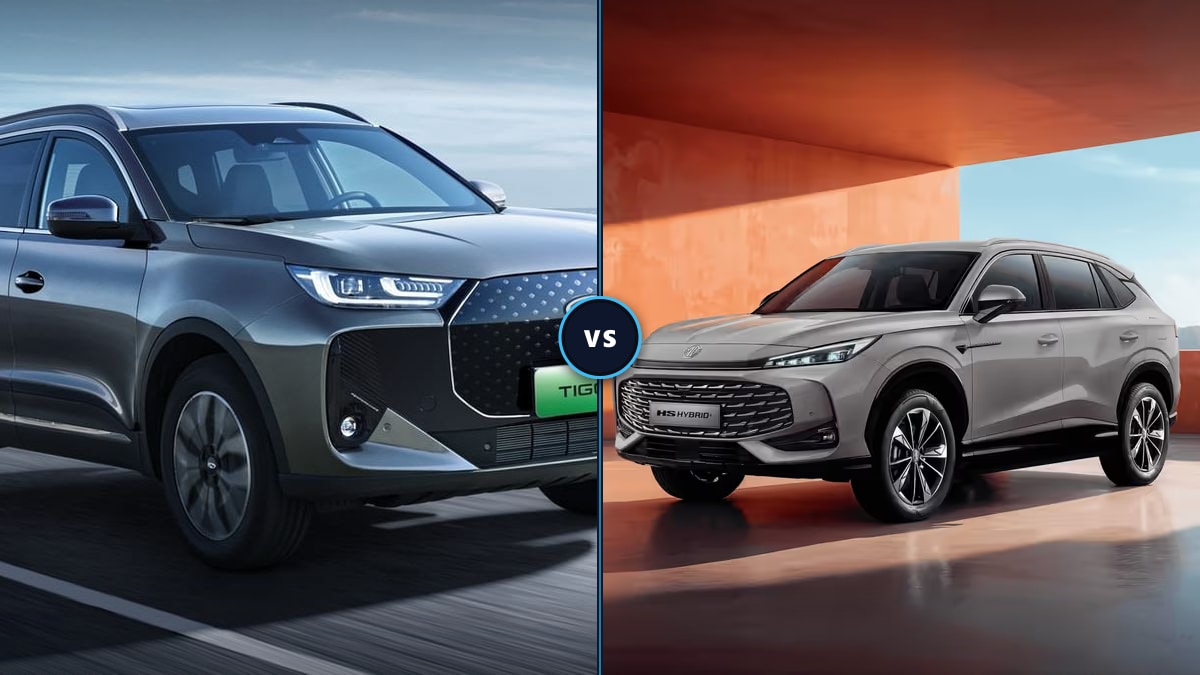
Two popular 1.5-litre Chinese plug-in hybrid SUVs head-to-head: The long-range 120 km MG HS II without DC charging vs the 40 kW DC fast-charging Chery Tiggo 7 Pro PHEV. Plain-English breakdown of real-world electric range, charging speeds, and empty-battery consumption.
The rivalry between Chinese automakers in Europe is reaching new heights. Both Chery and SAIC's MG are making waves in the popular 1.5-litre plug-in hybrid SUV segment.
Comparing the New-Gen MG HS II 1.5T PHEV with the Chery Tiggo 7 Pro PHEV reveals two fundamentally different engineering philosophies beneath their bonnets.
Quick Take
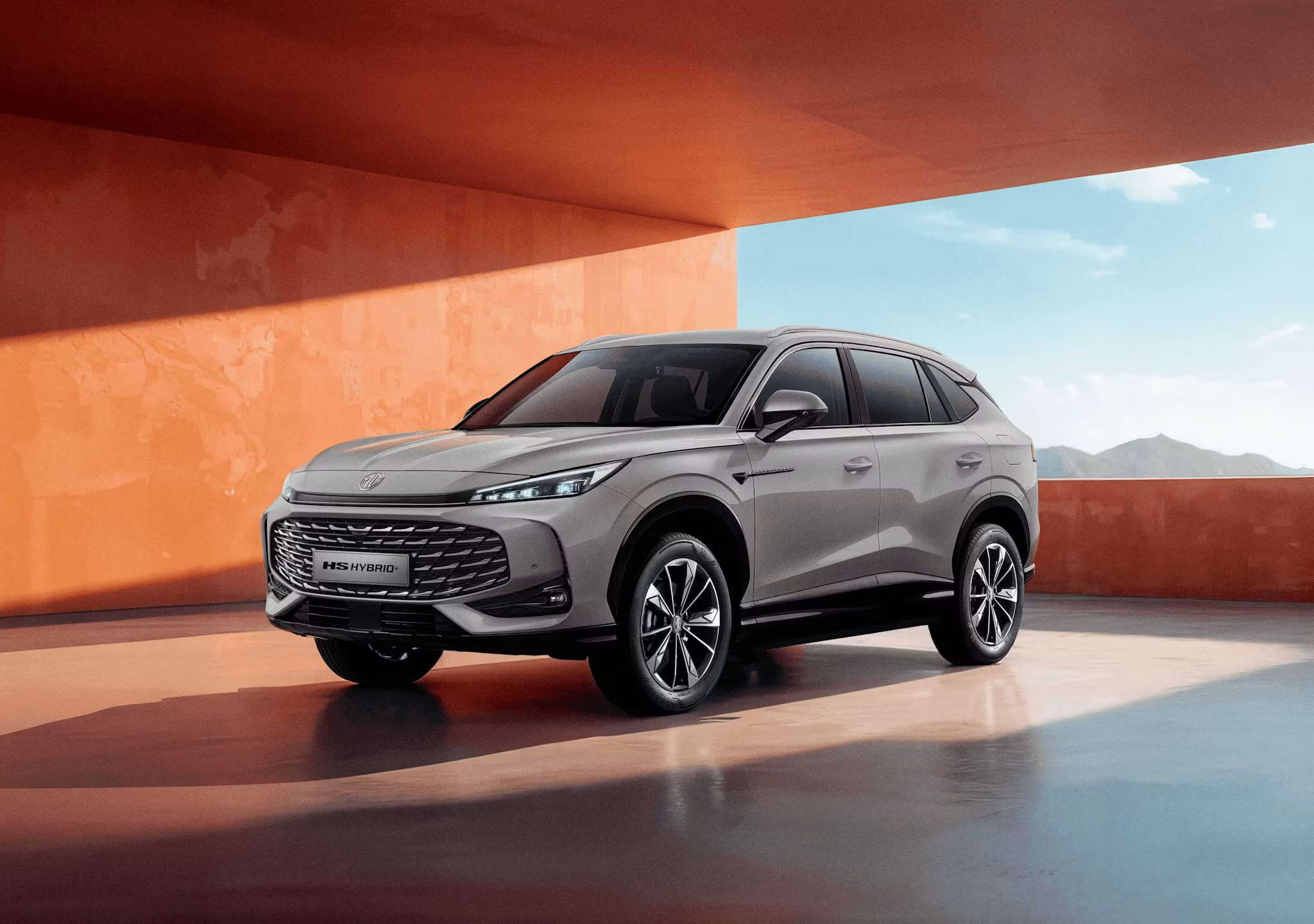
- MG HS II: Boasts a massive 24.7 kWh battery delivering 120 km (WLTP) of pure electric driving and a punchy 299 hp. However, it LACKS DC FAST CHARGING.
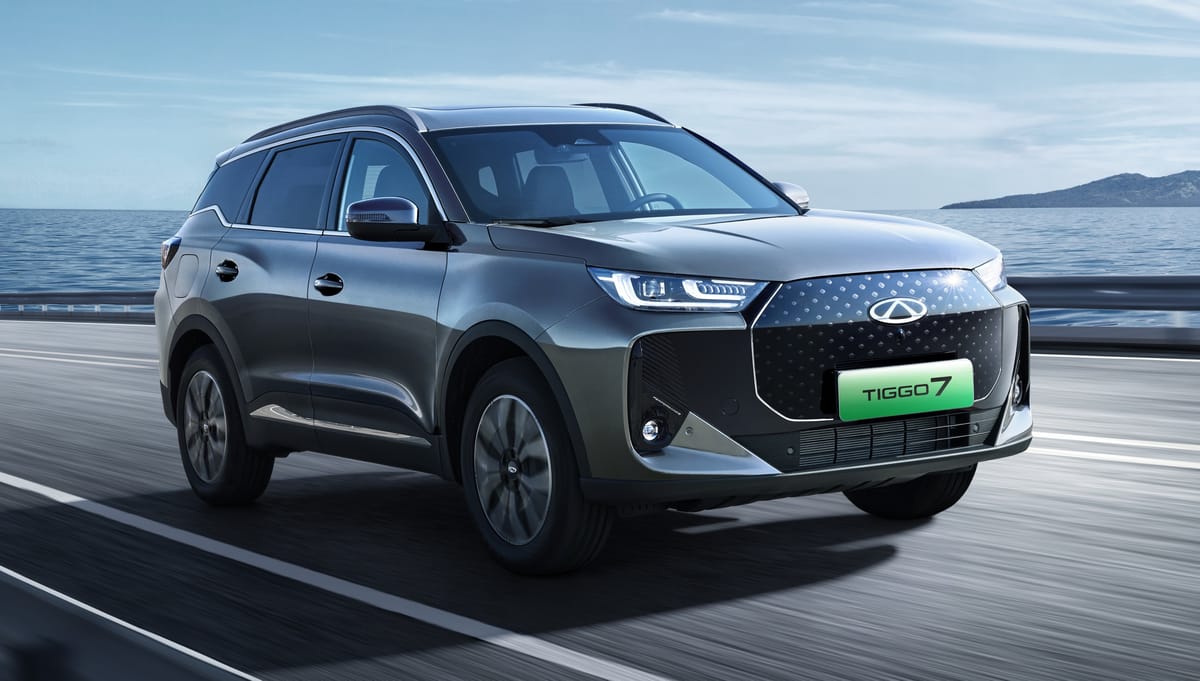
- Chery Tiggo 7 Pro PHEV: Features a more compact 18.3 kWh LFP pack with 90 km (WLTP) range, but counters with a game-changing 40 kW DC fast-charging port.
 2025
Tiggo 7 Pro PHEV
 2025🏆 120 km EV
HS II 1.5T
1. Electric Range: Real-World Expectations
MG HS II (21.4 kWh usable):
- WLTP Claim: 120 km
- Real City Range: Expect 90 to 105 km in mild weather, and ~75-80 km in winter.
- Commuters travelling up to 80 km daily can easily complete their commute without firing the petrol engine.
Chery Tiggo 7 Pro (16.5 kWh usable):
- WLTP Claim: 90 km
- Real City Range: Yields 65 to 75 km in mixed urban driving, dropping to ~50-55 km in winter.
- Perfect for standard 40-50 km daily commutes.
Range Verdict: With a pack roughly 5 kWh larger, the MG HS II delivers 25–30 km more real-world range than the Chery.
2. Charging Speed: The Decisive Difference
Chery Tiggo 7 Pro: 40 kW DC Fast Charging
- Equipped with a CCS2 port supporting 40 kW DC fast charging, allowing a 30% to 80% top-up in just 20–25 minutes at highway rest stops.
- AC charging supports 6.6 kW, achieving a full charge from a home wallbox in approximately 2.5 hours.
MG HS II: Big Battery, Slow Charging Limitation
- The MG HS II does NOT support DC fast charging.
- Furthermore, its onboard AC charger is limited to 3.6 kW (16A single-phase).
- Refilling its large 24.7 kWh battery from empty takes 6 to 7 hours. This car is built exclusively for overnight home charging.
Charging Verdict: Chery Tiggo 7 Pro wins hands down for public charging convenience and flexibility.
3. Powertrain & Driving Performance
- MG HS II: Combines a 1.5T engine (142 hp) with an exceptionally potent 154 kW (209 hp) electric motor for a total of 299 hp and a 0-100 km/h sprint of 6.8 seconds. Immediate torque makes it feel remarkably swift.
- Chery Tiggo 7 Pro: Produces ~240 hp using a 1.5T engine, dual electric motors, and a 3-speed dedicated hybrid transmission (3DHT). 0-100 km/h arrives in 7.9 seconds—plenty quick, but smoother and less aggressive than the MG.
4. Empty-Battery Fuel Consumption
- Chery Tiggo 7 Pro: Consumes 6.8 – 7.6 L/100 km at motorway speeds (120 km/h) with a depleted battery.
- MG HS II: Its heavier kerb weight (1,863 kg) results in 7.0 – 7.9 L/100 km at 120 km/h.
5. Technical Comparison Table
| Specification | Chery Tiggo 7 Pro PHEV | MG HS II 1.5T PHEV |
|---|---|---|
| Combined Power | 240 hp | 299 hp |
| 0-100 km/h | 7.9 s | 6.8 s |
| Battery (Gross / Usable) | 18.3 / 16.5 kWh (LFP) | 24.7 / 21.4 kWh (NMC) |
| WLTP Electric Range | 90 km | 120 km |
| Real City Range | 65 - 75 km | 90 - 105 km |
| DC Fast Charging | Yes (40 kW CCS2, ~20 min) | NO (Not supported) |
| AC Charging Speed | 6.6 kW | 3.6 kW |
| Boot Space | 500 L | 507 L |
| Length | 4,500 mm | 4,670 mm (+17 cm) |
| Kerb Weight | ~1,780 kg | ~1,863 kg |
The Verdict: Which One Should You Buy?
- Choose the MG HS II if: You have a dedicated home driveway/garage charger, commute 70-100 km daily, and want near-sports-car 300 hp acceleration with generous rear legroom.
- Choose the Chery Tiggo 7 Pro if: You rely on public charging infrastructure, want rapid 20-minute DC top-ups, and prefer rich infotainment tech in a slightly more compact urban SUV.
Stay Ahead on Next-Gen PHEV Releases & OTA Updates
Get notified when new European plug-in hybrid models premiere, along with real-world range benchmarks, battery chemistry insights, and software update breakdowns.
Related Models
Technical specs and live range simulations for models featured in this report
90 km EVTiggo 7 Pro PHEV
120 km EV