Volkswagen Reports Multi-Billion Slump: How the EV Slowdown and PHEV Pricing Wars Sparked the Crisis
Volkswagen is weathering one of the gravest crises in its 87-year history: plant closures in Germany, a 10% wage cut proposal, and plunging margins. How the miscalculated EV transition, ruthless Chinese hybrid price wars, and the scramble for 100+ km PHEVs pushed Wolfsburg to the brink.
It is an unprecedented reckoning for Europe's industrial core: Volkswagen Group has officially confirmed a staggering multi-billion profit collapse. Operating profit across the world’s second-largest automaker plummeted, shrinking group operating margins to a razor-thin 3.6 percent—with the core VW passenger car brand dipping perilously close to breakeven.
The statements echoing from headquarters in Wolfsburg leave no ambiguity regarding the severity: For the first time in Volkswagen’s 87-year history, management is actively preparing plant closures on German soil (with sites in Osnabrück and Dresden under review), terminating decades-old employment security pacts, and demanding across-the-board 10% wage cuts.
How did Germany's industrial crown jewel arrive at this historic precipice? The root causes lie in a profound miscalculation of the battery-electric transition, a bruising price war in China, and an agonizing scramble to pivot back to Plug-in Hybrids (PHEVs).
1. The Great Miscalculation: The All-In EV Dogma
Only a few years ago, the official mandate from Wolfsburg was absolute: "Everything on pure battery-electric vehicles (BEV)." Tens of billions of euros were poured into the proprietary MEB architecture and the rollout of the ID family (ID.3, ID.4, ID.5, ID.7). Internal combustion and hybrid systems were dismissed as legacy dead-ends.
Market realities, however, dealt that dogma a crushing blow:
- The Subsidies Cliff: The sudden cancellation of the German state EV bonus ("Umweltbonus") alongside subsidy reductions in France and Northern Europe caused retail demand for costly electric cars to contract by over 30%.
- Buyer Hesitation: Crippling purchase prices, soaring public charging tariffs, and patchy charging infrastructure led everyday European drivers to push back against forced pure-electric adoption.
- The Hybrid Resurgence: Instead, drivers demanded cars capable of tackling daily commutes without petrol while preserving the unfettered freedom of internal combustion on long journeys—in other words, Plug-in Hybrids.
2. The Costly PHEV Scramble: Superb Tech, Terrible Margins
By the time CEO Oliver Blume and VW brand head Thomas Schäfer course-corrected, precious ground had been lost. Volkswagen had to rush an emergency overhaul of its combustion architecture, MQB evo, to engineer a world-class hybrid powertrain.
Technically, the resulting hardware is peerless:
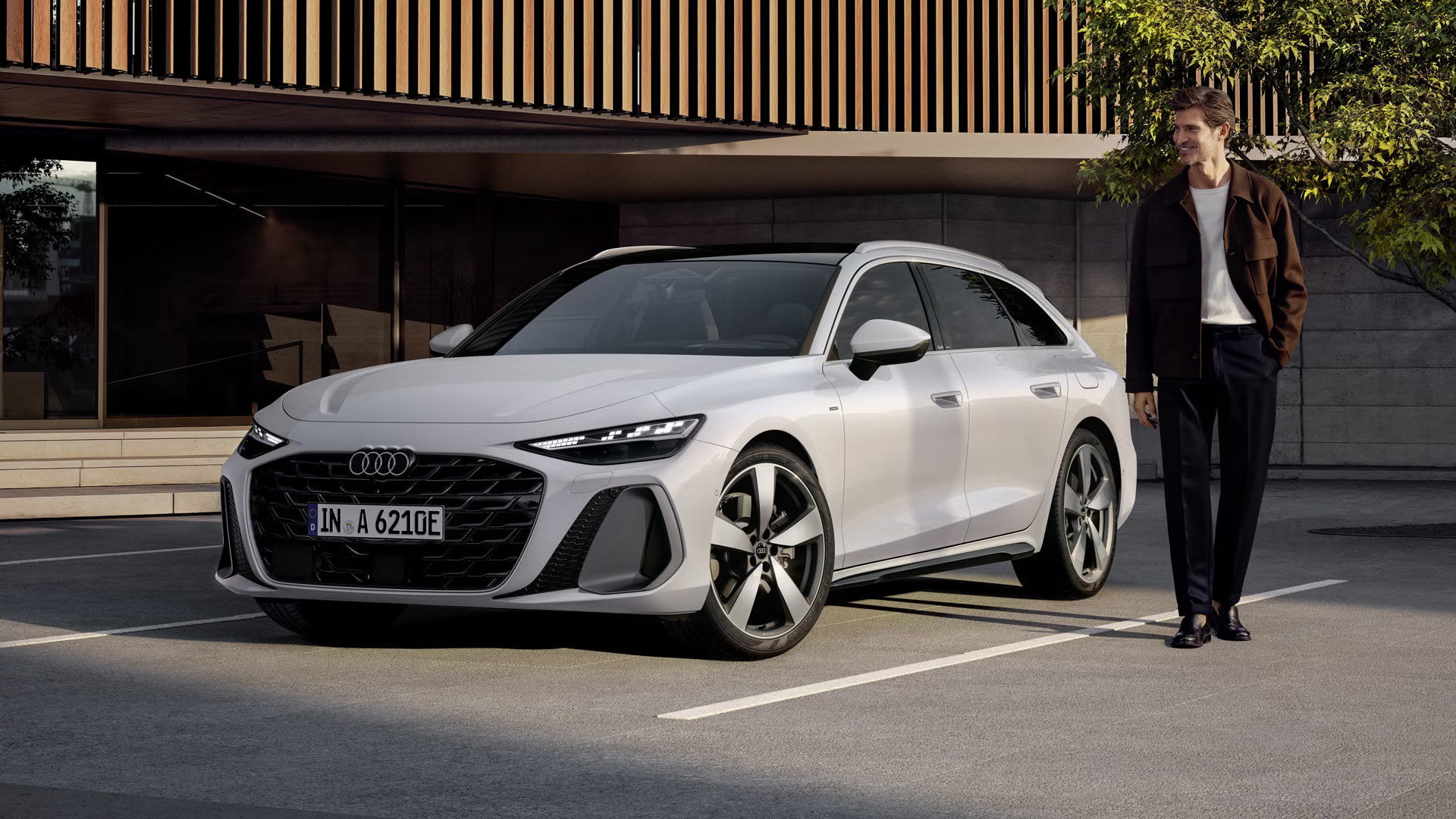
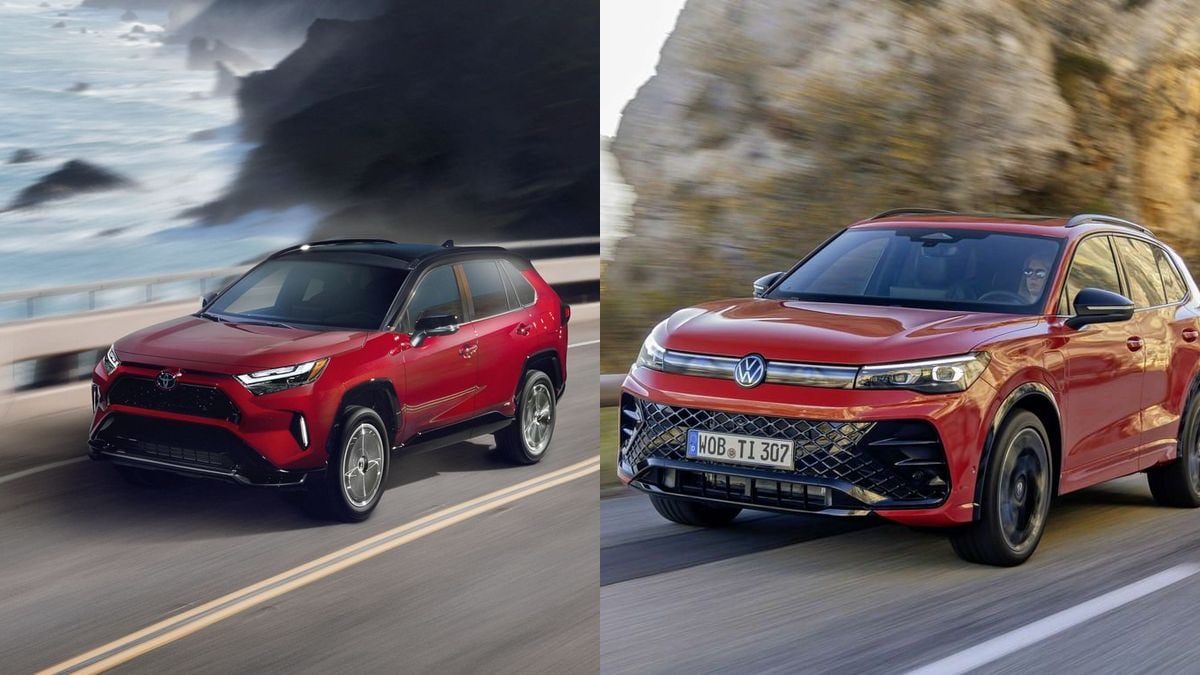
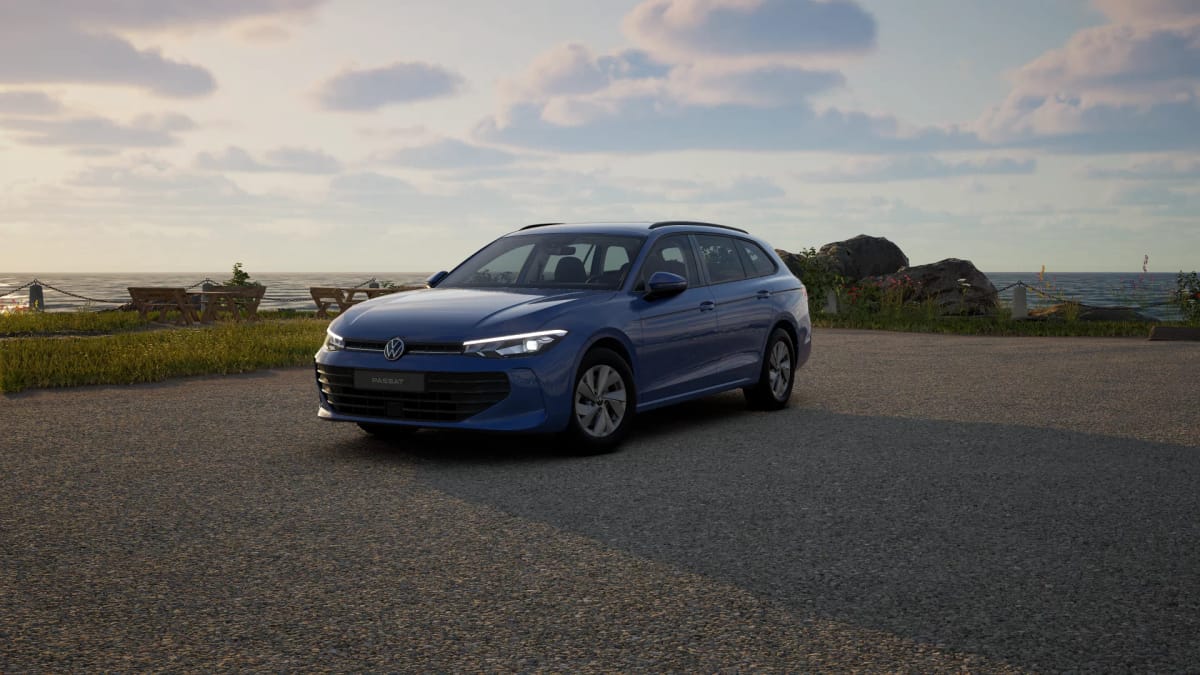
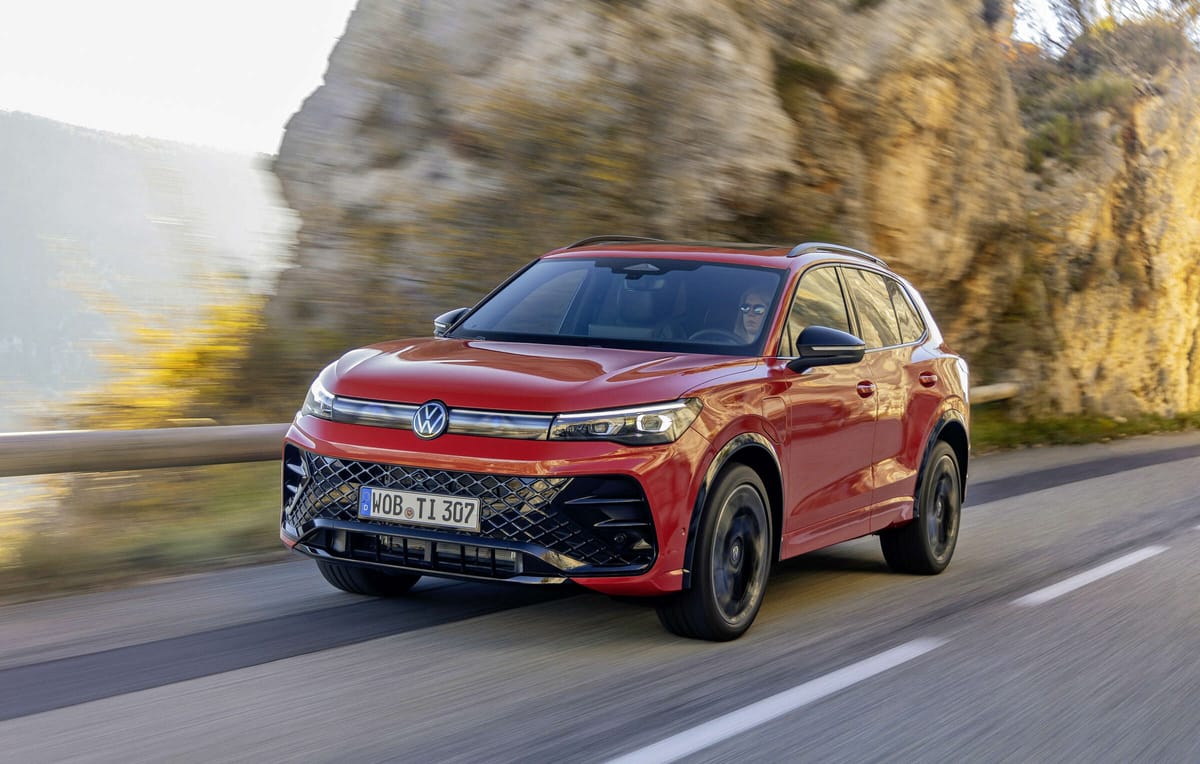
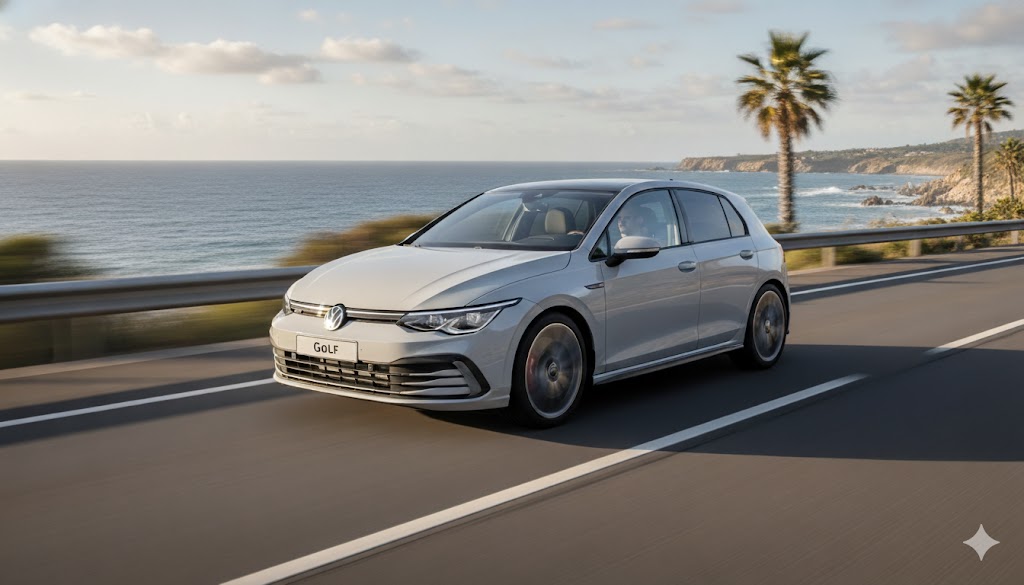
- The all-new Passat Variant eHybrid, Tiguan eHybrid, and Golf eHybrid feature a vast 25.7 kWh battery pack (19.7 kWh usable).
- They deliver 120 to 143 km of certified WLTP electric range alongside 50 kW DC rapid charging via CCS.
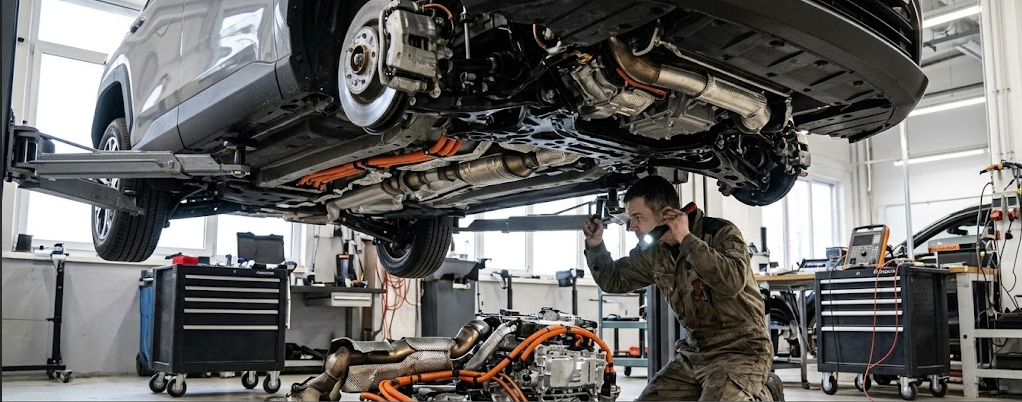
Yet this engineering victory spawned a financial nightmare. Operating two vastly complex, capital-intensive platforms simultaneously—the underutilized MEB electric plants in Zwickau and Emden alongside the intricate MQB evo hybrid lines—decimated operating margins. Every Tiguan eHybrid rolling off the line must effectively cross-subsidize the heavy fixed overheads of idle EV tooling.
3. The China Debacle: Crushed by BYD’s Hybrid Offensive
For decades, China was Volkswagen's undisputed profit engine. Generating over 40% of global vehicle sales, Chinese profits effortlessly cushioned high domestic German manufacturing costs.
Today, that market has turned into a Western carmaker graveyard:
- The Domestic Hybrid Blitz: Chinese giants, led by BYD with its ultra-efficient DM-i technology and Chery, flooded showrooms with long-range PHEVs boasting 1,000+ km of combined range at cutthroat prices starting between €15,000 and €20,000.
- Desperate Price Wars: To prevent sales from dropping to zero, VW’s joint ventures (SAIC-VW and FAW-VW) were forced into brutal discounting battles, slashing prices by up to 30%.
- Consequently, Volkswagen's once-mighty Chinese profits have virtually dried up.
4. Germany’s Crippling Cost Disadvantage
The crisis is not solely a product misstep; it is a profound competitiveness crisis:
- Labor Costs: Factory wages in Germany average €62 per hour—more than double Eastern European rates and multiple times those of Chinese competitors.
- Energy Costs: The post-geopolitical surge in German industrial energy prices severely penalizes energy-intensive casting and paint-shop processes.
- Software Turmoil: Chronic delays at internal software division CARIAD recently forced VW to pledge an extra $5 billion into a joint venture with US EV startup Rivian just to rescue its next-generation digital architecture.
5. What This Means for Car Buyers & Fleets
For prospective European private buyers and corporate fleet managers, the turmoil yields immediate strategic opportunities:
- Unprecedented Leasing Subsidies on PHEVs: To avoid crushing EU fleet CO2 penalty fines beginning in 2025/2026, Volkswagen must push massive volumes of plug-in hybrids. Lease rates and fleet discounts on the Passat eHybrid and Tiguan eHybrid are entering unprecedented bargain territory.
- Guaranteed BIK Tax Concessions: With 120+ km of range, VW’s new hybrids comfortably satisfy Germany’s 0.5% Dienstwagen tax rule and European corporate deductibility standards.
- Zero Risk of Insolvency: With the State of Lower Saxony holding 20% of voting shares and over €30 billion in net automotive liquidity, Volkswagen is unconditionally system-critical.
The PHEVs.eu Bottom Line
Volkswagen’s multi-billion earnings collapse proves that trying to dictate technology to reluctant consumers while carrying bloated cost structures is unsustainable. The market has spoken: long-range plug-in hybrids are the pragmatic bridge Europe wanted all along. Now, Wolfsburg must radically cut costs if it hopes to survive the Chinese onslaught.
What is the Real-World Range of the Volkswagen Passat Variant eHybrid (2024+)?
Official WLTP ratings are measured in a controlled 23°C laboratory. Test how winter sub-zero temperatures (-10°C), sustained 130 km/h highway speeds, and terrain elevation impact actual battery range on your specific commute.
Stay Ahead on Next-Gen PHEV Releases & OTA Updates
Get notified when new European plug-in hybrid models premiere, along with real-world range benchmarks, battery chemistry insights, and software update breakdowns.
Related Models
Technical specs and live range simulations for models featured in this report
133 km EVPassat Variant eHybrid (2024+)
 125 km EV
Tiguan eHybrid (2024+)
 143 km EV