Toyota RAV4 Plug-in Hybrid vs Volkswagen Tiguan eHybrid (2026): The Neutral Engineering Comparison — AWD-i vs 50 kW DC Fast Charging
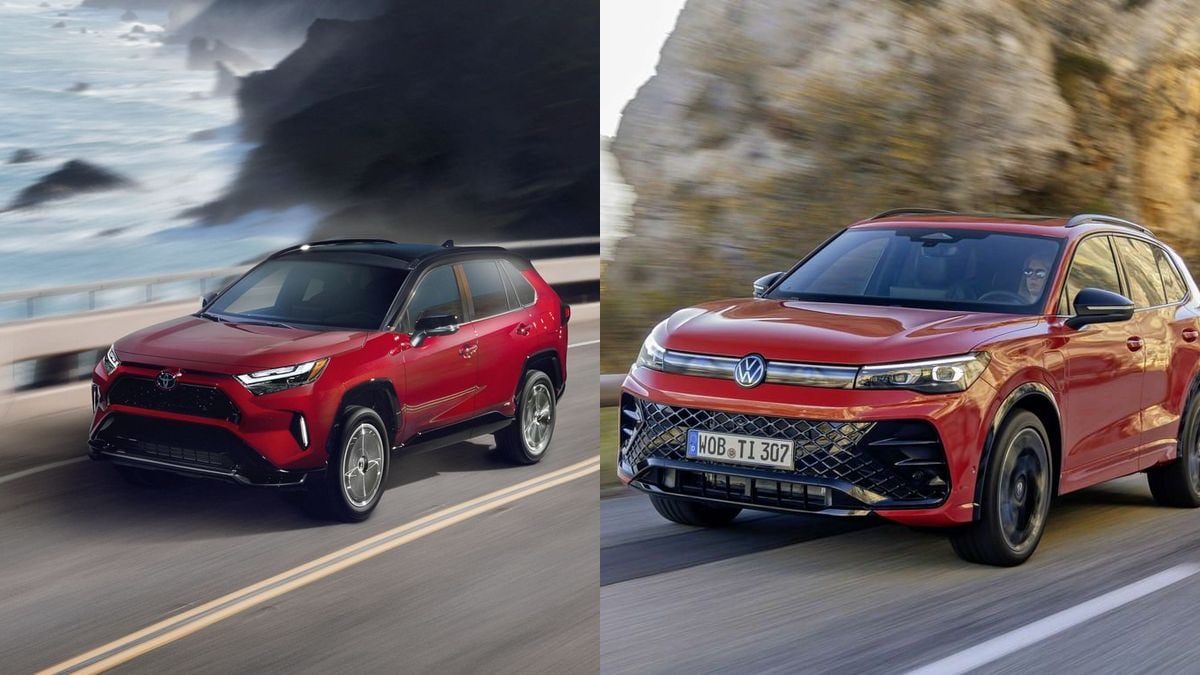
A completely objective engineering showdown between Europe's most trusted PHEV SUVs: 306 hp AWD-i performance and 5.5 L/100 km CS fuel economy vs 125 km electric range and 50 kW DC fast charging.
In the European electrified SUV arena, prospective buyers seeking longevity, executive prestige, and low total cost of ownership invariably arrive at the ultimate compact crossover showdown: the Toyota RAV4 Plug-in Hybrid versus the Volkswagen Tiguan eHybrid.
Both models represent the gold standard of trust among European families and corporate fleet drivers benefiting from low Benefit-in-Kind (BiK) company car tax rates in the UK and Germany's 0.5% Dienstwagen tax allowance. However, beneath the bodywork and within their respective charging ports lie two diametrically opposed engineering philosophies:
- On one side: Toyota’s legendary series-parallel hybrid synergy drive, marrying a thermally ultra-efficient 2.5-litre Atkinson engine with an independent rear electric motor to provide 306 hp and intelligent all-wheel drive (AWD-i) with mechanical simplicity.
- On the other side: Volkswagen’s 3rd-generation MQB evo architecture, redefining mid-size PHEV benchmarks with 50 kW DC Fast Charging and an impressive 125 km (78 miles) WLTP pure electric range.
In this comprehensive, data-verified engineering analysis, we bypass marketing brochures to compare powertrain efficiency, real-world charging speeds, depleted-battery (Charge-Sustaining) fuel economy, and cabin ergonomics with total objectivity.
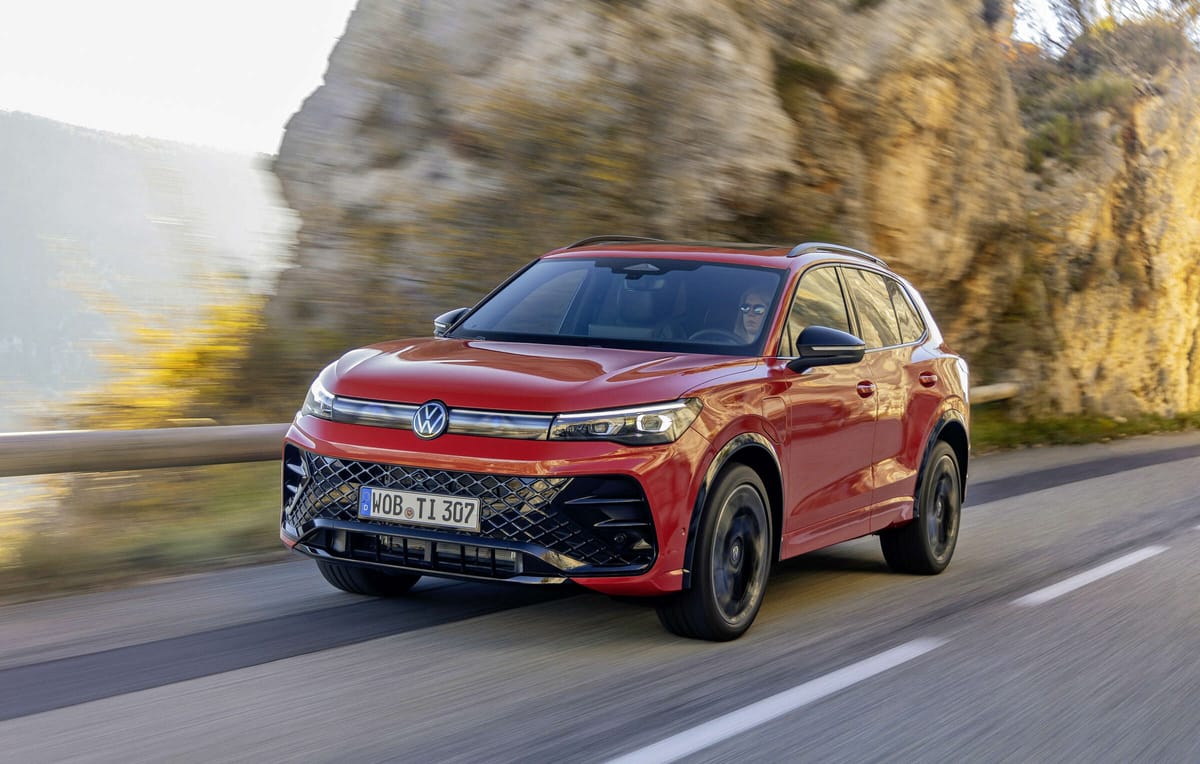 2025🏆 125 km EV
Tiguan eHybrid (2024+)
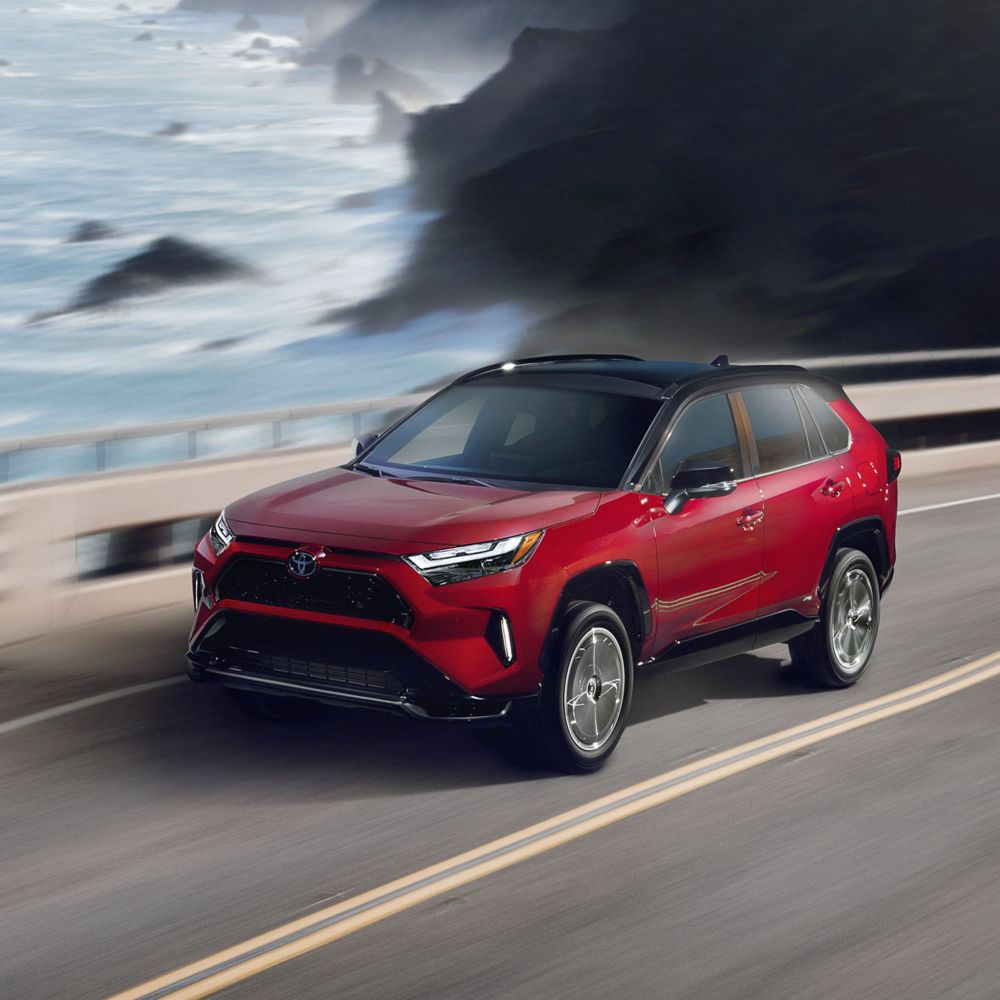 2023
RAV4 Plug-in Hybrid (2020-2023)
1. Powertrain Architecture & Traction: 306 HP AWD-i vs 204/272 HP FWD
The fundamental divergence in dynamic character stems from how each hybrid system delivers torque to the road:
Toyota RAV4 Plug-in Hybrid (Series-Parallel e-CVT with E-Four AWD-i):
- Architecture: Combines a 2.5-litre Dynamic Force naturally aspirated engine (185 hp, 41% thermal efficiency) with a 182 hp front electric motor and an independent 54 hp rear axle motor (E-Four).
- System Output: A commanding 306 hp (225 kW). It accelerates from 0 to 100 km/h in just 6.0 seconds, establishing it as one of the fastest SUVs in its class.
- Traction & Winter Poise: Without any mechanical propeller shaft invading the cabin floor, the rear electric motor engages within milliseconds upon detecting slip. On wet asphalt, snow-covered mountain passes, or gravel gradients, traction stability is exceptional.
- Transmission Characteristics: The planetary gear e-CVT is virtually indestructible with zero friction clutches or dual-mass flywheels to wear out. However, under aggressive kickdown, the engine holds steady at high revs, transmitting an audible mechanical drone into the cabin.
Volkswagen Tiguan eHybrid (Parallel e-DSG Front-Wheel Drive):
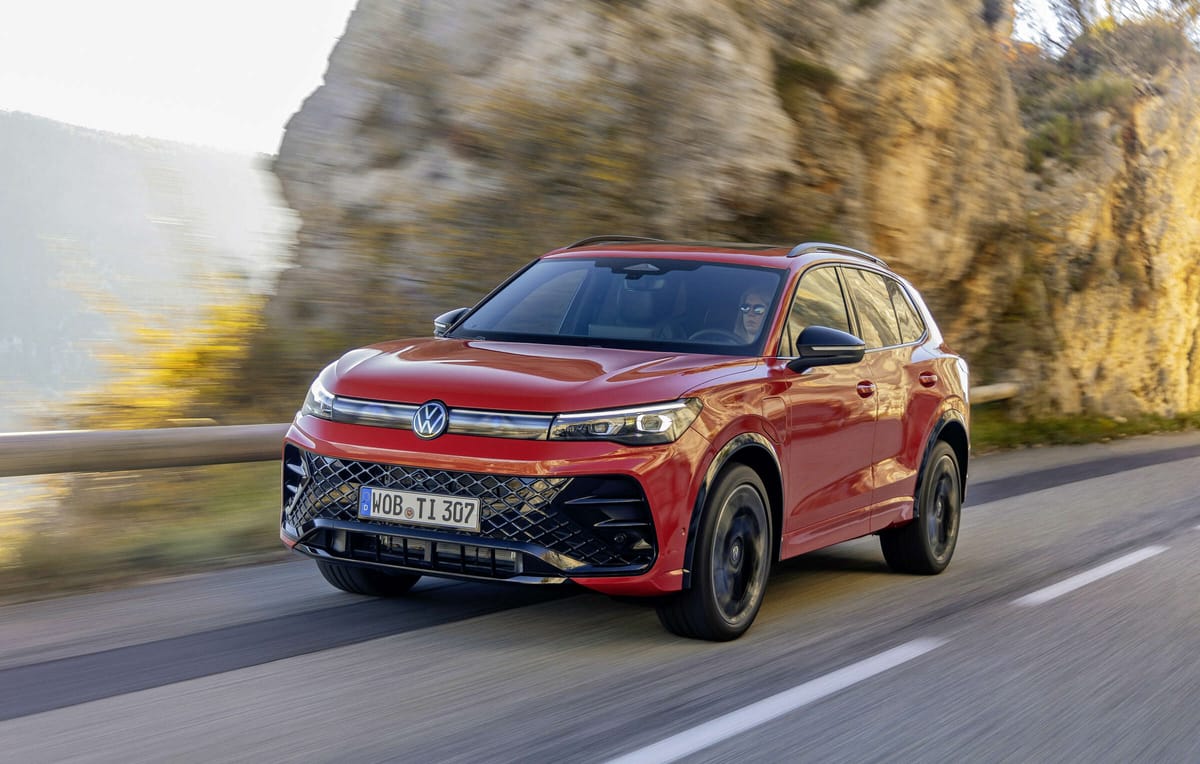
- Architecture: Pairs an advanced 1.5 TSI evo2 variable-geometry turbo engine (EA211 evo2, 150 hp or 177 hp) operating on the fuel-saving Miller combustion cycle with an integrated 115 hp permanent-magnet synchronous electric motor housed inside a 6-speed wet dual-clutch transmission (DQ400e evo).
- System Output: Offered in two tune levels: 204 hp (350 Nm) or 272 hp (400 Nm). 0-100 km/h acceleration takes 8.0 seconds (204 hp) or 7.1 seconds (272 hp).
- Drivetrain Constraints: The Tiguan eHybrid is exclusively front-wheel drive (FWD). Unlike its pure petrol siblings, Volkswagen does not offer a 4Motion all-wheel-drive system on the eHybrid. While lighter on dry motorways, rapid full-throttle departures on damp roads can induce momentary front-wheel wheelspin.
- Driving Feel: The stepped ratios of the 6-speed DSG deliver the familiar, composed European driving engagement with direct throttle connection.
2. Battery Range & The Fast-Charging Revolution: 50 kW DC CCS2
Daily plug-in hybrid utility is dictated by battery capacity and charging turnaround times:
| Charging Metric | Toyota RAV4 Plug-in Hybrid | Volkswagen Tiguan eHybrid |
|---|---|---|
| Battery Capacity (Gross / Usable) | 18.1 kWh / 14.5 kWh | 25.7 kWh / 19.7 kWh |
| WLTP Electric Range | 75 km (City ~98 km) | 115 – 126 km (City ~140 km) |
| DC Fast Charging Support | ❌ None (AC only) | ✅ 50 kW DC Fast Charging (CCS2) |
| DC Charging Time (10% to 80%) | Not supported | ~25 Minutes |
| Maximum AC Charging Power | 6.6 kW (Single-phase 32A) | 11 kW (Three-phase 16A) |
| AC Charging Time (Home Wallbox) | ~2.5 to 4.5 Hours | ~2.5 Hours (11 kW) |
Real-World Practicality on European Motorways:
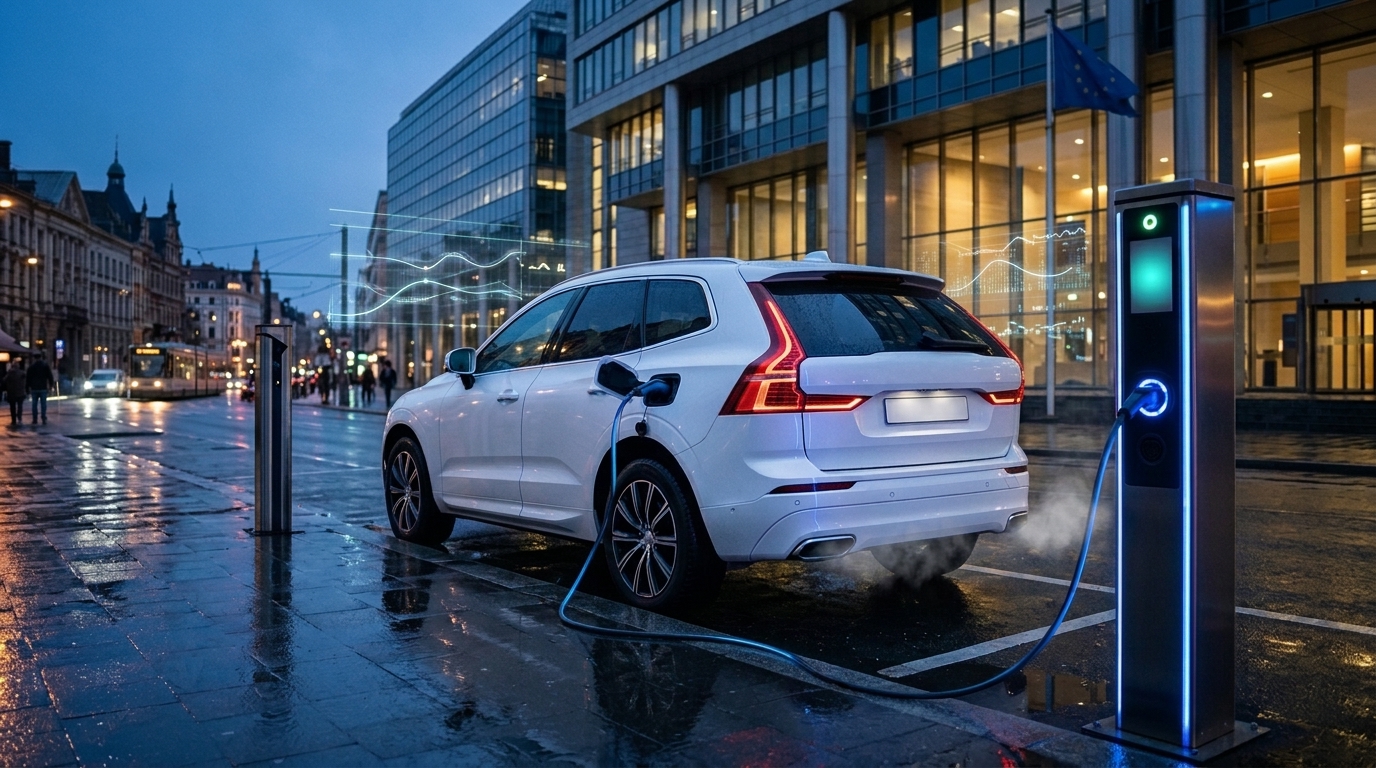
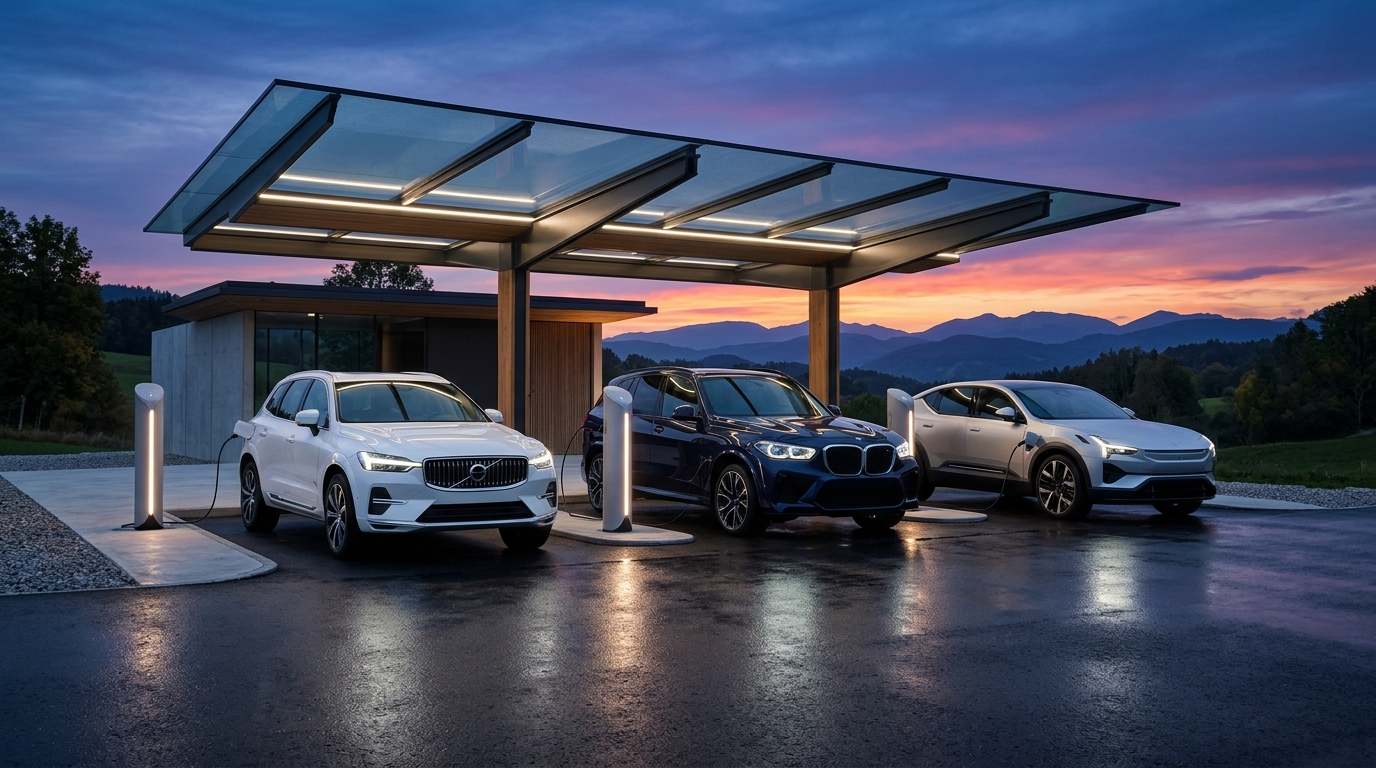
- Tiguan eHybrid: With 19.7 kWh usable battery capacity, typical European suburban commuters (40–60 km daily) can commute for two consecutive days without consuming a drop of petrol. More significantly, on long cross-country motorway journeys, a 25-minute coffee stop at an Ionity or Fastned 50 kW DC charger replenishes roughly 90–100 km of pure-electric driving.
- RAV4 Plug-in: Its 75 km WLTP range comfortably covers typical daily city driving. However, lacking DC fast charging, pausing at a motorway charging plaza is impractical, requiring 2.5 to 3.5 hours for a meaningful charge. The RAV4 is engineered for drivers who recharge overnight on an AC wallbox and cruise on hybrid petrol power during long motorway journeys.
3. Depleted Battery (Charge-Sustaining / CS Mode) Fuel Economy
A crucial consideration for long-distance drivers is motorway fuel consumption once the high-voltage battery reserve is depleted:
- Toyota RAV4 PHEV (The Efficiency Benchmark):
Toyota’s 2.5L Dynamic Force engine achieves an industry-leading 41% thermal efficiency. Even when the instrument cluster displays 0% electric charge, the system maintains a ~15% reserve buffer, operating as a full self-charging hybrid (HEV). At steady motorway cruising speeds (110–130 km/h), verified real-world consumption consistently ranges between 5.4 and 6.2 L/100 km (45–52 mpg UK). - Volkswagen Tiguan eHybrid:
When operating on internal combustion power alone to propel an unladen kerb weight of nearly 1,860 kg, the 1.5 TSI turbo engine achieves a respectable but higher motorway consumption of 6.4 to 7.4 L/100 km (38–44 mpg UK). While its regenerative coasting algorithms are sophisticated, the downsized turbo unit simply lacks the raw thermal efficiency of Toyota’s larger Atkinson displacement when cruising at high speeds.
4. Cabin Ergonomics, DCC Pro Suspension & Practicality
- Ergonomics & Infotainment:
- Toyota RAV4: Embraces functional, rugged tactile ergonomics. Climate controls feature chunky, rubberized physical dials that can be adjusted effortlessly with winter gloves. It eschews flashiness for distraction-free usability.
- VW Tiguan: Boasts an opulent, tech-forward cockpit dominated by a massive 15-inch MIB4 touchscreen, ambient illumination, and ChatGPT-integrated IDA voice controls. However, controlling ventilation and seat heating primarily through display submenus requires an acclimatization period.
- Ride Quality & Chassis Refinement (DCC Pro):
- The Tiguan offers optional DCC Pro dual-valve adaptive dampers, capable of independently managing compression and rebound. Over broken motorway tarmac and undulating country roads, the Tiguan delivers peerless German composure and noise isolation.
- The RAV4 rides on Toyota's rigid TNGA-K platform, offering stable, predictable road manners, but its passive damper setup feels slightly firmer over abrupt expansion joints.
- Towing Capacity:
- The Tiguan eHybrid is rated for up to 2,000 kg braked towing capacity, making it a formidable tow vehicle for horseboxes or heavy caravans.
- The RAV4 Plug-in Hybrid is rated for 1,500 kg braked towing capacity, providing ample capability for medium trailers but falling short of the Tiguan’s industrial pulling power.
5. Technical Comparison Matrix
| Metric | Toyota RAV4 Plug-in Hybrid (AWD-i) | Volkswagen Tiguan eHybrid (2024+) |
|---|---|---|
| Combustion Engine | 2.5L Atkinson Natural Aspiration (4-cyl) | 1.5 TSI evo2 Miller Turbo (4-cyl) |
| Total System Power | 306 hp (225 kW) | 204 hp (150 kW) / 272 hp (200 kW) |
| Drivetrain | Intelligent All-Wheel Drive (E-Four AWD-i) | Front-Wheel Drive (FWD) |
| 0–100 km/h (0–62 mph) | 6.0 seconds | 8.0 s (204 hp) / 7.1 s (272 hp) |
| Usable Battery Capacity | 14.5 kWh (18.1 kWh gross) | 19.7 kWh (25.7 kWh gross) |
| WLTP Electric Range | 75 km (47 miles) | 115 – 126 km (71 – 78 miles) |
| DC Fast Charging | ❌ None (Max 6.6 kW AC) | ✅ 50 kW DC CCS2 (~25 min 10–80%) |
| Depleted Battery Consumption (CS) | 5.4 – 6.2 L/100 km (45–52 mpg UK) | 6.4 – 7.4 L/100 km (38–44 mpg UK) |
| Braked Towing Capacity | 1,500 kg | 2,000 kg |
| Warranty Coverage | Up to 10 Years / 160,000 km (Toyota Relax) | 2–3 Years Factory (8 Yrs Battery) |
| Fleet Tax Classification | Germany 0.5% / UK BiK / EU Low Emission | Germany 0.5% / UK BiK / EU Low Emission |
6. The Verdict: Which SUV Fits Your Profile?
Rather than declaring a singular winner, engineering data clearly delineates two distinct owner profiles:
✅ Choose the Toyota RAV4 Plug-in Hybrid if:
- You demand the safety and traction of intelligent all-wheel drive (AWD-i) for snowy climates, mountainous terrain, or unpaved tracks.
- You relish rapid acceleration, enjoying a sports-car-rivaling 0–100 km/h sprint of 6.0 seconds.
- You charge overnight at home on a standard wallbox and have no need for public DC fast-charging infrastructure.
- You frequently undertake 600+ km motorway trips and value an ultra-frugal 5.5 L/100 km fuel consumption even with a depleted battery.
- You prioritize mechanical durability, tactile physical buttons, and the peace of mind offered by up to 10 years of Toyota Relax warranty coverage.
✅ Choose the Volkswagen Tiguan eHybrid if:
- Your daily commute spans 60–100 km and you want to drive all week in pure-electric silence without burning a drop of fuel.
- You value the convenience of 50 kW DC Fast Charging, restoring 100 km of electric range in a rapid 25-minute motorway coffee break.
- Front-wheel drive meets your weather needs, and you prioritize a superior 2,000 kg braked towing capacity for heavy trailers or boats.
- You desire the cutting-edge aesthetic of the 15-inch MIB4 digital cockpit, refined cabin acoustic insulation, and the supple ride of DCC Pro adaptive dampers.
Detailed Comparisons & Live Route Telemetry:
Stay Ahead on Next-Gen PHEV Releases & OTA Updates
Get notified when new European plug-in hybrid models premiere, along with real-world range benchmarks, battery chemistry insights, and software update breakdowns.
Related Models
Technical specs and live range simulations for models featured in this report
125 km EVTiguan eHybrid (2024+)
75 km EVRAV4 Plug-in Hybrid (2020-2023)
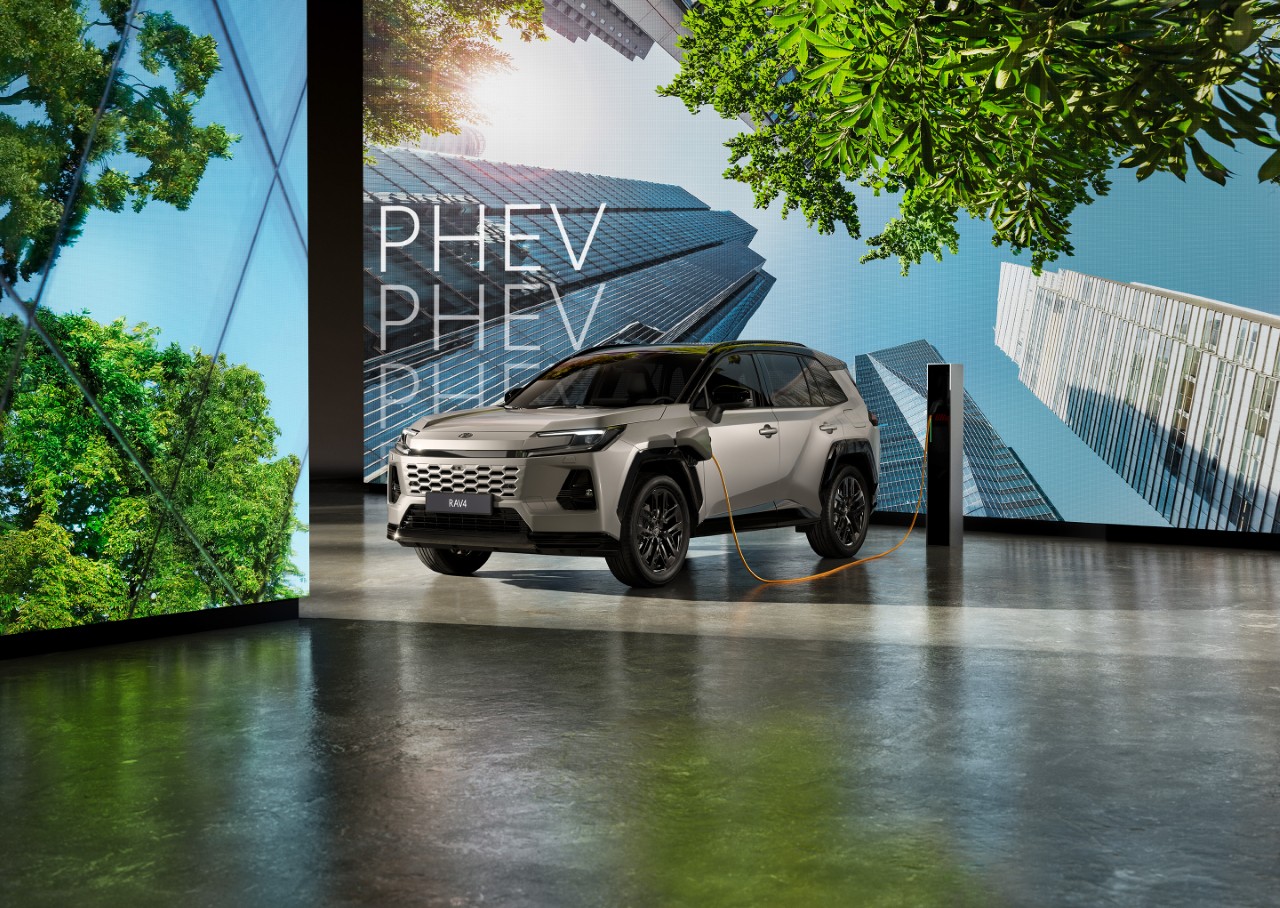 102 km EV