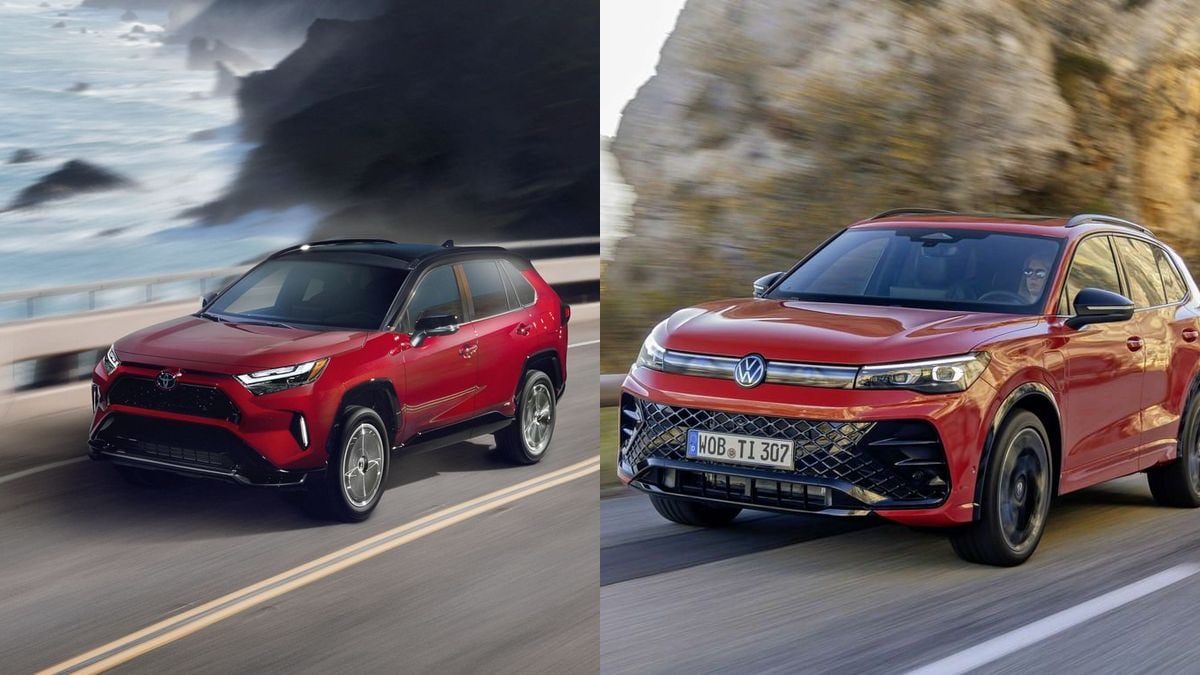
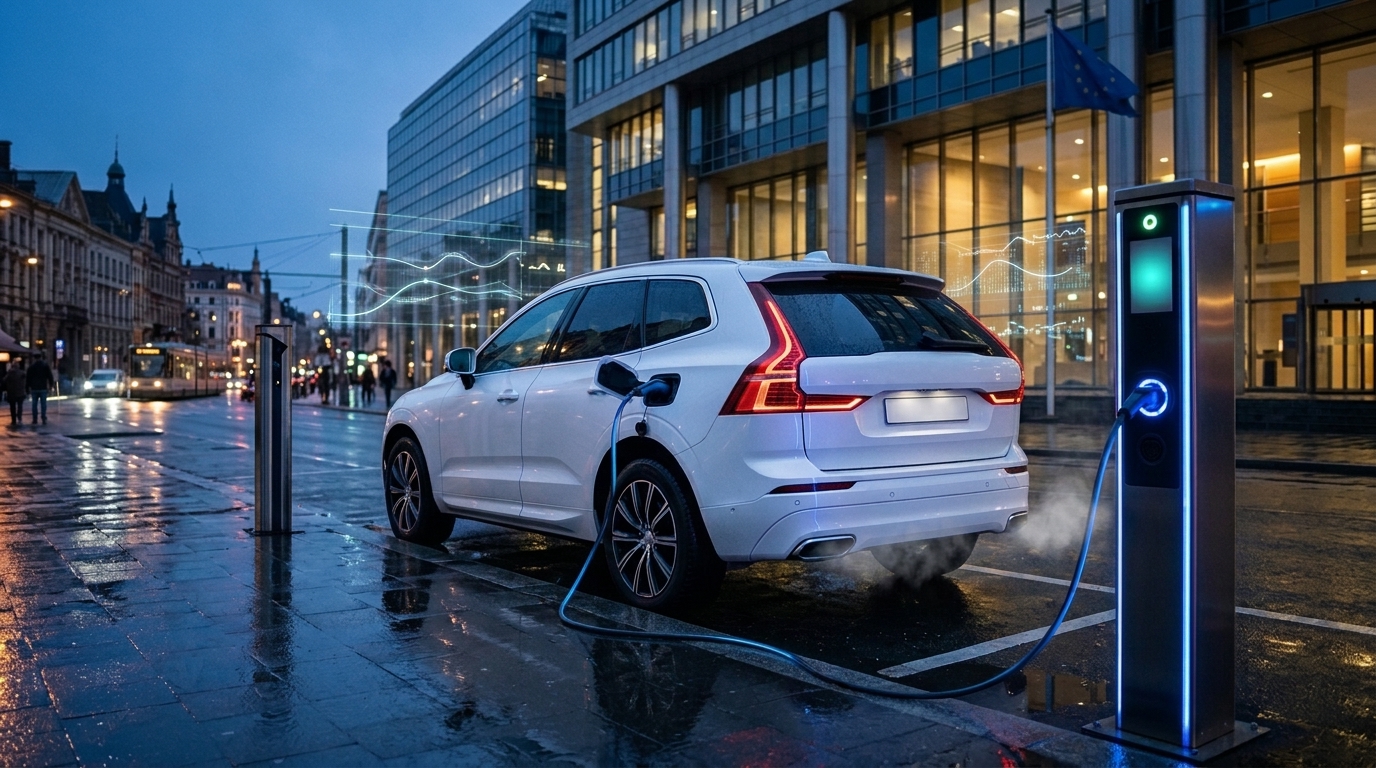
The Hidden Engineering & Complexity Bill of PHEVs: 40 kPa Pressurized Fuel Tanks (FTIV), 400 °C Heated Catalysts (EHC), Deep Battery Cycle Stress, and Rare-Earth-Free EESM Motors
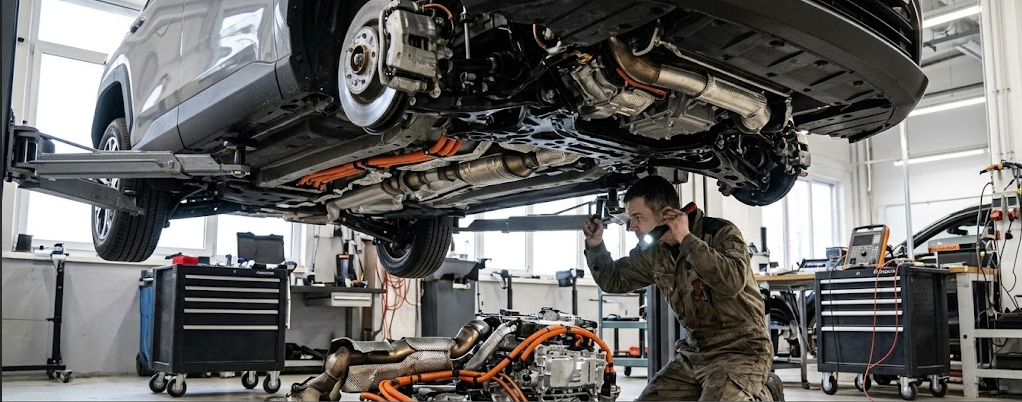
The under-the-bonnet hardware realities brochures never mention: 40 kPa steel-reinforced pressurized fuel tanks (FTIV), 400 °C electrically heated catalysts (EHC), daily deep-cycle battery stress under Euro 7, and magnet-free EESM motors.
In automotive marketing brochures, Plug-in Hybrids (PHEVs) are invariably pitched as "the best of both worlds: pure electric in the city, limitless petrol on the motorway." Yet when we strip away the marketing gloss and examine the underlying engineering and regulatory data, a much harsher truth emerges: A PHEV is forced to carry the entire mechanical, thermal, and chemical complexity of both worlds inside a single chassis.
It possesses neither the mechanical simplicity of a pure Battery Electric Vehicle (BEV) nor the lightweight, low-cost exhaust and fuel architecture of a conventional combustion car. Under the combined pressure of Euro 7 (Regulation (EU) 2024/1257), Euro 6e-bis, and the EU Industrial Accelerator Act (IAA), PHEVs require five expensive, failure-sensitive subsystems that most buyers never realize exist:
1. The 40 kPa Pressurized Fuel Tank & FTIV Valve: Why Your Fuel Cap Won't Open Immediately
A disciplined PHEV owner can drive for weeks on end in pure electric mode without burning a drop of petrol. While ideal for urban air quality, this creates a severe physical problem inside the fuel tank:
- The Vapor Trapping Dilemma: When the combustion engine remains off for weeks, evaporating petrol fumes cannot be drawn into the intake manifold and burned. If routed continuously into a standard charcoal canister, the canister quickly saturates and leaks raw hydrocarbon (HC) vapors into the atmosphere.
- Hermetic Sealing at 35–40 kPa: To prevent evaporative emissions, PHEV fuel tanks must be hermetically sealed. This generates 35 to 40 kPa of positive internal pressure on warm days—or extreme vacuum when ambient temperatures drop.
- Steel-Reinforced Composite Tanks & FTIV: Standard plastic fuel tanks would warp or rupture under these cyclical loads. Consequently, PHEVs require thick-walled HDPE composite tanks reinforced with internal steel columns, paired with an electronic Fuel Tank Isolation Valve (FTIV) (dominated in Europe by French supplier OPmobility, formerly Plastic Omnium).
- Real-World Impact: When a driver presses the fuel flap release button at a petrol station, the flap remains locked for several seconds while the ECU commands the FTIV to depressurize the tank through the carbon canister. If the FTIV pressure sensor or valve sticks, the fuel door locks shut, triggering a workshop visit.
2. Cold-Start Emissions Shock & The 400 °C Electrically Heated Catalyst (EHC)
The Achilles' heel of PHEV emissions control occurs during a high-load cold engine start (Cold-Start Surge):
- The Problem: When cruising silently in electric mode and suddenly demanding full throttle on a motorway slip road or overtake, the stone-cold combustion engine fires up instantly at high RPM. Because the catalytic converter is at ambient temperature, raw hydrocarbons and nitrogen oxides (NOx) pass straight through the exhaust untreated during the first 60–90 seconds.
- Euro 7 Crackdown & EHC Mandate: Both Euro 6e-bis and Euro 7 (Regulation (EU) 2024/1257) impose strict penalties on these transient cold-ignition emissions spikes.
- 300–400 °C Resistive Pre-Heating: To comply, automakers must integrate Electrically Heated Catalysts (EHC) (developed by Vitesco, Emitec, and Forvia/Faurecia). Seconds before the combustion engine ignites, the EHC draws several kilowatts from the 48V or high-voltage traction battery to heat the metallic catalyst substrate to 300–400 °C—adding substantial exhaust hardware cost and draining battery energy in winter.
3. Deep Battery Cycle Stress vs. Euro 7 Durability Mandates (80% / 72% SoH)
Many buyers assume that because a PHEV battery is smaller than a BEV battery, it is simpler and less stressed. Electrochemically, the opposite is true:
- Relentless Deep Cycling: While an 80 kWh BEV battery typically undergoes only 1 or 2 full charge cycles per week, a 15 to 26 kWh PHEV battery is subjected to daily 100%-to-0% deep discharge cycles and high C-rate regenerative/charging currents.
- 11 kW AC & 50 kW DC Thermal Load: As PHEV batteries double in size and adopt 50 kW DC fast charging, the thermal and chemical stress per cell increases dramatically.
- Mandatory Euro 7 State-of-Health (SoH) Floors: Despite this grueling cycle duty, Euro 7 legally requires PHEV traction batteries to retain:
- At least 80% of original capacity after 5 years or 100,000 km,
- At least 72% of original capacity after 8 years or 160,000 km.
- To avoid costly warranty recalls, manufacturers must lock away massive gross-to-usable energy buffers (e.g., locking 6 kWh as an unusable buffer inside a 25.7 kWh pack to leave 19.7 kWh usable) and deploy aggressive liquid cooling.
4. Dual-Loop Thermal Management Labyrinth (105 °C Engine vs. 30 °C Battery)
Unlike single-powertrain vehicles, a PHEV must simultaneously manage two incompatible thermal zones under the same bonnet:
- The internal combustion engine and turbocharger circuit operating at 90 to 105 °C,
- The lithium-ion battery pack and Silicon Carbide (SiC) power electronics requiring a strict 25 to 35 °C window.
- Managing both requires a high-voltage electric scroll compressor, a refrigerant-to-glycol battery chiller, multiple independent electric water pumps, and multi-way proportional valves (supplied by Mahle and Valeo)—multiplying hardware complexity and potential long-term coolant valve failure points.
5. Escaping China's Rare-Earth Monopoly: Magnet-Free EESM Motors & P1+P3 DHTs
Traditional permanent magnet synchronous motors (PMSM) rely on Neodymium-Iron-Boron (NdFeB) magnets doped with heavy rare-earth elements—Dysprosium and Terbium—over 90% of which are mined and refined in China:
| PHEV Subsystem | Supply Chain & Engineering Bottleneck | Industrial & Architectural Countermeasure |
|---|---|---|
| Traction Electric Motor | >90% Chinese monopoly on heavy rare-earth magnets (Dysprosium/Terbium) & export controls | Transition to EESM (Electrically Excited Synchronous Motors) using copper rotor windings and brushless inductive excitation (Renault, Valeo, ZF, Vitesco). |
| Hybrid Transmission | Packaging and efficiency limits of legacy single-motor P2 gearboxes | P1+P3 Dedicated Hybrid Transmissions (DHT) integrating generator + traction motor in a compact housing. |
| BMS & Power Electronics | Reliance on Asian/US foundries for SiC MOSFET wafers and ASIL-D microcontrollers | European semiconductor integration (Infineon, STMicroelectronics, NXP) to meet the 50% EU electronics quota. |
| Fuel & Aftertreatment | Evaporative pressure during EV driving & cold-start ICE emissions spikes | 40 kPa steel-reinforced composite fuel tank (FTIV) & 400 °C Electrically Heated Catalyst (EHC). |
- The EESM Trade-Off: By replacing permanent magnets with copper rotor coils, EESM motors eliminate rare-earth geopolitical risk, secure the EU’s 50% e-powertrain local content quota, and allow electronic magnetic flux weakening at motorway speeds to reduce drag losses—at the cost of added rotor brush/inductive exciter electronics.
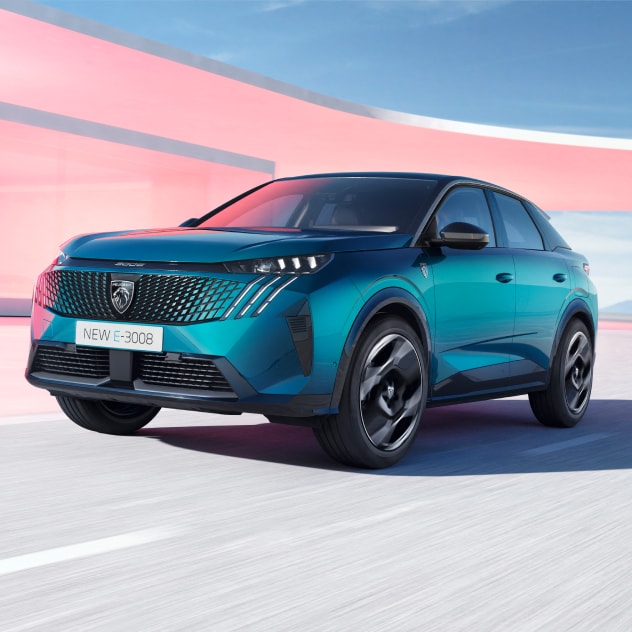 2025
3008 Plug-in Hybrid 195
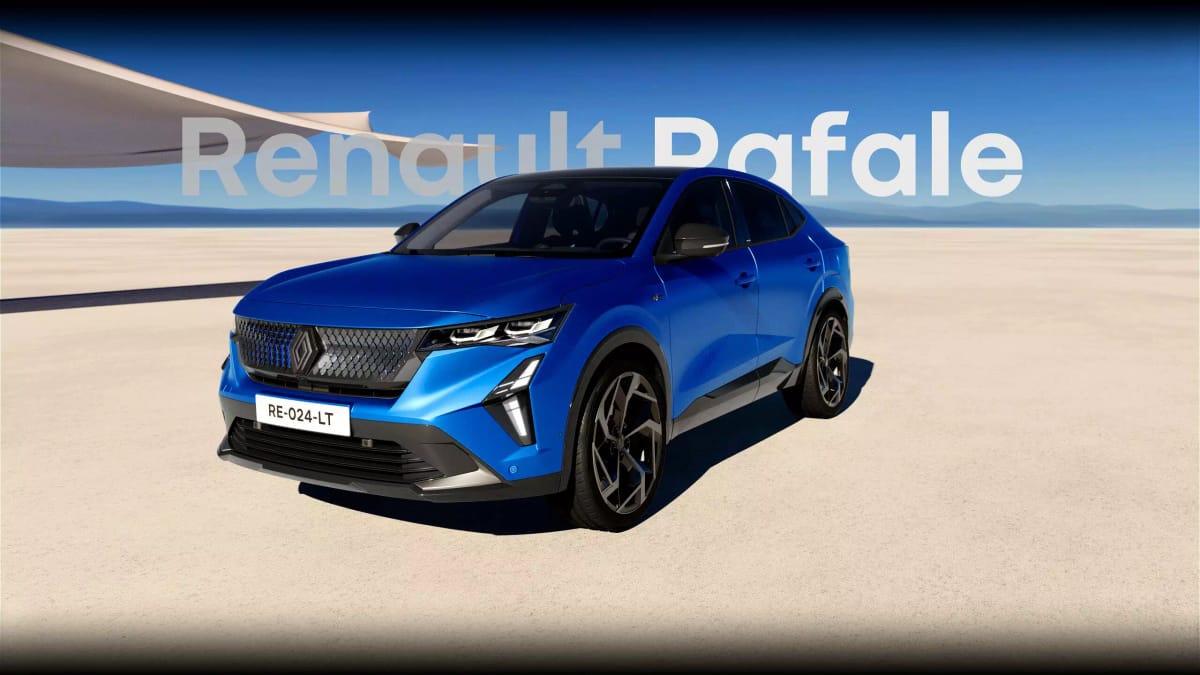 2025
Rafale
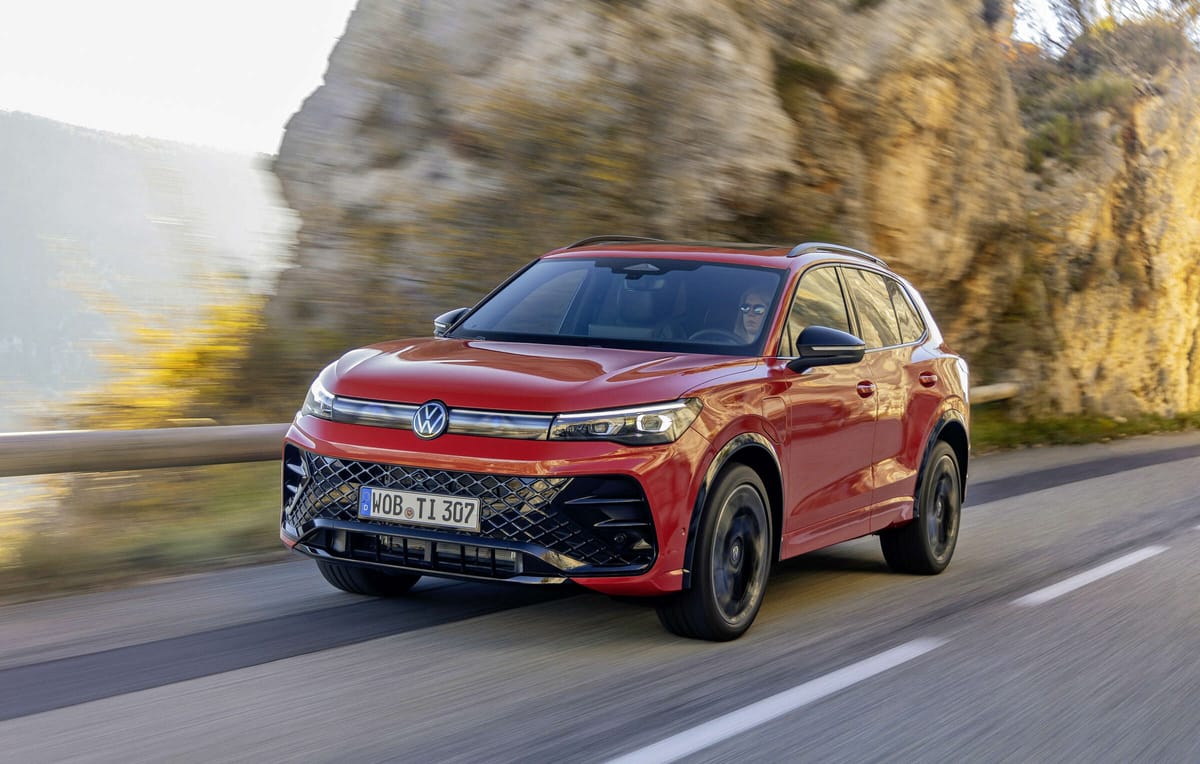 2025🏆 125 km EV
Tiguan eHybrid (2024+)
Verdict: The Cold Engineering Reality
The data leave no room for sugarcoating:
- When you buy a modern Euro 6e-bis / Euro 7 PHEV, you are not simply buying a petrol car with a battery attached. You are buying a 40 kPa steel-reinforced pressurized fuel tank, an FTIV isolation valve, a 400 °C electrically heated catalyst, a dual-loop chiller network, and a traction battery enduring daily deep-cycle stress.
- While PHEVs remain highly effective for disciplined home chargers and corporate lease drivers within warranty periods, they represent the most mechanically dense and regulation-burdened powertrain architecture in automotive history.
Related Technical Guides:
Stay Ahead on Next-Gen PHEV Releases & OTA Updates
Get notified when new European plug-in hybrid models premiere, along with real-world range benchmarks, battery chemistry insights, and software update breakdowns.
Related Models
Technical specs and live range simulations for models featured in this report
87 km EV3008 Plug-in Hybrid 195
100 km EVRafale
125 km EV