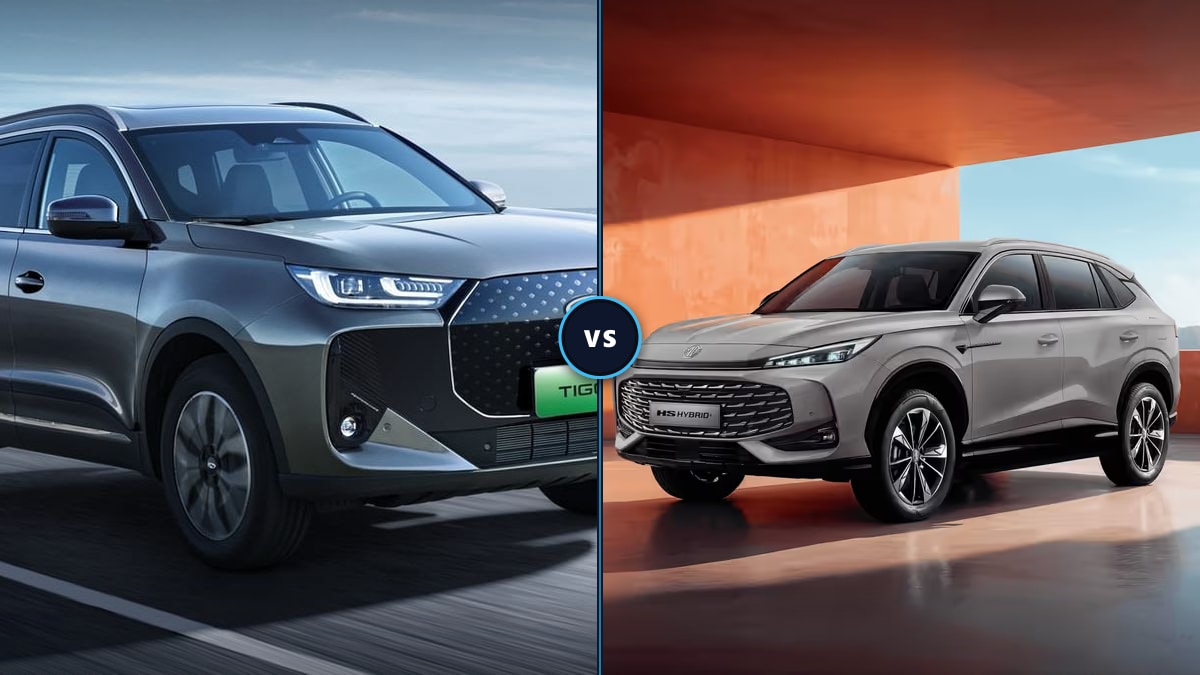
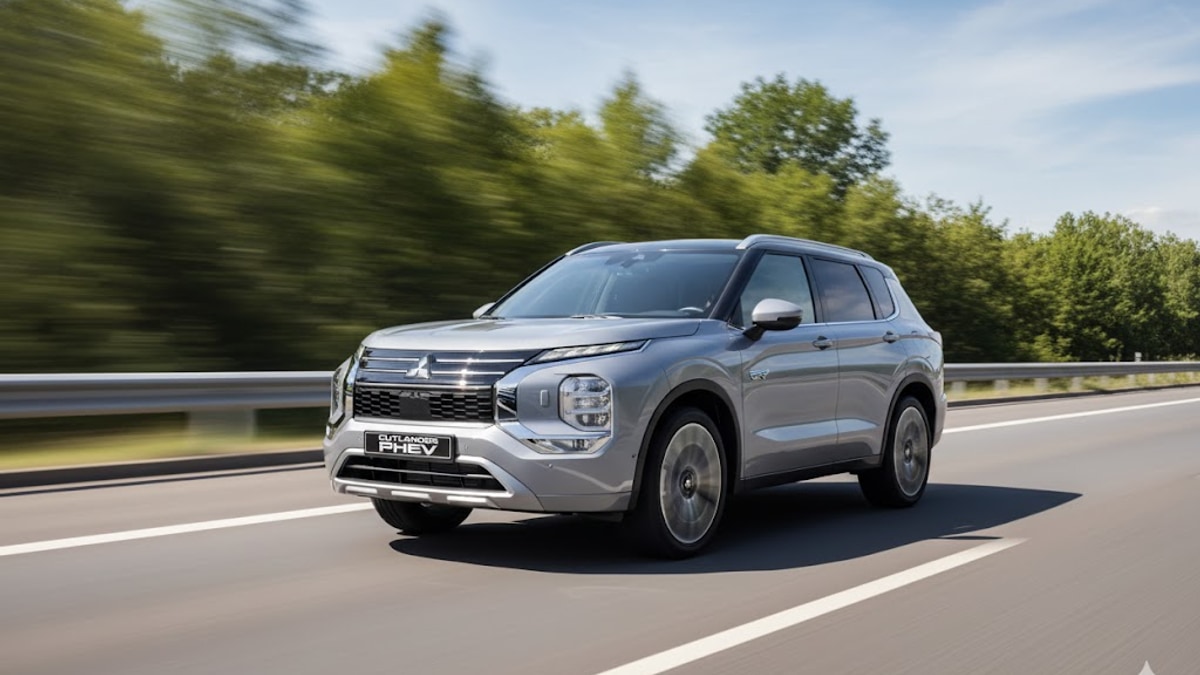
PHEV vs BEV 2025: Which is More Suitable for You?

We examine in detail the differences between plug-in hybrid (PHEV) and fully electric (BEV) vehicles. We compare the advantages and disadvantages of both technologies.
In 2025, the electric vehicle market is built on two main technologies: Plug-in Hybrid Electric Vehicles (PHEV) and Battery Electric Vehicles (BEV). This guide will help you determine which technology is more suitable for you.
PHEV (Plug-in Hybrid Electric Vehicle):
Advantages:
✅ Unlimited range with gasoline engine
✅ No complete dependence on charging infrastructure
✅ Generally lower starting price
✅ Higher demand in used car market
✅ Practical for long-distance travel
Disadvantages:
❌ More complex mechanical structure (maintenance cost)
❌ Limited electric range (30-100 km)
❌ Efficiency loss due to weight
❌ CO₂ emissions higher than BEV
BEV (Battery Electric Vehicle):
Advantages:
✅ Zero emissions (local)
✅ Lower maintenance cost
✅ Wide electric range (300-600+ km)
✅ Fast charging capacity (150-350 kW)
✅ Quieter and smoother driving
Disadvantages:
❌ High starting price
❌ Dependence on charging infrastructure
❌ Planning required for long-distance travel
❌ Range loss in cold weather
❌ Charging times (even fast charging 20-40 minutes)
Decision Criteria:
Choose PHEV If:
- You regularly travel long distances
- You live in an area with limited charging infrastructure
- Budget is limited
- You have used car value concerns
Choose BEV If:
- Mostly urban use
- Charging opportunity at home or work
- Environmental impact is priority
- You're tech-savvy
2025 Market Trends:
- PHEV sales increasing especially in corporate fleets
- BEVs popular among individual consumers
- Both segments growing but appealing to different user groups
In conclusion, both technologies are ideal for their own use scenarios. PHEVs play an important role as a transitional technology, while BEVs are the long-term solution of the future.
What is the Real-World Range of the Alfa Romeo Tonale?
Official WLTP ratings are measured in a controlled 23°C laboratory. Test how winter sub-zero temperatures (-10°C), sustained 130 km/h highway speeds, and terrain elevation impact actual battery range on your specific commute.
Stay Ahead on Next-Gen PHEV Releases & OTA Updates
Get notified when new European plug-in hybrid models premiere, along with real-world range benchmarks, battery chemistry insights, and software update breakdowns.
Related Models
Technical specs and live range simulations for models featured in this report
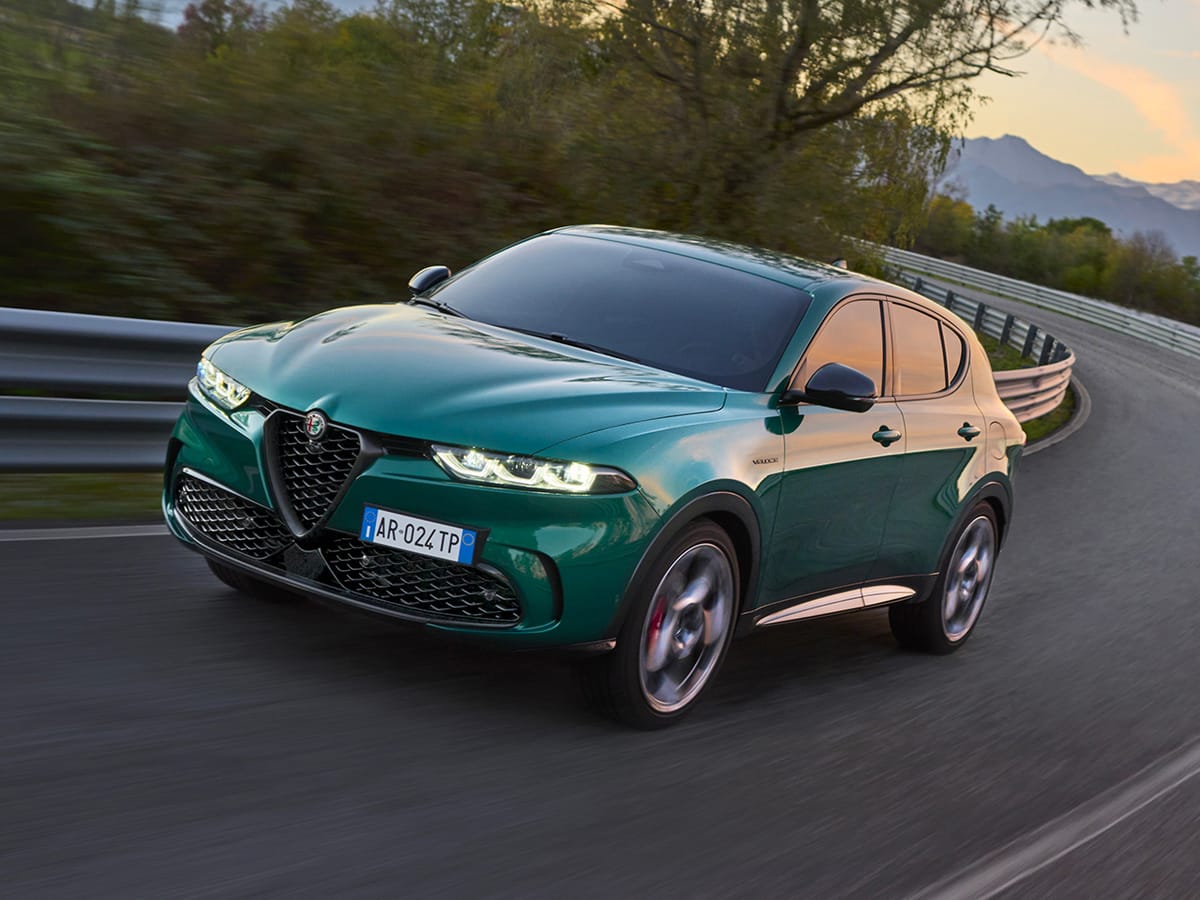 60 km EV
Tonale
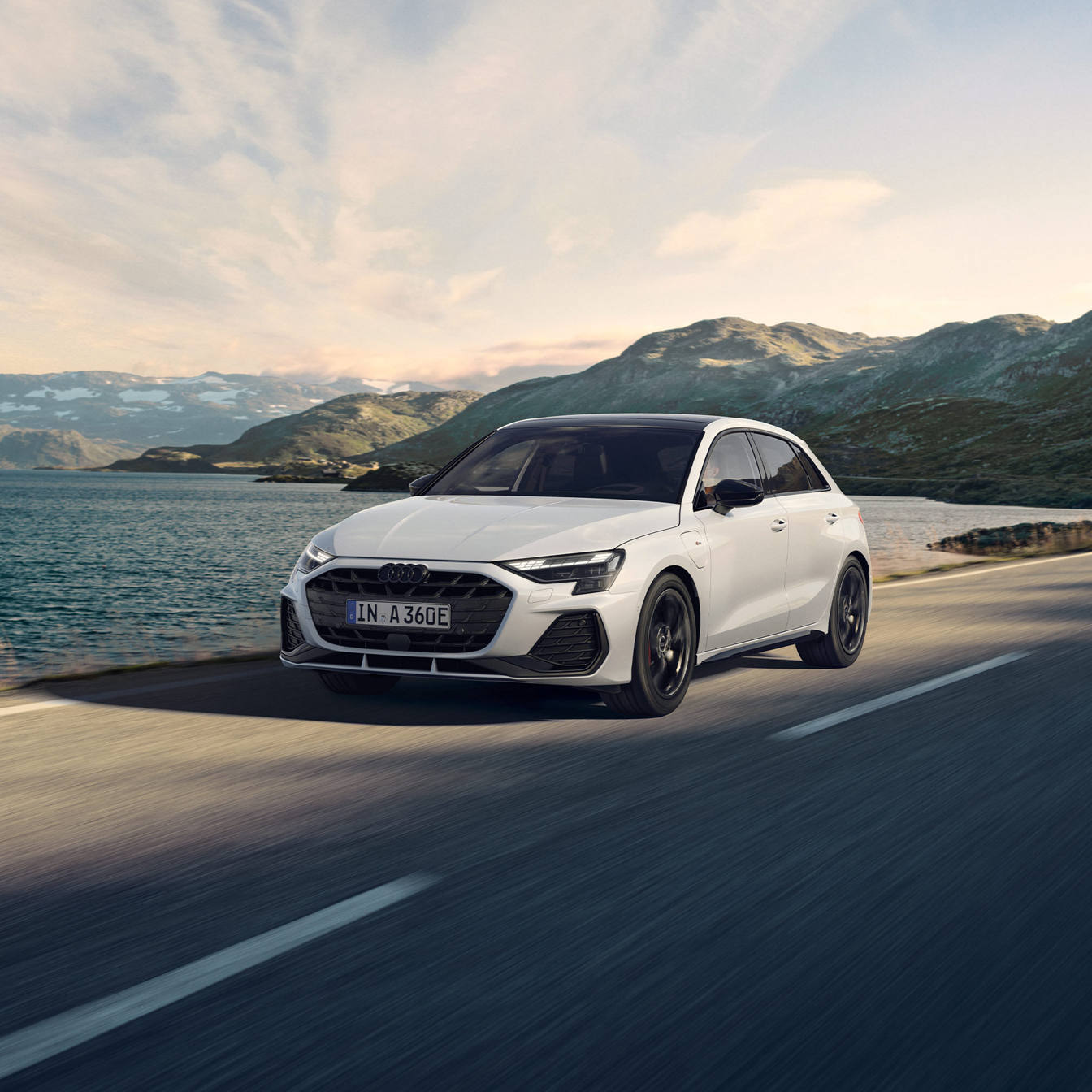 133 km EV
A3 Sportback 40 TFSI e
 108 km EV