PHEV vs BEV 2025: Which is More Suitable for You?

We examine in detail the differences between plug-in hybrid (PHEV) and fully electric (BEV) vehicles. We compare the advantages and disadvantages of both technologies.
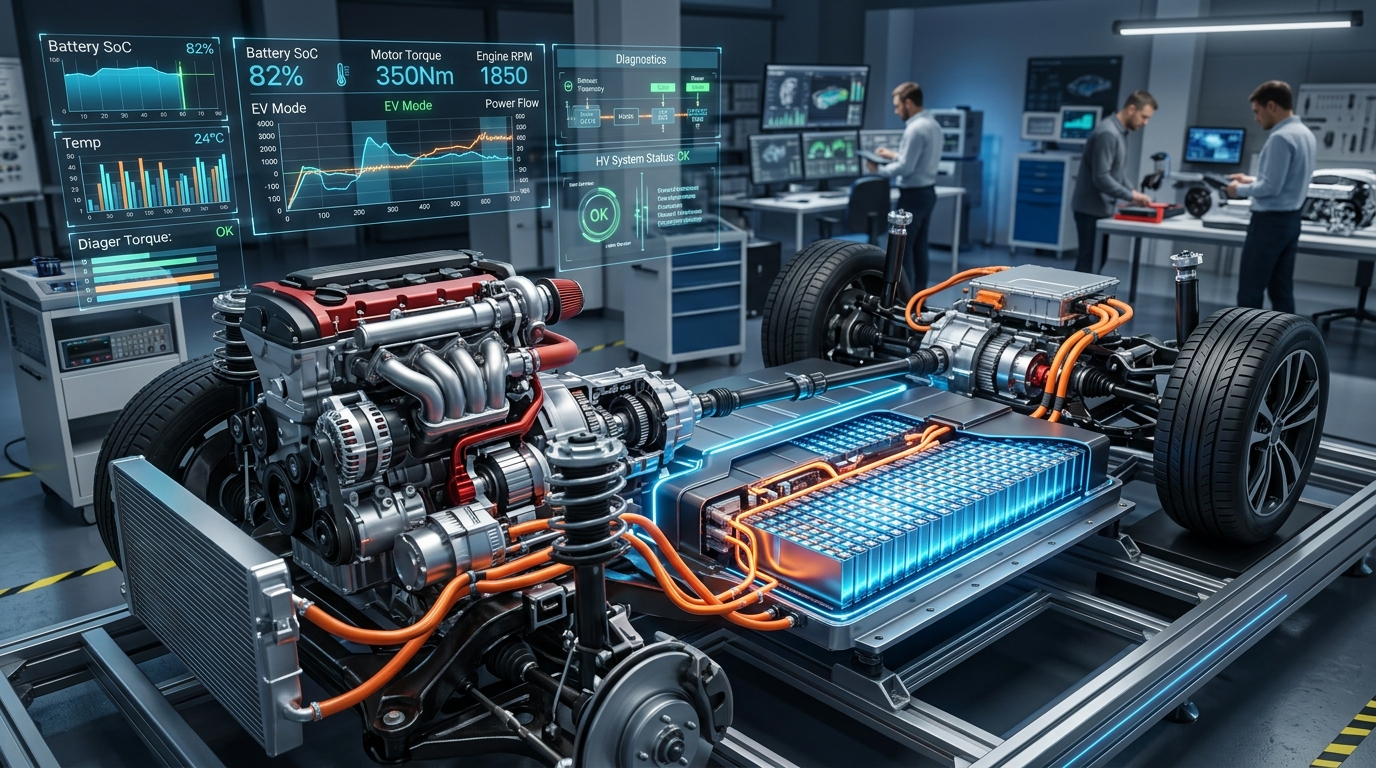
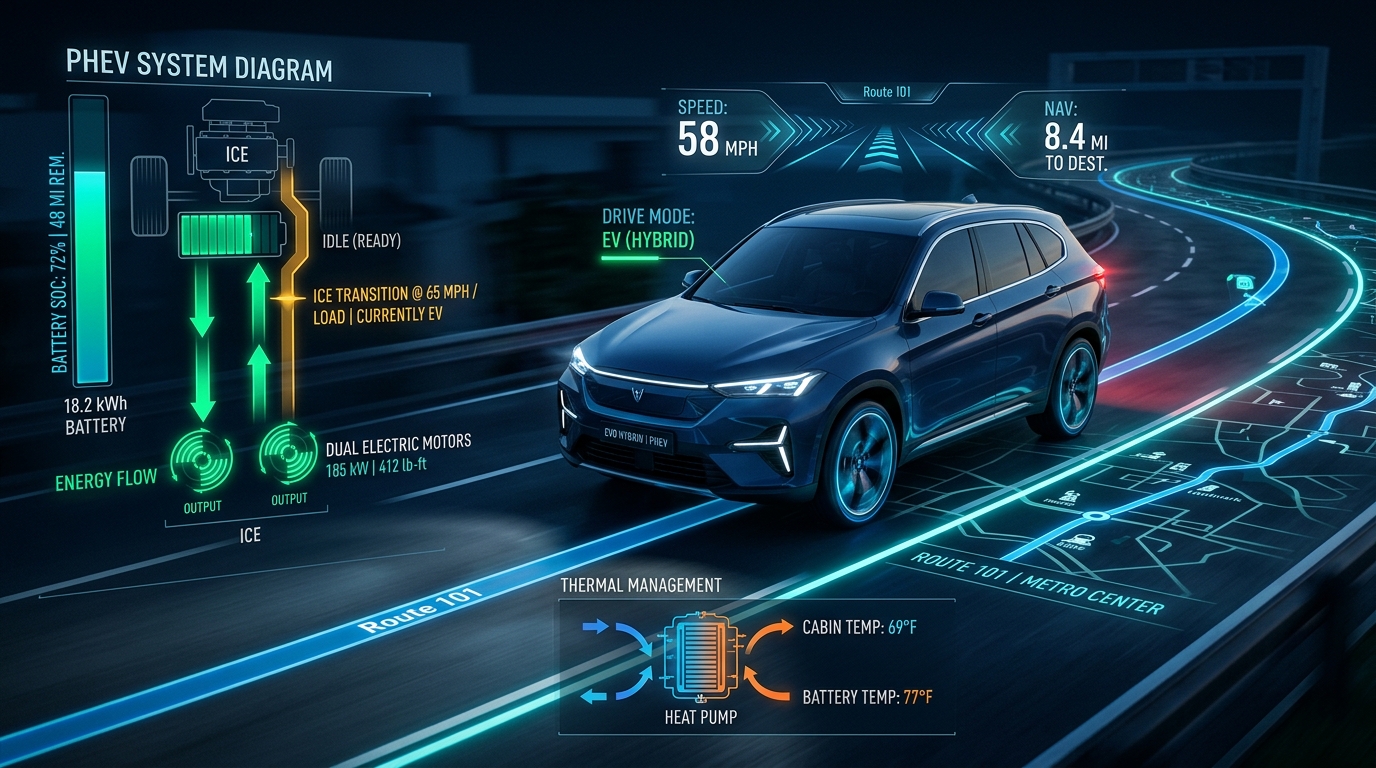
In 2025, the electric vehicle market is built on two main technologies: Plug-in Hybrid Electric Vehicles (PHEV) and Battery Electric Vehicles (BEV). This guide will help you determine which technology is more suitable for you.
PHEV (Plug-in Hybrid Electric Vehicle):
Advantages:
✅ Unlimited range with gasoline engine
✅ No complete dependence on charging infrastructure
✅ Generally lower starting price
✅ Higher demand in used car market
✅ Practical for long-distance travel
Disadvantages:
❌ More complex mechanical structure (maintenance cost)
❌ Limited electric range (30-100 km)
❌ Efficiency loss due to weight
❌ CO₂ emissions higher than BEV
BEV (Battery Electric Vehicle):
Advantages:
✅ Zero emissions (local)
✅ Lower maintenance cost
✅ Wide electric range (300-600+ km)
✅ Fast charging capacity (150-350 kW)
✅ Quieter and smoother driving
Disadvantages:
❌ High starting price
❌ Dependence on charging infrastructure
❌ Planning required for long-distance travel
❌ Range loss in cold weather
❌ Charging times (even fast charging 20-40 minutes)
Decision Criteria:
Choose PHEV If:
- You regularly travel long distances
- You live in an area with limited charging infrastructure
- Budget is limited
- You have used car value concerns
Choose BEV If:
- Mostly urban use
- Charging opportunity at home or work
- Environmental impact is priority
- You're tech-savvy
2025 Market Trends:
- PHEV sales increasing especially in corporate fleets
- BEVs popular among individual consumers
- Both segments growing but appealing to different user groups
In conclusion, both technologies are ideal for their own use scenarios. PHEVs play an important role as a transitional technology, while BEVs are the long-term solution of the future.