Actualités PHEV
Dernières actualités, essais complets et analyses du marché des véhicules hybrides rechargeables en Europe
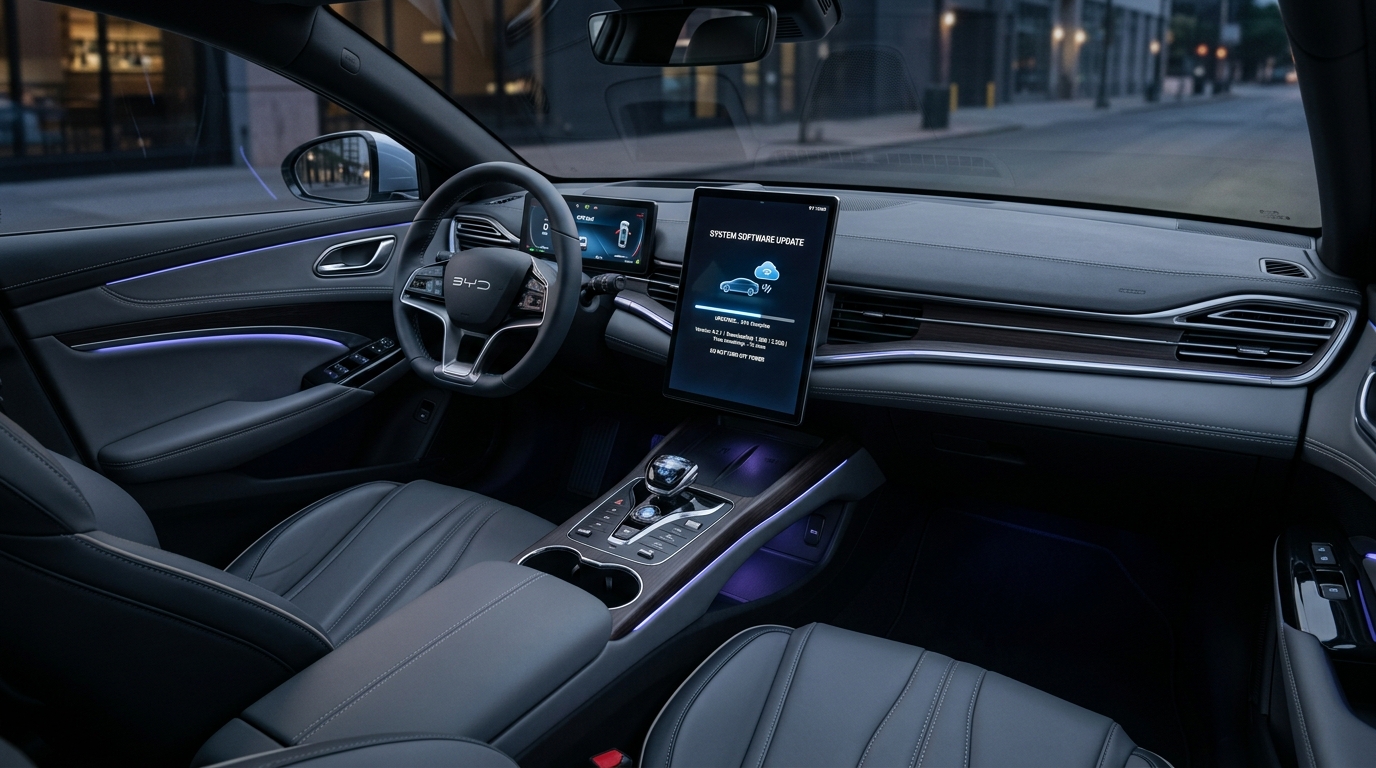
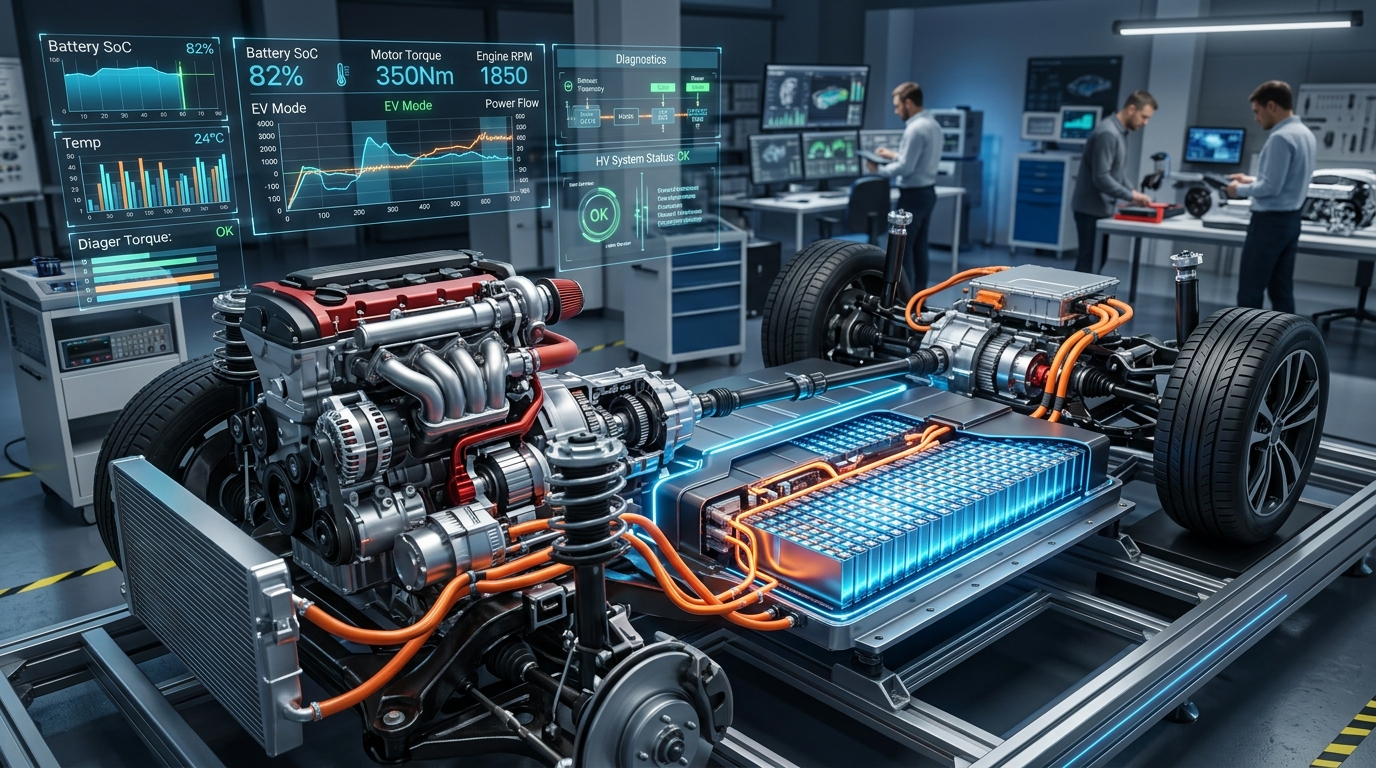
Gestion de batterie, protection moteur et entretien des PHEV : L'analyse officielle des constructeurs européens et chinois
Peut-on rouler en PHEV uniquement en mode électrique sans conséquence ? Analyse technique approfondie des chimies NMC vs LFP, dilution de l'huile par l'essence, modes Aged Fuel de Volvo et FORM de Stellantis, et conditions de garantie.
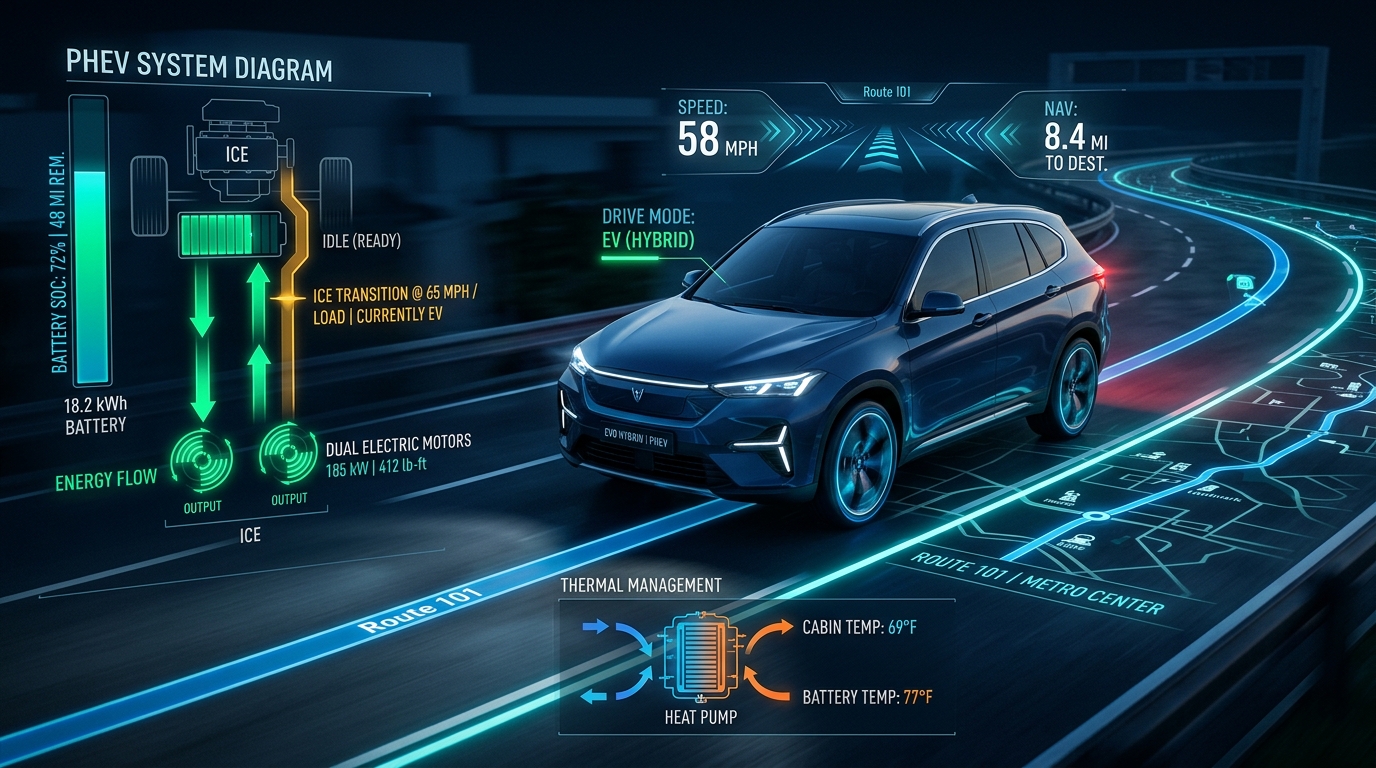
L'ingénierie derrière le simulateur d'itinéraire PHEVs.eu : Pourquoi c'est le moteur le plus réaliste du web
Bien plus qu'un simple calculateur : modélisation du découpage d'itinéraires OSRM, des transmissions P2 vs DHT, des seuils de vitesse 100 % électrique, des réserves de tampon et de la thermodynamique de pompe à chaleur.
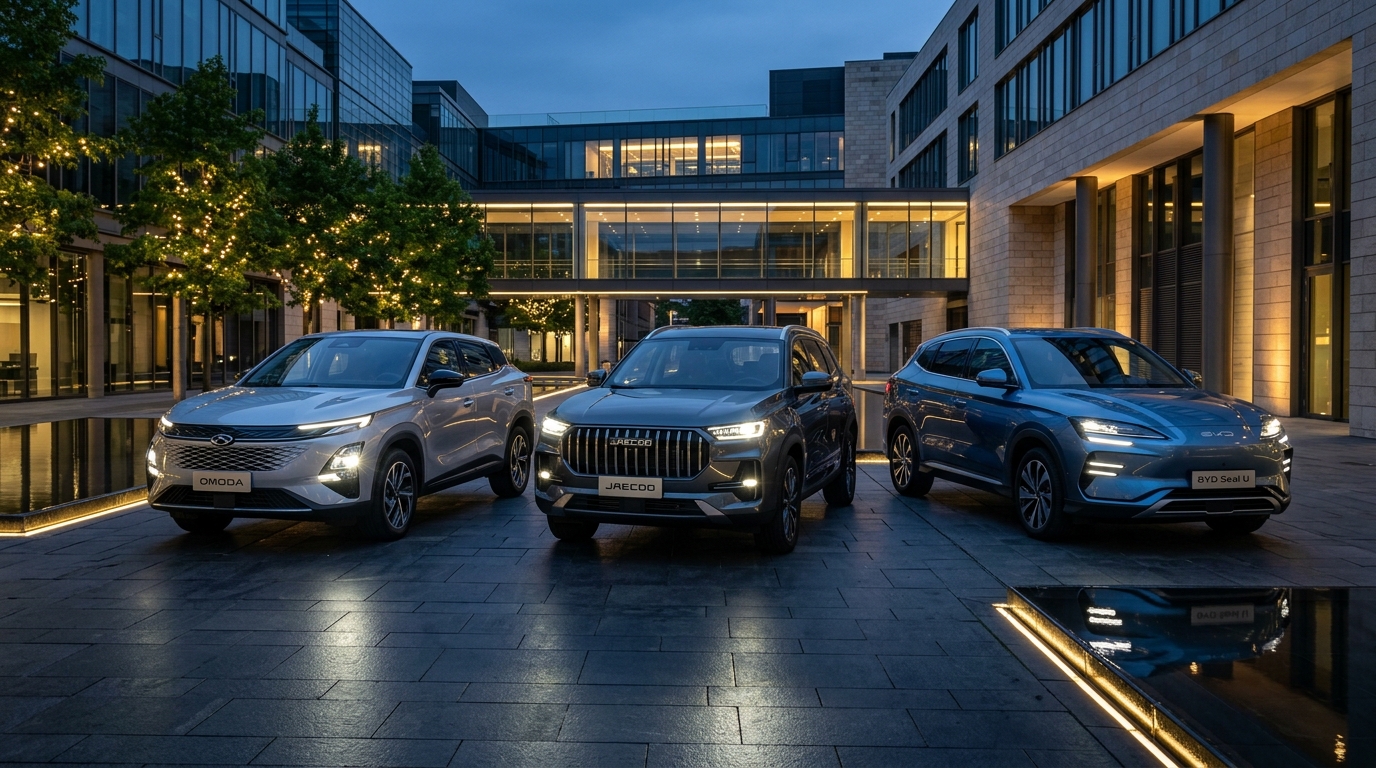
La nouvelle vague de PHEV chinois en Europe : Omoda 9, Jaecoo 8 Super Hybrid et BYD Seal U comparés
Les constructeurs chinois lancent leurs hybrides rechargeables les plus sophistiqués sur les routes européennes. Analyse comparative détaillée des futurs Omoda 9 et Jaecoo 8 face au leader BYD Seal U DM-i.
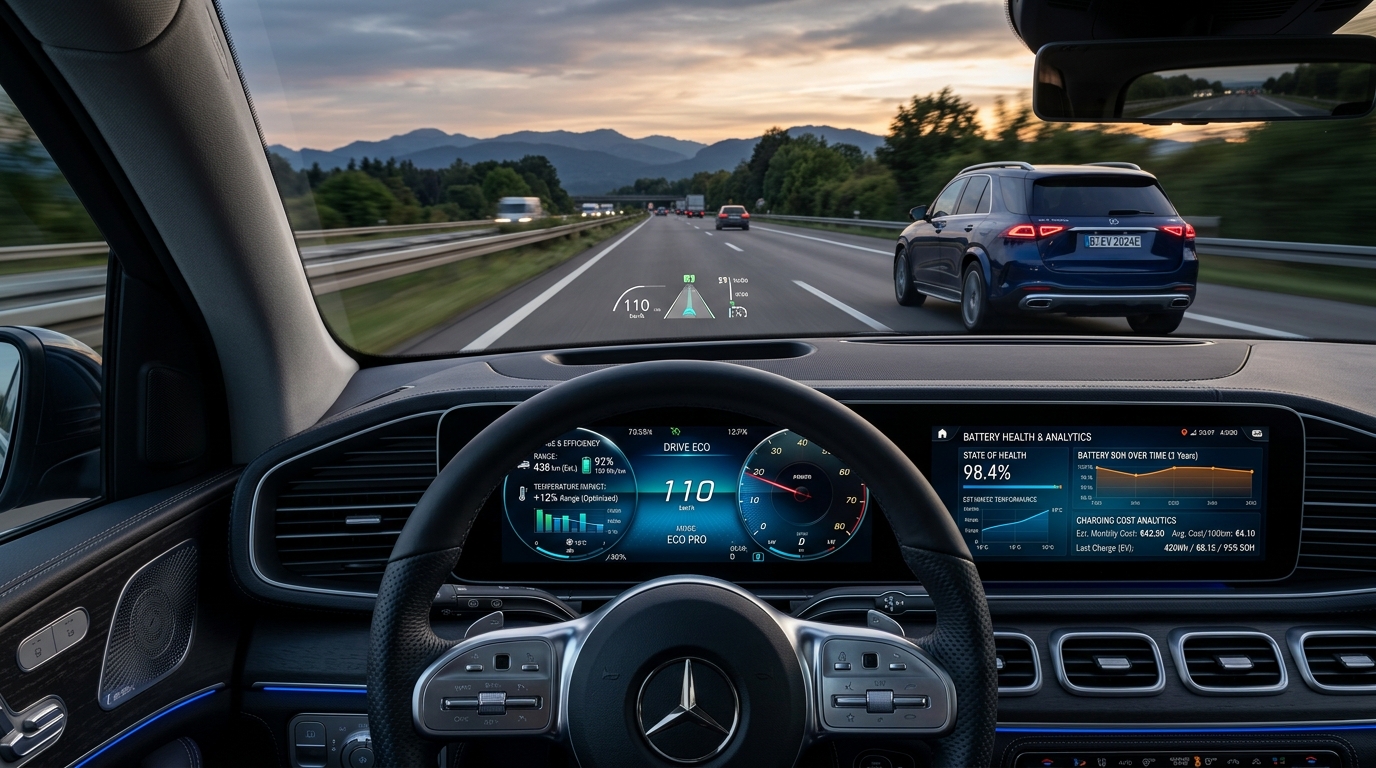
How Real-World PHEV Electric Range and Charging Costs Are Calculated: The Complete PHEVs.eu Simulator Guide
Why does real-world electric range differ from official WLTP laboratory ratings? A deep dive into ambient temperatures, aerodynamic drag, battery state-of-health (SOH), and charging cost dynamics using our interactive simulator.
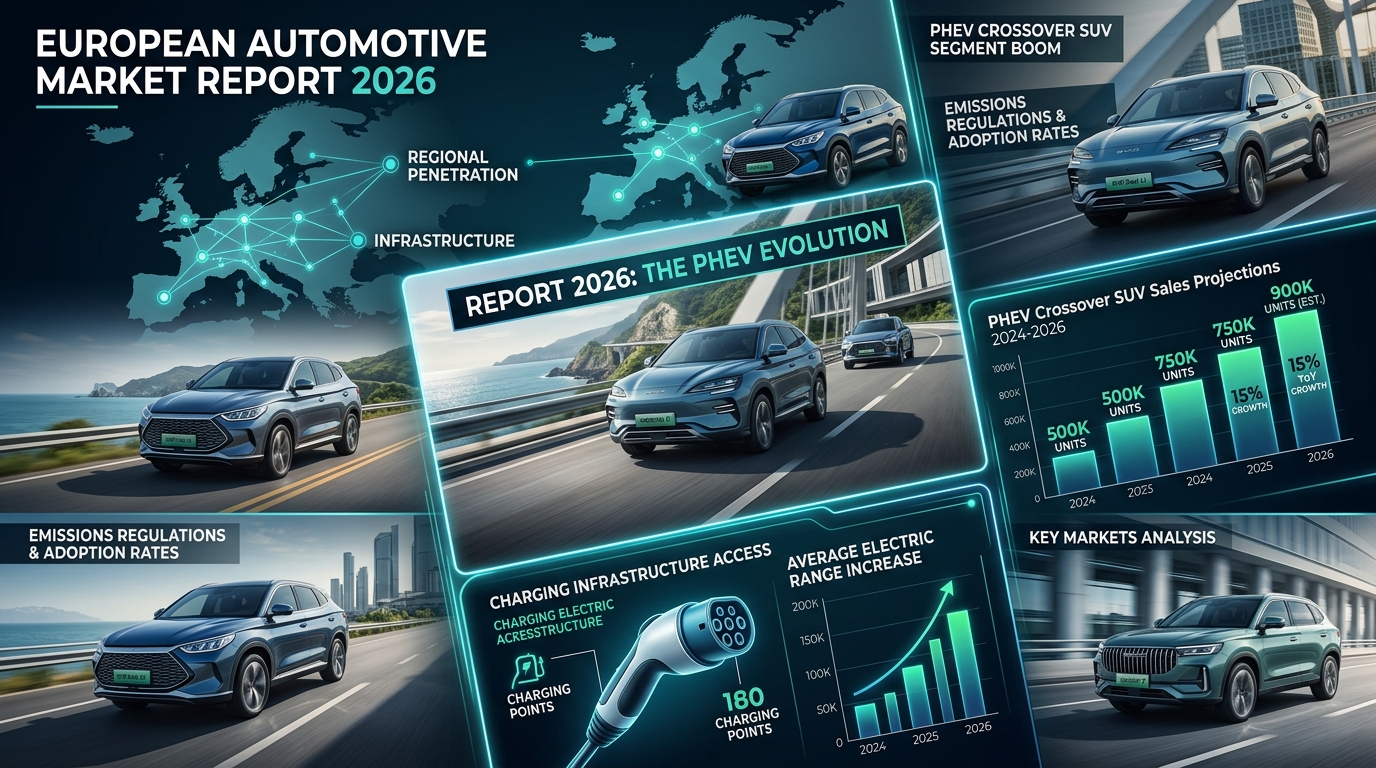
2026 European PHEV Market Report: Registration Stats Across the Big 5 & the Chinese Automaker Disruption
As plug-in hybrids capture a 10% market share across Europe, the exclusion of PHEVs from the EU's countervailing EV tariffs has provided Chinese automakers with an unprecedented tariff arbitrage. We analyze official registration data and sales podiums across Poland, Spain, Italy, Germany, and France.
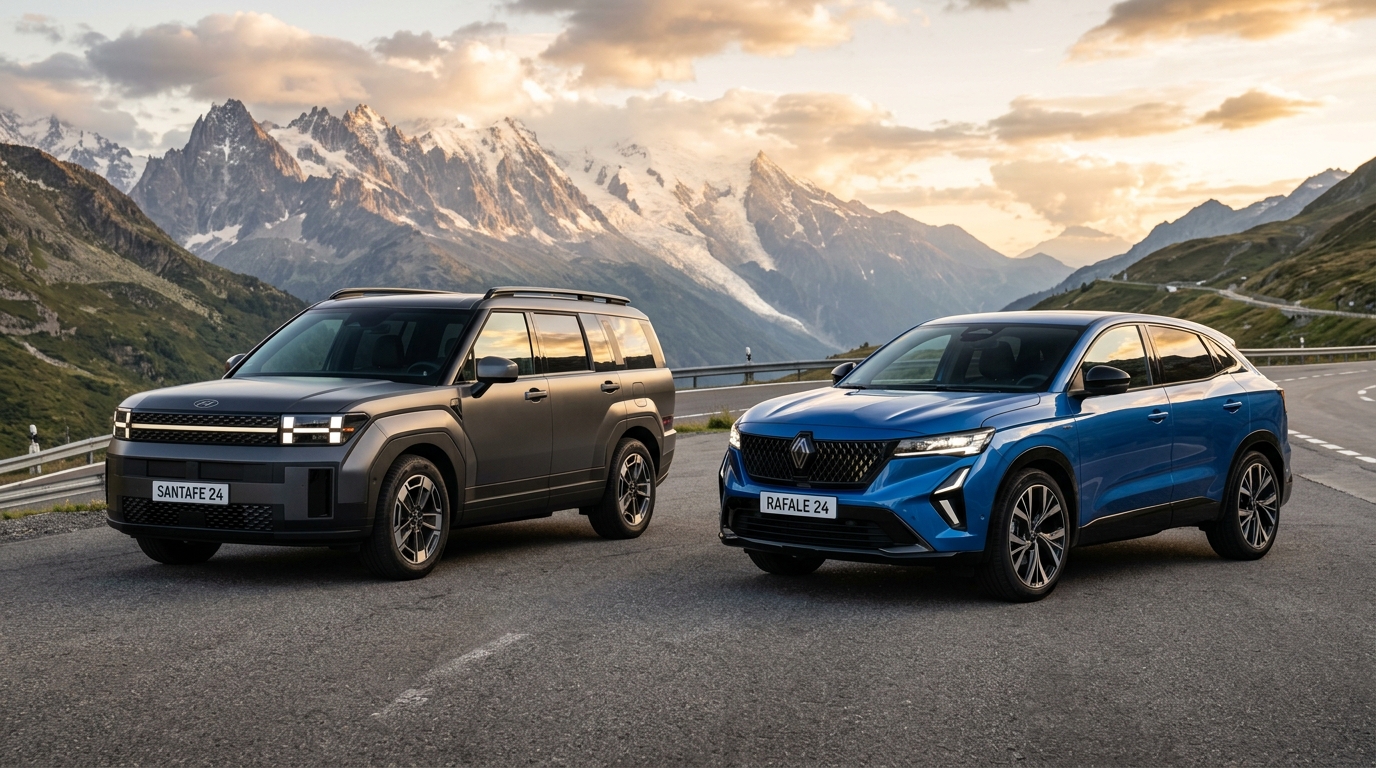
Hyundai Santa Fe PHEV vs Renault Rafale E-Tech 4x4: Large Family SUV Breakdown (Dimensions, Boot Space & Real Range)
A deep technical comparison between two of Europe's most searched large plug-in hybrid SUVs: the boldly redesigned 7-seater Hyundai Santa Fe PHEV and the athletic 300 hp Renault Rafale E-Tech 4x4. Complete dimensions, boot capacities, battery sizes, and electric ranges analyzed.
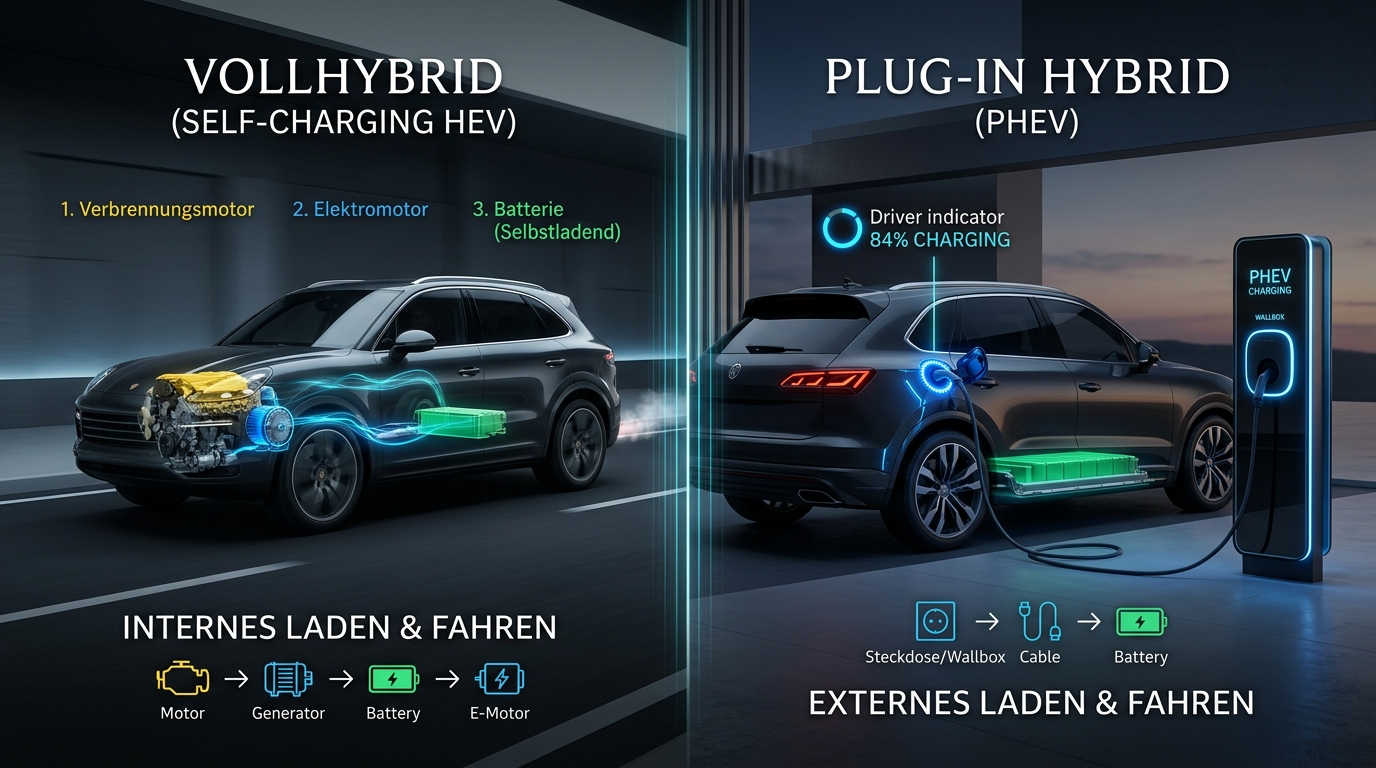
Full Hybrid (HEV) vs. Plug-in Hybrid (PHEV): What Is the Difference? Complete 2026 Buying Guide
Full Hybrid (HEV) vs. Plug-in Hybrid (PHEV): Which electrification technology truly fits your daily driving in 2026? A comprehensive breakdown covering battery capacities, external charging, real-world fuel consumption, and European fleet tax benefits.
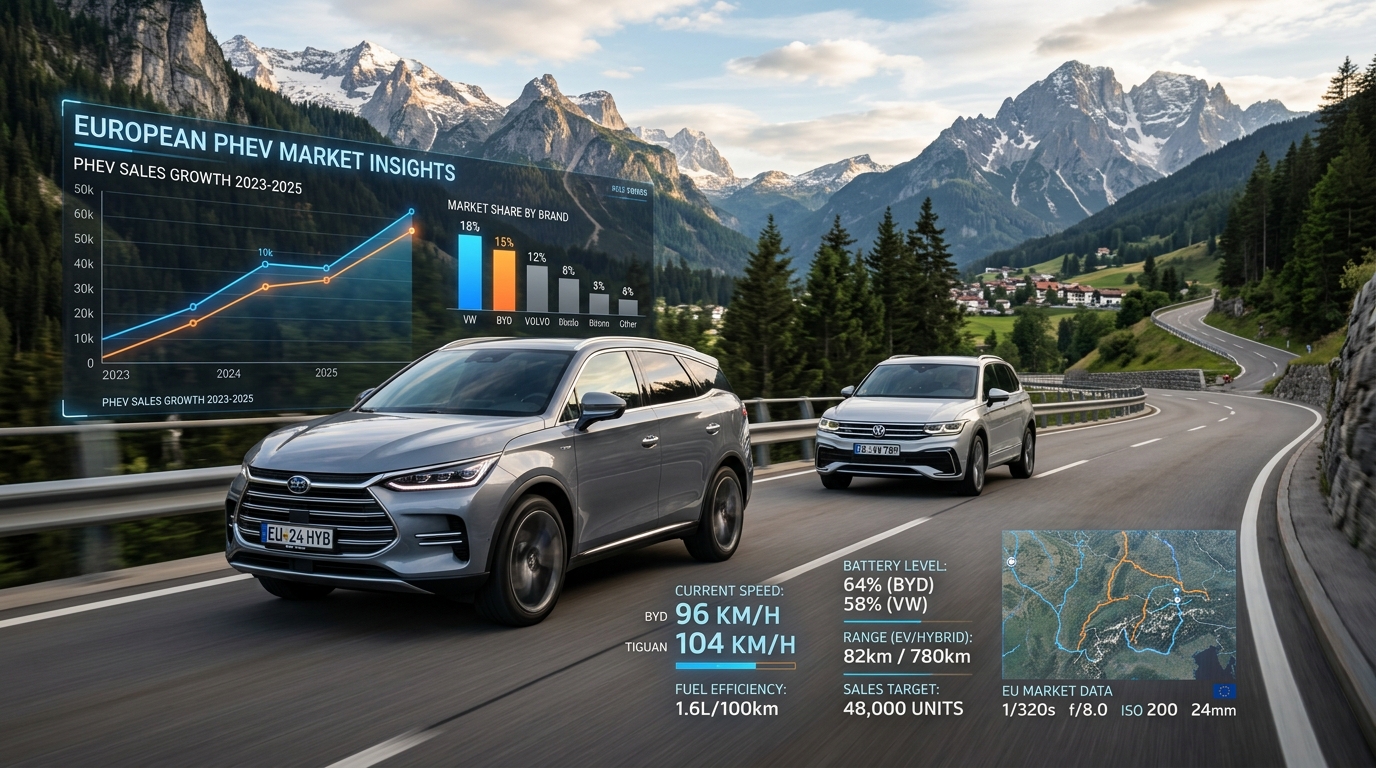
Top 10 Best-Selling PHEVs in Europe: Official JATO and ACEA Registration Data and Market Analysis
Official JATO Dynamics and ACEA new vehicle registration figures confirm a seismic shift across Europe's PHEV market. The BYD Seal U DM-i captured the #1 spot with 72,667 registrations—the first Chinese vehicle ever to lead—followed by the VW Tiguan eHybrid and Volvo XC60. Here is the full registration ranking, sales data, and market analysis.
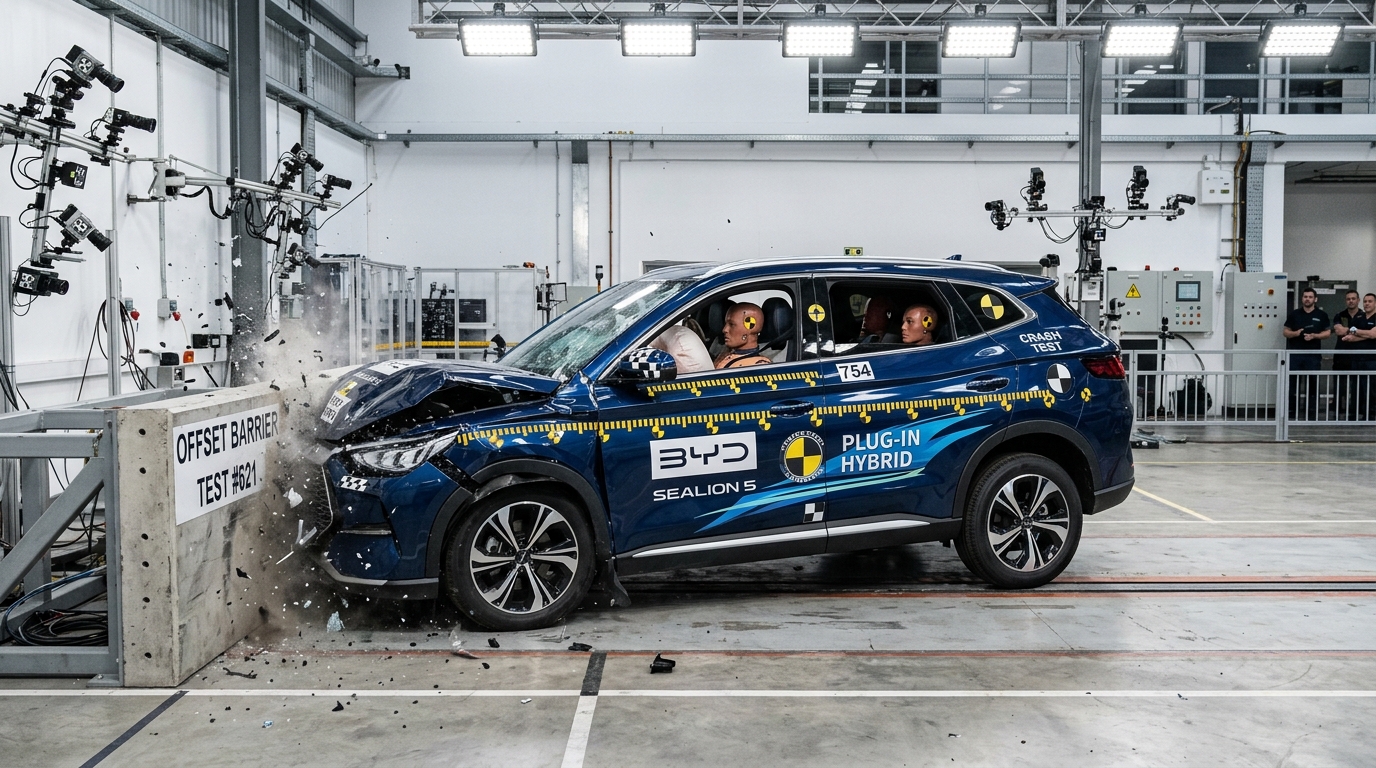
Why Did the BYD Sealion 5 Score Only 3 Stars in ANCAP? 2026 Crash Protocols and PHEV Battery Safety
BYD’s new compact plug-in hybrid SUV, the Sealion 5, unexpectedly scored just 3 stars in the 2026 ANCAP crash testing. How did touchscreen-only climate controls, driver monitoring gaps, and a delayed high-voltage battery isolation trigger this rating? Here is the full technical breakdown.
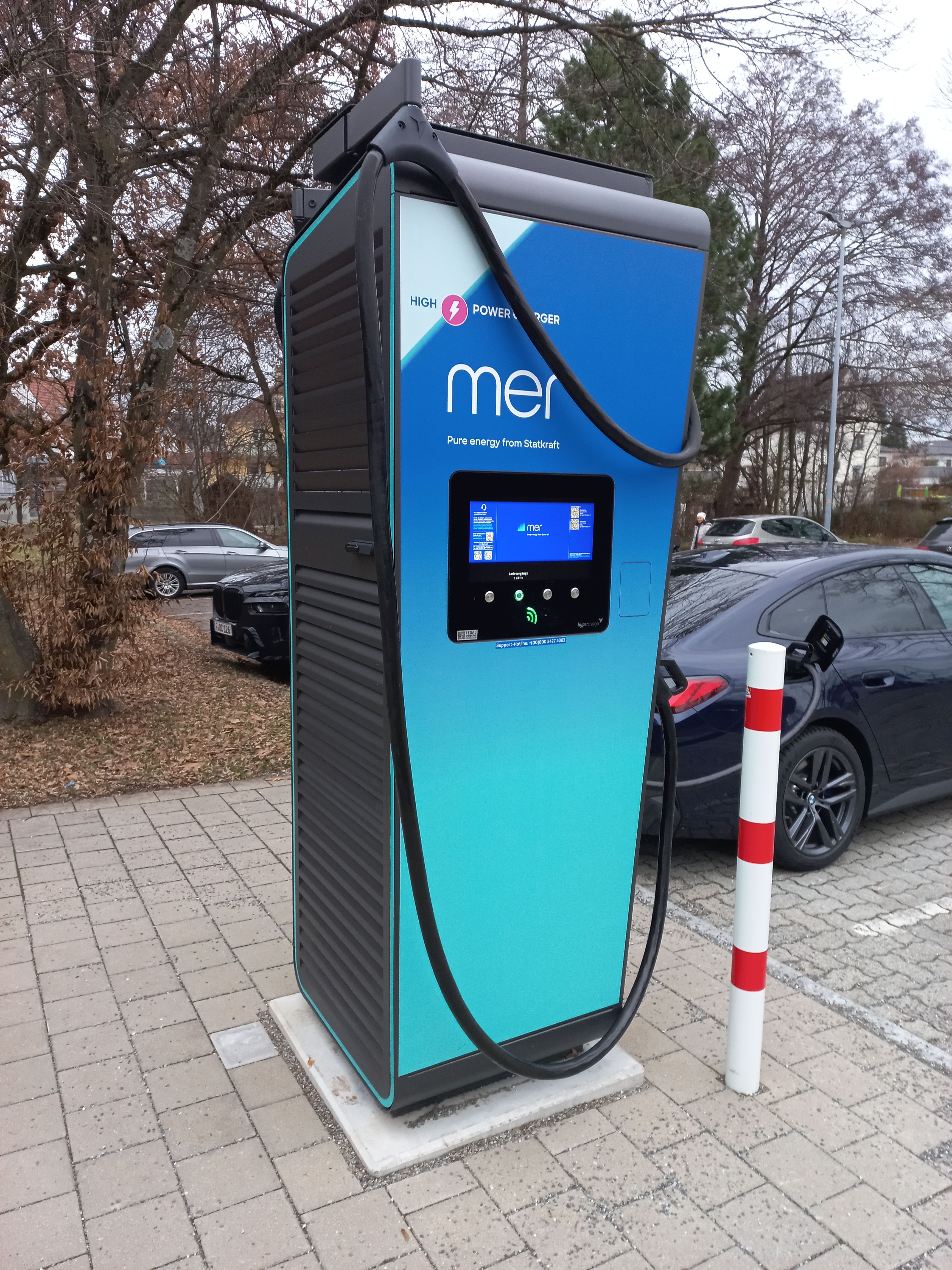
Fastest Charging PHEVs in Europe: Complete List with DC Fast Charging (CCS) Support
The era of waiting 4-5 hours on slow 3.7 kW AC home plugs is over. Modern PHEVs now support 50–60 kW DC fast charging (CCS), enabling a 10–80% replenishment in just 20–30 minutes at motorway hubs. Here is the complete list of which brands offer DC charging as standard, optional, or not at all.
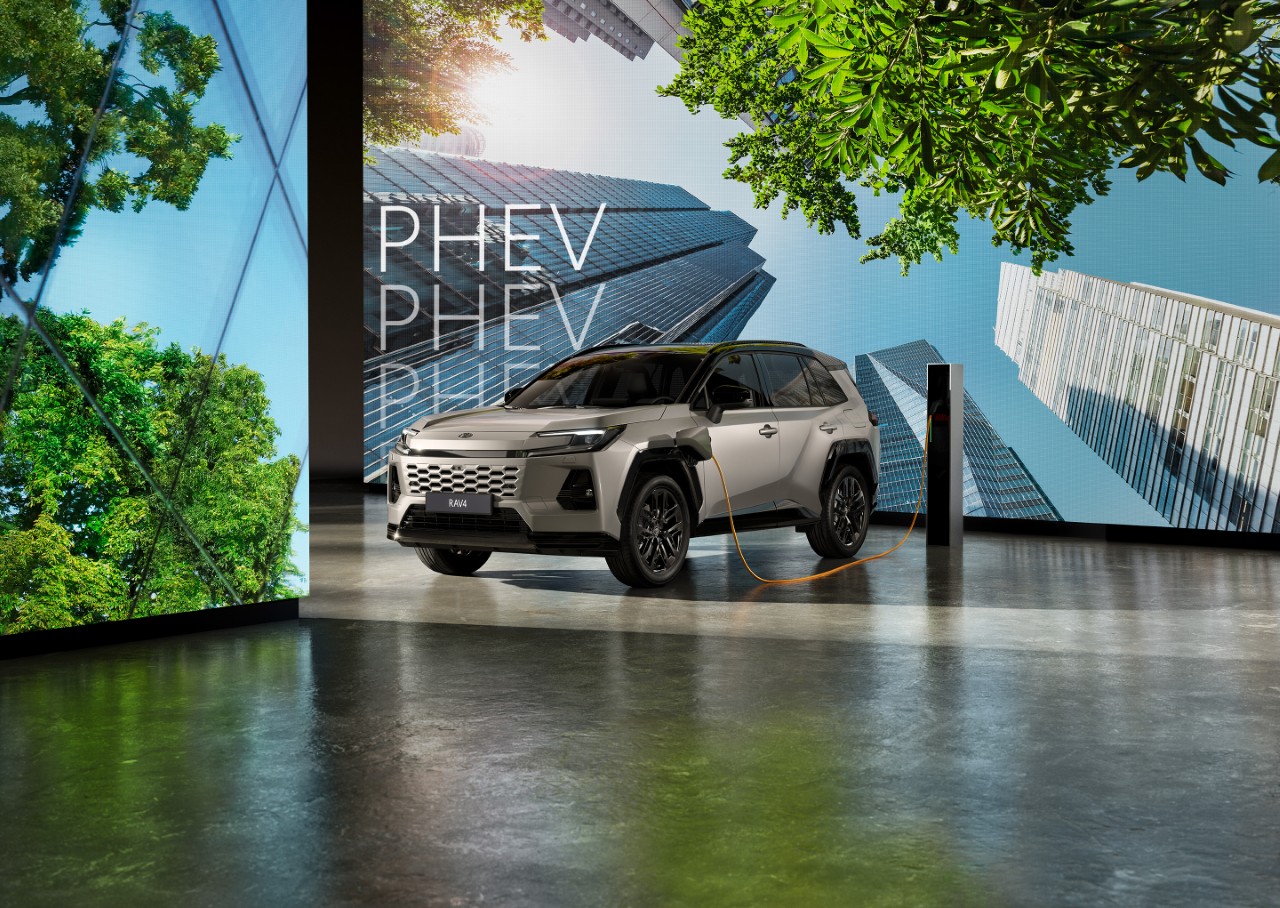
Next-Gen Toyota RAV4 Plug-in Hybrid (2026): 102 km EV Range, 50 kW DC Fast Charging & AWD-i In-Depth Review
The world’s best-selling SUV steps into the modern PHEV era: The 2026 Toyota RAV4 Plug-in Hybrid introduces a 22.7 kWh battery for 102 km of pure electric WLTP range, 50 kW DC fast charging, and standard 304 HP AWD-i. Here is our comprehensive engineering and buyer review.
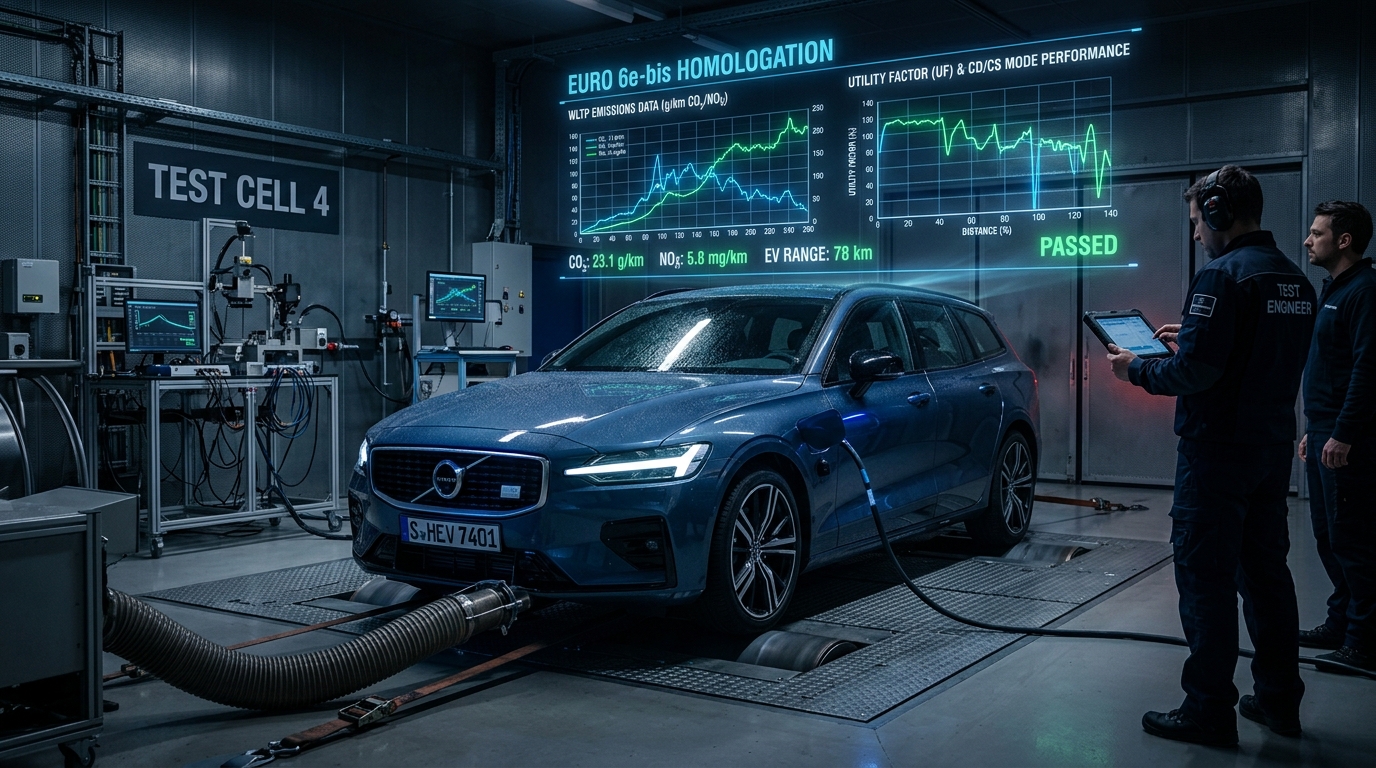
Euro 6e-bis & The PHEV Revolution: Utility Factor Overhaul, Realistic CO2 Ratings & Fleet Tax Impact
The European Union’s Euro 6e-bis (Euro 6e-bis-FCM) regulation ends the era of unrealistically low paper emissions for plug-in hybrids. With the revised Utility Factor, official CO2 values are nearly doubling. Here is how it impacts tax incentives, company car BiK brackets, and automaker engineering.
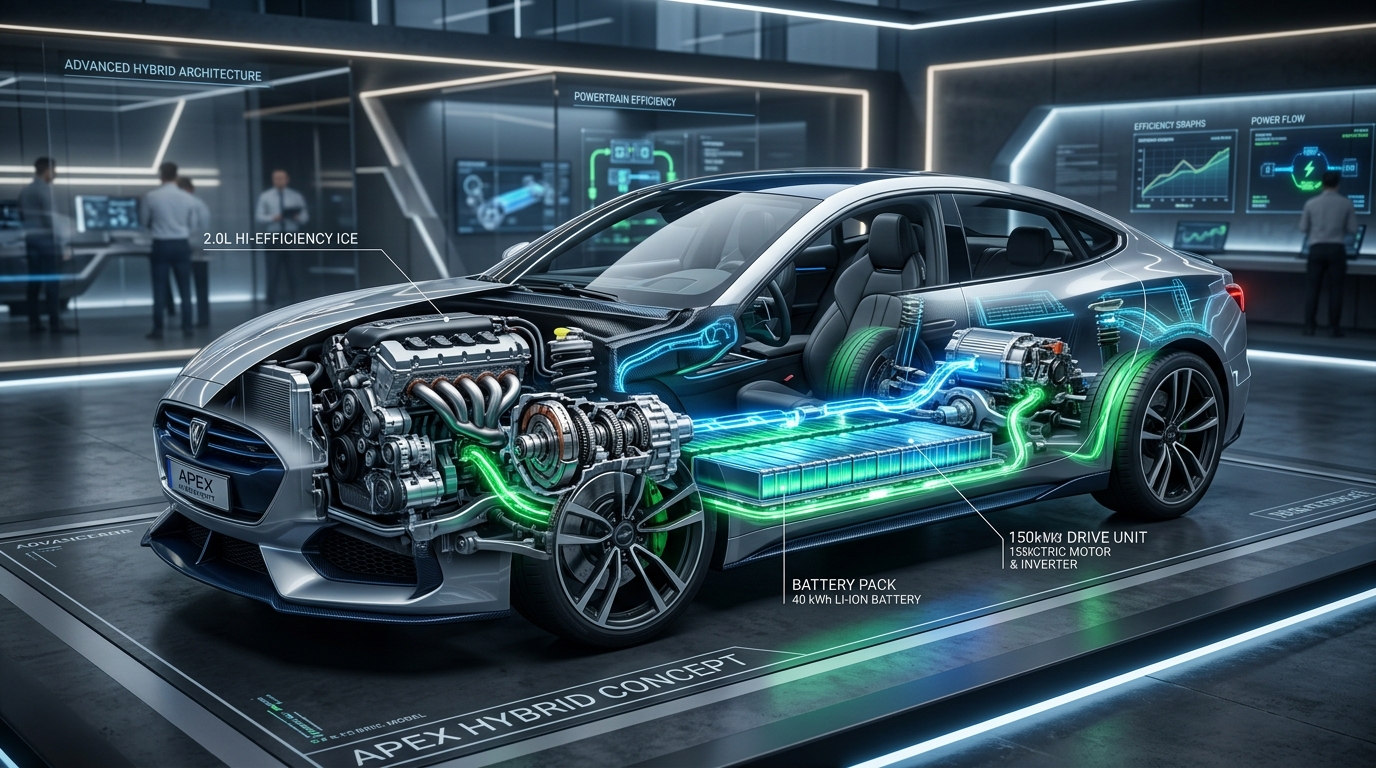
PHEV Hybrid Tech Demystified: Super Hybrid, eHybrid, DHT and Major Powertrain Architectures Explained
Every automaker brands their plug-in hybrid differently: BYD calls it 'Super Hybrid' (DM-i), Volkswagen says 'eHybrid', MG uses 'Hybrid+', Toyota champions 'e-CVT', and BMW relies on 'eDrive'. But what are the real engineering differences behind these buzzwords?
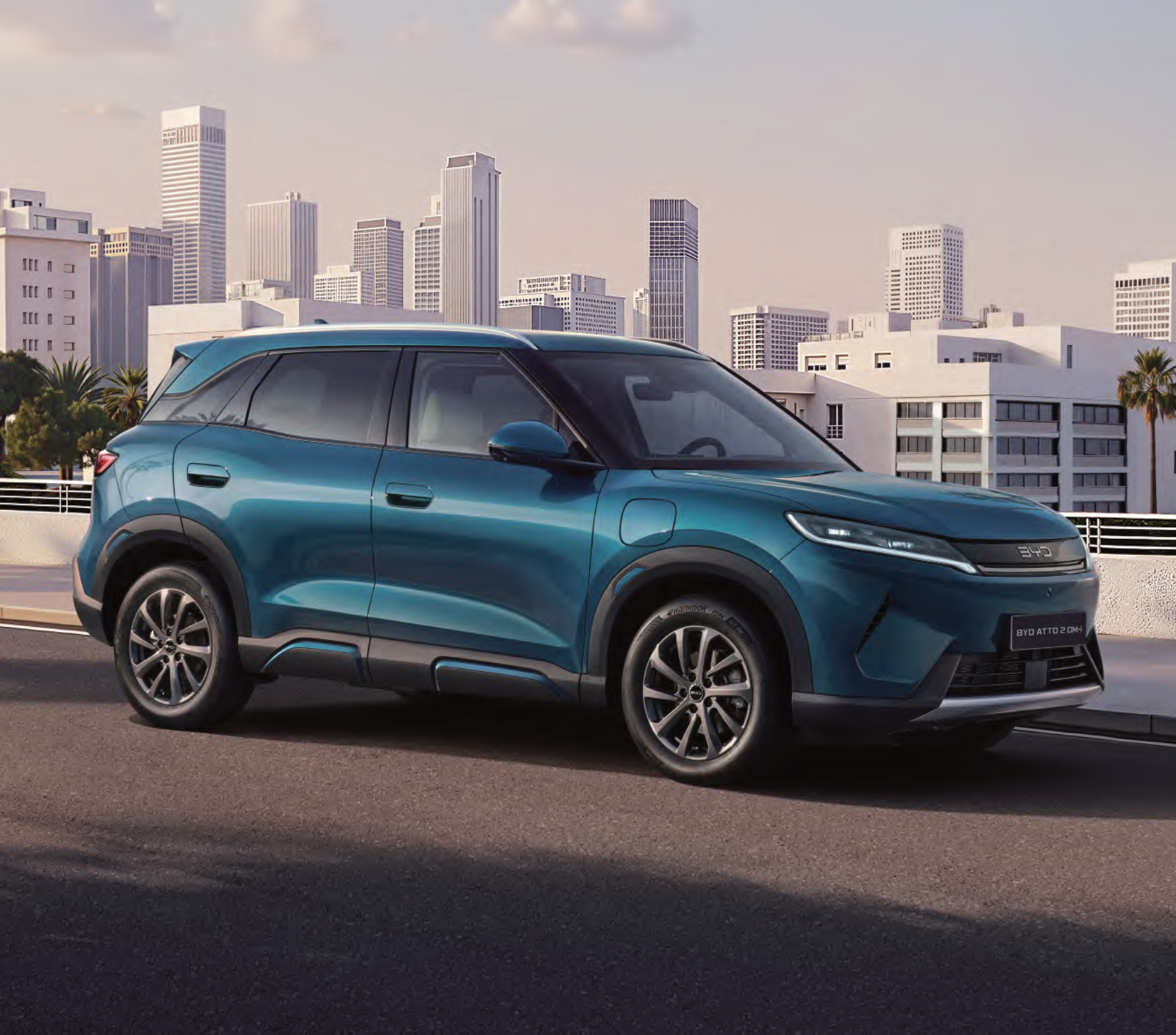
Best Plug-in Hybrid SUVs in 2026: The Definitive Ranking & Guide
In 2026, the plug-in hybrid SUV market has reached unprecedented maturity with 100+ km electric range, next-generation battery chemistry, and 50 kW DC fast charging. Here is our expert breakdown of Toyota RAV4, Škoda Kodiaq, VW Tiguan, BYD Atto 2, and MG HS.

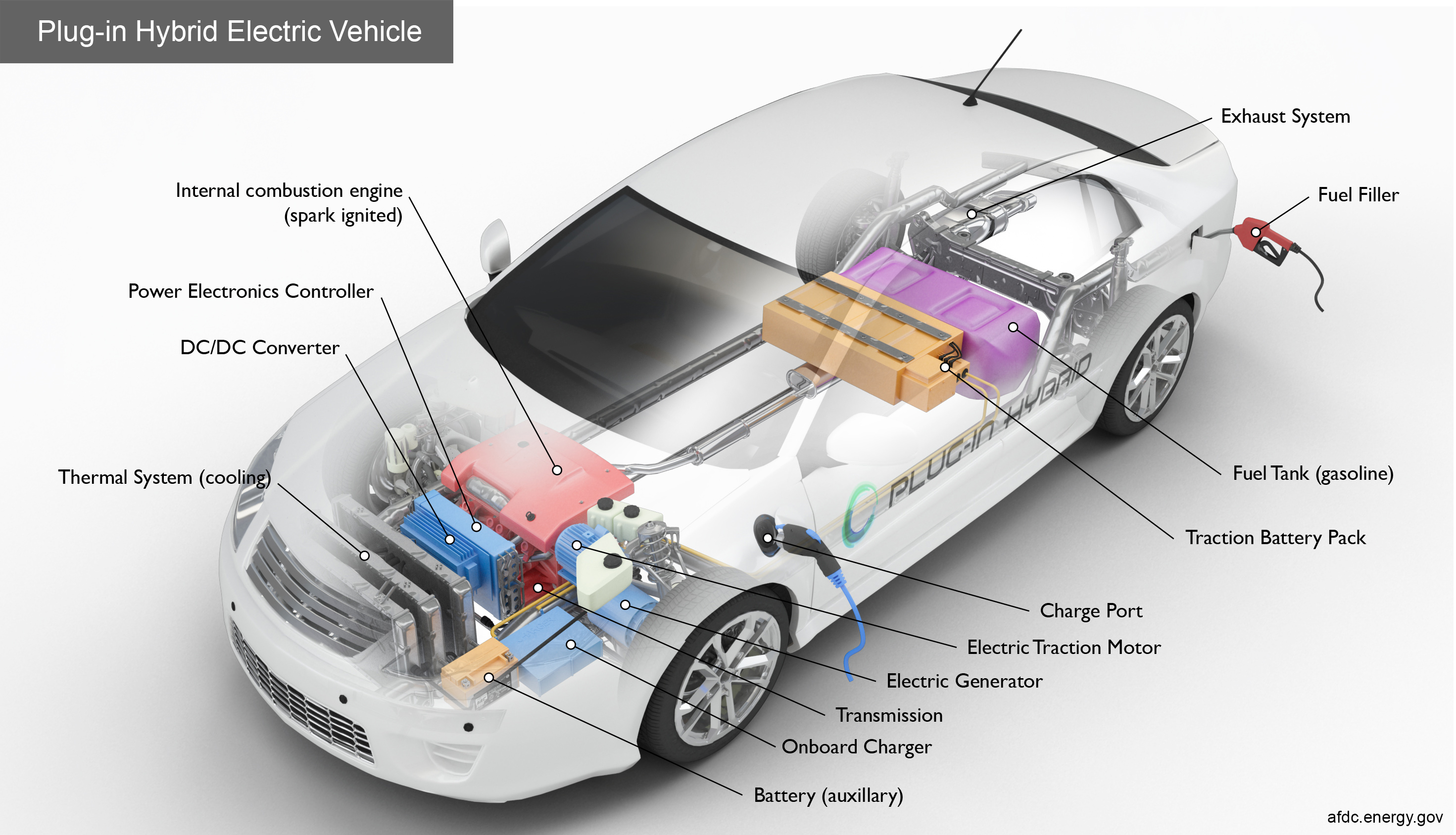
PHEV (Plug-in Hybrid) vs Regular Hybrid (HEV): Key Differences & Buying Guide
Understand the core differences between plug-in hybrids (PHEV) and traditional self-charging hybrids (HEV): battery size, pure EV range, external charging, fuel economy, and total cost of ownership.
PHEV Evolution: 100km Range & 50kW DC Fast Charge Realities
We took an 8-month break from tracking PHEVs and came back to a completely different market. From true 100km+ electric ranges to 50kW DC fast charging, here is what actually changed while we were gone.

BYD Sealion 6 2025 Review: Makes Plug-In Hybrids Feel Seamless But Fun Is Optional
The BYD Sealion 6 is efficient and well-priced, placing itself as an interesting proposition in the segment. A quiet, refined, and eco-friendly PHEV experience.

Mitsubishi ELEVANCE Concept: Future Vision of 'PHEV + SUV' Strategy
Mitsubishi ELEVANCE Concept making its world premiere at Japan Mobility Show 2025 draws attention with carbon-neutral fuel-compatible PHEV system and advanced quad motor 4WD technology.

Toyota C-HR PHEV Production Started in Turkey: 140,000 Units Target for 2025
Toyota Motor Manufacturing Turkey started production of the new generation C-HR PHEV model at its Sakarya factory. The company targets 140,000 units production in 2025.

German Auto Lobby Demands Charging Mandate for PHEVs
The German automotive industry is proposing a charging mandate to protect plug-in hybrid vehicles against the EU's tightened CO₂ emission rules.

European PHEV Market Shows Record Growth in 2025
European plug-in hybrid vehicle sales increased by 34% in Q1 2025, with strong demand for BMW, Mercedes-Benz, and Volvo models.

BMW X5 xDrive45e 2025 Review: Expected Performance from a Premium SUV
The 2025 BMW X5 xDrive45e leads the premium PHEV SUV category with 87 km electric range and 394 HP power.

PHEV Charging Infrastructure in Europe 2025: Status and Future
The number of charging stations in Europe increased by 40% in 2025. AC charging points are sufficient for PHEV users, but DC fast charging network expansion continues.

PHEV vs BEV 2025: Which is More Suitable for You?
We examine in detail the differences between plug-in hybrid (PHEV) and fully electric (BEV) vehicles. We compare the advantages and disadvantages of both technologies.

Mercedes-Benz E-Class 300 de PHEV 2025: Next Generation Luxury Sedan
Mercedes-Benz introduced the 2025 E-Class 300 de PHEV model. It attracts attention with 100 km electric range and advanced technology package.
PHEV Tax Incentives in Europe 2025: Country-by-Country Guide
We examine in detail the current tax incentives, discounts, and rebates for PHEV purchases in European countries.
Comparer les modèles PHEV
Comparez plus de 125 modèles hybrides rechargeables avec spécifications précises, prix et autonomies réelles.
Ouvrir l'outil de comparaison