PHEV (Plug-in Hybrid) vs Regular Hybrid (HEV): Key Differences & Buying Guide
As hybrid powertrain technology rapidly matures, one of the most common dilemmas for buyers is choosing between PHEV (Plug-in Hybrid Electric Vehicle) and traditional HEV (Self-Charging / Full Hybrid). While both systems combine a gasoline engine with an electric motor, they differ fundamentally in battery size, real-world fuel economy, and charging habits.
---
### 1. Core Definitions and Powertrain Principles
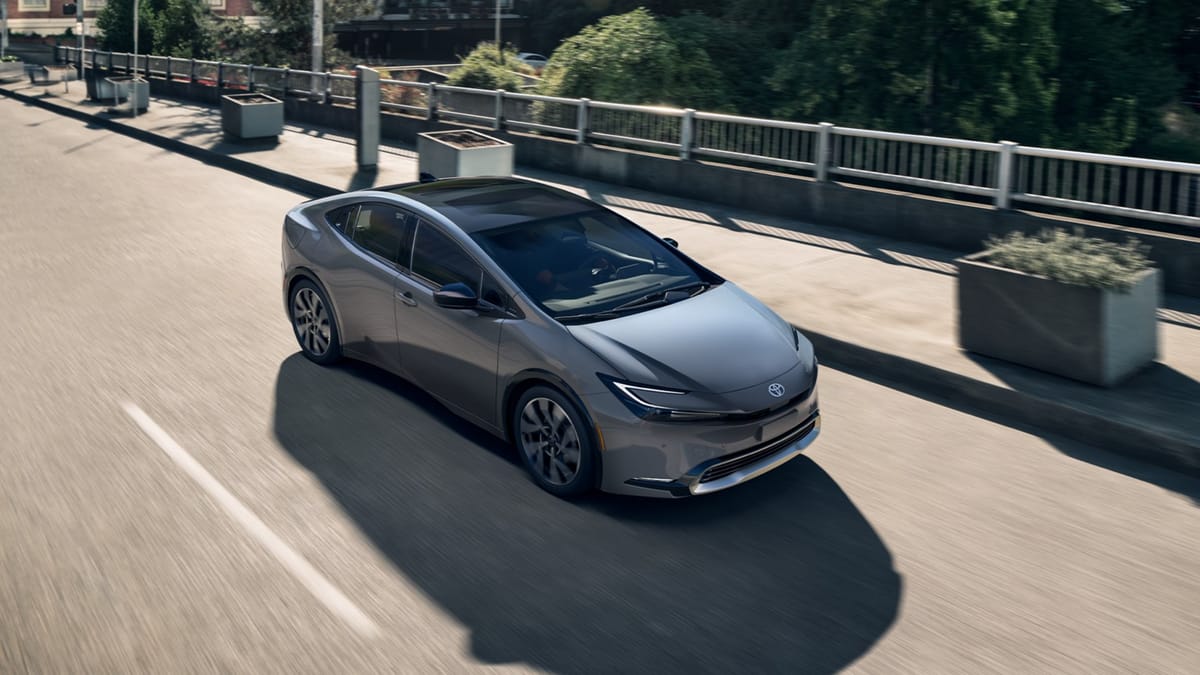
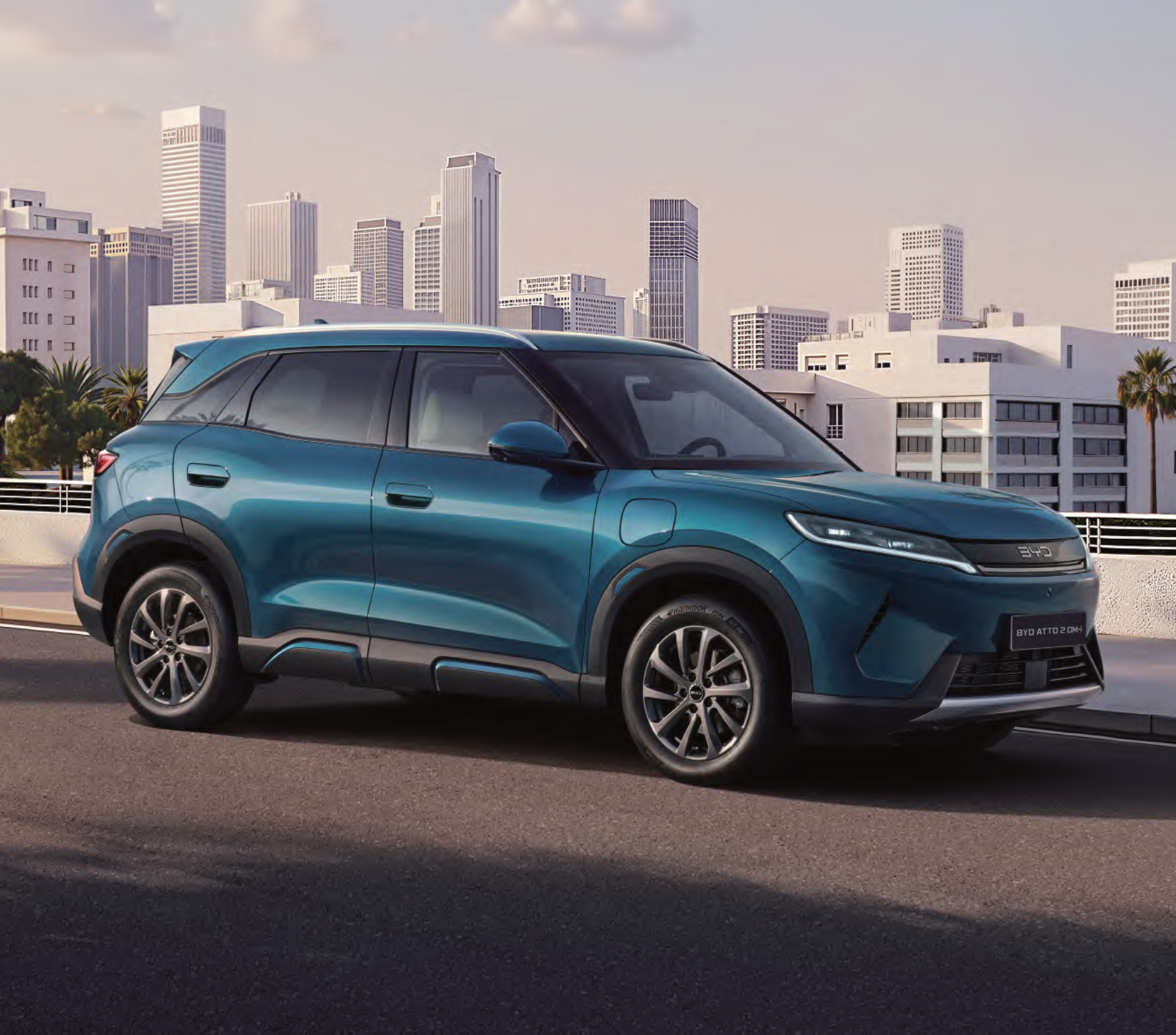
- HEV (Traditional Full Hybrid): Found in models like the Toyota Prius or Corolla Hybrid. The vehicle cannot be plugged into a wall outlet or charging station. The small onboard battery is recharged exclusively via regenerative braking and engine surplus energy.- PHEV (Plug-in Hybrid): Features a much larger traction battery that can be plugged into the power grid. It can be replenished using a standard household socket, an AC Wallbox (7.4 kW - 11 kW), or, on modern 2026 models, DC fast charging stations.
---
### 2. Battery Size and Pure EV Range
The most dramatic mechanical difference is the battery pack:- HEV: Typically houses a 0.9 kWh to 2.0 kWh battery pack. Pure electric operation is limited to 1-2 km, functioning primarily to smooth out stop-and-go traffic and assist acceleration.- PHEV: In 2026, battery capacities have expanded to 18 kWh to 34 kWh. Modern PHEVs (such as the VW Passat eHybrid, Skoda Kodiaq iV, Audi A6 Avant e-hybrid) deliver 80 km to 120+ km of real-world WLTP electric range. This allows owners to conduct their entire weekday commute without burning a single drop of fuel.
---
### 3. Charging Infrastructure & Ownership Experience
- HEV: Zero charging anxiety. You fill up with petrol at any pump, and the car manages the hybrid power split automatically.- PHEV: The true efficiency and economic advantage of a PHEV only materialize if you plug it in regularly at home or work. Charging overnight on off-peak electricity rates cuts running costs by up to 70% compared to pure petrol or diesel driving.
---
### 4. Direct Comparison Matrix
| Feature | Regular Hybrid (HEV) | Plug-in Hybrid (PHEV) || :--- | :--- | :--- || External Charging Port | None | Yes (Type 2 AC / CCS DC on modern trims) || Battery Capacity | 1 – 2 kWh | 18 – 30+ kWh || Pure Electric Range | 1 – 3 km | 70 – 120+ km || Daily City Driving | Partial EV assist | 100% Pure Electric || Fuel Consumption (Charged) | 4.5 – 6.0 L/100km | 0.8 – 2.5 L/100km || Curb Weight | Standard | +250 to 400 kg battery penalty || Tax Incentives & Fleet BIK | Standard | Favorable CO₂ brackets & company car tax perks |
---
### 5. Verdict: Which One Should You Buy?
- Choose a PHEV if: You have reliable access to charging at home or at the office, commute under 80 km per day, and desire whisper-quiet EV driving for urban life with zero range anxiety for holiday road trips.- Choose an HEV if: You rely exclusively on street parking without charging access, do not wish to manage cables, and want hassle-free fuel efficiency for mixed highway driving.