Buyer's Guide•19 de septiembre de 2026•7 min de lectura
PHEV (Plug-in Hybrid) vs Regular Hybrid (HEV): Key Differences & Buying Guide
P
PHEVs.eu Editorial Team
PHEVs.eu Editorial • Automotive Technical Review

Executive Summary & Key Takeaways
Understand the core differences between plug-in hybrids (PHEV) and traditional self-charging hybrids (HEV): battery size, pure EV range, external charging, fuel economy, and total cost of ownership.
As hybrid powertrain technology rapidly matures, one of the most common dilemmas for buyers is choosing between PHEV (Plug-in Hybrid Electric Vehicle) and traditional HEV (Self-Charging / Full Hybrid). While both systems combine a gasoline engine with an electric motor, they differ fundamentally in battery size, real-world fuel economy, and charging habits.
1. Core Definitions and Powertrain Principles
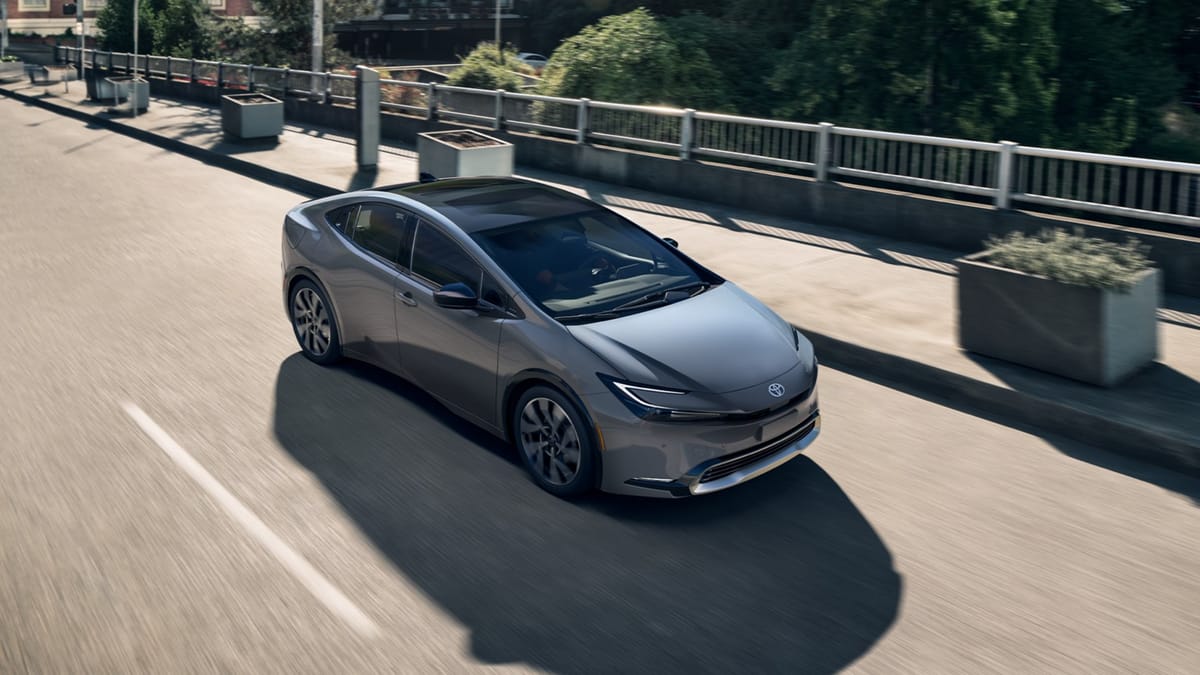
- HEV (Traditional Full Hybrid): Found in models like the Toyota Prius or Corolla Hybrid. The vehicle cannot be plugged into a wall outlet or charging station. The small onboard battery is recharged exclusively via regenerative braking and engine surplus energy.
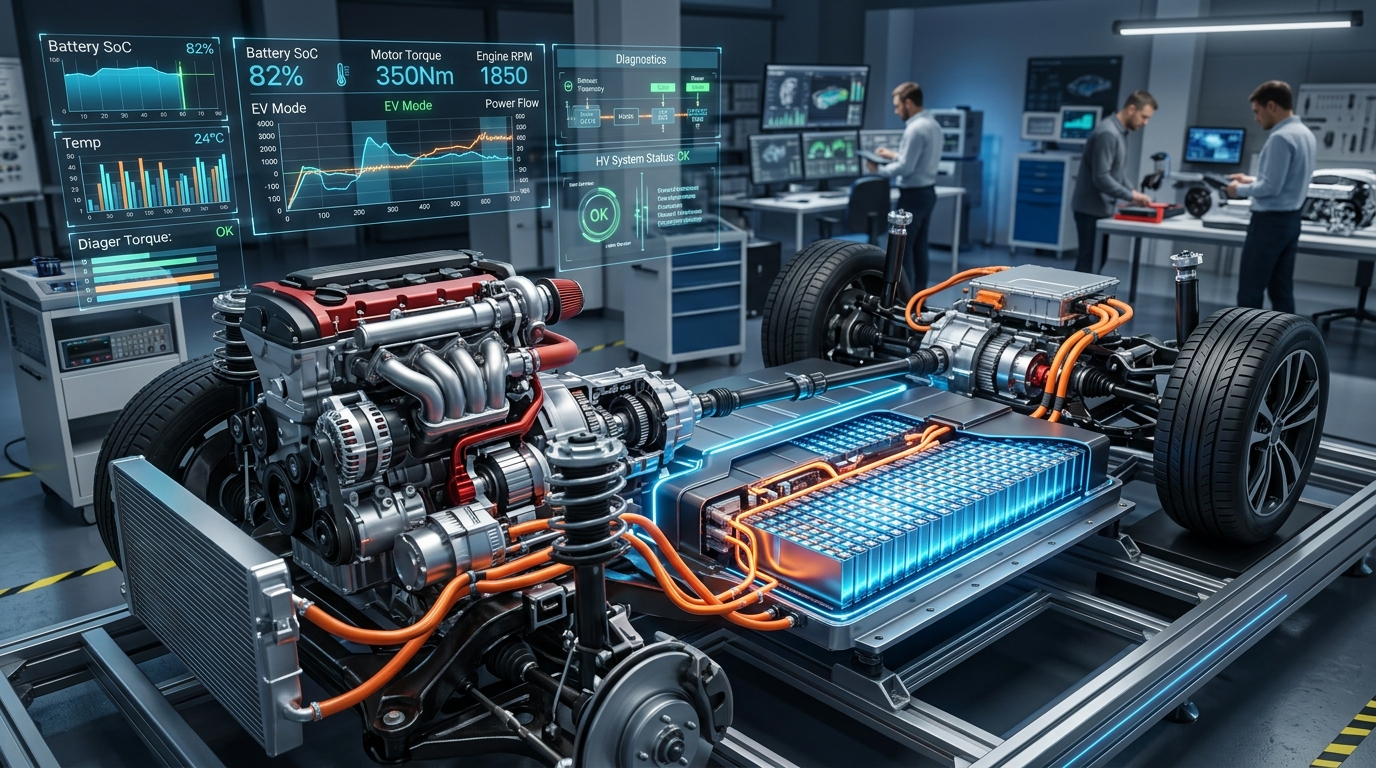
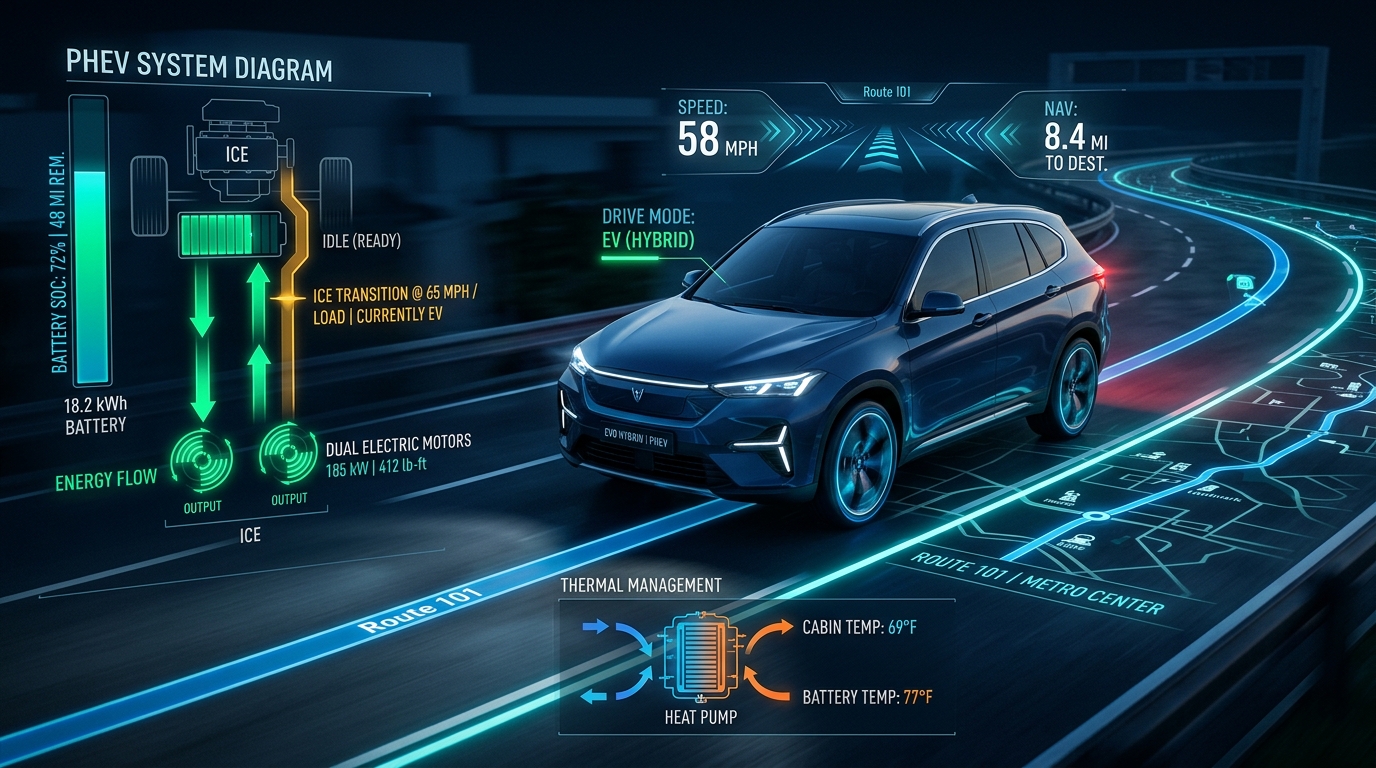
- PHEV (Plug-in Hybrid): Features a much larger traction battery that can be plugged into the power grid. It can be replenished using a standard household socket, an AC Wallbox (7.4 kW - 11 kW), or, on modern 2026 models, DC fast charging stations.
2. Battery Size and Pure EV Range
The most dramatic mechanical difference is the battery pack:
- HEV: Typically houses a 0.9 kWh to 2.0 kWh battery pack. Pure electric operation is limited to 1-2 km, functioning primarily to smooth out stop-and-go traffic and assist acceleration.
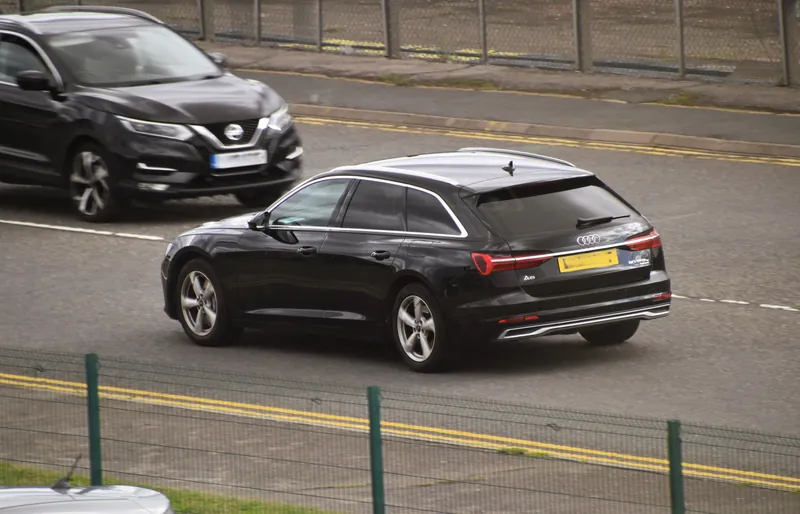
- PHEV: In 2026, battery capacities have expanded to 18 kWh to 34 kWh. Modern PHEVs (such as the VW Passat eHybrid, Skoda Kodiaq iV, Audi A6 Avant e-hybrid) deliver 80 km to 120+ km of real-world WLTP electric range. This allows owners to conduct their entire weekday commute without burning a single drop of fuel.
3. Charging Infrastructure & Ownership Experience
- HEV: Zero charging anxiety. You fill up with petrol at any pump, and the car manages the hybrid power split automatically.
- PHEV: The true efficiency and economic advantage of a PHEV only materialize if you plug it in regularly at home or work. Charging overnight on off-peak electricity rates cuts running costs by up to 70% compared to pure petrol or diesel driving.
4. Direct Comparison Matrix
| Feature | Regular Hybrid (HEV) | Plug-in Hybrid (PHEV) |
|---|---|---|
| External Charging Port | None | Yes (Type 2 AC / CCS DC on modern trims) |
| Battery Capacity | 1 – 2 kWh | 18 – 30+ kWh |
| Pure Electric Range | 1 – 3 km | 70 – 120+ km |
| Daily City Driving | Partial EV assist | 100% Pure Electric |
| Fuel Consumption (Charged) | 4.5 – 6.0 L/100km | 0.8 – 2.5 L/100km |
| Curb Weight | Standard | +250 to 400 kg battery penalty |
| Tax Incentives & Fleet BIK | Standard | Favorable CO₂ brackets & company car tax perks |
5. Verdict: Which One Should You Buy?
- Choose a PHEV if: You have reliable access to charging at home or at the office, commute under 80 km per day, and desire whisper-quiet EV driving for urban life with zero range anxiety for holiday road trips.
- Choose an HEV if: You rely exclusively on street parking without charging access, do not wish to manage cables, and want hassle-free fuel efficiency for mixed highway driving.
Etiquetas & Temas
#PHEV vs Hybrid#Plug-in Hybrid#Fişli Hibrit#HEV#Buying Guide
Data Verification: Technical specifications and regulatory insights verified against official manufacturer WLTP test sheets and European regulatory filings.
Updated: October 2026