Ranking według ceny bazowej (EUR)
Najbardziej przystępne cenowo hybrydy plug-in na rynku europejskim
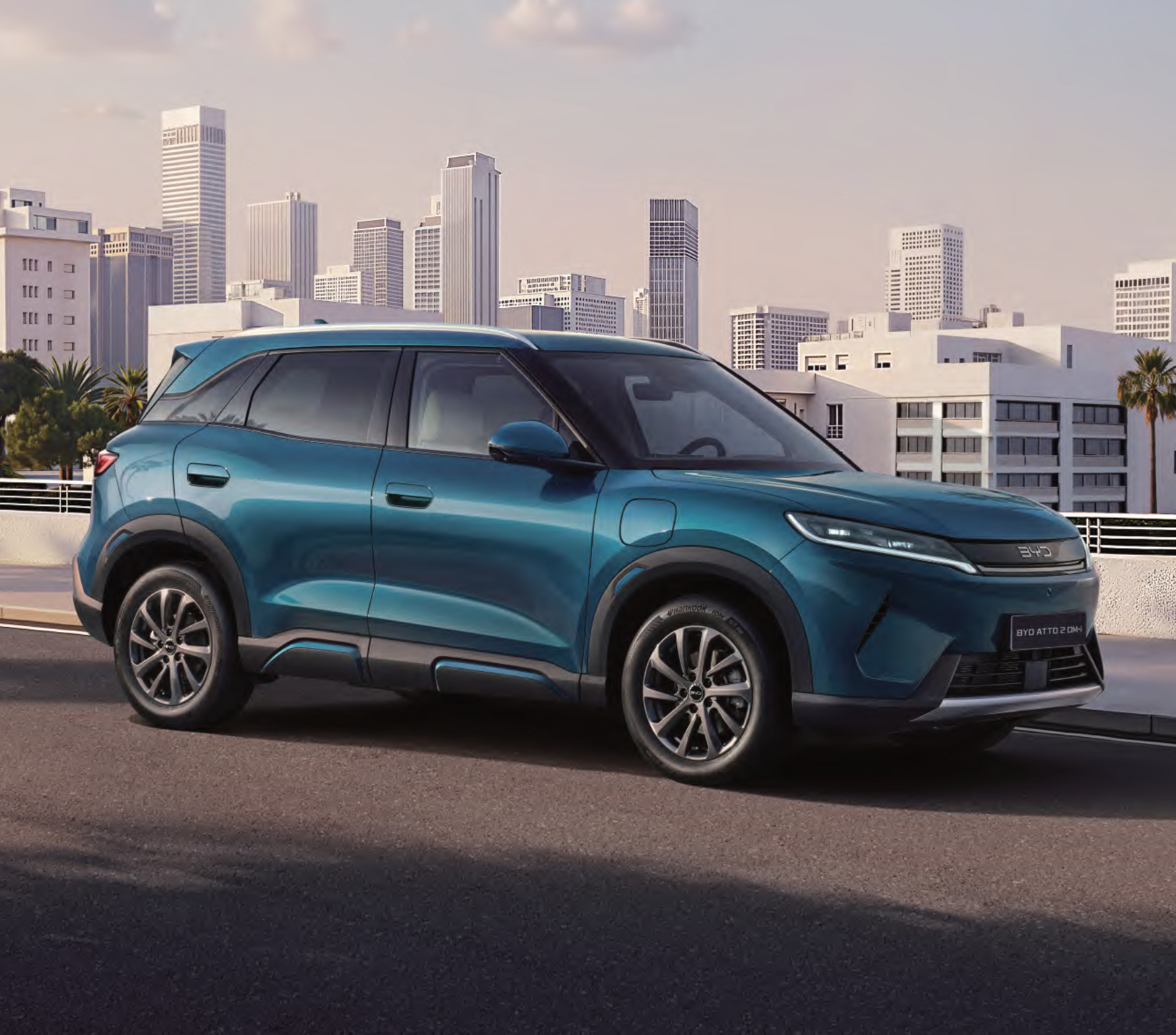
BYD Atto 2 DM-i Active
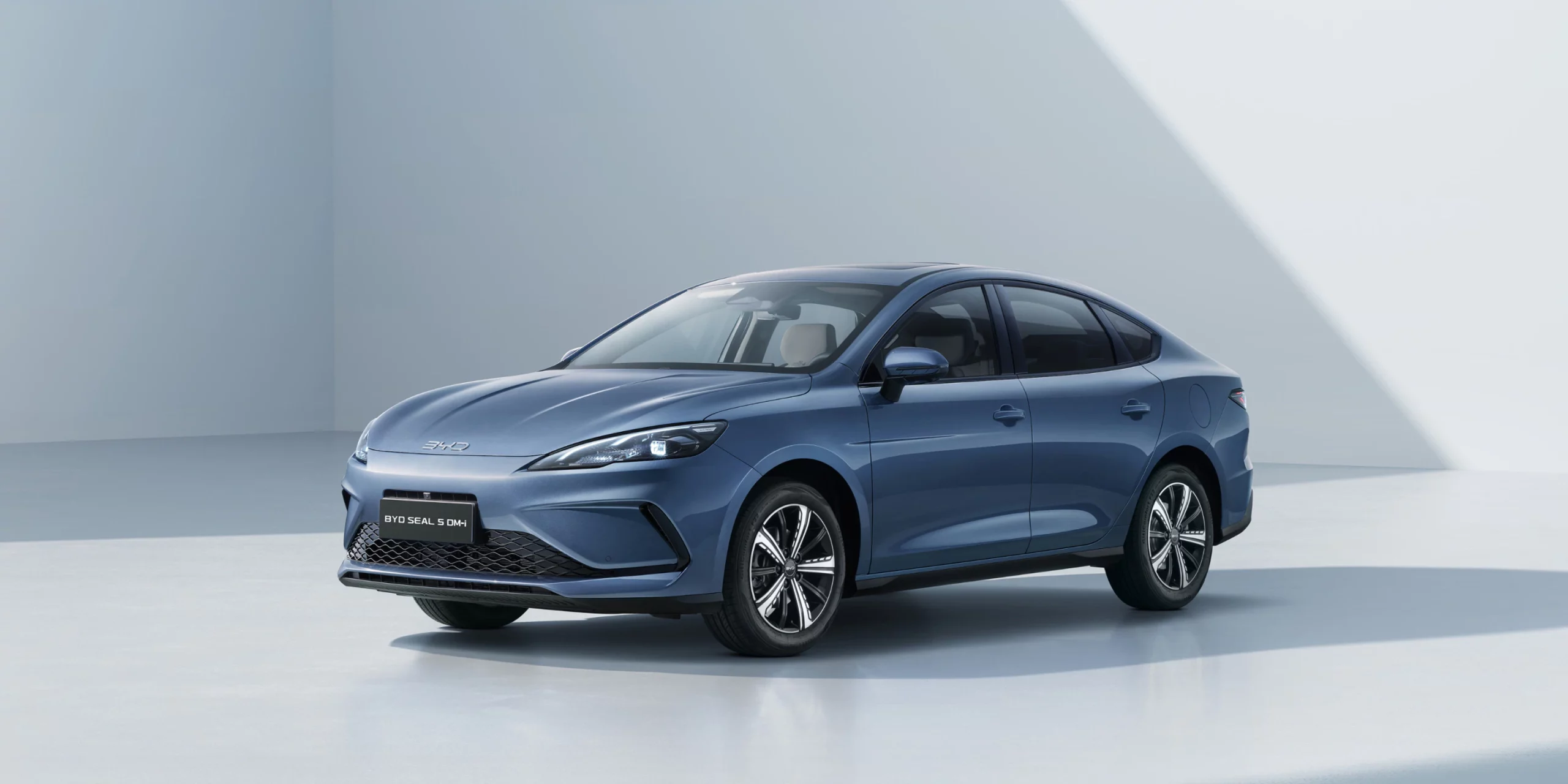
BYD Seal 5 DM-i
BYD Atto 2 DM-i Boost
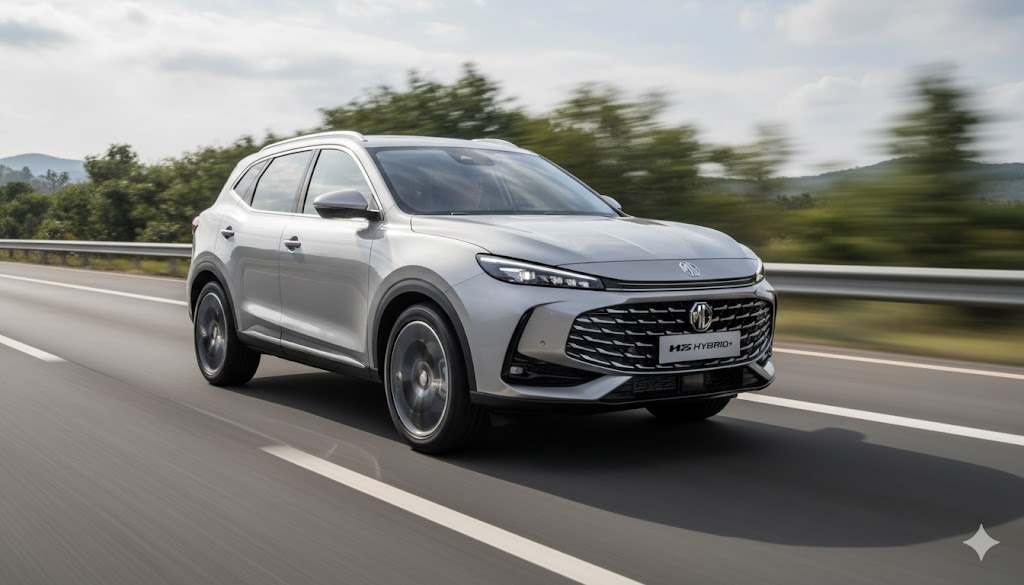
MG HS II 1.5T

Renault Captur E-TECH
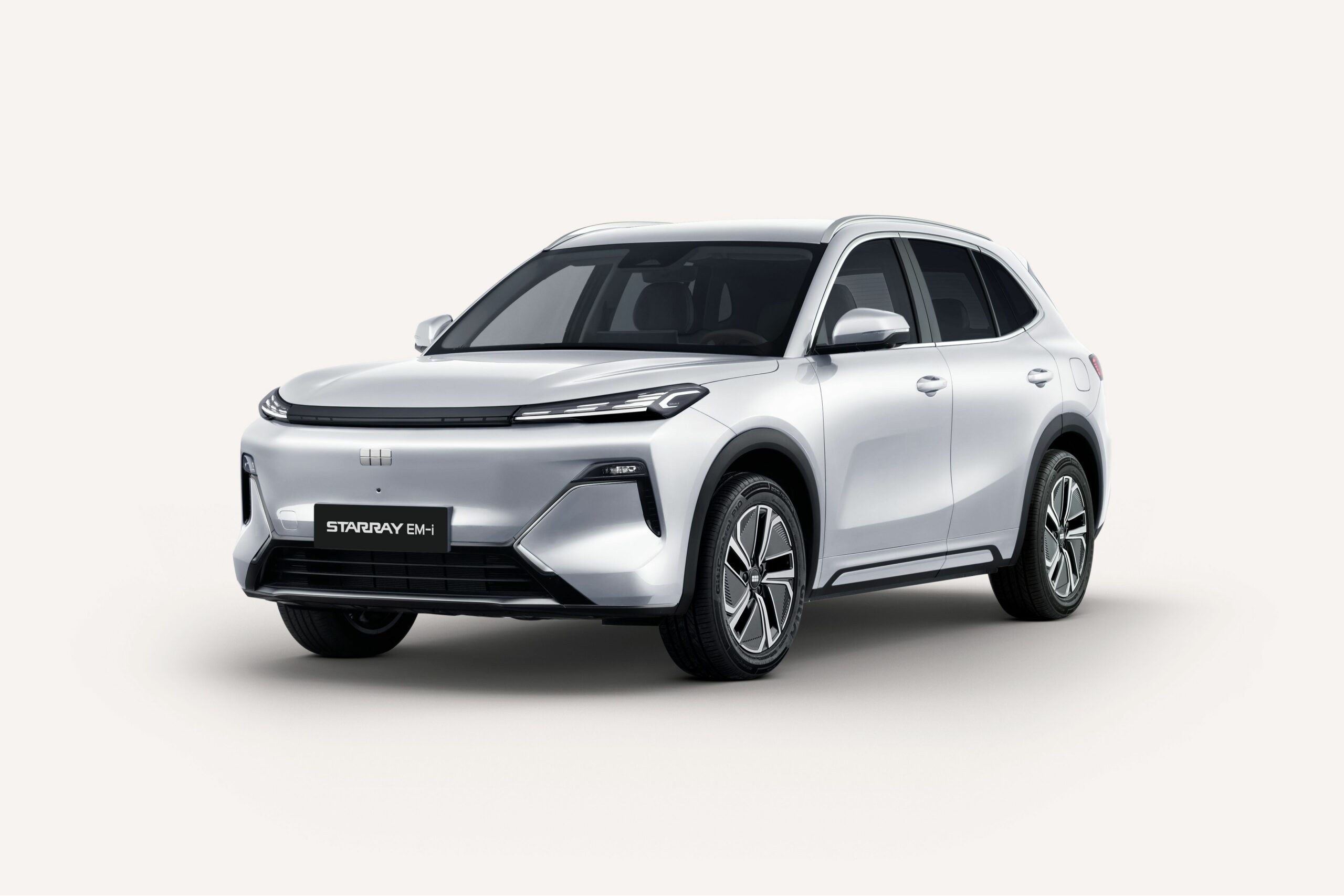
Geely Starray EM-i
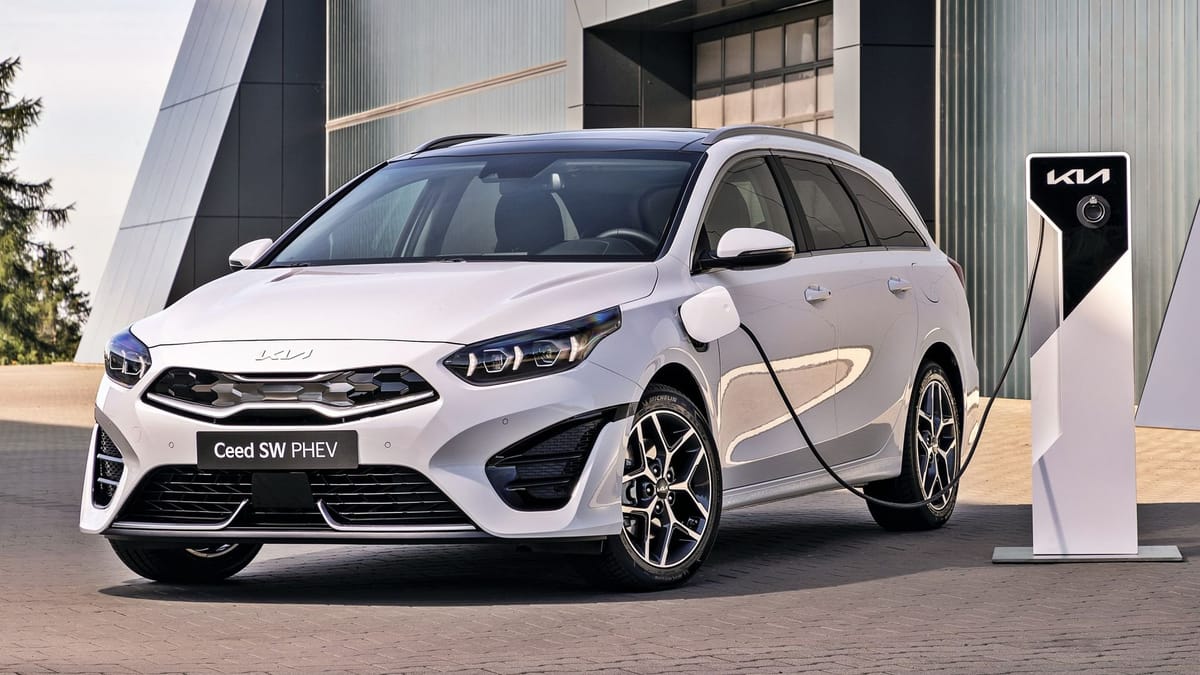
Kia Ceed III Sportswagon
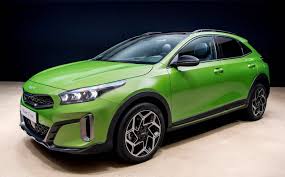
Kia XCeed
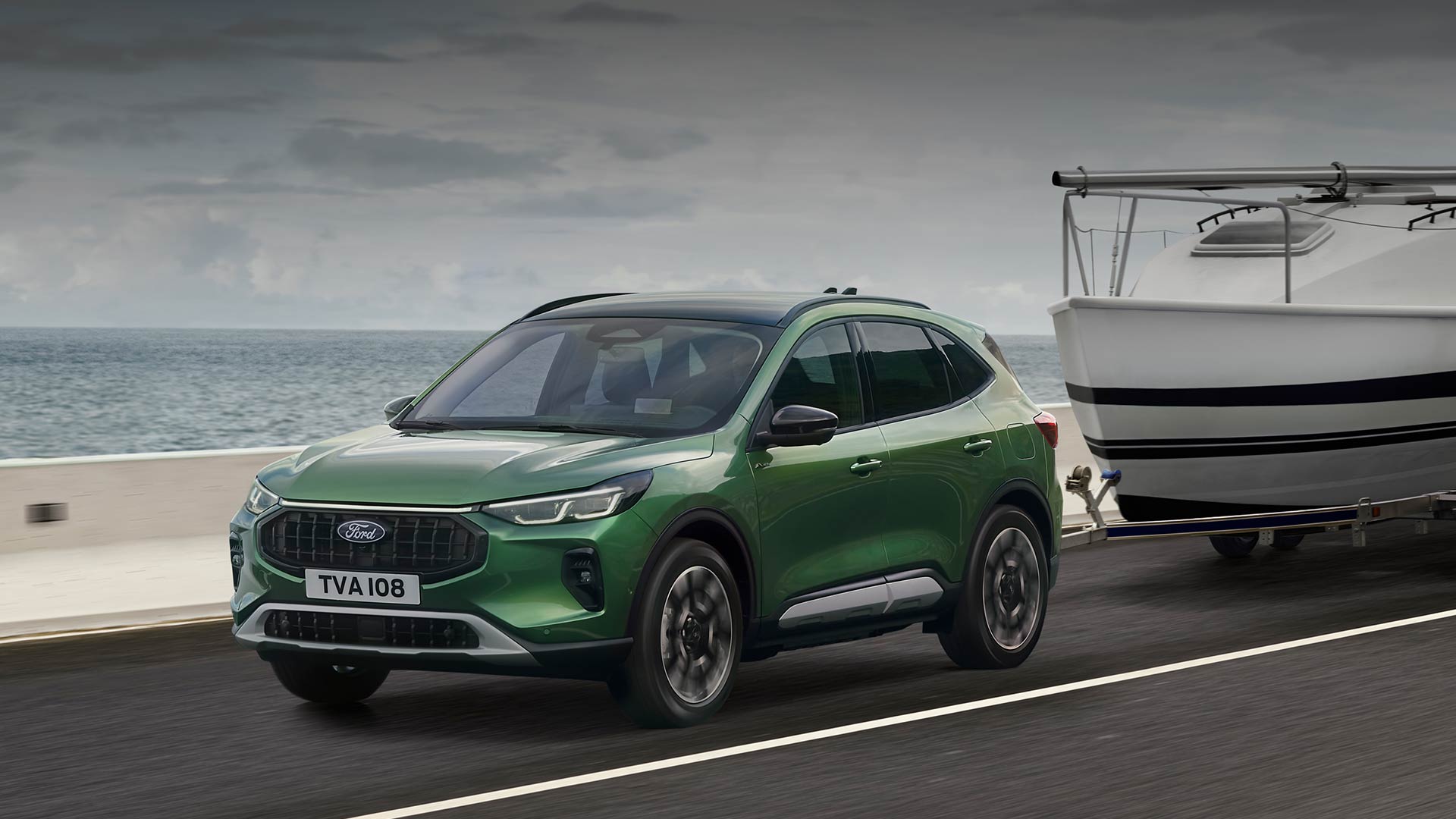
Ford Kuga
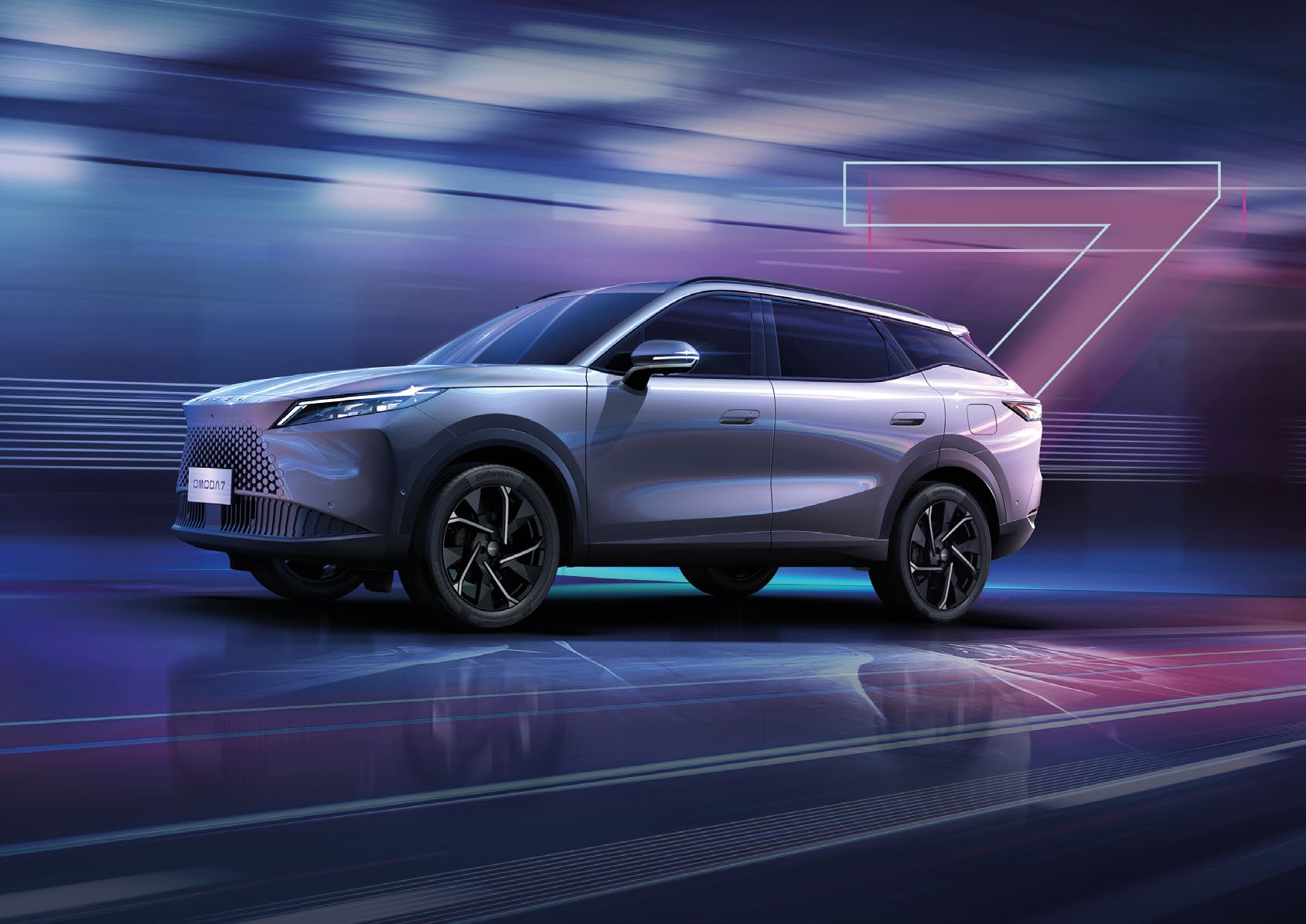
Omoda 7 Super Hybrid
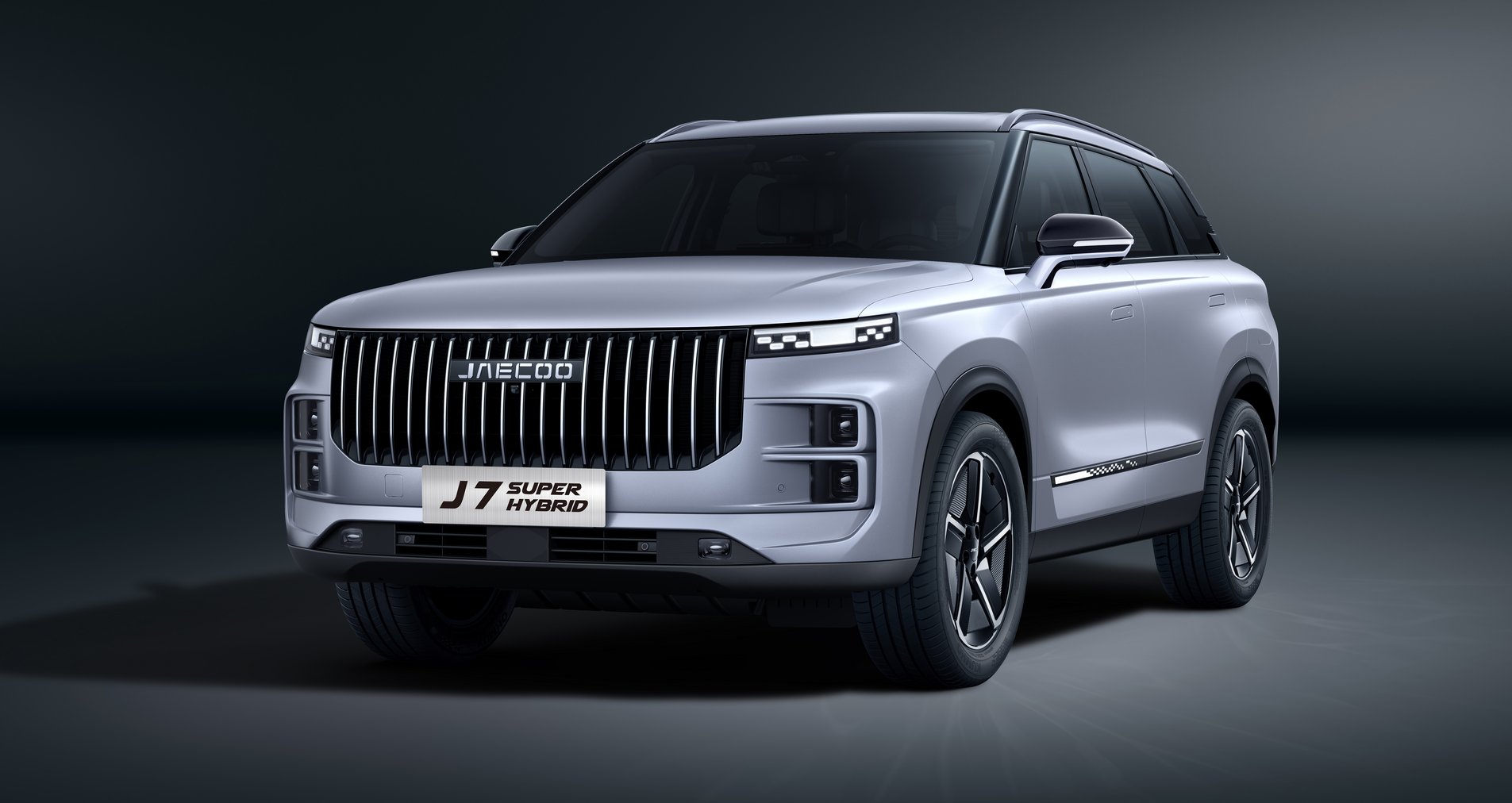
Jaecoo 7 Super Hybrid
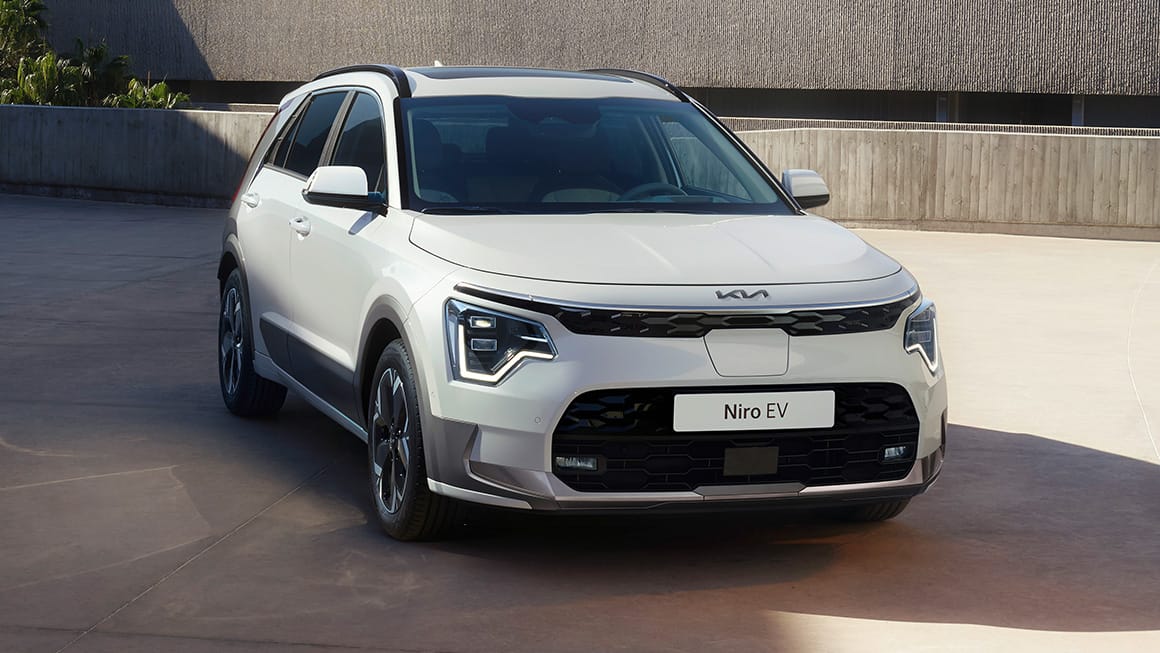
Kia Niro II
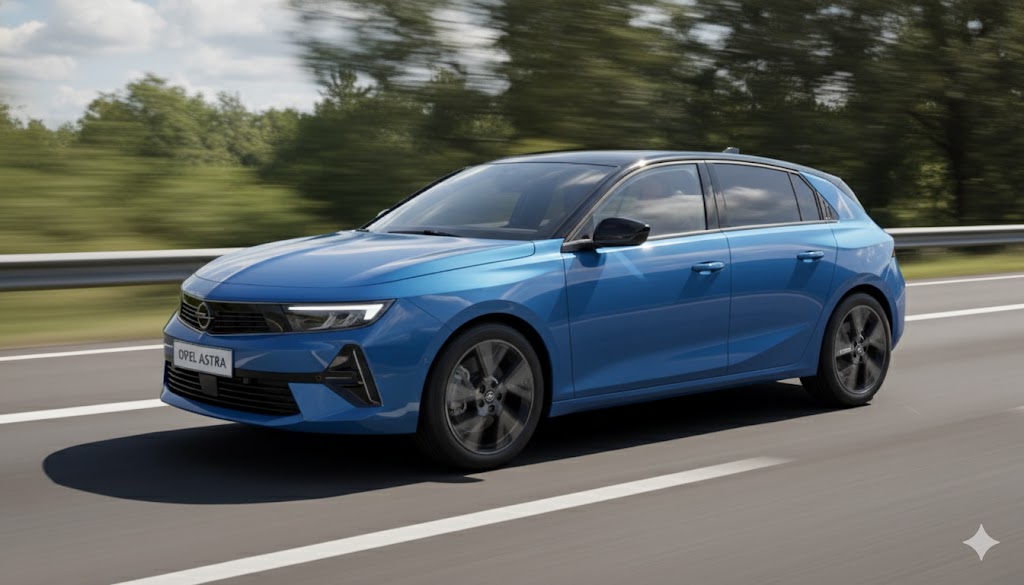
Opel Astra PHEV
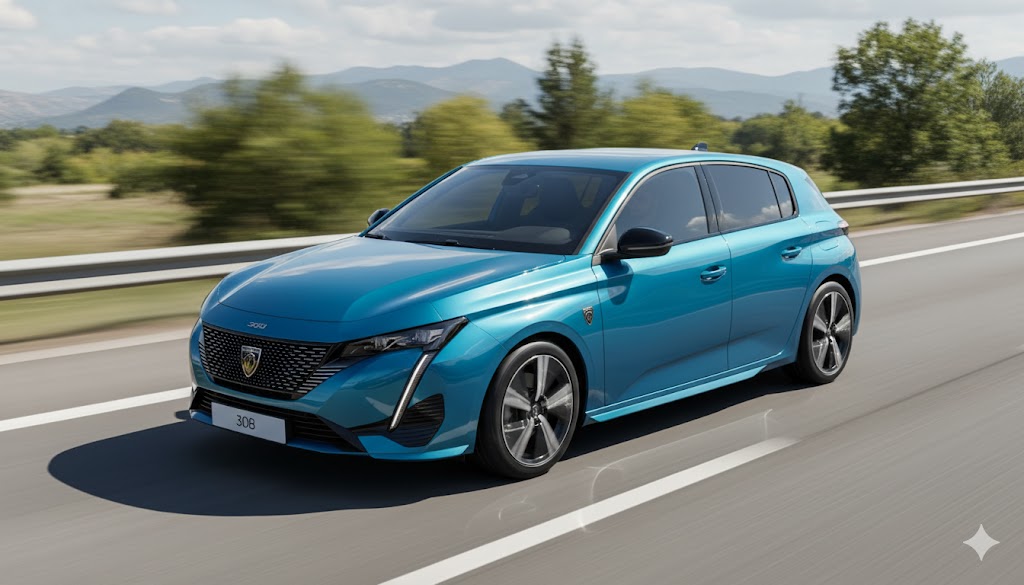
Peugeot 308
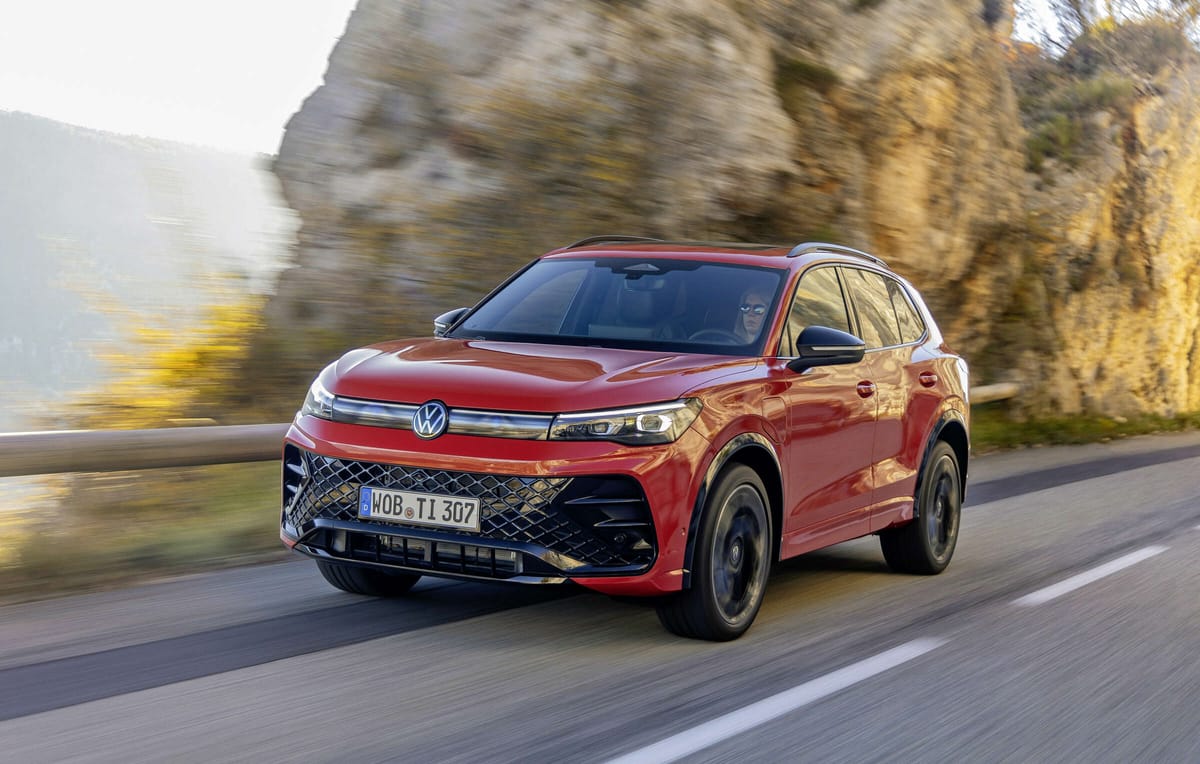
Volkswagen Tiguan eHybrid (2024+)
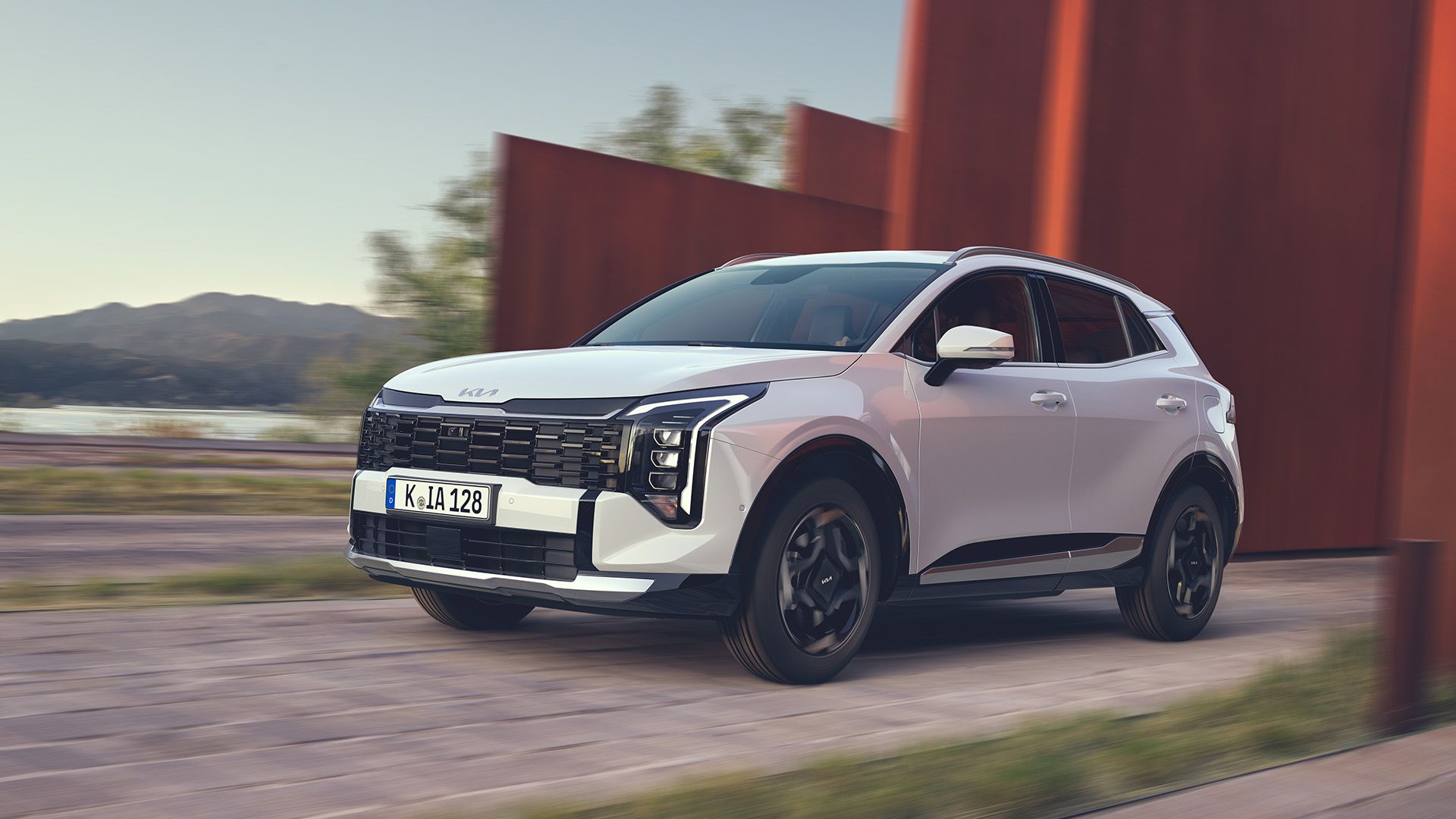
Kia Sportage V
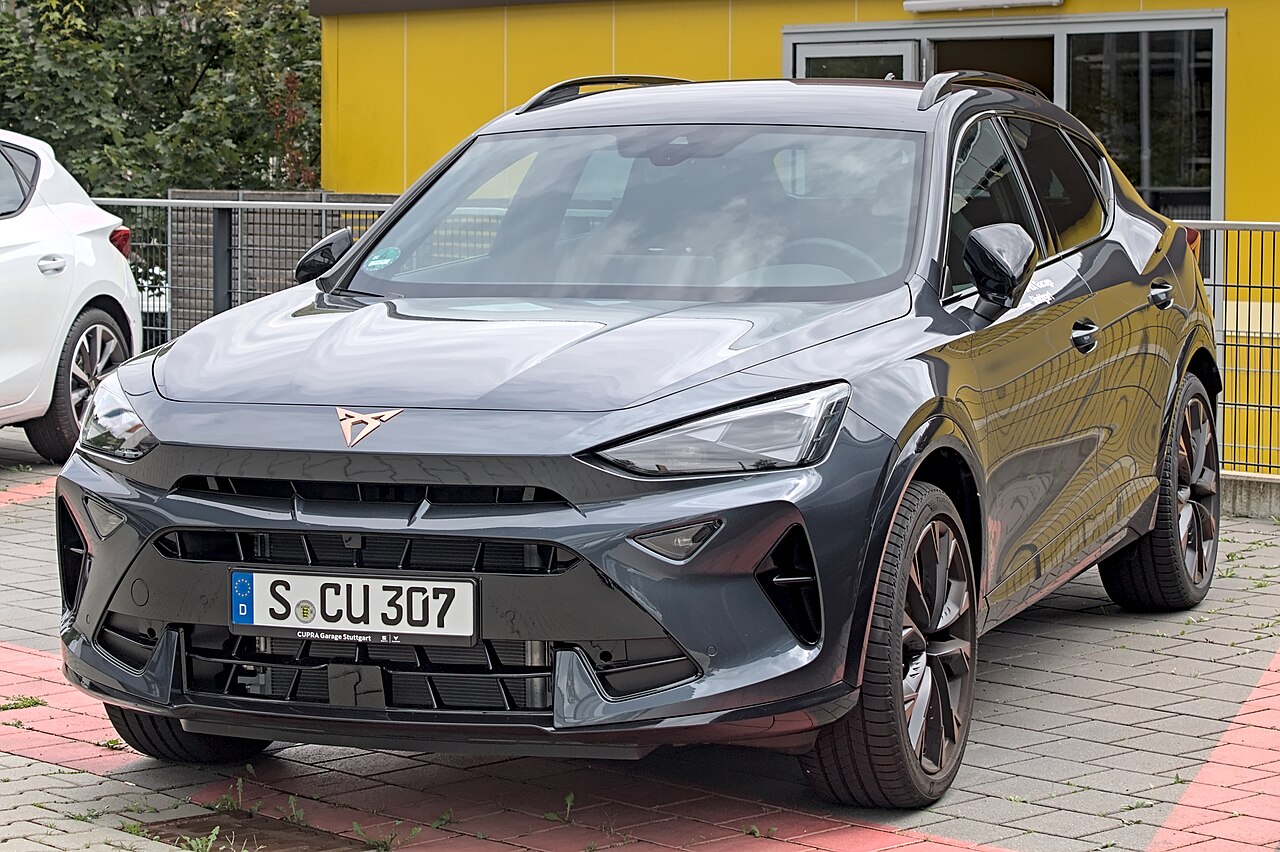
CUPRA Formentor 1.5 e-HYBRID 204hp
Why an Affordable PHEV is the Smartest Financial Compromise in 2026
Pure electric vehicles (BEVs) with equivalent range and size often command price tags well beyond €45,000–€55,000. Meanwhile, conventional petrol SUVs incur punishing European CO2 penalty taxes. Budget-friendly plug-in hybrids strike the ideal balance: you gain 50 to 100+ km of zero-emission daily commuting for as low as €24,500, with no charging anxiety on longer journeys.
Frequently Asked Questions About Affordable PHEVs
What is the cheapest new plug-in hybrid (PHEV) in Europe in 2026?
Currently, the most affordable new PHEVs in Europe are the BYD Atto 2 DM-i Active (starting at approximately €24,500), BYD Seal 5 DM-i (~€27,990), and MG HS II 1.5T PHEV (~€32,990). These models deliver between 60 km and 103 km of pure electric range at prices significantly lower than established legacy rivals.
Is a cheap PHEV worth buying compared to a conventional petrol or self-charging hybrid?
Yes. An affordable PHEV offers the lowest total cost of ownership (TCO) if you charge regularly at home or work. With electricity running costs roughly 60% lower than petrol, commuting 40–70 km daily on battery power pays back the initial purchase premium within 2 to 3 years.
Do affordable PHEVs qualify for tax exemptions and subsidies in European countries?
Yes. Most cheap PHEVs emit under 30 g/km of CO2, qualifying for reduced company car taxation (such as 0.5% in Germany or low BiK brackets in the UK), local parking discounts, and full exemption from environmental penalty taxes (like the French Malus écologique).
Can budget plug-in hybrids fast charge on the motorway?
Some modern affordable models, such as the Jaecoo 7 and Omoda 7, support DC rapid charging (up to 40 kW). However, many entry-level vehicles use 3.7 kW or 6.6 kW AC charging, meaning they are best suited for overnight home wallbox charging or destination charging.