Classés par temps de 0 à 100 km/h
Les PHEV haute performance classés par vivacité d'accélération
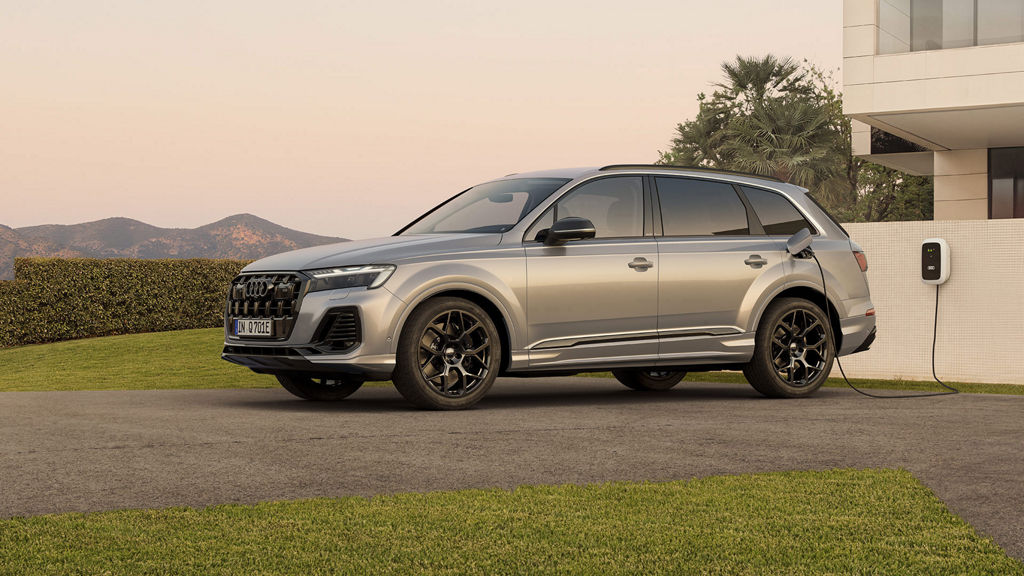
Audi Q7
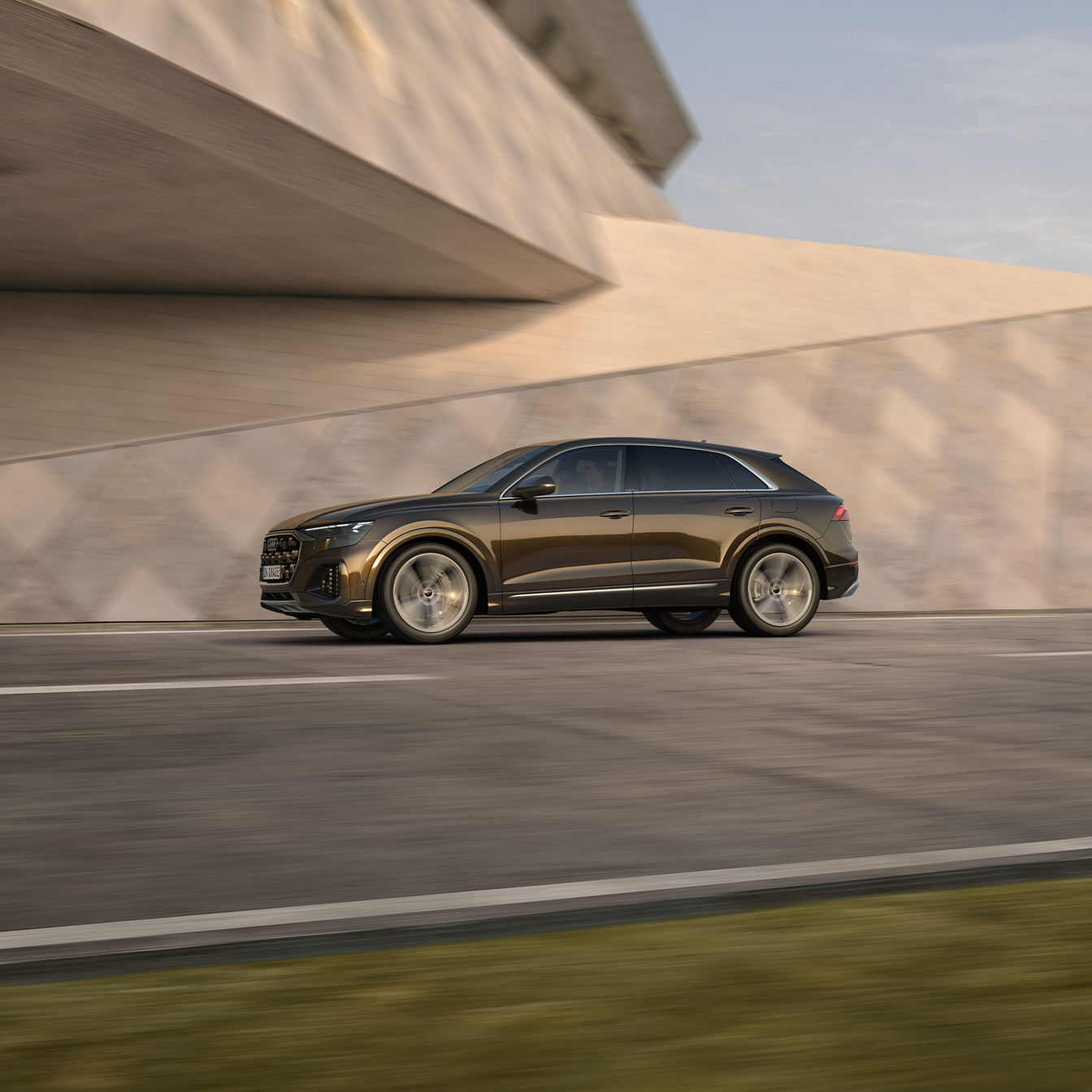
Audi Q8

BMW X5 50e
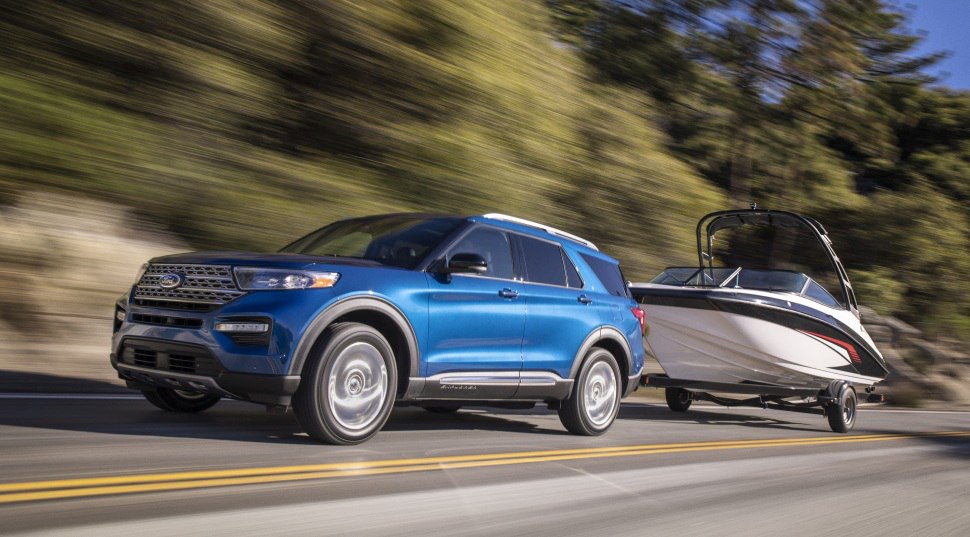
Ford Explorer
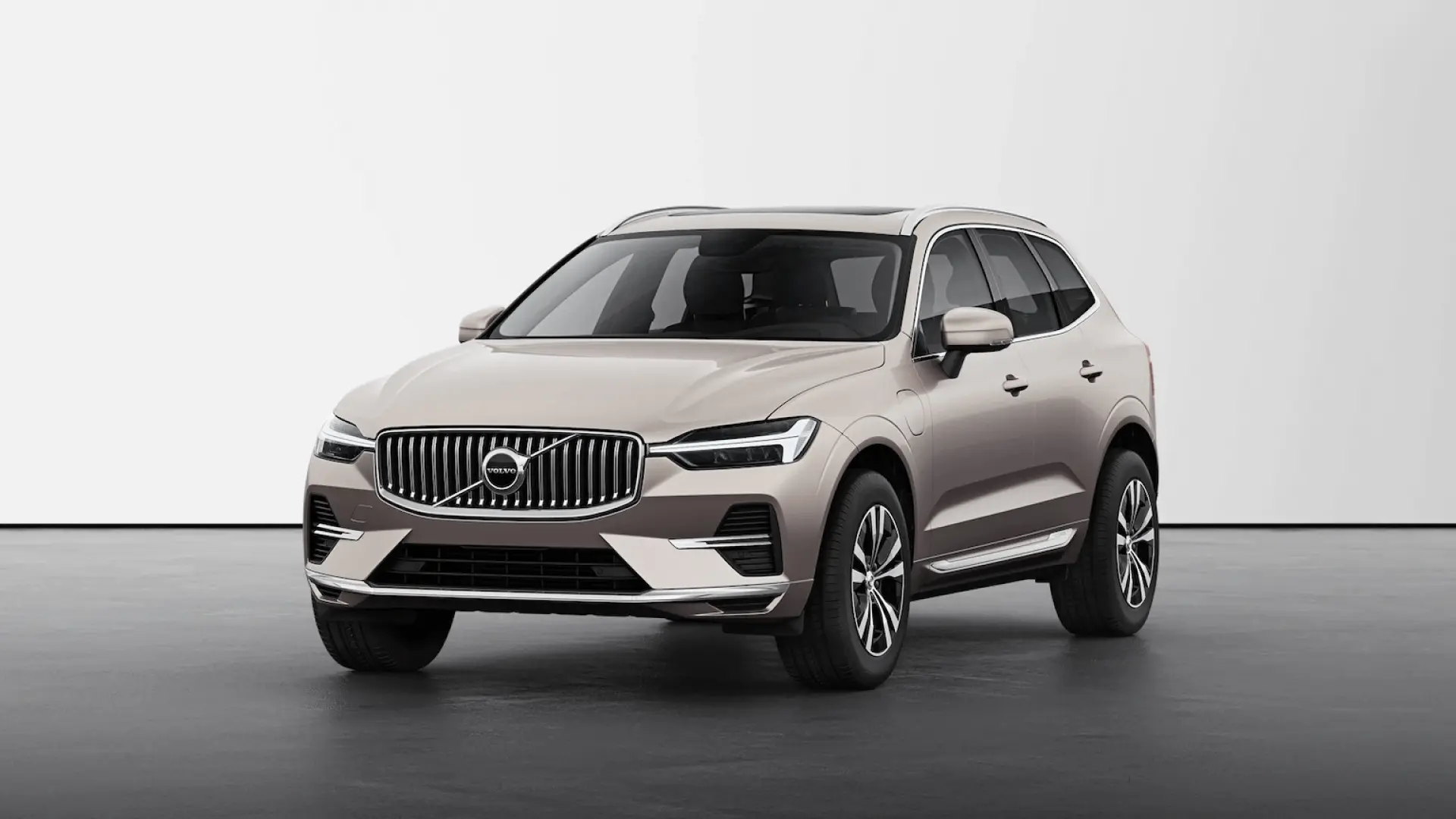
Volvo XC60
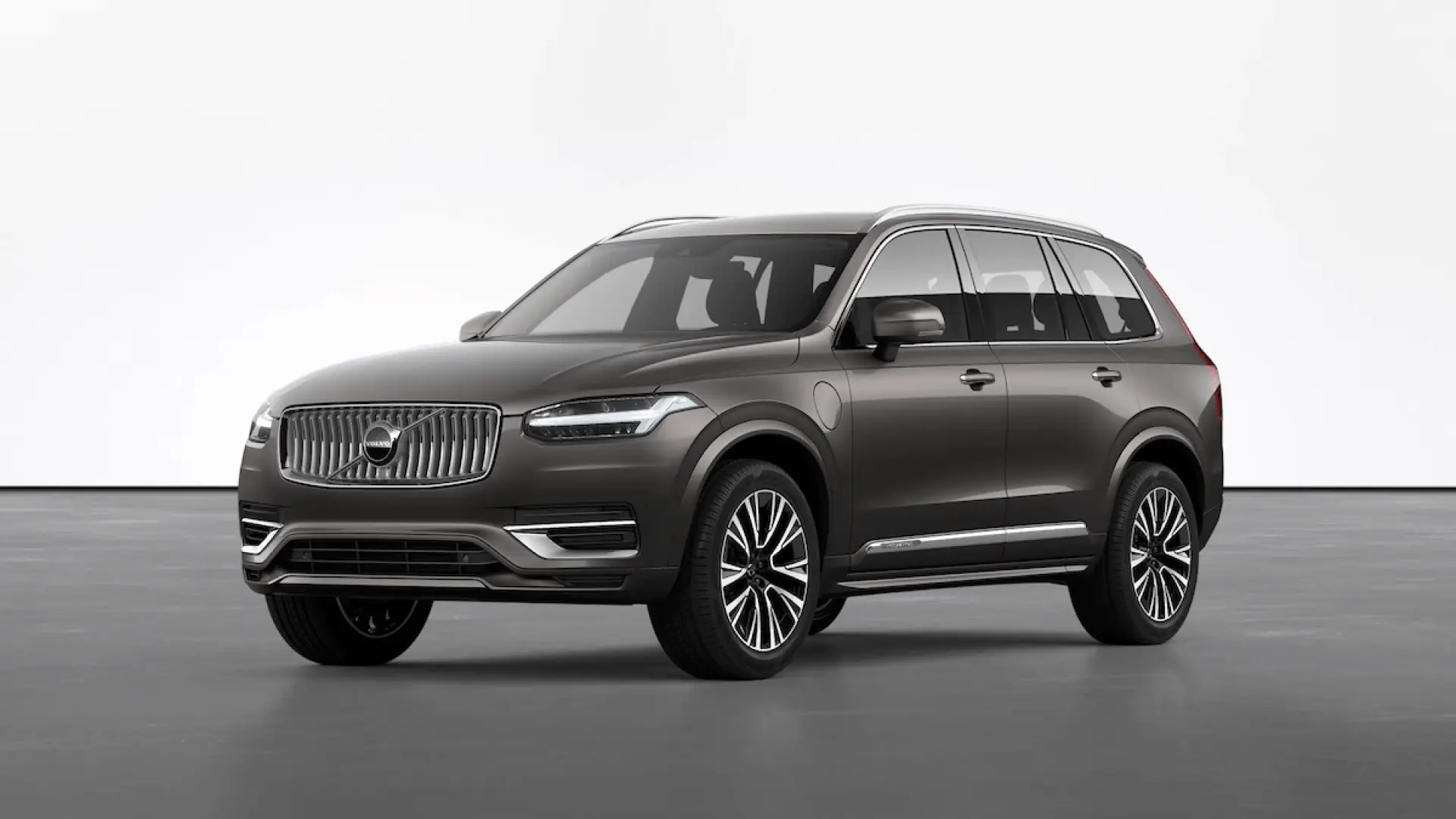
Volvo XC90
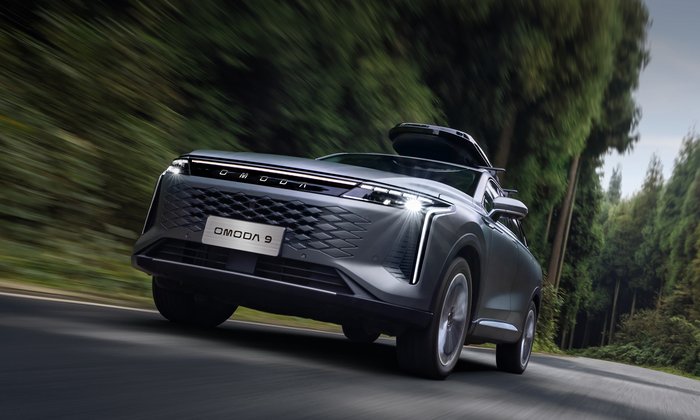
Omoda 9 Super Hybrid
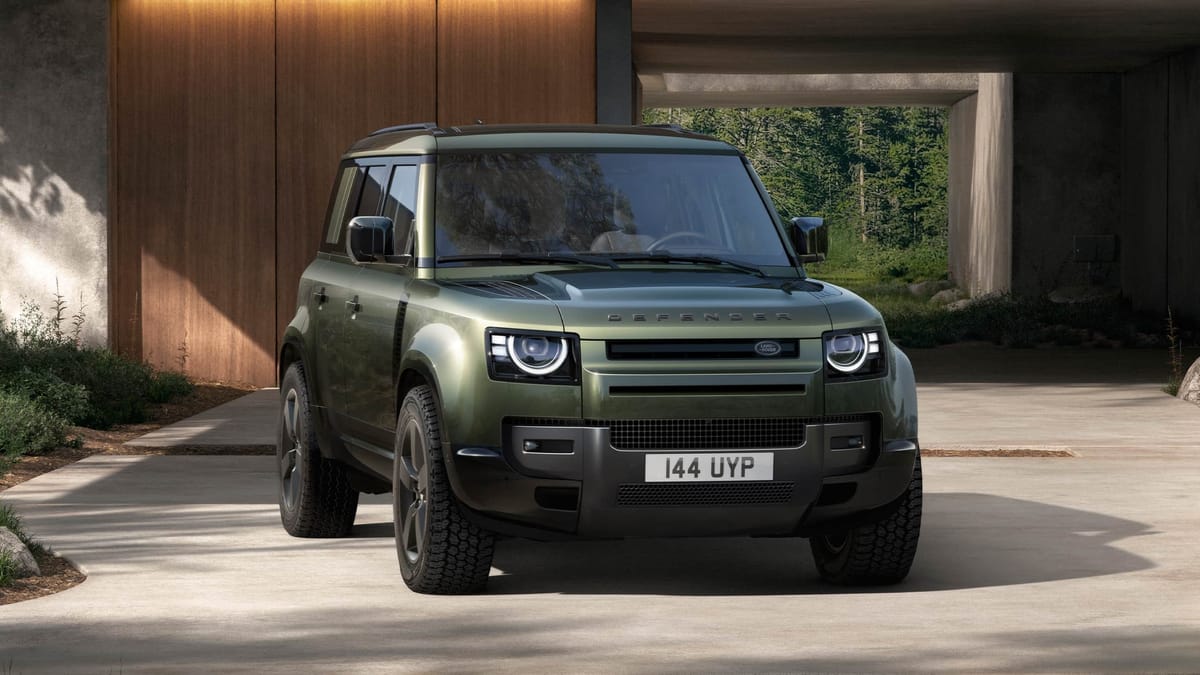
Land Rover Defender 110 P400e
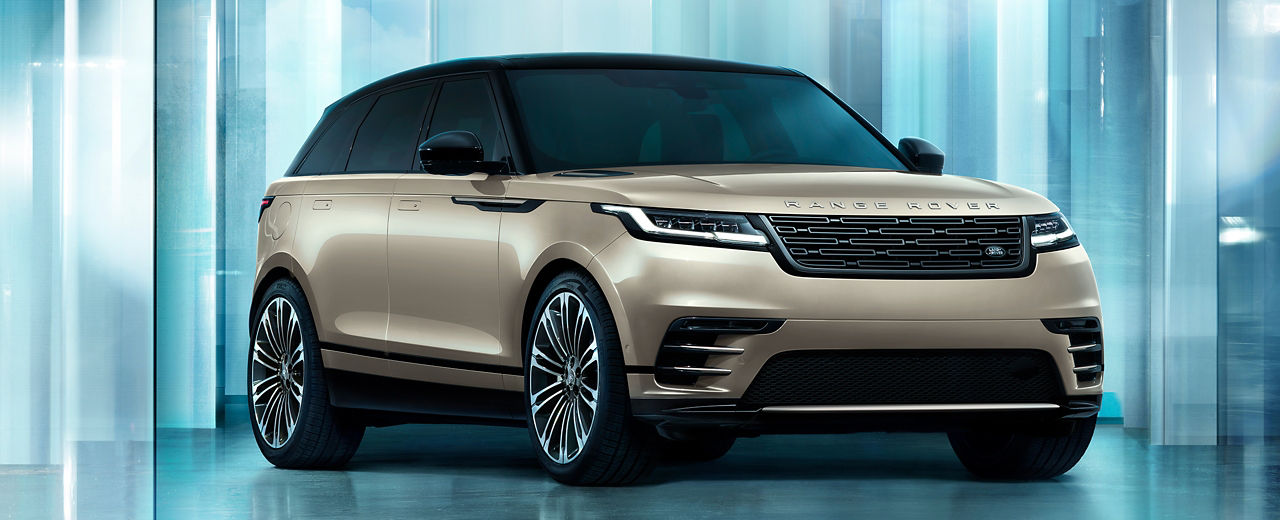
Land Rover Range Rover Velar P400e
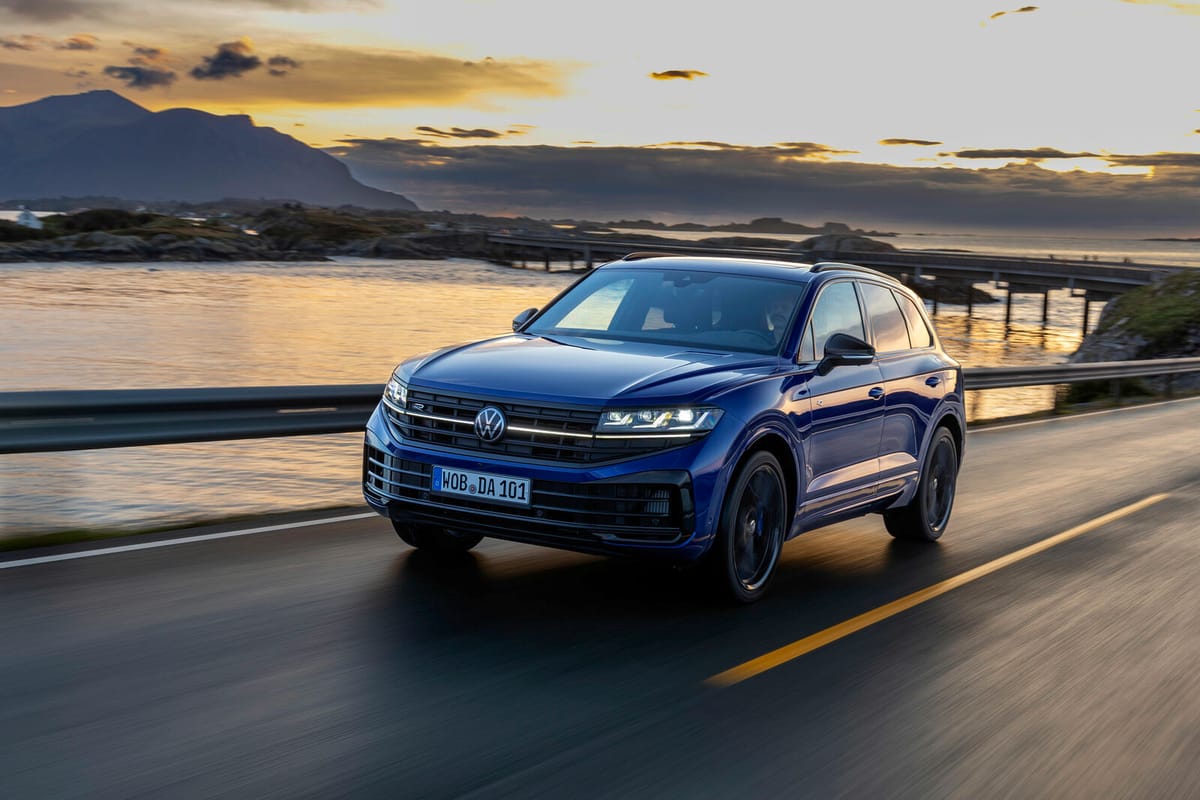
Volkswagen Touareg eHybrid

Jeep Wrangler 4xe Rubicon

Jeep Wrangler 4xe Sahara
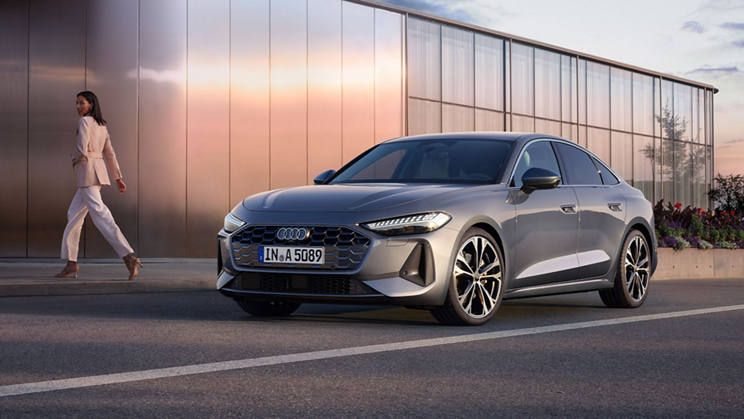
Audi A5 Limousine
Audi A6 Limousine 55 TFSI e Quattro
Audi A7 Sportback
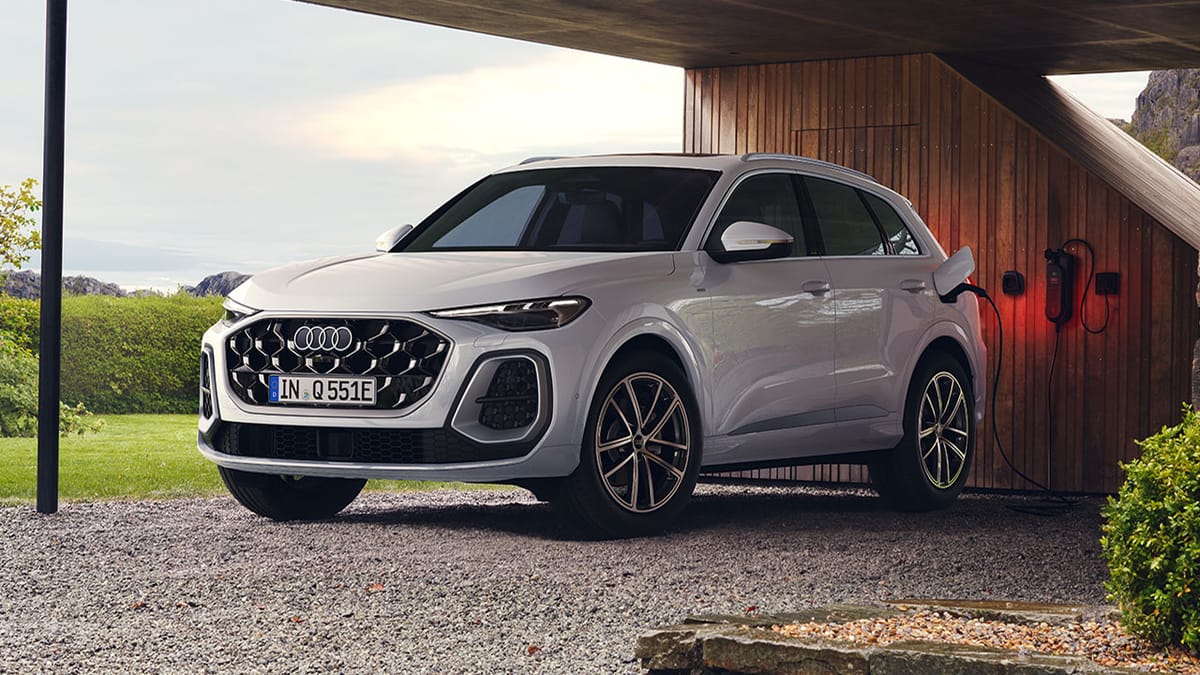
Audi Q5
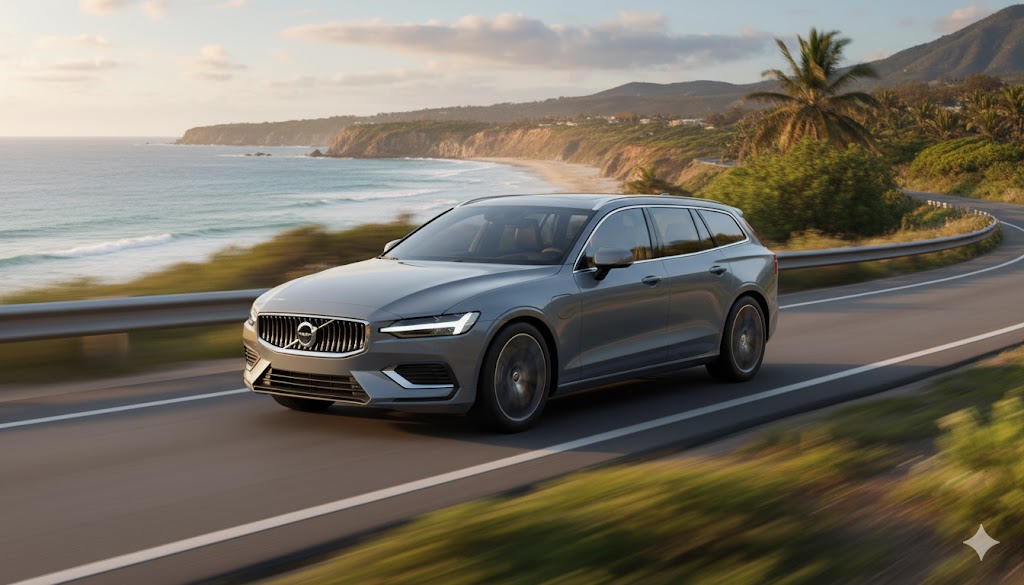
Volvo V60
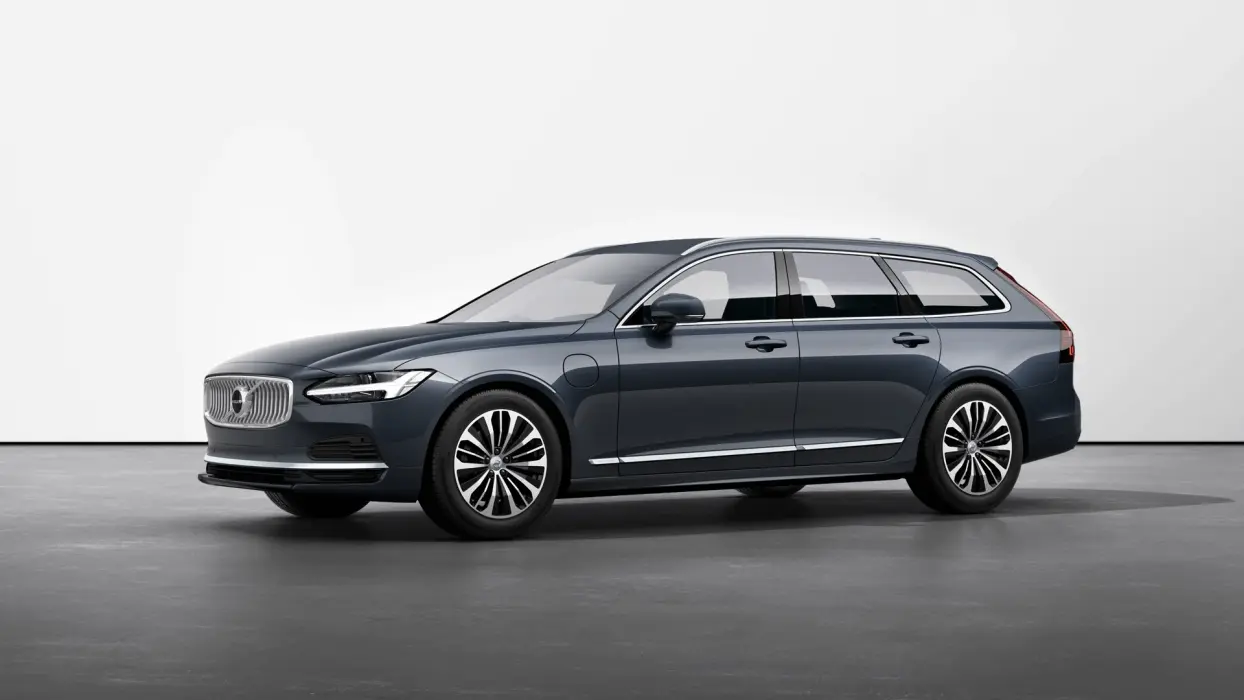
Volvo V90
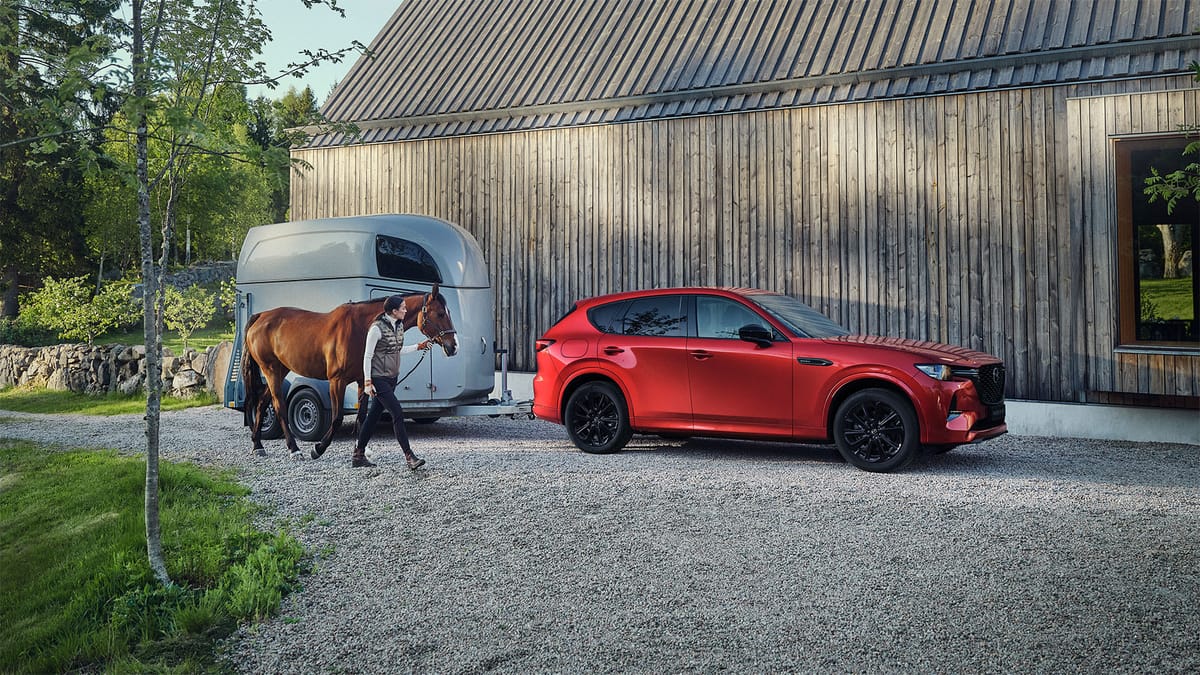
Mazda CX-60
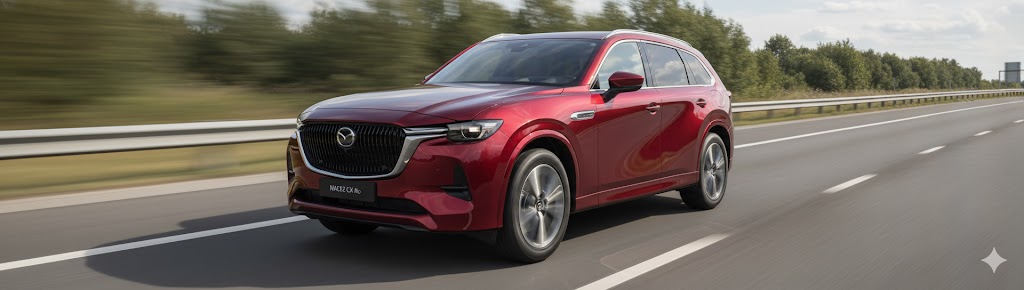
Mazda CX-80
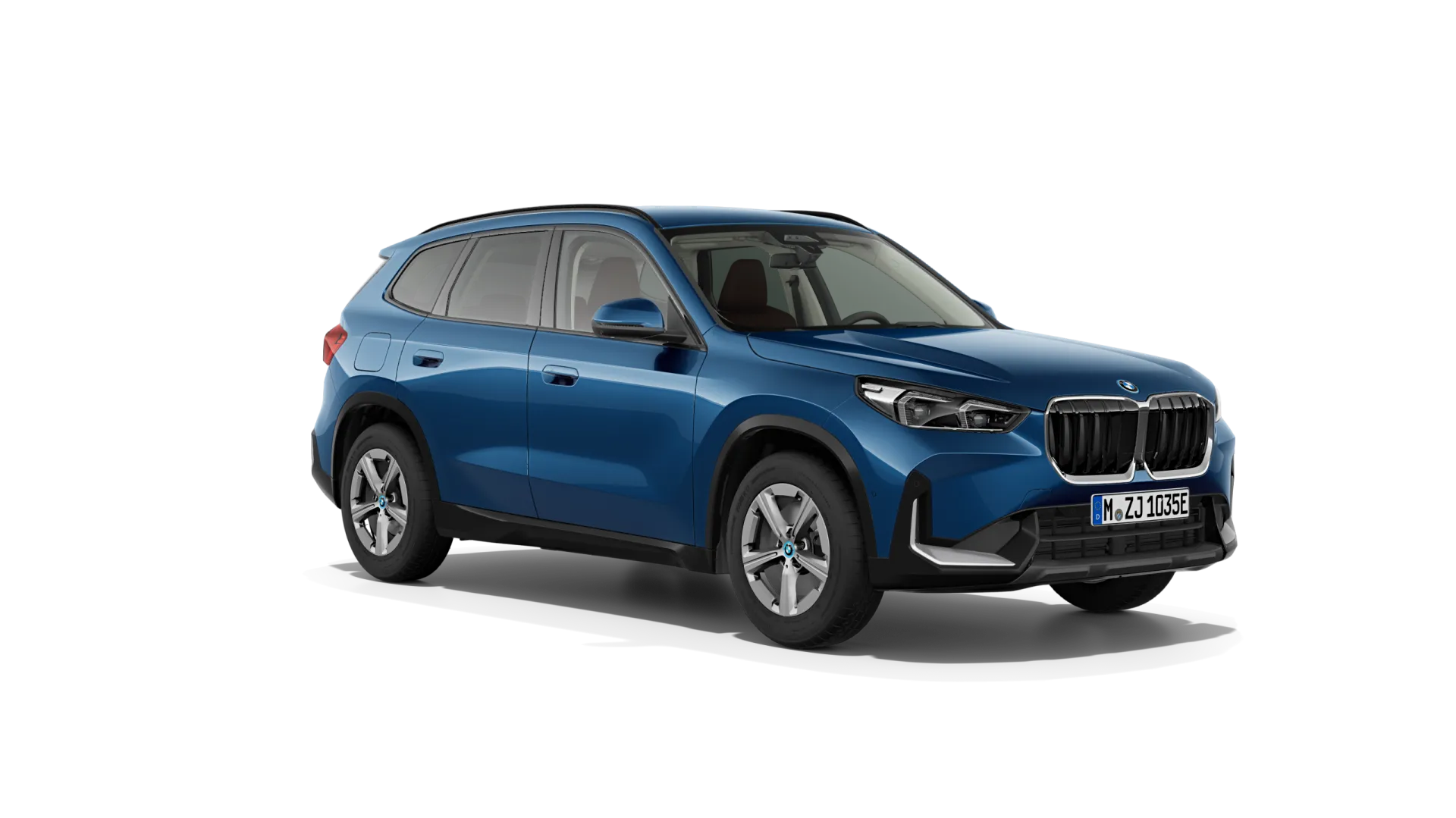
BMW X1 30e
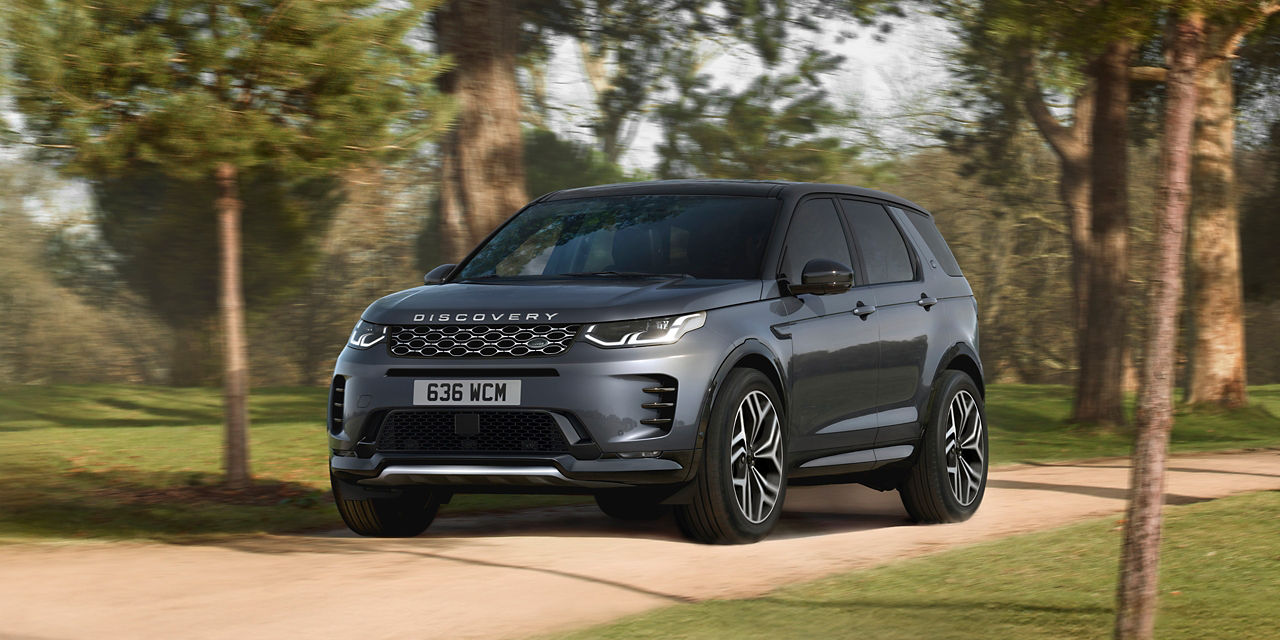
Land Rover Discovery Sport P300e
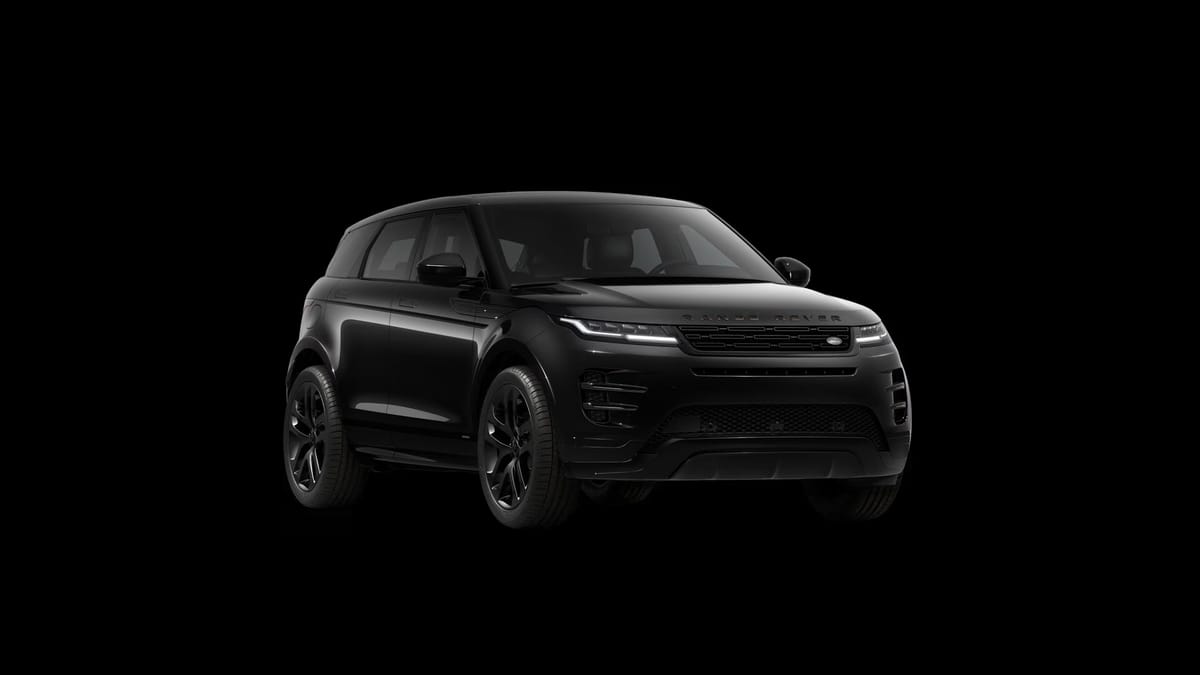
Land Rover Range Rover Evoque P300e
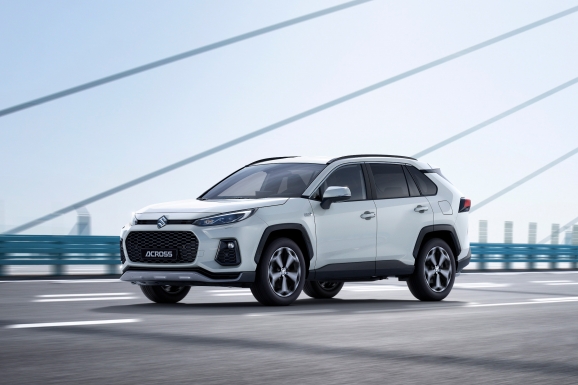
Suzuki Across
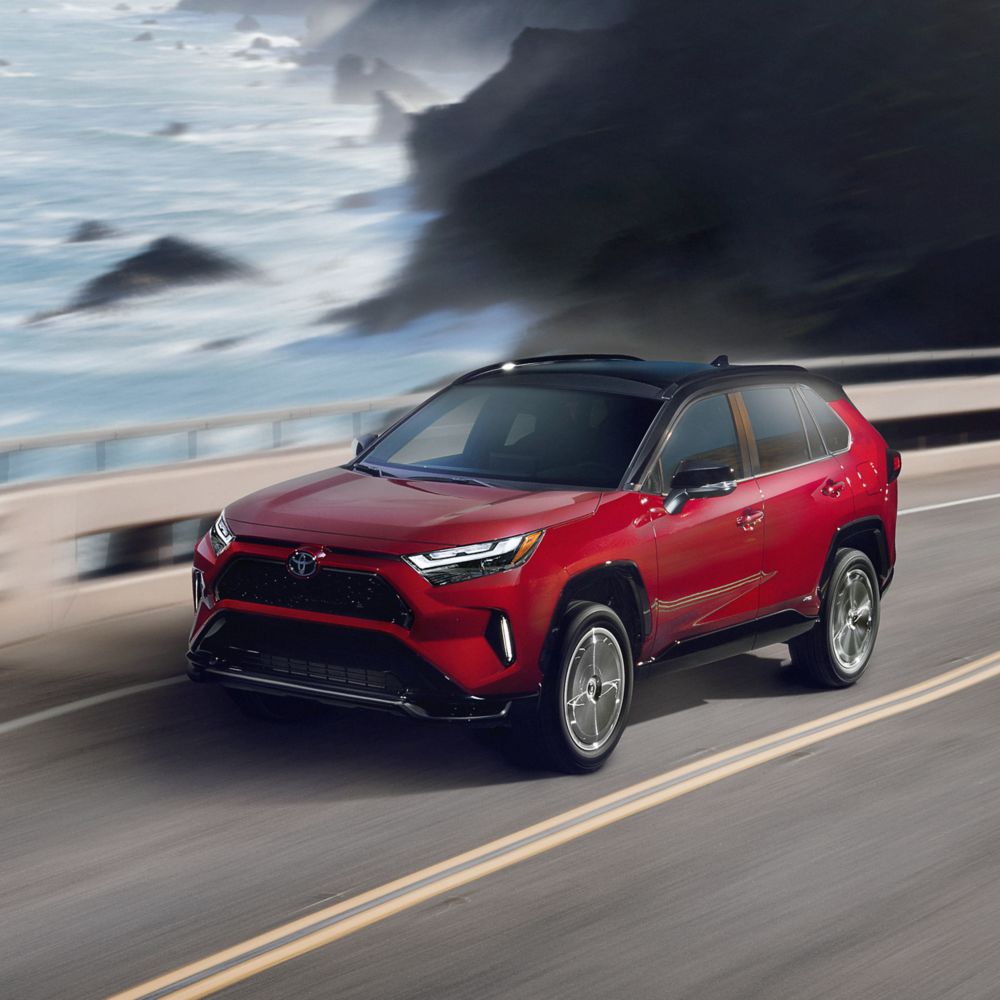
Toyota RAV4 Plug-in Hybrid (2020-2023)
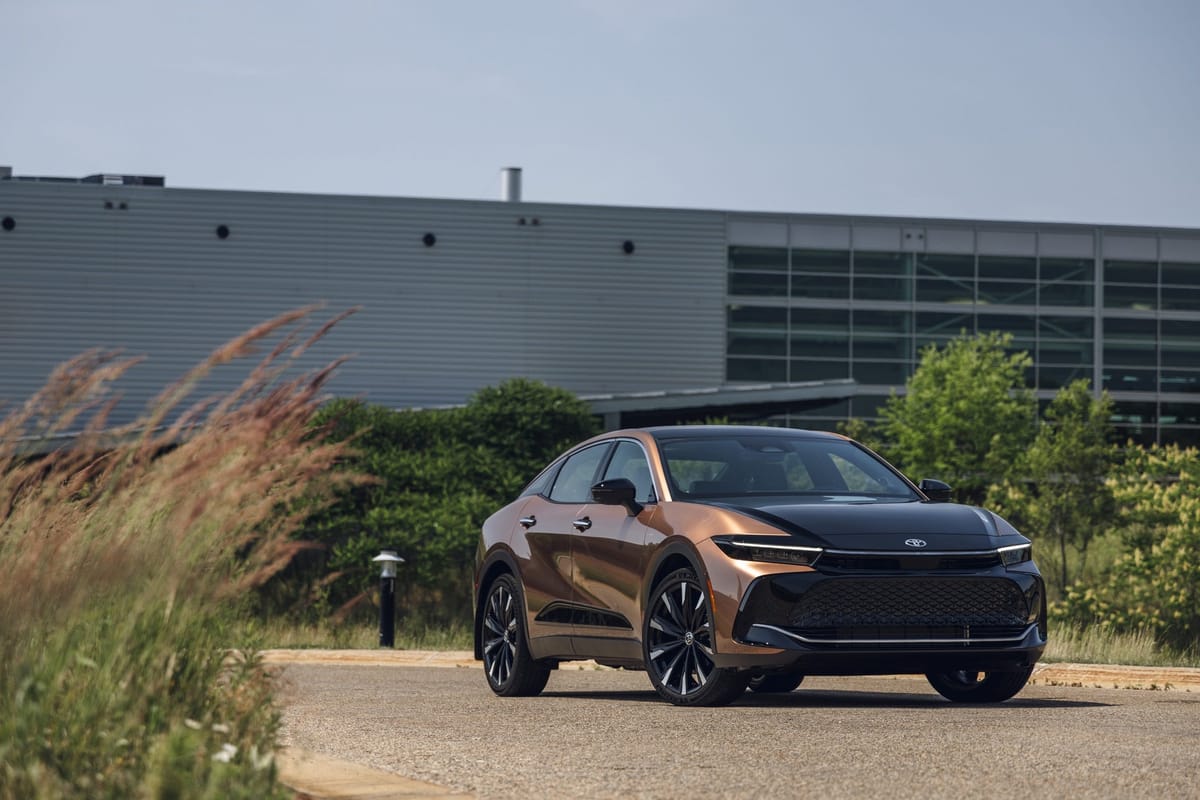
Toyota Crown
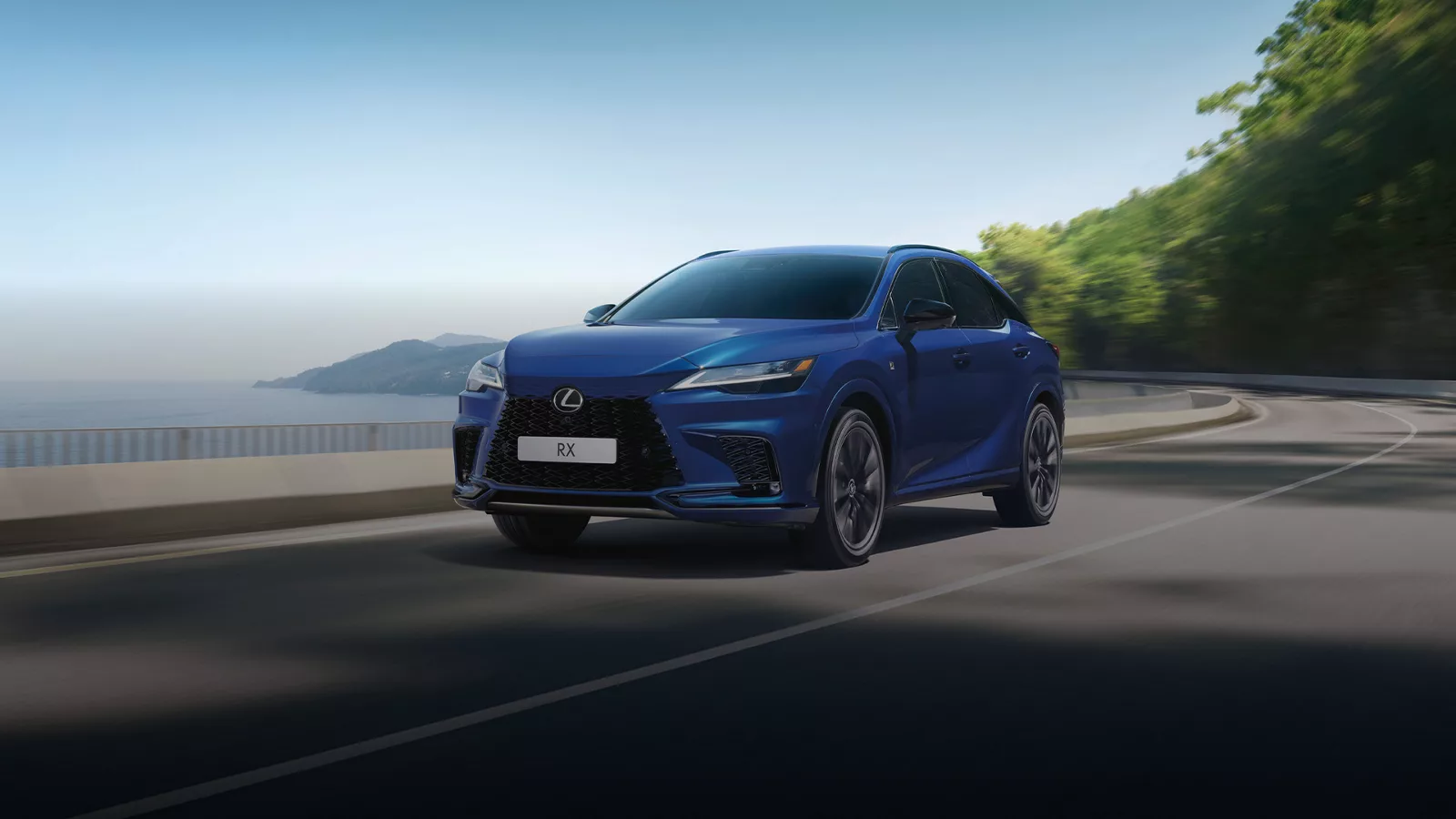
Lexus NX 450h+
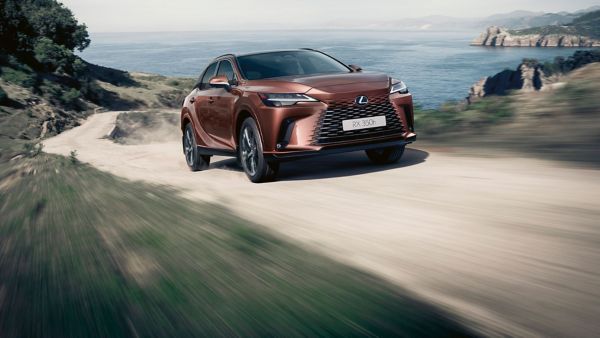
Lexus RX 450h+
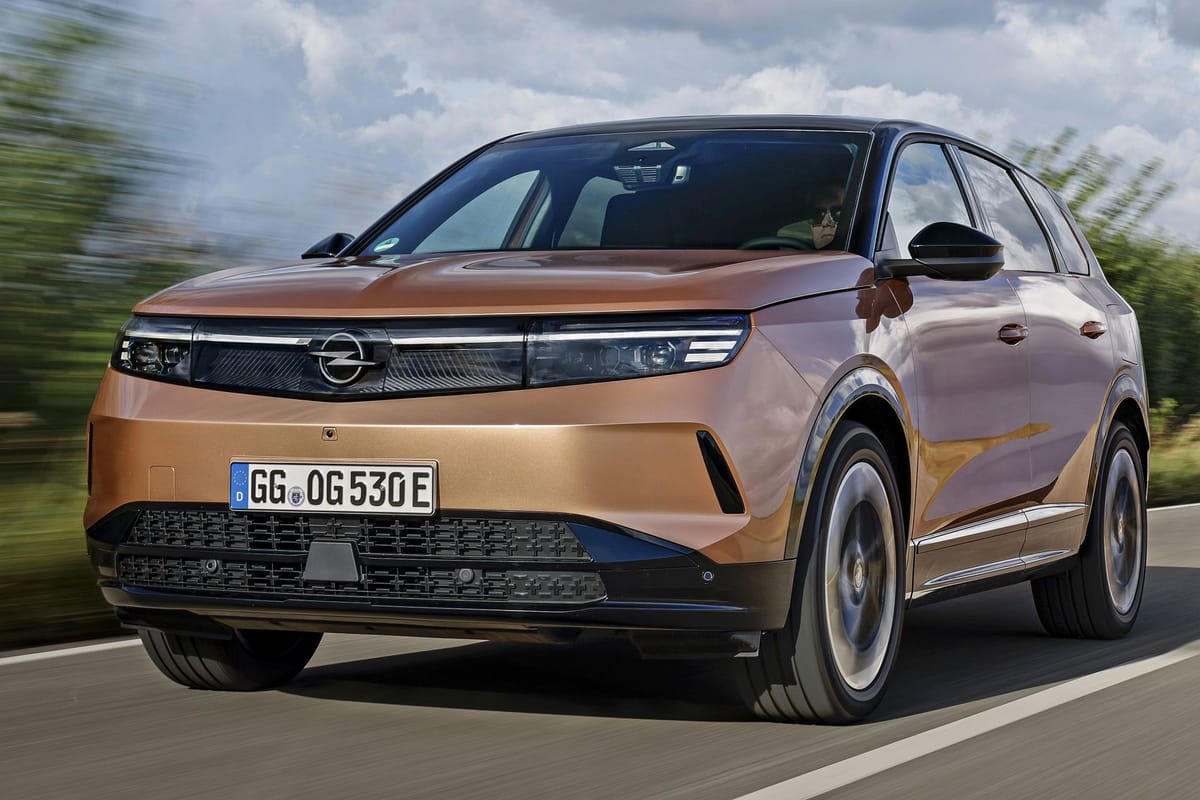
Opel Grandland X 1.6 Turbo 4 AWD
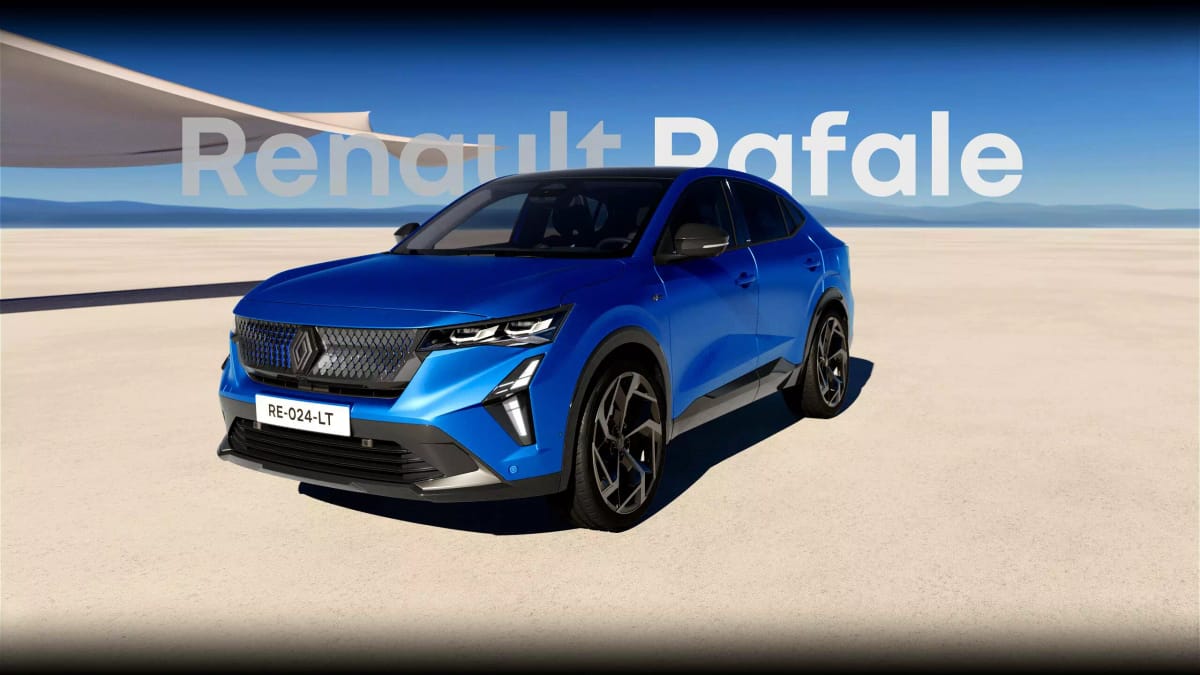
Renault Rafale
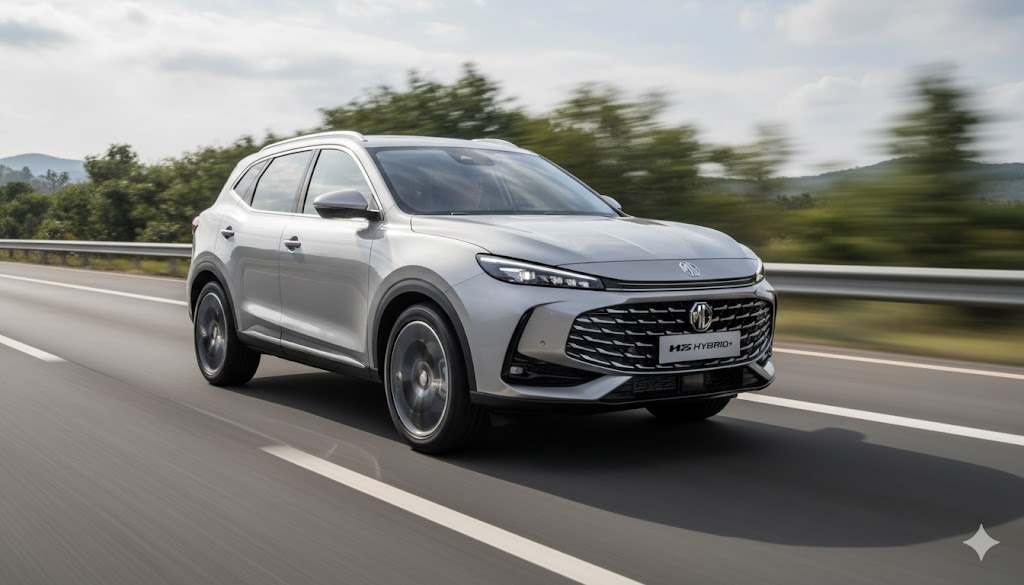
MG HS II 1.5T
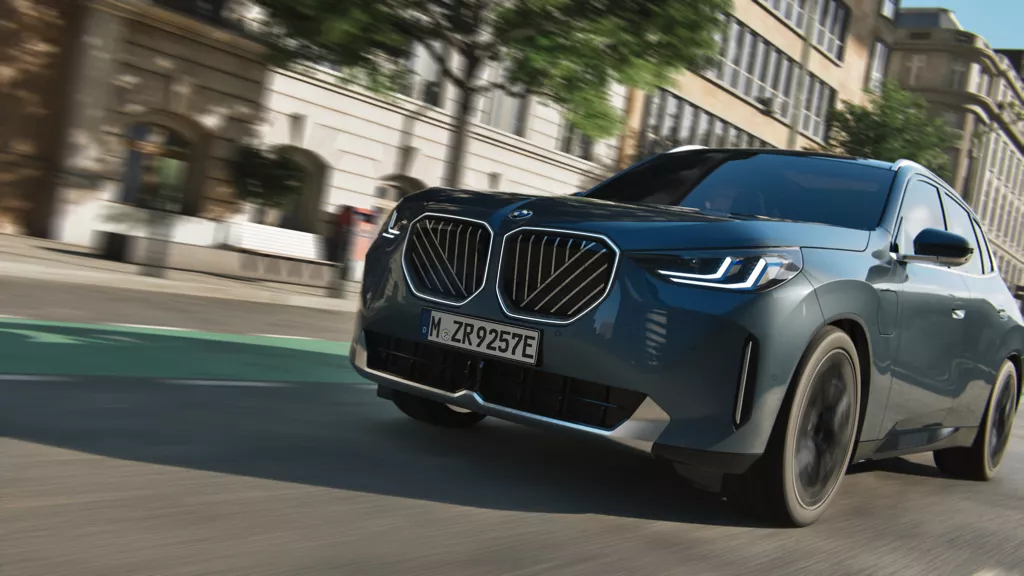
BMW X3 30e
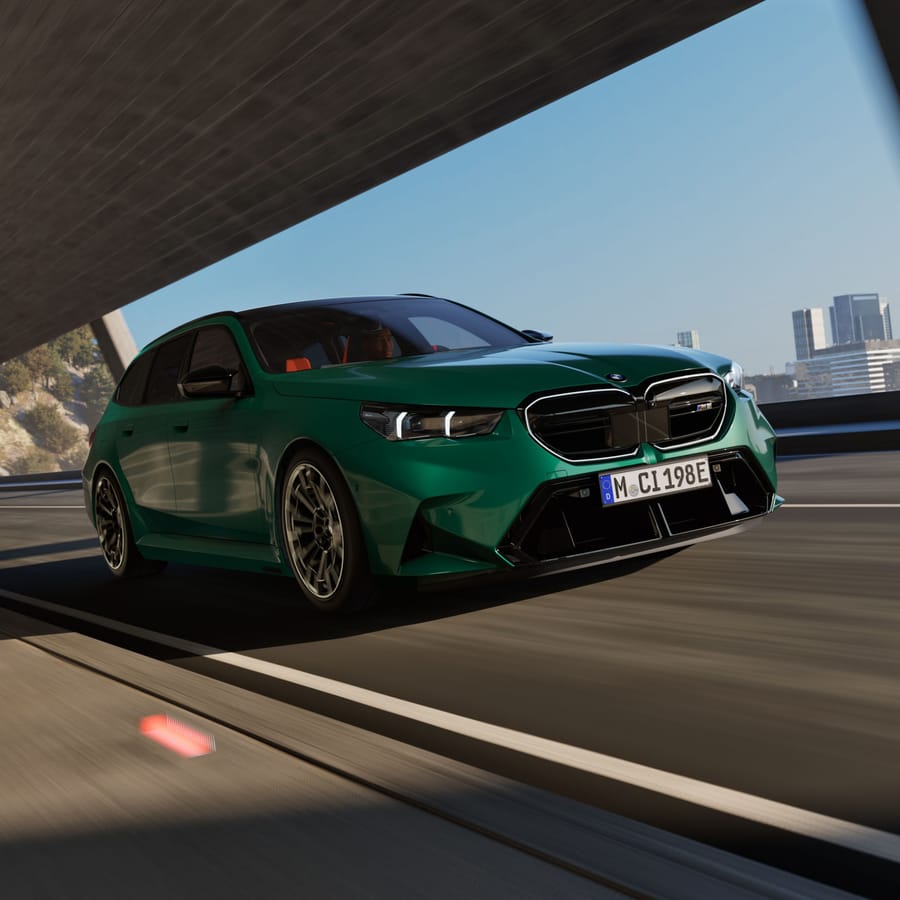
BMW M5 Touring
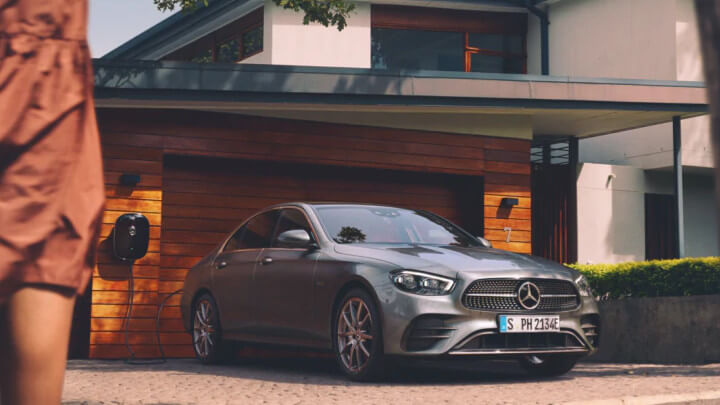
Mercedes-Benz E-Class
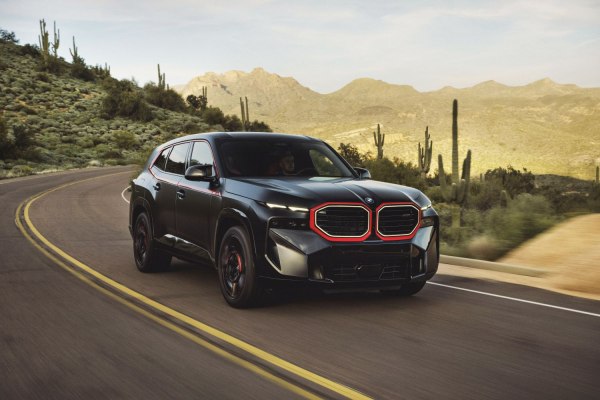
BMW XM Label Red 4.4 V8
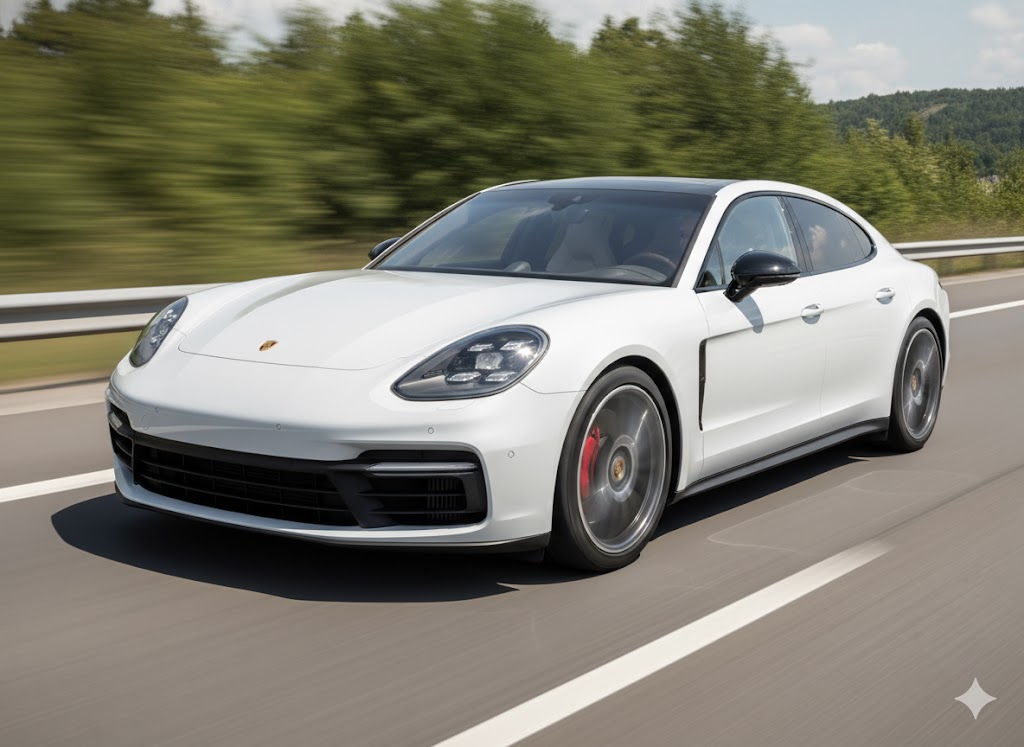
Porsche Panamera 4
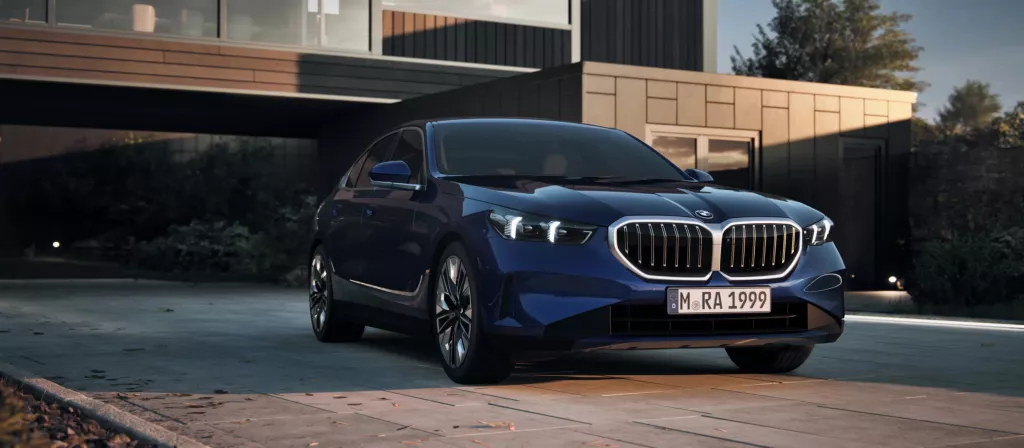
BMW 5 Series Sedan
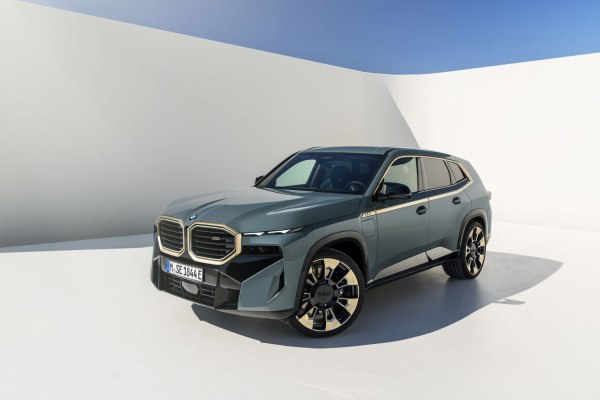
BMW XM 4.4 V8
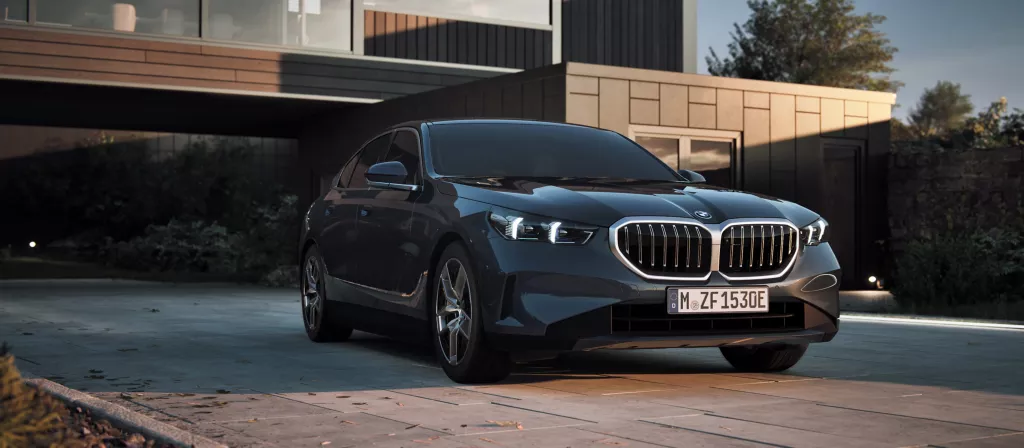
BMW 5 Series Touring
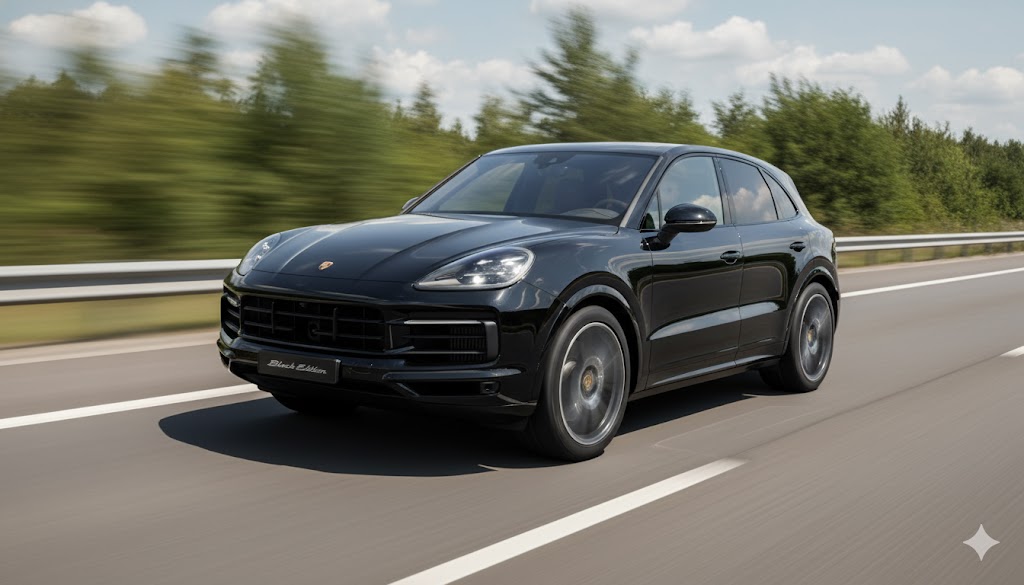
Porsche Cayenne E-Hybrid

BMW XM 50e
Volkswagen Touareg R eHybrid
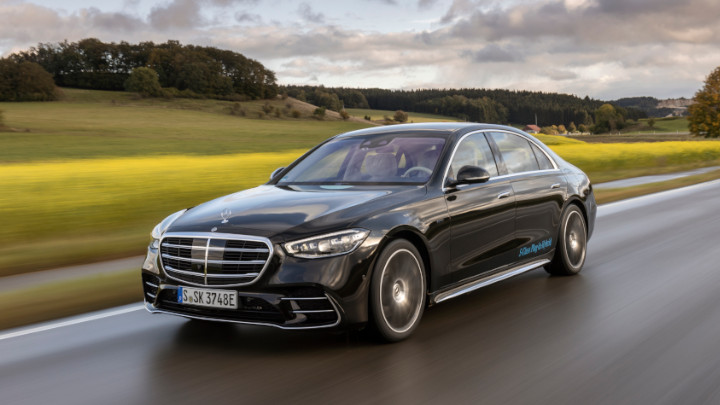
Mercedes-Benz S-Class
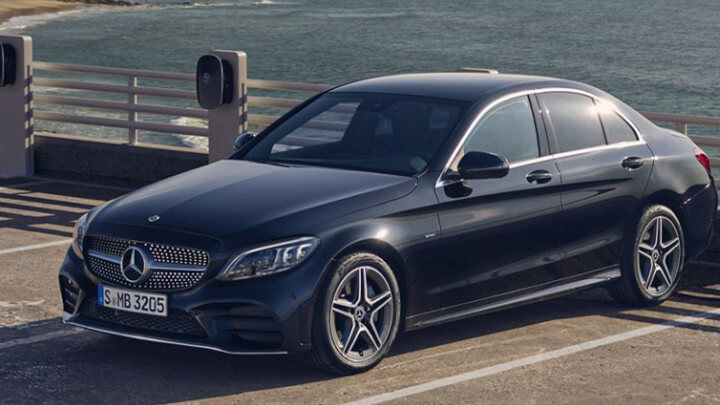
Mercedes-Benz C-Class
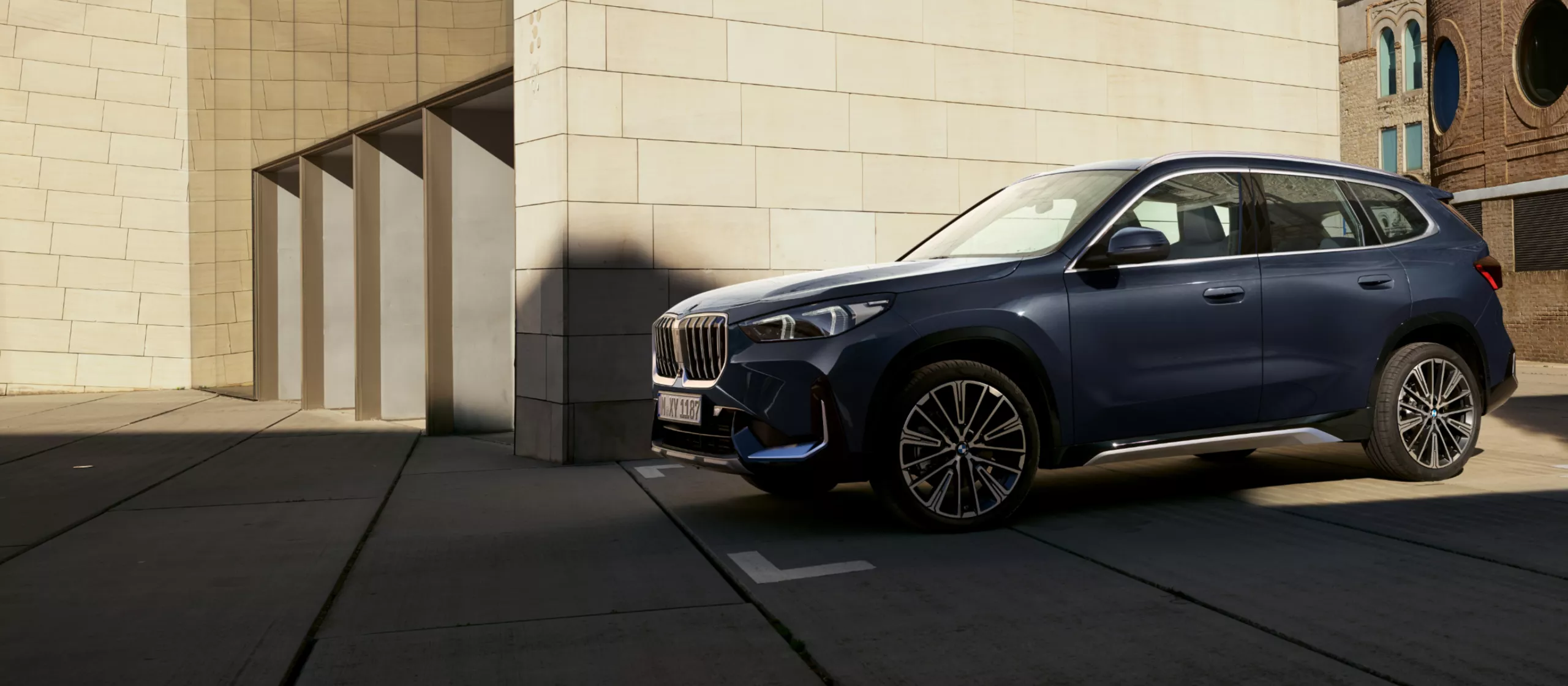
BMW 2 Series Active Tourer
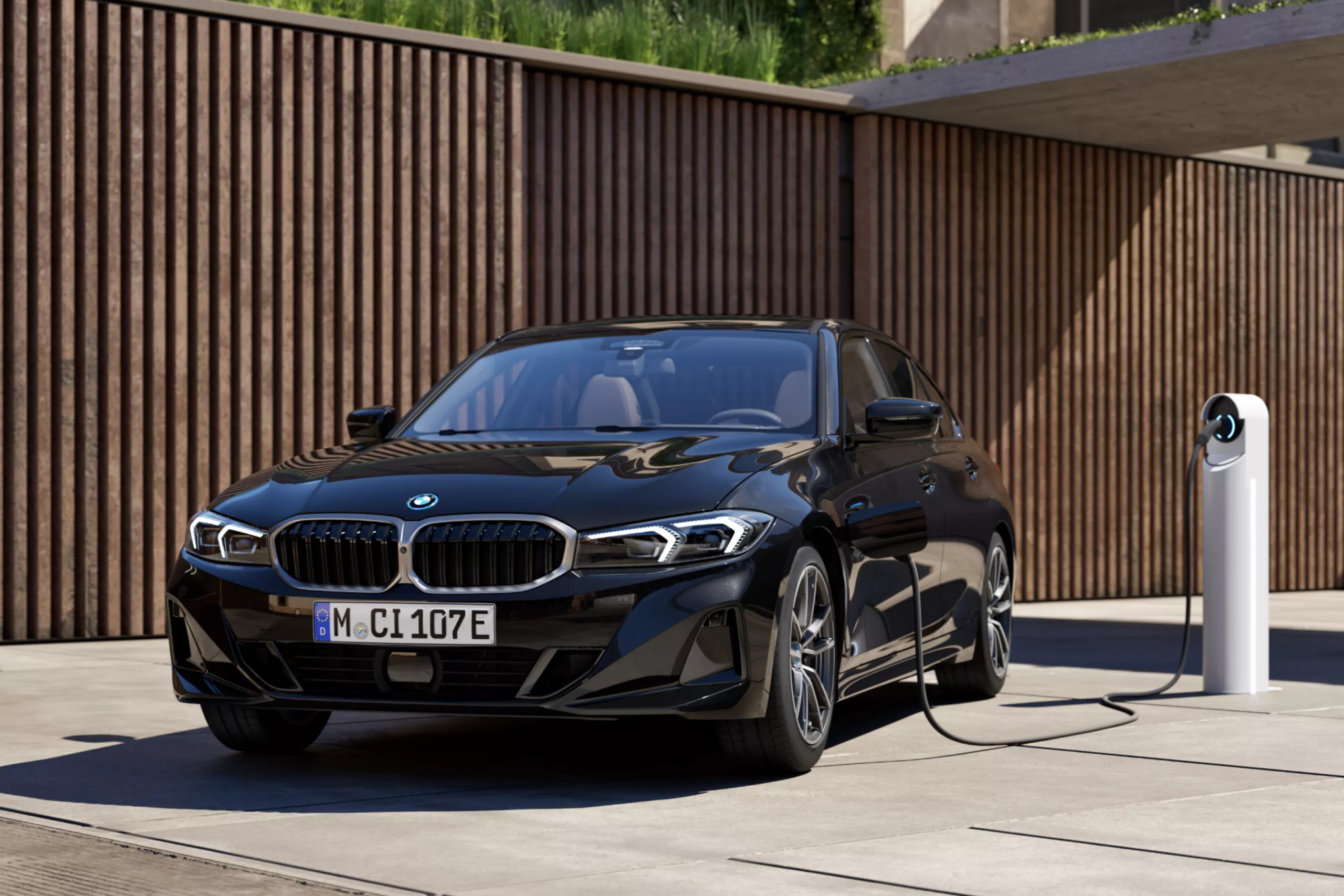
BMW 3 Series Sedan
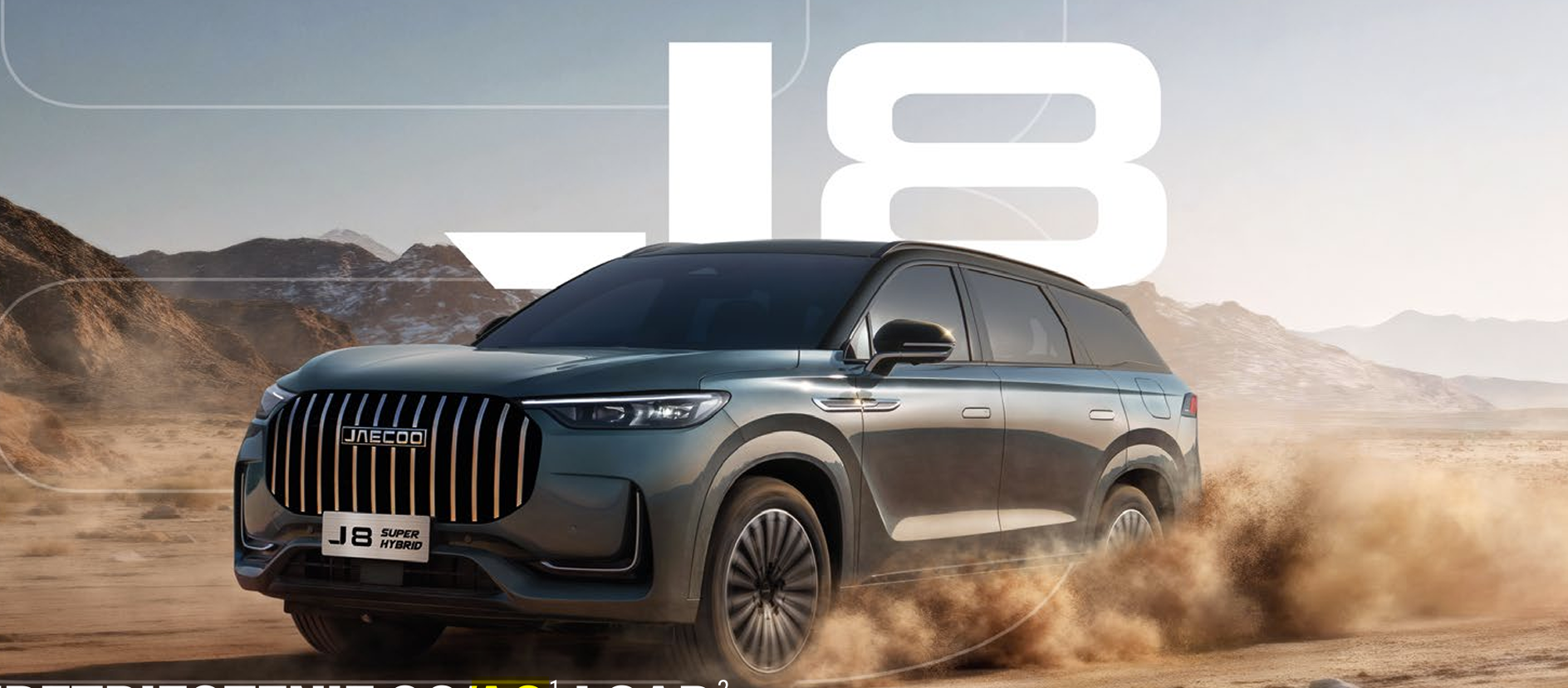
Jaecoo 8 SUPER HYBRID
Audi A6 Limousine e-hybrid
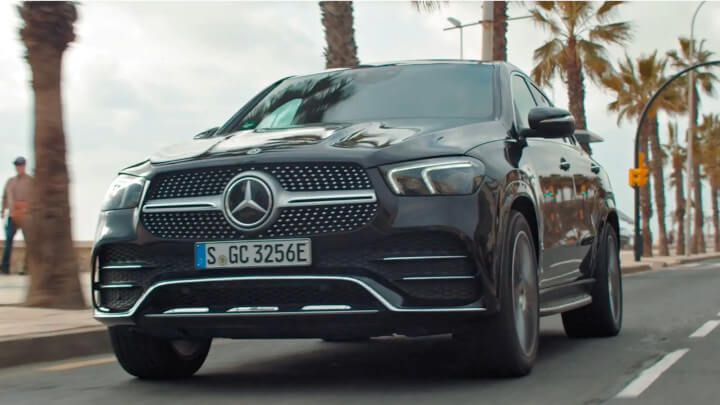
Mercedes-Benz GLE Coupé
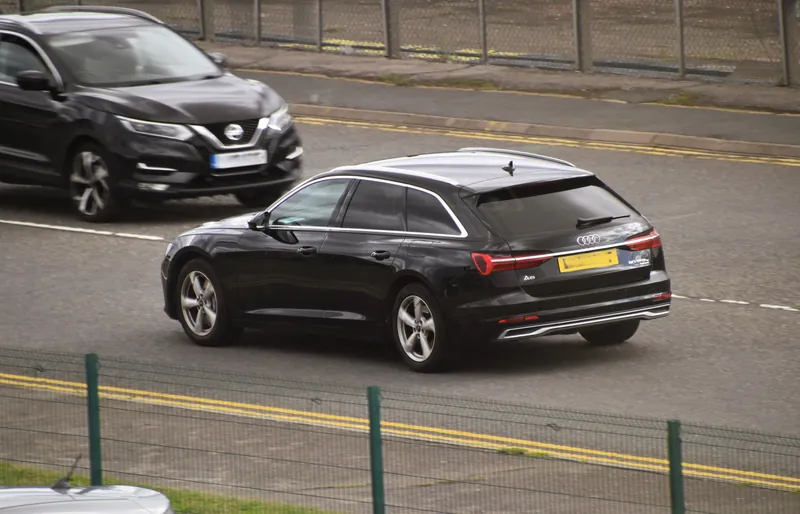
Audi A6 Avant e-hybrid
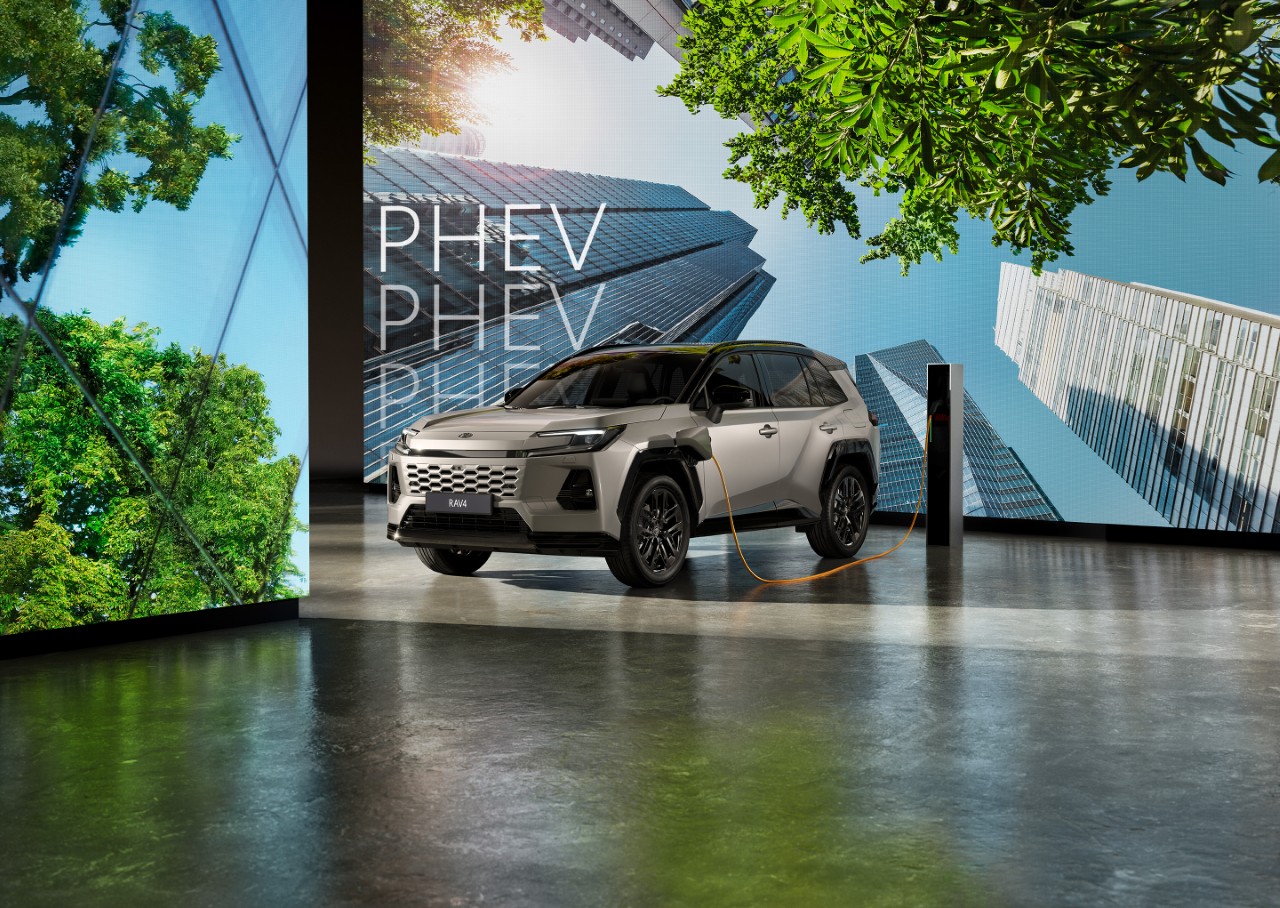
Toyota RAV4 Plug-in Hybrid (2026)
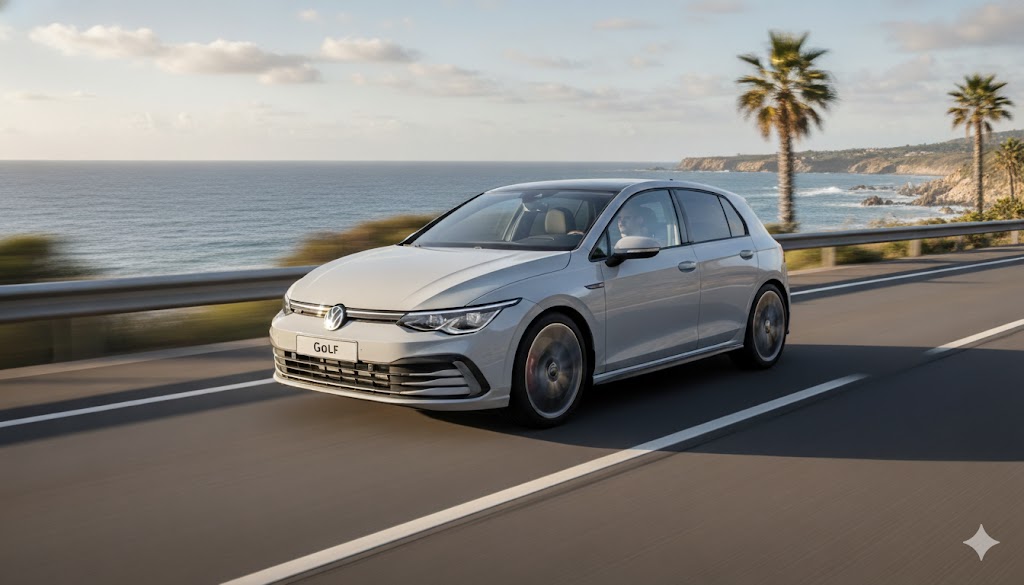
Volkswagen Golf GTE (2024+)
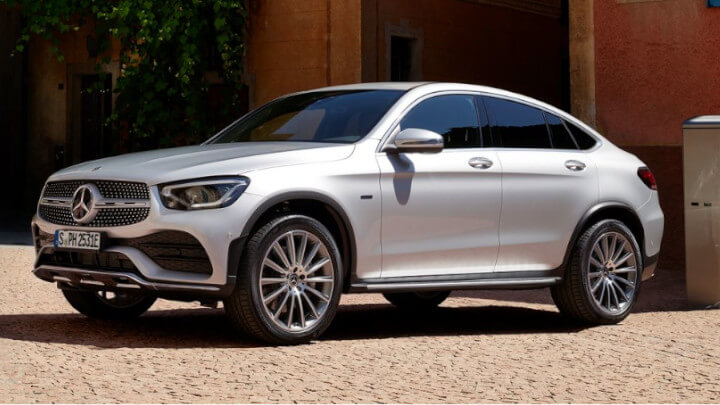
Mercedes-Benz GLC Coupé
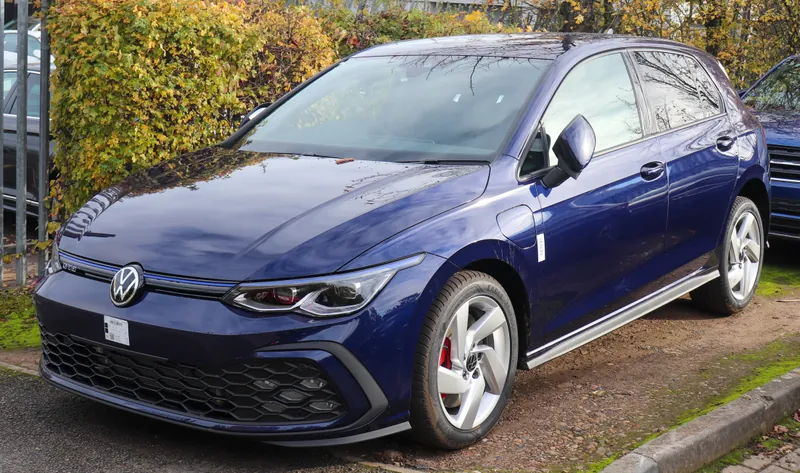
Volkswagen Golf 8 GTE (2020-2024)

MG S9 1.5T Phev
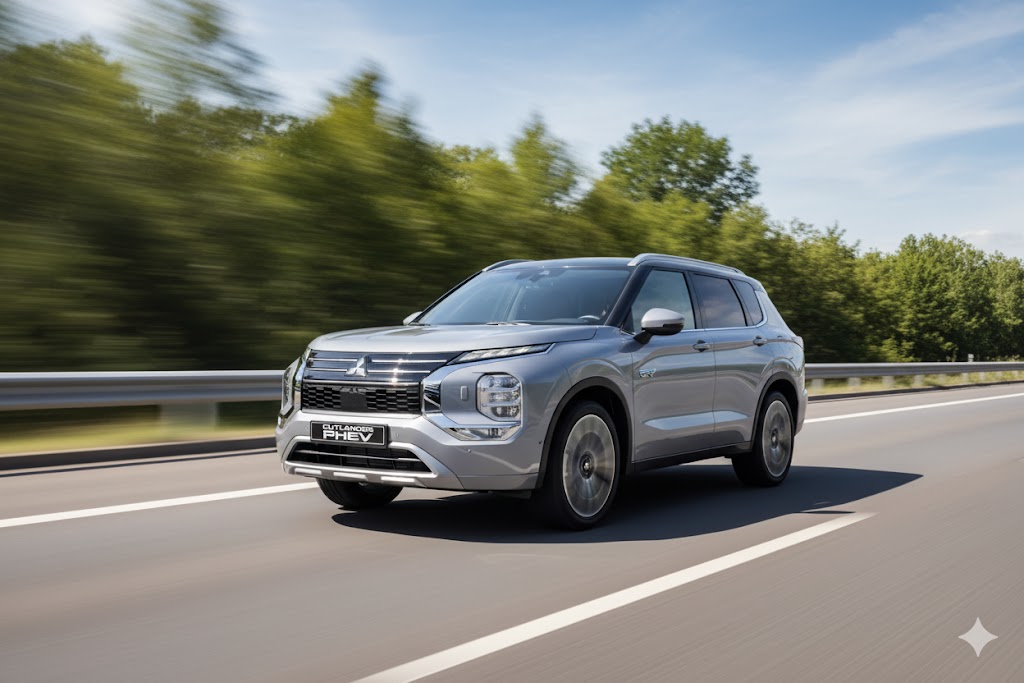
Mitsubishi Outlander PHEV (2025)
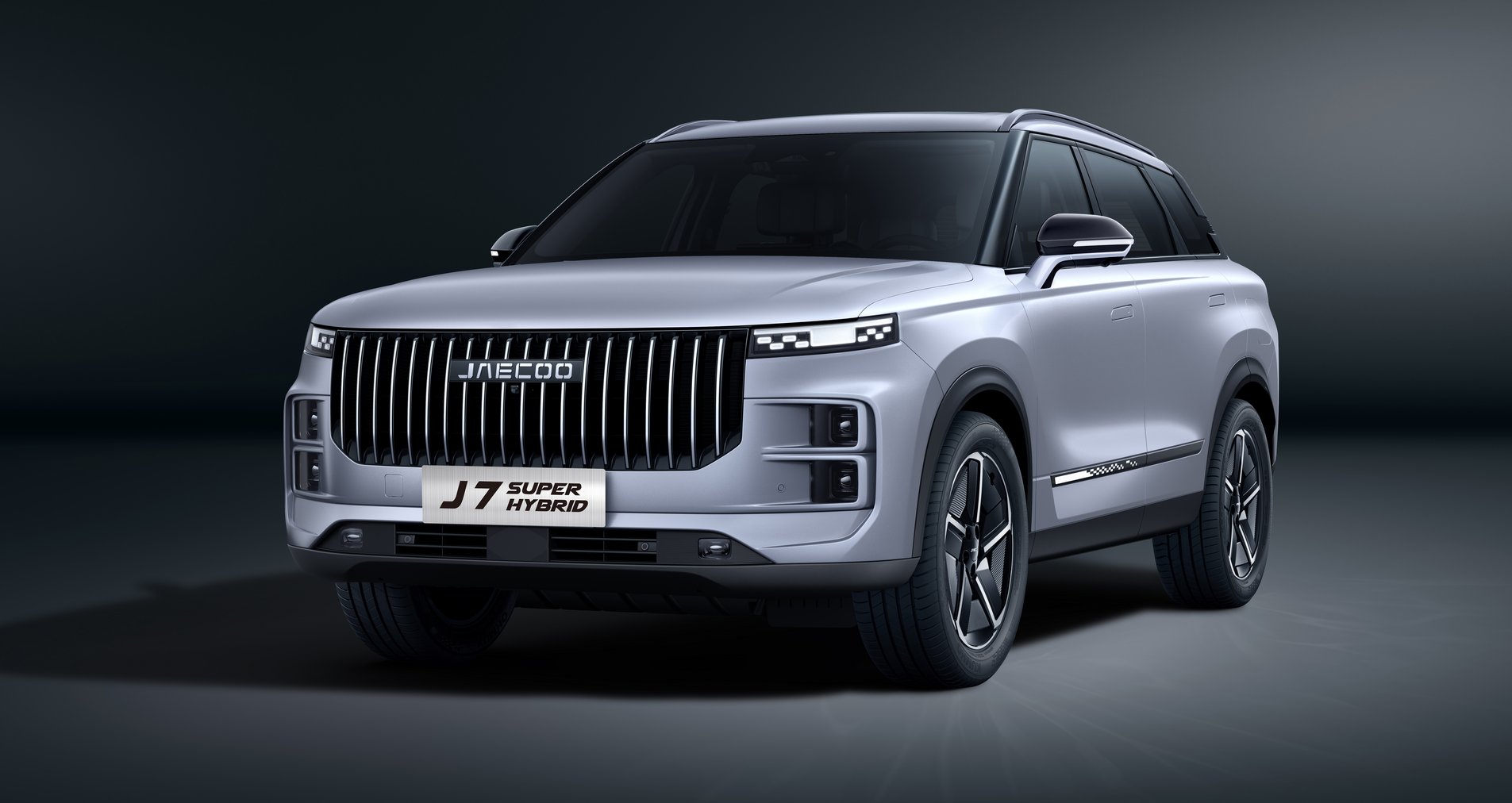
Jaecoo 7 Super Hybrid
How Hybrid Technology Eliminates Turbo-Lag and Delivers Supercar Torque
Traditional high-performance combustion engines suffer from brief turbo spool delays when stepping on the throttle. In performance plug-in hybrids, powerful electric traction motors deliver maximum torque in milliseconds. This electric torque-fill provides explosive acceleration off the line while maintaining all-weather traction via electronic all-wheel-drive (eAWD).
Frequently Asked Questions About Fast PHEVs
Which is the fastest accelerating plug-in hybrid in Europe in 2026?
The fastest accelerating production PHEVs include the BMW M5 Touring (727 HP, 0-100 km/h in 3.6s), BMW XM Label Red (748 HP, 0-100 km/h in 3.8s), Mercedes-AMG E 53 Hybrid (585 HP, 0-100 km/h in 3.8s), and Porsche Panamera 4 E-Hybrid (470 HP, 4.1s). These models combine twin-turbo petrol engines with high-output electric motors for instant launch torque.
Why are modern plug-in hybrids so quick off the line?
Electric motors produce 100% of their maximum torque instantly from zero RPM. When launching, the electric motor fills in the turbo-lag delay of the combustion engine, while electronic all-wheel drive (eAWD) eliminates wheelspin, producing supercar-level acceleration times.
Can performance PHEVs still drive quietly on pure electric power?
Yes. Even a 700+ horsepower hybrid can cruise in silent EV mode through residential neighborhoods and low-emission city centers for 60 to 90 km, switching on its twin-turbo petrol engine only when you demand maximum acceleration or drive on the highway.
What is the most affordable fast plug-in hybrid with sub-6.5 second acceleration?
Models like the Toyota RAV4 Plug-in Hybrid (306 HP, 0-100 in 6.0s), Volkswagen Golf GTE (272 HP, 0-100 in 6.6s), and Cupra Formentor VZ e-HYBRID (272 HP, 0-100 in 6.7s) offer genuine hot-hatch acceleration at mainstream family car price points.