BYD Atto 2 DM-i (2026) Active vs. Boost Review: 7.8 kWh vs. 18 kWh Battery, Price & Real-World Range Guide
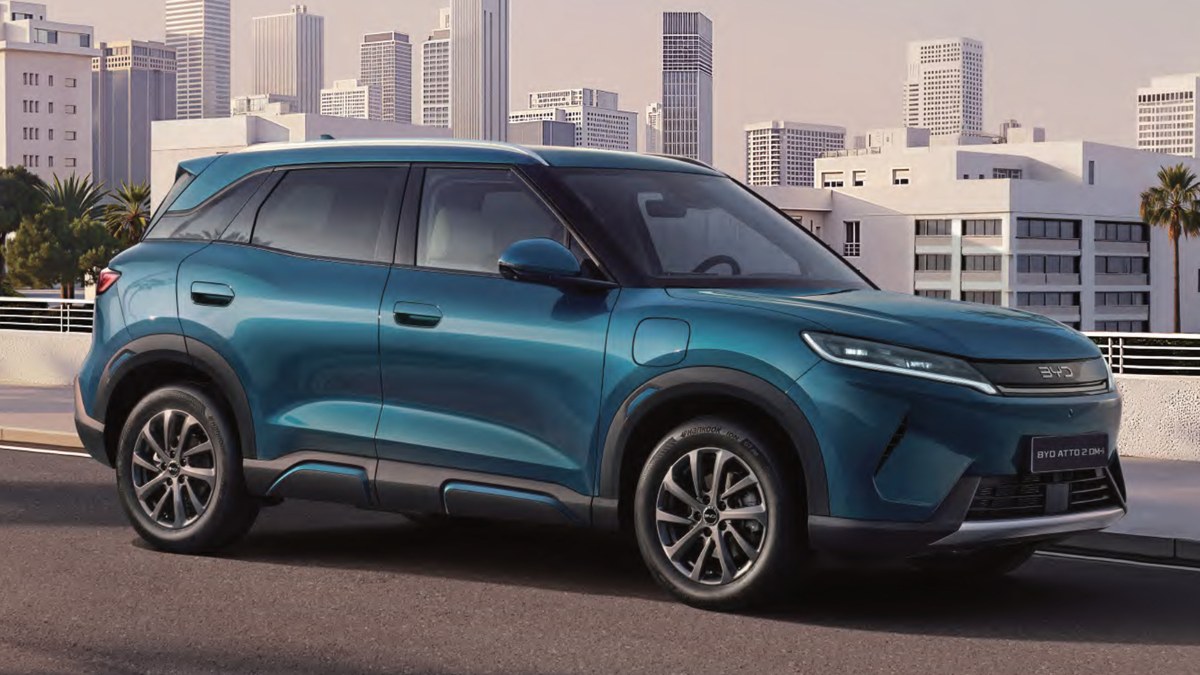
Comprehensive comparison of BYD Atto 2 DM-i Active (7.8 kWh / 40 km) vs. Boost (18 kWh / 90 km): real-world motorway efficiency, AC charging and value analysis.
Introduction: Europe's Most Accessible PHEV Crossover — BYD Atto 2 DM-i
As Europe’s B- and compact-crossover segments rapidly accelerate toward electrification, persistently high battery costs continue to represent a significant hurdle for mainstream buyers. Chinese automotive giant BYD intends to disrupt this paradigm directly with the all-new BYD Atto 2 DM-i (2026) plug-in hybrid crossover.
The Atto 2 DM-i arrives on European shores structured around two distinct trims reflecting contrasting ownership philosophies: the ultra-lightweight, budget-focused Active (7.8 kWh) tailored for urban commuters, and the long-range daily family driver Boost (18 kWh).
In this comprehensive review and buyer's guide, we break down battery capacities, AC charging times, depleted-battery motorway fuel economy on the DM-i series-parallel architecture, and the overall price-to-range value across European markets.
To browse and compare the lowest-priced plug-in hybrid crossovers currently available in Europe, explore our Cheapest PHEVs in Europe guide.
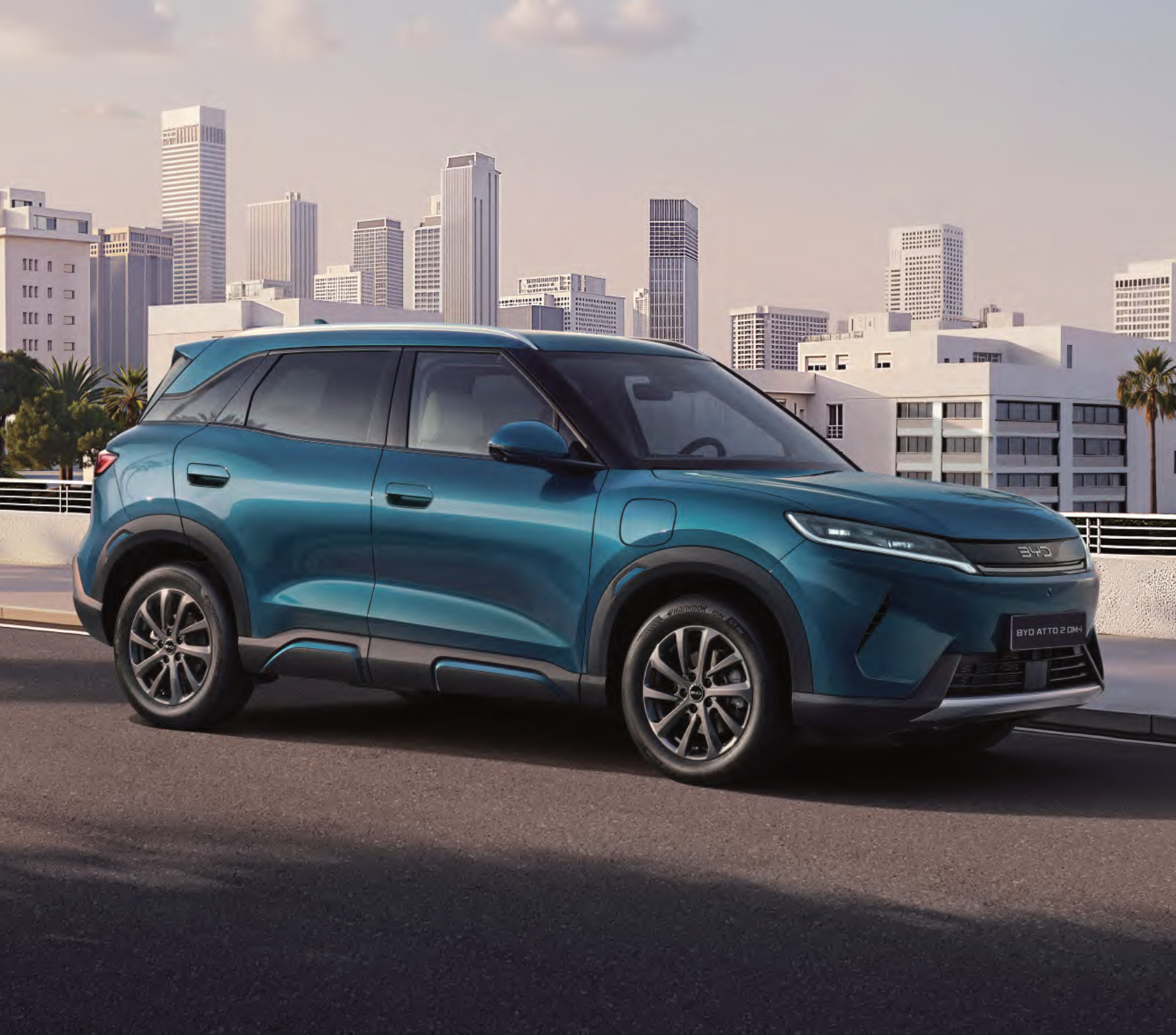 2026
Atto 2 DM-i Active
2026🏆 90 km EVAtto 2 DM-i Boost
Battery & Charging Architecture: 7.8 kWh (Active) vs. 18 kWh (Boost) Differences
At the core of the BYD Atto 2 DM-i lineup sits the proprietary LFP Blade Battery paired with a 1.5-litre high-efficiency naturally aspirated petrol engine utilizing the DM-i EHS hybrid layout. However, the battery and charging specifications create two distinctly different operational profiles:
| Technical Specification & Metric | BYD Atto 2 DM-i Active | BYD Atto 2 DM-i Boost |
|---|---|---|
| Battery Capacity (Gross / Usable Net) | 7.8 kWh / 7.8 kWh (LFP Blade) | 18.0 kWh / 18.0 kWh (LFP Blade) |
| Official WLTP Pure Electric Range | 40 km (25 miles) | 90 km (56 miles) |
| Real-World Urban Electric Range | 35 – 38 km | 78 – 85 km |
| Winter Electric Range (-5°C / 23°F) | 24 – 28 km | 55 – 60 km |
| On-Board AC Charger Output | 3.3 kW (Single-phase / 16A) | 6.6 kW (Single-phase / 32A) |
| Domestic Wallbox Full Charge Time (0–100%) | ~2.5 hours | ~3.0 hours |
| DC Fast Charging Support | Not Supported (AC Only) | Not Supported (AC Only) |
| Internal Combustion Engine | 1.5L 4-Cylinder (Atkinson cycle) | 1.5L 4-Cylinder (Atkinson cycle) |
| Total Combined System Power | ~170 hp (125 kW) | ~218 hp (160 kW) |
| Curb Weight | ~1,490 kg | ~1,620 kg |
For comprehensive technical profiles and factory options, explore the BYD Atto 2 DM-i Active and BYD Atto 2 DM-i Boost model pages.
[!NOTE]
AC Charging Infrastructure & Cost Optimisation:
Neither Atto 2 DM-i trim incorporates heavy, costly DC rapid-charging hardware. This deliberate engineering choice eliminates approximately 45 kg of onboard weight, reduces production complexity, and keeps European entry pricing between €24,000 and €28,000. On the Boost trim, the upgraded 6.6 kW AC onboard charger replenishes the 18 kWh battery from 0 to 100% in roughly 3 hours at standard public AC destination points.
Real-World Range & Consumption: Urban vs. Motorway Efficiency
The dynamic behavior of the Atto 2 DM-i varies substantially depending on battery State of Charge and vehicle cruising speed:
- Urban Driving (0–60 km/h / 0–37 mph): At city speeds, the DM-i system operates primarily as a pure electric vehicle. The 1.5-litre engine remains dormant until battery charge drops below a minimum threshold, at which point it runs strictly as an onboard generator. In city traffic, the Active trim delivers up to 40 km, while the Boost trim achieves 85 to 90 km without consuming a single drop of petrol.
- Motorway Cruising (110–130 km/h / 68–81 mph): At sustained motorway velocities, an electronic clutch engages, mechanically locking the petrol engine to the front wheels in parallel hybrid mode.
[!WARNING]
Motorway Fuel Consumption Warning for Active Trim:
The compact 7.8 kWh battery in the Active variant is fully exhausted within approximately 20 to 25 km at 130 km/h cruising speeds. Once depleted, the 1.5-litre naturally aspirated engine must simultaneously propel the 1.5-tonne vehicle and buffer electrical reserves, increasing highway fuel consumption to 6.2 – 6.8 L/100 km (41–45 mpg). In contrast, the Boost variant leverages its larger battery buffer and more powerful electric motor to recapture regenerative energy, recording a more frugal 5.4 – 5.9 L/100 km (48–52 mpg) on long motorway runs.
Pricing, Tax Incentives & Total Cost of Ownership
For European buyers seeking an economical crossover, the Atto 2 DM-i presents an exceptional cost-to-benefit ratio:
- Estimated Starting Price (Active): €23,900 – €25,500 (competing directly against the Dacia Duster Hybrid and MG ZS Hybrid+).
- Estimated Starting Price (Boost): €27,900 – €29,500 (making it the most affordable vehicle in Europe delivering a 90 km pure-electric WLTP range).
In major markets such as Germany, France, and the UK, the Boost variant's >80 km WLTP electric range unlocks maximum company car tax reductions (0.5% Dienstwagen rule in Germany and favorable BiK bands in the UK).
[!IMPORTANT]
Buyer Recommendation — Choosing the Right Trim:
If your daily round-trip commute is strictly under 30 km and you possess dedicated home overnight charging via a standard wall outlet, the Active trim allows you to save approximately €4,000 upfront. However, for motorists seeking the flexibility of charging only once or twice a week, regular motorway drivers, or those living in colder climates where winter range drops, the Boost trim easily justifies its price premium.
Conclusion & PHEVs.eu Verdict: Which Trim Should You Buy?
The BYD Atto 2 DM-i (2026) is a disruptive proposition for European drivers seeking an affordable, electrified family crossover:
- Choose the Active (7.8 kWh): If budget is paramount, driving consists predominantly of short urban school runs and local errands, and you can plug in reliably every single night.
- Choose the Boost (18 kWh): If you desire genuine 80+ km daily zero-emission commuting coupled with weekend touring flexibility and superior depleted-battery motorway efficiency.
Stay Ahead on Next-Gen PHEV Releases & OTA Updates
Get notified when new European plug-in hybrid models premiere, along with real-world range benchmarks, battery chemistry insights, and software update breakdowns.
Related Models
Technical specs and live range simulations for models featured in this report
40 km EVAtto 2 DM-i Active
90 km EV