Official KBA October 2026 Report: Historic German Shift as BYD Overtakes BMW in Plug-in Hybrid Sales
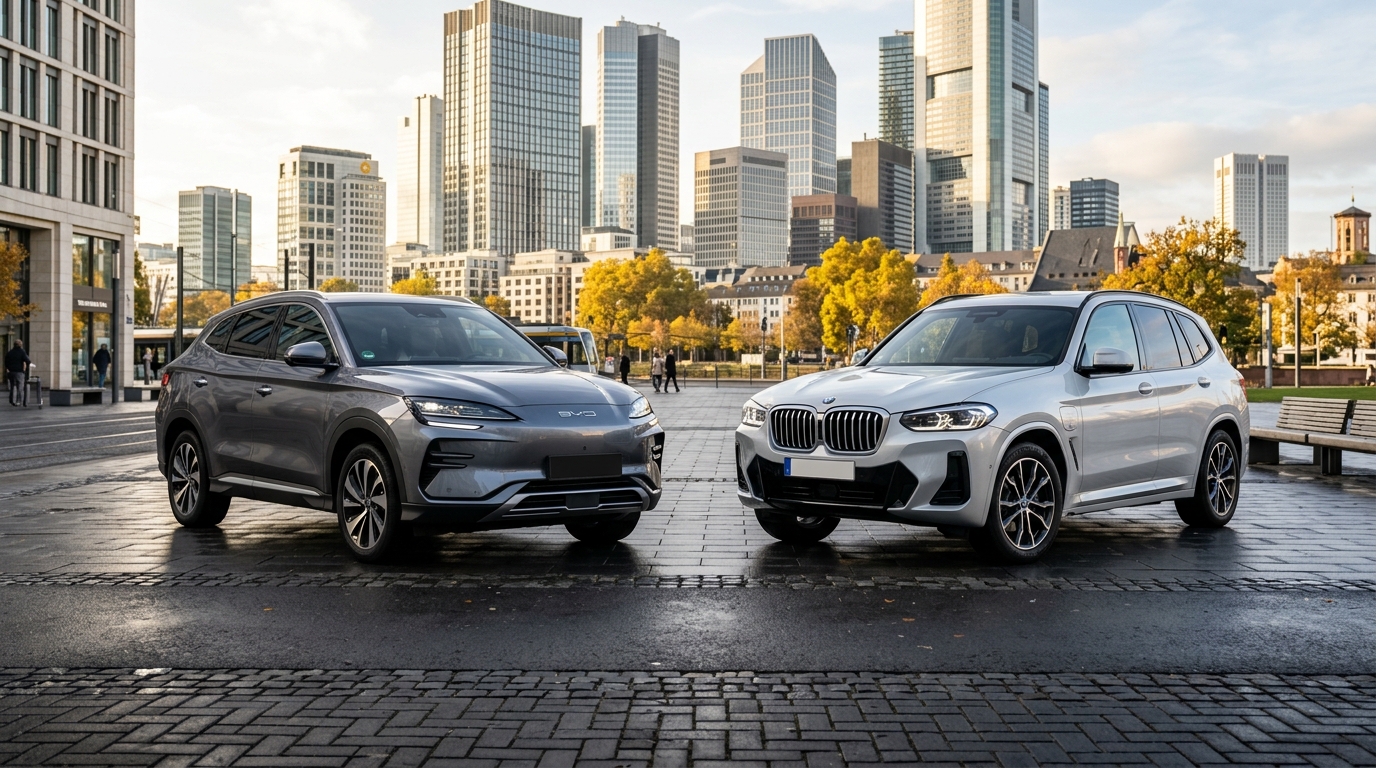
According to official KBA data released on November 16, 2026, BYD registered 29,244 PHEVs in Germany across the first 10 months, overtaking BMW (28,089). Rechargeable vehicles captured 39.3% market share.
The German Federal Motor Transport Authority (KBA - Kraftfahrt-Bundesamt) officially published Pressemitteilung Nr. 46/2026 on November 16, 2026, delivering the definitive and comprehensive alternative powertrain registration report for the first 10 months of 2026 (January–October 2026). This official dataset does far more than document Germany's rapid green transition; it certifies a tectonic market shift at the very epicenter of the European automotive industry: Chinese technology giant BYD has officially surpassed Bavarian powerhouse BMW to become Germany's 4th best-selling Plug-in Hybrid (PHEV) brand and the nation's #1 imported hybrid automaker.
According to official registration figures, across the first 10 months of 2026, 68.1% (1,687,350 vehicles) of the 2,476,290 new passenger cars registered in Germany featured an alternative powertrain (BEV, PHEV, full hybrid, gas, or fuel cell). Recharging electric vehicles (BEV + PHEV) captured a combined market share of 39.3% (974,235 units), registering a robust +42.6% year-over-year surge.
📊 German Alternative Powertrain Market: Official KBA Figures (January – October 2026)
The comprehensive market breakdown released by the Federal Authority proves that the traditional reign of pure internal combustion engines in Europe's largest automotive market has definitively come to an end:
| Powertrain Type | Jan–Oct 2026 Registrations | Market Share (%) | Year-over-Year Change (YoY) |
|---|---|---|---|
| Total Passenger Car Market | 2,476,290 | 100.0% | +4.1% |
| Alternative Powertrains Total | 1,687,350 | 68.1% | +23.4% |
| Electric Drives (BEV + PHEV + FCEV) | 974,235 | 39.3% | +42.6% |
| All-Electric Vehicles (BEV) | 698,230 | 28.2% | +60.7% |
| Plug-in Hybrids (PHEV) | 276,005 | 11.1% | +14.8% |
| Full & Mild Hybrids (HEV + MHEV) | 713,115 | 28.8% | +4.2% |
As the figures reveal, out of the 974,235 rechargeable electric vehicles registered in Germany, 276,005 units were Plug-in Hybrids. Following the discontinuation of direct consumer BEV purchase subsidies and persistent consumer range anxiety on long highway journeys, PHEV technology has cemented an enduring, resilient double-digit market share in Germany.
🚨 The Historic Shift: How BYD Overtook BMW on German Home Turf
Cross-referencing Table 4 (Electric Drives: BEV, Plug-in, Fuel Cell) with Table 5 (All-Electric BEVs) in the official KBA report reveals net Plug-in Hybrid registration figures that have sent shockwaves throughout German automotive executive boards.
Here is Germany's official brand-by-brand PHEV registration league table for the first 10 months of 2026:
| Rank | Brand | Total Car Sales | Electric Drives (BEV+PHEV) | Pure Electric (BEV) | Net PHEV Registrations | PHEV Share of Electric |
|---|---|---|---|---|---|---|
| 1 | Volkswagen | 442,775 | 132,552 | 87,907 | 44,645 | 33.7% |
| 2 | Audi | 170,502 | 82,717 | 46,058 | 36,659 | 44.3% |
| 3 | Mercedes-Benz | 221,132 | 85,767 | 53,099 | 32,668 | 38.1% |
| 4 | 🇨🇳 BYD | 47,961 | 47,960 | 18,716 | 29,244 | 61.0% |
| 5 | BMW | 212,902 | 84,806 | 56,717 | 28,089 | 33.1% |
| 6 | Seat / Cupra | 129,525 | 51,109 | 33,695 | 17,414 | 34.1% |
| 7 | Volvo | 42,762 | 29,703 | 12,853 | 16,850 | 56.7% |
| 8 | Škoda | 206,508 | 77,951 | 63,760 | 14,191 | 18.2% |
| 9 | Ford | 82,135 | 35,339 | 22,385 | 12,954 | 36.7% |
| 10 | MG (Roewe) | 31,503 | 15,175 | 10,508 | 4,667 | 30.8% |
| 11 | Porsche | 24,054 | 13,023 | 8,560 | 4,463 | 34.3% |
| 12 | Hyundai | 78,361 | 29,350 | 25,575 | 3,775 | 12.9% |
| 13 | Toyota | 56,787 | 10,693 | 7,908 | 2,785 | 26.0% |
| 14 | Lynk & Co | 1,101 | 1,101 | 147 | 954 | 86.6% |
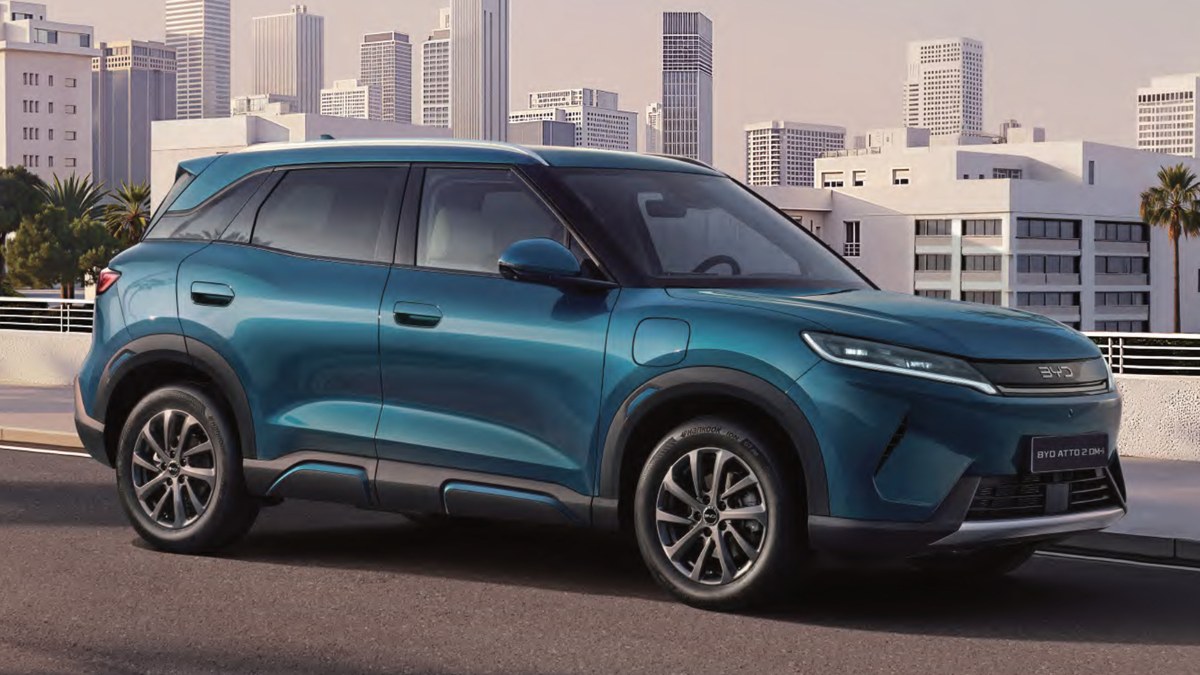
Out of the 47,961 vehicles BYD registered across Germany, 29,244 were DM-i super hybrid plug-in vehicles. With this volume, BYD surpassed BMW's entire German PHEV volume (28,089 units), while nearly doubling established hybrid stalwarts like Volvo, Ford, and Škoda.
🔬 Technology & Pricing Breakdown: Why German Buyers Chose BYD DM-i
For a Chinese manufacturer to outsell Munich's engineering pride, BMW, in its own home market is no accident. A deep technical and commercial analysis of KBA registration patterns reveals three primary drivers:
1. Battery Capacity and Real-World Range
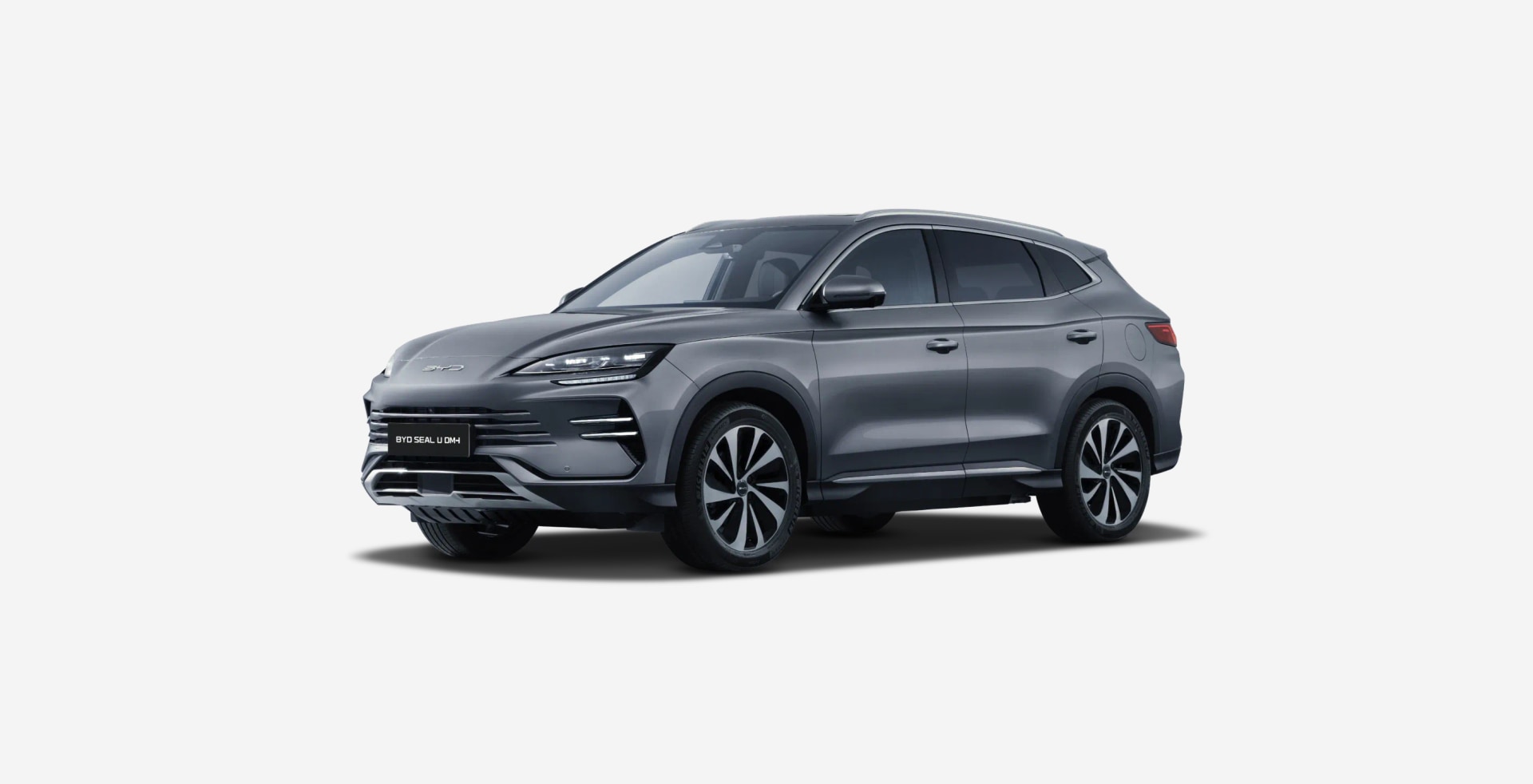
While German premium automakers have traditionally fitted compact and mid-size plug-in SUVs with 14–19 kWh gross battery packs, the BYD Seal U DM-i packs a massive 26.6 kWh Blade LFP battery pack.
- WLTP Pure Electric Range: The Seal U DM-i delivers an official 125 km electric range, compared to 80–88 km for the BMW X1 xDrive25e and just 60–65 km for the BMW 330e sedan.
- Real-world testing with our PHEVs.eu Range Calculator demonstrates that even in freezing sub-zero German winter conditions (0°C), BYD's robust LFP thermal architecture maintains 75+ km of pure electric commuting range.
2. Standard 50 kW DC Fast Charging
Charging convenience represents a critical dividing line for German drivers. Compact and mid-size BMW PHEVs remain limited to 7.4 kW AC charging, requiring 2.5 to 3 hours for a complete replenishment. In contrast, BYD equips the Seal U DM-i with standard 50 kW CCS Combo DC fast charging, allowing a 30% to 80% motorway top-up in just 25 minutes.
3. The Unprecedented Price-to-Equipment Delta
When comparing German on-the-road retail prices:
- BYD Seal U DM-i Boost (Fully Loaded): ~€38,900
- BYD Seal U DM-i Design (AWD, 26.6 kWh): ~€44,500
- BMW X1 xDrive25e (Base Specification): ~€53,200 (easily exceeding €64,000 with equivalent options)
- BMW 330e Sedan: ~€55,800 (rising above €68,000 with executive packages)
This €15,000 to €20,000 pricing gap created an irresistible, economically compelling proposition for self-employed professionals, SME fleet managers, and private retail buyers alike.
💼 Corporate Fleet (Dienstwagen) & Tax Dynamics
In Germany, the coveted 0.5% company car taxation rate (Dienstwagenregelung) requires a plug-in hybrid to achieve either a minimum of 80 km of pure electric range or official $CO_2$ emissions below 50 g/km.
As calculated in our PHEVs.eu Tax Simulator, BYD's generous 26.6 kWh battery comfortably secures this 0.5% threshold. Because the taxable non-cash benefit (geldwerter Vorteil) is calculated directly against the vehicle's Gross List Price (Bruttolistenpreis - BLP), an employee choosing a €44,500 BYD Seal U pays less than half the monthly personal income tax compared to an executive driving a €68,000 BMW PHEV, despite enjoying superior electric range.
📈 Emerging Chinese Contenders: Omoda & Deepal Surges
KBA's 46/2026 press release also highlighted spectacular expansion rates among newly arrived Chinese automotive brands:
- Omoda (Chery Group): Recorded an astonishing +21,400% year-over-year surge in alternative powertrain registrations, setting the highest growth rate across the entire KBA official dataset. With the launch of the Omoda 7 and Omoda 9 Super Hybrid models, the brand logged 105 PHEVs and 50 BEVs in its opening market rollout.
- Deepal (Changan Group): Achieved +1,315.4% growth, steadily expanding its presence across German metropolitan centers with extended-range (EREV) and PHEV SUVs.
- Lynk & Co: Out of 1,101 total German registrations, 954 units (86.6%) were PHEV models (01 and the newly debuted 08), establishing one of the most concentrated hybrid operations in Europe.
Conversely, brands lacking a coherent European PHEV portfolio suffered severe contractions: Chery brand registrations fell -91.7%, while Great Wall Motor (GWM) slumped -66.7%.
🇩🇪 Where Do German Legacy Automakers Stand?
In aggregate volume terms, German domestic manufacturers still command the upper tiers of the market. The Volkswagen Group remains the undisputed king of European plug-in hybrids, logging 112,909 total PHEV registrations across its core brands:
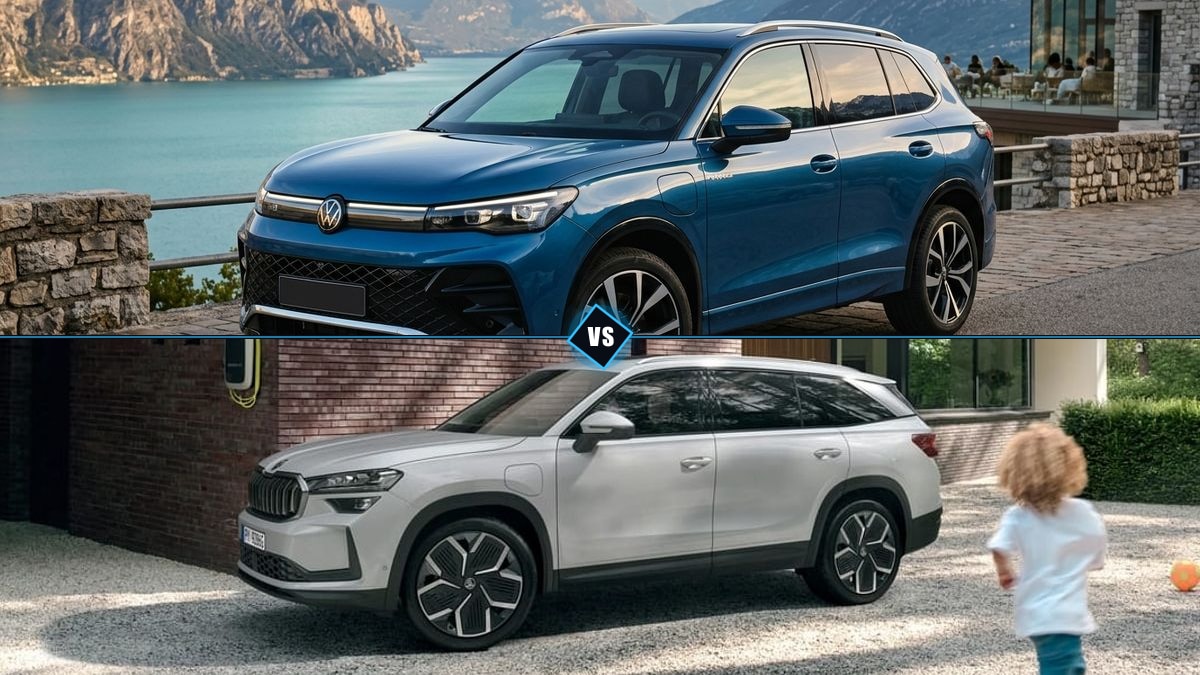
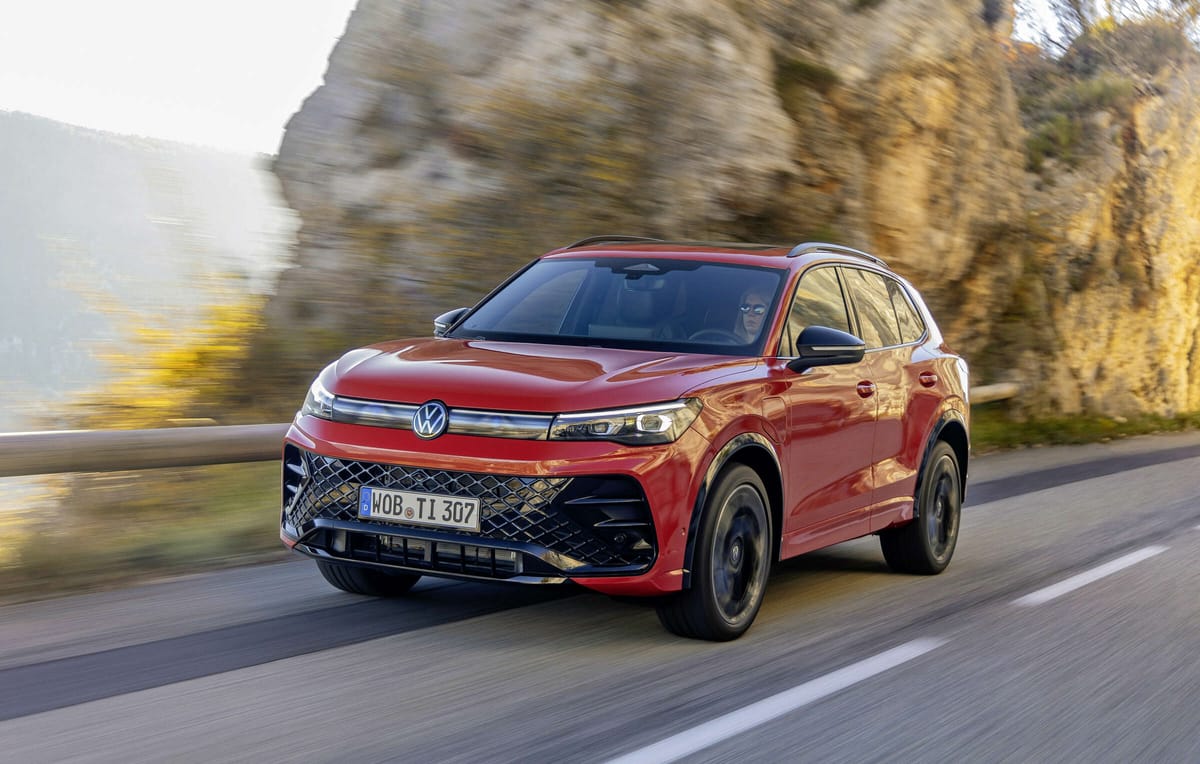
- Volkswagen (44,645 units): The massive rollout of the next-generation 19.7 kWh net battery pack on the Tiguan eHybrid, Passat Variant, and all-new Tayron delivering 100+ km of range has reinforced VW's market leadership.
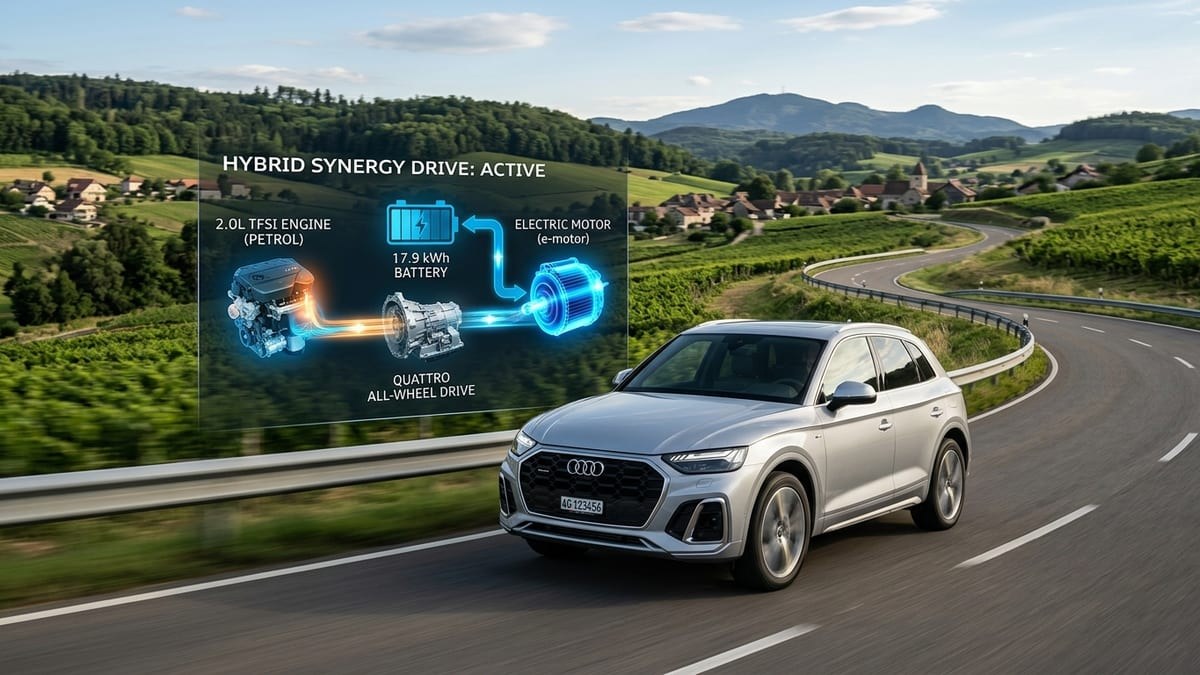
- Audi (36,659 units): Strong corporate fleet demand for the A3, A6, and Q5 TFSI e lineups kept Audi in 2nd position overall.
- Mercedes-Benz (32,668 units): Industry-leading 25.4 kWh batteries and 100+ km electric capability across the C-Class, E-Class, and GLC secured robust luxury demand.
However, BMW falling to 28,089 units and yielding 4th position to BYD (29,244 units) serves as an urgent wake-up call for Munich. As Chinese automakers rapidly pair 20+ kWh batteries and DC charging with aggressive pricing, legacy European carmakers can no longer rely on brand heritage alone.
🏁 Editorial Verdict: What This Means for Car Buyers Ahead of 2027
The official KBA release of November 16, 2026, cements two enduring realities:
- PHEVs Are a Core Technology, Not a Bridge: With 11 out of every 100 new cars in Germany being plug-in hybrids, consumer demand remains vibrant and growing.
- Value and Engineering Over Badges: BYD surpassing BMW proves that European drivers prioritize real-world electric range, fast-charging versatility, and transparent value above traditional luxury badges.
- Smart Buyer Advice: Before committing to a corporate lease or private purchase, utilize our PHEVs.eu Compare Tool and Tax Simulator to compare battery capacities, real charging speeds, and monthly tax obligations across competing models.
What is the Real-World Range of the BYD Seal U DM-i Boost?
Official WLTP ratings are measured in a controlled 23°C laboratory. Test how winter sub-zero temperatures (-10°C), sustained 130 km/h highway speeds, and terrain elevation impact actual battery range on your specific commute.
Stay Ahead on Next-Gen PHEV Releases & OTA Updates
Get notified when new European plug-in hybrid models premiere, along with real-world range benchmarks, battery chemistry insights, and software update breakdowns.
Related Models
Technical specs and live range simulations for models featured in this report
 80 km EV
Seal U DM-i Boost
 55 km EV
Seal 6 DM-i Sedan Boost (10.1 kWh)
 125 km EV