Real-World PHEV Winter Range & Highway Aerodynamics: Why Sub-Zero Cold and 140 km/h Slash Electric Range by 30-35%
Why do official WLTP ratings collapse in winter and at motorway speeds? An engineering breakdown of sub-zero lithium electrolyte resistance, 2-4 kW PTC resistance heater loads, heat pump thermodynamics, and quadratic aerodynamic drag.
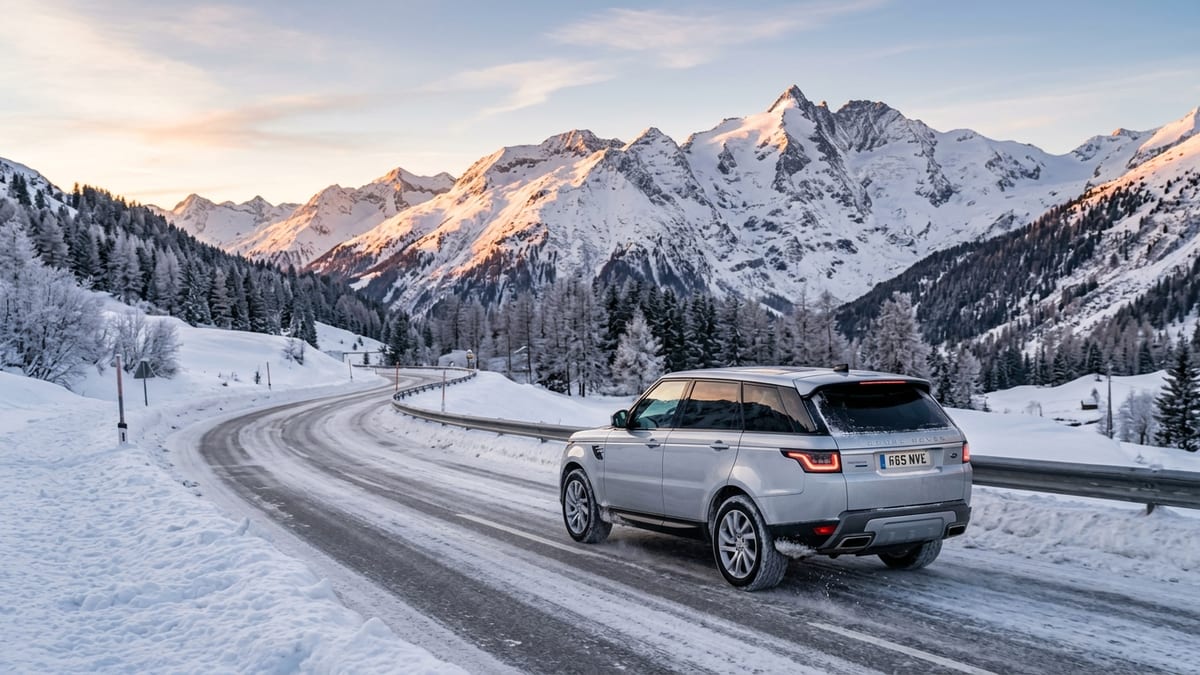
The single biggest surprise for new plug-in hybrid (PHEV) owners during their first winter or first high-speed highway journey is this: "Why does my car, rated for 100 km of WLTP electric range on paper, only deliver 60 to 65 km when driving on the motorway in winter?"
This is not a defect. The official laboratory WLTP test cycle, conducted at a climate-controlled 23°C with mild average speeds, fails to capture real-world meteorological and thermodynamic physics.
When ambient temperatures drop below freezing (0°C) and cruising speeds rise from 100 km/h to 140 km/h, the dramatic drop in electric range is governed by electrolyte chemistry and quadratic aerodynamic drag.
1. Sub-Zero Battery Electrochemistry
Lithium-ion cells rely on liquid electrolyte reactions to transfer electrons. Below freezing:
- Electrolyte Viscosity Surges: The liquid electrolyte thickens, hindering lithium ion migration between anode and cathode.
- Internal Resistance Multiplies: Heightened cell resistance generates unwanted internal Joule heating during discharge, directly wasting energy.
- Usable Capacity Shrinks: At -5°C, a nominal 20 kWh battery pack may only deliver 16–17 kWh of usable energy before triggering cell voltage cut-offs.
2. Cabin Heating: Heat Pumps vs PTC Resistive Heaters
In pure electric mode, there is zero waste engine heat available to warm the cabin:
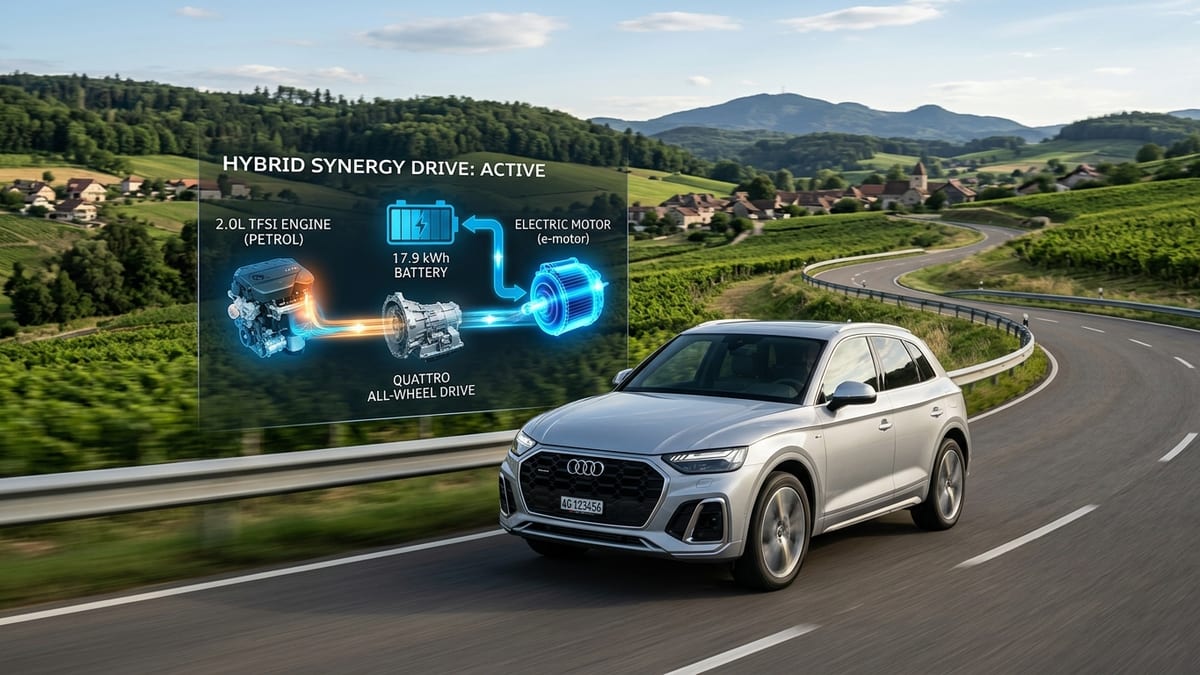
- PTC Resistive Heaters: Draw 2,500 to 4,500 Watts continuously from the high-voltage traction pack. One hour of heating can consume up to 20% of your total battery storage.
- Heat Pumps: Compress thermal energy from ambient air with a Coefficient of Performance (COP) > 2.5. Heat pump-equipped vehicles restrict winter range loss to 10–12%, compared to 30–35% for conventional PTC heaters.
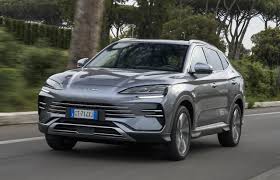
What is the Real-World Range of the BYD Seal U DM-i Boost?
Official WLTP ratings are measured in a controlled 23°C laboratory. Test how winter sub-zero temperatures (-10°C), sustained 130 km/h highway speeds, and terrain elevation impact actual battery range on your specific commute.
3. High-Speed Aerodynamics: Quadratic Drag ($F_d ∝ v^2$)
Aerodynamic drag expands exponentially with the square of velocity:
$$F_d = ½ \rho · v^2 · C_d · A$$
- Cruising at 130 km/h increases aerodynamic resistance by +108% compared to 90 km/h.
- At 140 km/h, drag surges by +142%.
A PHEV consuming 15–17 kWh/100km in urban driving jumps to 28–34 kWh/100km on the highway. For a 20 kWh battery, range mathematically contracts to 60–65 km.
4. Four Proven Strategies to Preserve Winter EV Range
- Pre-condition on the Mains: Set your departure timer while still connected to your Wallbox. Cabin and battery warm up using grid electricity, preserving 100% of battery charge.
- Prioritize Seat & Steering Wheel Heaters: Heated seats consume merely 50–80 Watts, compared to 3,000 Watts for blowing hot air into the entire cabin.
- Target 115–120 km/h Cruising Speeds: Reducing motorway speed from 140 to 120 km/h slashes air resistance by 27%, instantly adding 15–20 km of EV range.
- Monitor Cold Tire Pressures: Cold weather deflates tires, increasing rolling resistance. Maintain factory pressures or add +0.2 bar during winter months.
Stay Ahead on Next-Gen PHEV Releases & OTA Updates
Get notified when new European plug-in hybrid models premiere, along with real-world range benchmarks, battery chemistry insights, and software update breakdowns.
Related Models
Technical specs and live range simulations for models featured in this report
 80 km EV