Toyota RAV4 Plug-in Hybrid Loss of Motive Power Safety Recall (26TA22 / NHTSA 26V-659): MG-ECU Software Flaw & EU Impact

Toyota has issued a critical safety recall for approximately 31,000 model-year 2026 RAV4 Plug-in Hybrid vehicles due to sudden loss of motive power at highway speeds. An engineering deep-dive into the MG-ECU defect and EU implications.
Automotive giant Toyota announced a critical safety recall on October 7, 2026, covering approximately 30,978 model-year 2026 Toyota RAV4 Plug-in Hybrid (marketed as RAV4 Prime in North America) vehicles. The official safety recall has been filed with the National Highway Traffic Safety Administration (NHTSA) under Campaign Number 26V659000 (26V-659), with Toyota designating internal campaign code 26TA22.
The primary hazard identified in the recall: A sudden shutdown of the plug-in hybrid powertrain while driving at highway speeds, resulting in a sudden and unexpected loss of motive power.
As the independent engineering team at PHEVs.eu, we conducted a technical audit of this recall bulletin: exploring the electronic root cause within the MG-ECU, European market implications, and an actionable roadmap for affected owners.
1. Engineering Root Cause: MG-ECU Initialization Failure
Toyota's signature e-CVT (Electronic Continuously Variable Transmission) architecture replaces conventional hydraulic torque converters and multi-plate clutch packs with a planetary power-split gearset anchored by two high-output electric motor-generators (MG1 and MG2):
- MG1 (Motor-Generator 1): Starts the 2.5L Atkinson-cycle combustion engine, manages rotational speed matching, and charges the high-voltage traction battery pack.
- MG2 (Motor-Generator 2): Serves as the primary drive traction motor delivering instant torque directly to the wheels and capturing high-power regenerative deceleration energy.
Both motor-generators are orchestrated by the Motor-Generator Electronic Control Unit (MG-ECU), which fires high-voltage inverter gate drivers at millisecond precision.
The Fault Sequence:
- Interrupted Initialization Routine: Upon vehicle start or high-power transitions from pure EV driving, the MG-ECU firmware must verify motor rotor position sensors and inverter gate readiness within an exacting time window.
- High-Speed Motor Control Mode Lockout: A software programming defect in the factory calibration of certain 2026 RAV4 Plug-in Hybrid vehicles prevents the initialization sequence from completing properly under specific operational conditions.
- Fail-Safe / System Shutdown Trigger: When the vehicle reaches highway speeds where the specialized "High-Speed Motor Control Mode" is required, the MG-ECU detects the incomplete initialization, illuminates instrument cluster warning indicators, and enters fail-safe driving mode.
- Total Loss of Motive Power: Under certain operating states, inverter gate over-current protections disconnect high-voltage battery contactors, shutting down the hybrid propulsion system entirely while in motion.
Due to the acute risk of rear-end collisions in highway traffic, NHTSA has classified this campaign as a severe crash risk requiring immediate dealer intervention.
2. Are European and UK RAV4 Plug-in Hybrids Affected?
European-specification Toyota RAV4 Plug-in Hybrid vehicles share the exact same TNGA-K platform, A25A-FXS 2.5L powertrain, and e-CVT motor-generator package as their North American counterparts.
Essential Points for Owners:
- Model Year Sensitivity: This recall explicitly isolates the model-year 2026 vehicle production batch carrying the revised MG-ECU firmware baseline. Prior generation (2020–2023) models utilize distinct ECU software branches.
- Dealer Action in Europe: Toyota Europe routinely mirrors North American safety campaigns under official European Technical Service Bulletins (TSB) or Customer Satisfaction Campaigns once local administrative filings conclude.
- Cost: Free of charge. All safety recalls are covered 100% by the manufacturer, regardless of vehicle warranty status.
What is the Real-World Range of the Toyota RAV4 Plug-in Hybrid (2026)?
Official WLTP ratings are measured in a controlled 23°C laboratory. Test how winter sub-zero temperatures (-10°C), sustained 130 km/h highway speeds, and terrain elevation impact actual battery range on your specific commute.
3. Recommended Action Guide for Owners
If you own a 2024–2026 Toyota RAV4 Plug-in Hybrid:
- Locate your 17-digit VIN: Found on your vehicle registration document or at the lower corner of the driver's side windshield.
- Verify on Official Recall Checkers: Check NHTSA Recalls or your national Toyota owner portal.
- Contact Your Authorized Workshop: Request service campaign 26TA22 (MG-ECU software reflash).
- Duration: The software update is performed via the OBD-II port using Toyota Techstream / GTS+ diagnostic tools, taking approximately 45 to 60 minutes with no mechanical part replacements required.
Stay Ahead on Next-Gen PHEV Releases & OTA Updates
Get notified when new European plug-in hybrid models premiere, along with real-world range benchmarks, battery chemistry insights, and software update breakdowns.
Related Models
Technical specs and live range simulations for models featured in this report
102 km EVRAV4 Plug-in Hybrid (2026)
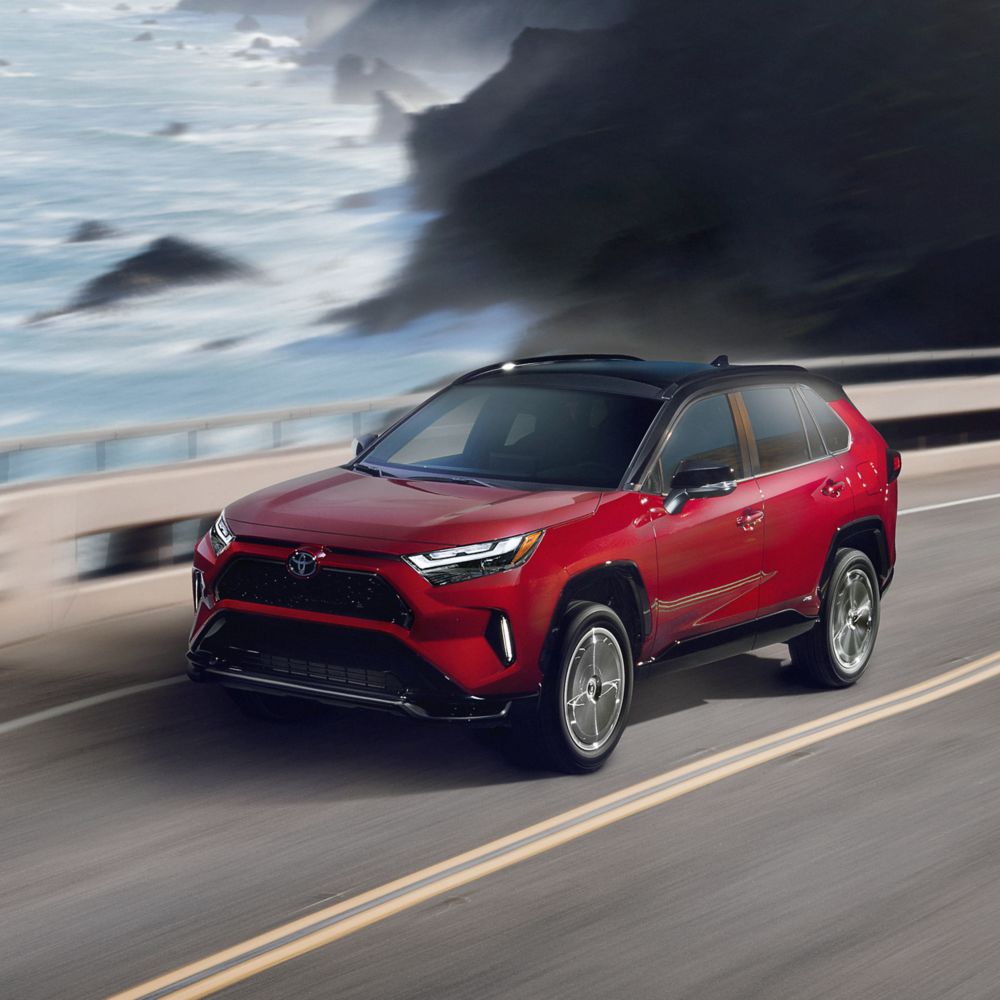 75 km EV