Full Hybrid (HEV) vs. Plug-in Hybrid (PHEV): What Is the Difference? Complete 2026 Buying Guide
Full Hybrid (HEV) vs. Plug-in Hybrid (PHEV): Which electrification technology truly fits your daily driving in 2026? A comprehensive breakdown covering battery capacities, external charging, real-world fuel consumption, and European fleet tax benefits.
For drivers across Europe and particularly in Germany considering the transition toward electrification, few comparisons generate as much debate as Full Hybrid (HEV / Vollhybrid) versus Plug-in Hybrid (PHEV).
Every month, tens of thousands of motorists search for "differences between full hybrid and plug-in hybrid" or "which hybrid is best in 2026". The definitive answer depends not only on powertrain mechanics, but critically on your daily mileage, residential charging access, and national fiscal incentives.
Here is an objective, technical, and practical 2026 guide comparing both hybrid architectures.
Quick Comparison Matrix: Full Hybrid (HEV) vs. Plug-in Hybrid (PHEV)
| Parameter | Full Hybrid (HEV / Self-Charging) | Plug-in Hybrid (PHEV) |
|---|---|---|
| External Charging (Plug / Wallbox) | ❌ Neither possible nor required | ✅ Recommended / Essential for maximum savings |
| Traction Battery Capacity | 1.0 – 2.0 kWh (Very compact) | 14.0 – 31.2 kWh (Mid to large) |
| Pure Electric Zero-Emission Range | 1 – 3 km (Low-speed maneuvers only) | 60 – 140 km WLTP (Full daily urban commutes) |
| Urban Driving Experience | Blended (engine turns on frequently) | Pure EV driving dynamics & silence |
| Highway Fuel Consumption | Consistently moderate (4.5 – 6.5 l/100km) | High efficiency when charged; 6.5-8.5 l depleted |
| Curb Weight Impact | Negligible (+50 to 100 kg vs ICE) | Substantial due to battery (+250 to 400 kg) |
| German Company Car Taxation | Standard 1.0% gross list price | 0.5% preferential rate (subject to WLTP criteria) |
| Initial Purchase Price | Significantly lower | Higher due to dual-drive and high-voltage battery |
1. How Does a Full Hybrid (HEV) Work?
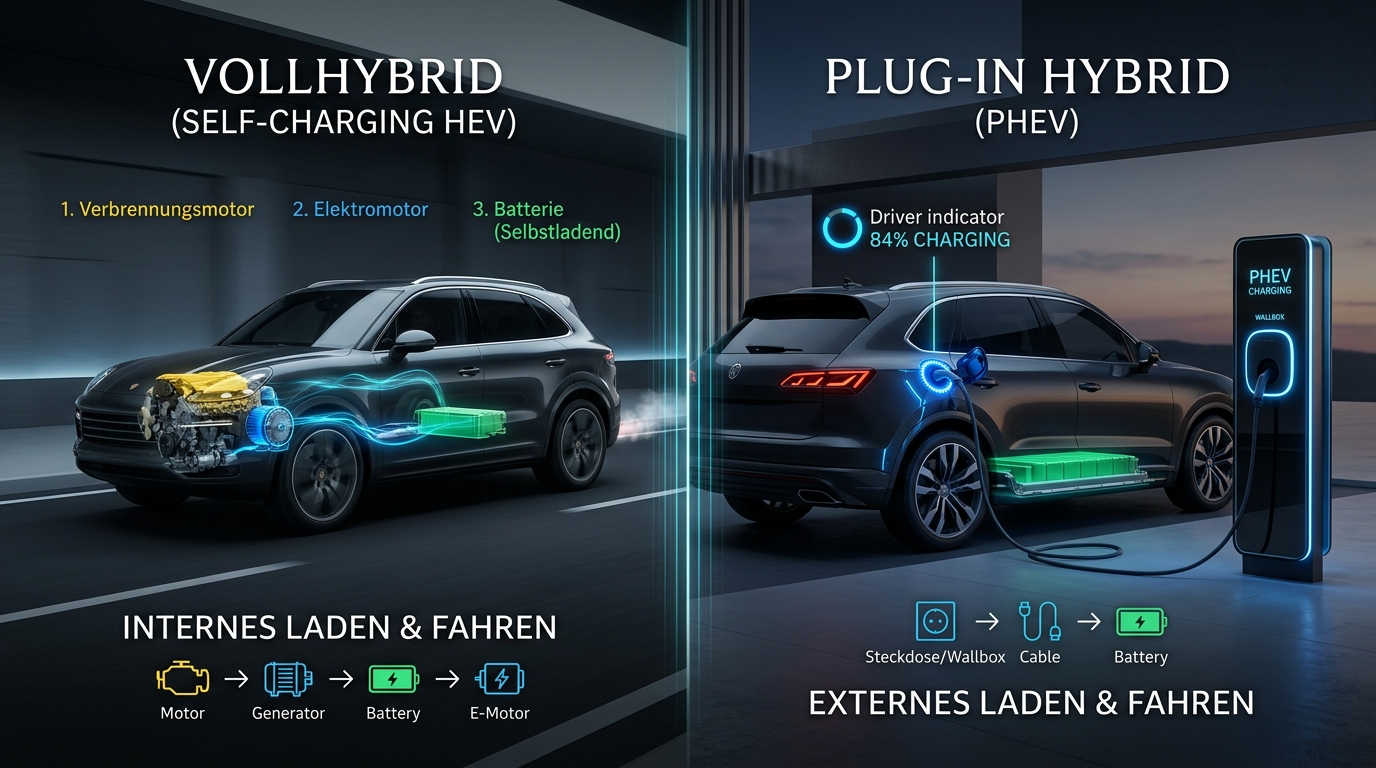
Often marketed as a "Self-Charging Hybrid", a full hybrid couples a petrol combustion engine with a small electric motor and an onboard battery (typically 1.0 to 2.0 kWh).
- Kinetic Energy Harvesting: The vehicle is never connected to an electrical socket. It recharges exclusively via regenerative braking during deceleration and generator power from the combustion engine.
- Low-Speed Electric Assist: Operates on electric power for parking and stop-and-go creep, but the internal combustion engine engages seamlessly as soon as throttle demand increases.
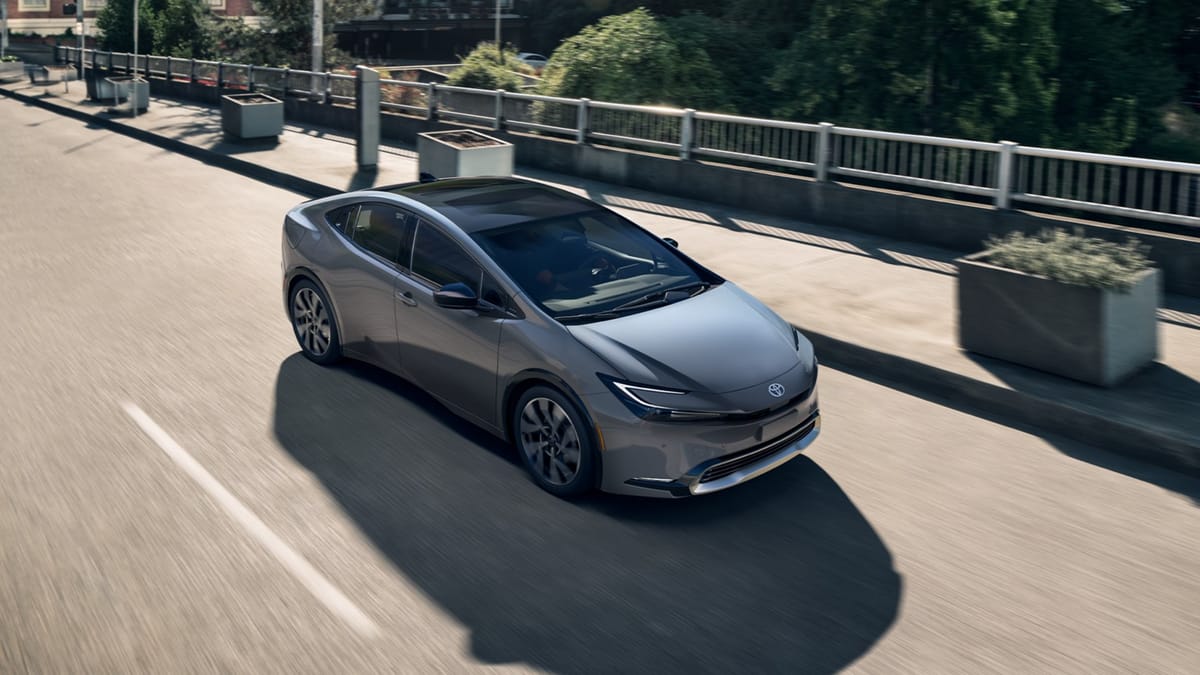
- Benchmark Examples: Toyota Corolla Hybrid, Renault Austral E-Tech Full Hybrid, Honda Civic e:HEV.
2. How Does a Plug-in Hybrid (PHEV) Work?
A Plug-in Hybrid bridges the gap between pure battery electric vehicles (BEVs) and conventional automobiles.
- External Plug-in Infrastructure: Features a dedicated charge port (Type 2 AC and increasingly 50 kW CCS DC). It can be plugged into a domestic household socket, a wallbox, or public chargers.
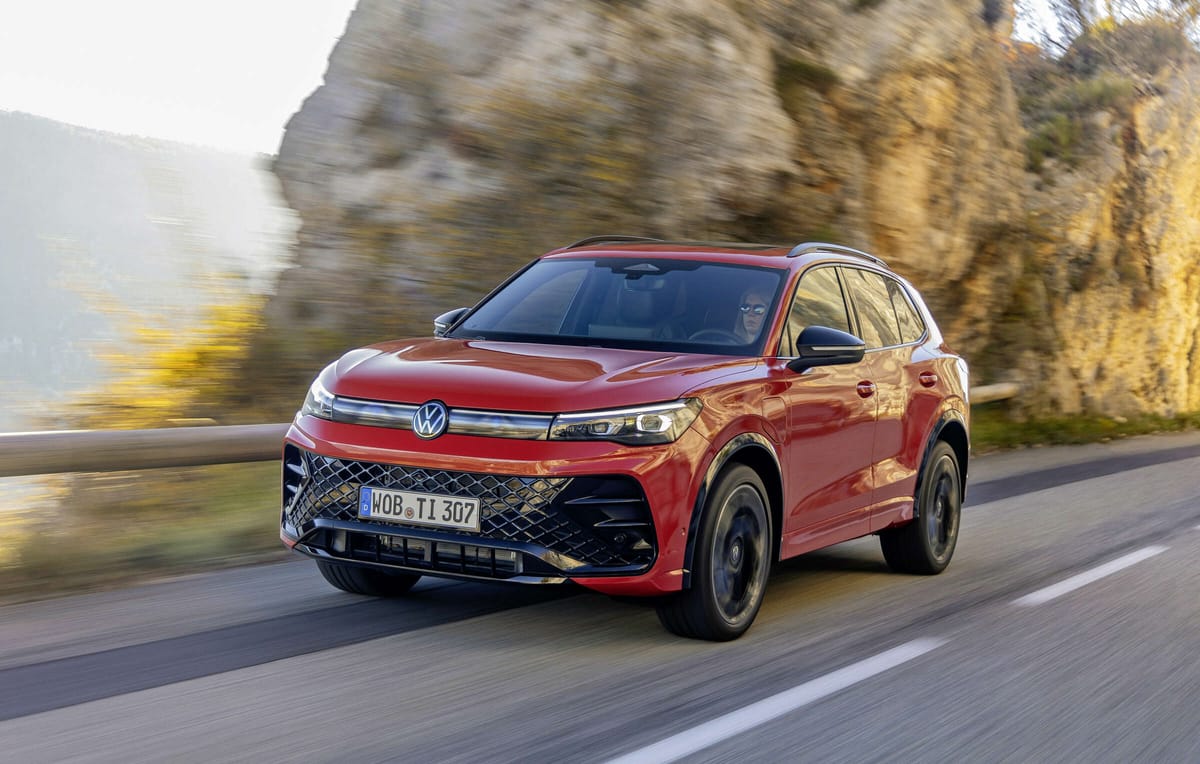
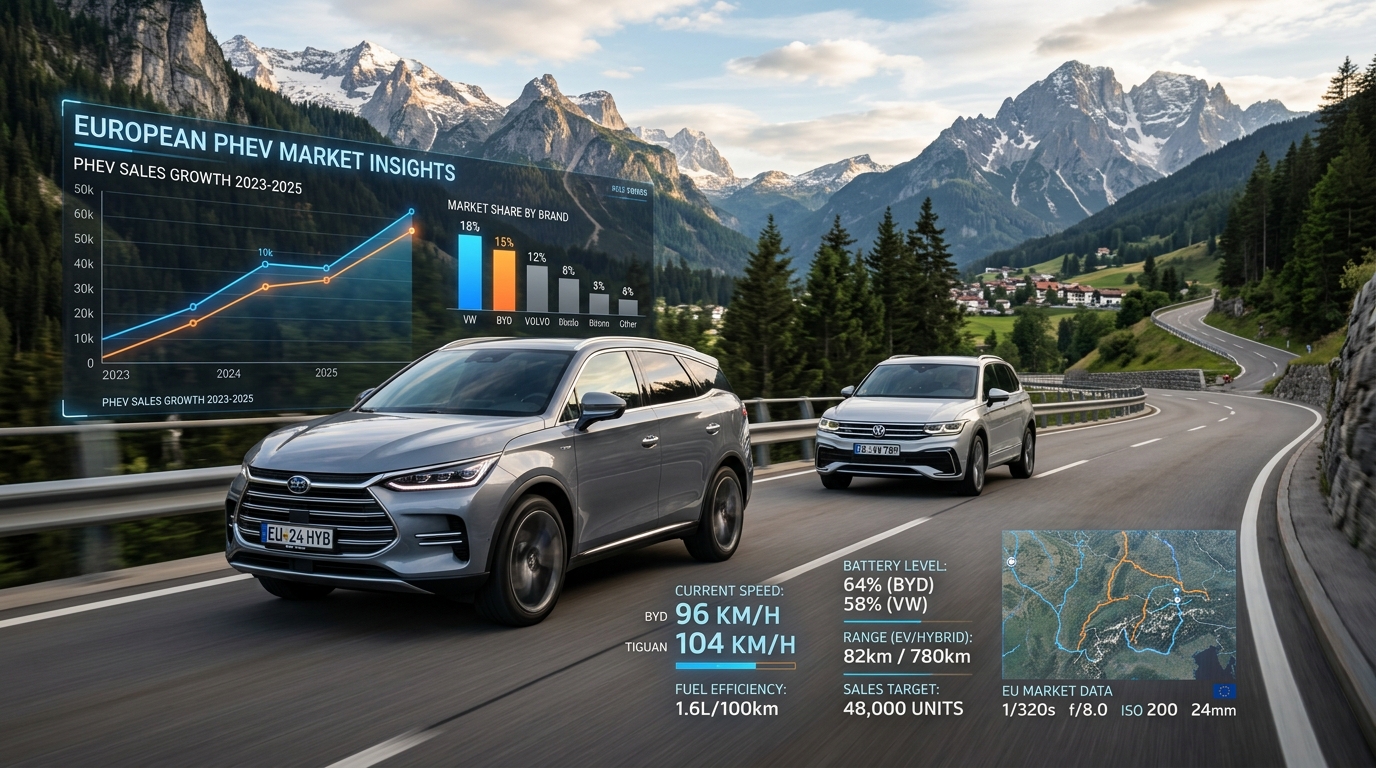
- Substantial Battery Pack: 2026-generation PHEVs (such as the VW Tiguan eHybrid, Skoda Kodiaq iV, and BYD Seal U) feature 18 to 31.2 kWh gross batteries. This enables 80 to 130 km of genuine zero-emission driving.
- Zero Range Anxiety: Once the high-voltage battery reaches its minimum state of charge, the vehicle automatically switches into conventional hybrid mode.
3. Real-World Fuel Economy & Efficiency Realities
Official WLTP figures often advertise PHEV fuel consumption between 0.6 and 1.5 l/100 km. These figures assume the battery starts fully charged.
- Charged PHEV: Driven within its 50–90 km daily electric envelope and charged overnight, drivers consume zero petrol during normal weekdays.
- Depleted PHEV: If you never plug in a PHEV, carrying around a 300 kg deadweight battery on long motorway journeys will result in higher fuel burn than a lightweight HEV.
- HEV Predictability: The full hybrid delivers consistent, predictable 4.8 – 5.8 l/100 km economy under all circumstances without requiring behavioral adaptation.
4. Which One Should You Buy in 2026?
Choose a Full Hybrid (HEV) if:
- You live in an apartment or lack access to home/workplace charging.
- You want a straightforward, plug-free car that saves fuel automatically without changing habits.
- Your initial purchase budget is tighter (€5,000–€10,000 lower entry threshold).
Choose a Plug-in Hybrid (PHEV) if:
- You can charge regularly at home (overnight off-peak tariffs) or at the office.
- Your daily round-trip commute is between 30 and 100 km.
- You are choosing a company fleet vehicle in Germany (0.5% Dienstwagenregelung) or the UK (low BiK bracket), saving hundreds of Euros each month.
- You desire instant electric torque and quietness for daily errands, with full freedom for spontaneous road trips.
Explore our curated database of Longest Range PHEVs and our PHEV Vehicle Comparison Tool to find the ideal model for your needs.