Nowa Toyota RAV4 Plug-in Hybrid (2026): 102 km zasięgu, ładowanie 50 kW DC i napęd AWD-i
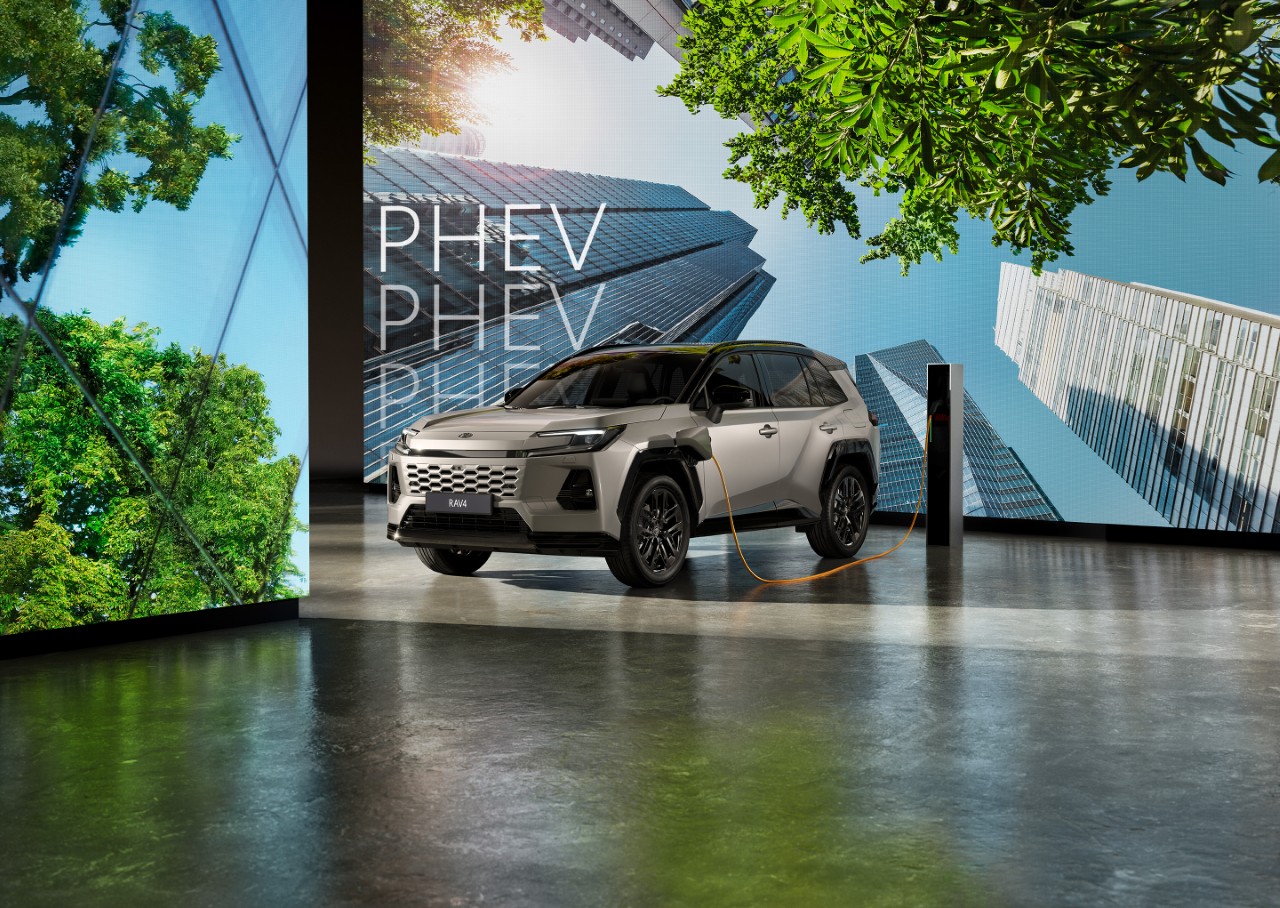
The undisputed global leader of the compact SUV segment, the Toyota RAV4, continues to define the benchmarks of hybrid propulsion. Launched in 2020, the original RAV4 Plug-in Hybrid (Prime) quickly became an international benchmark thanks to its 306 hp system output and 75 km WLTP electric range.
However, the enforcement of stringent Euro 6e-bis regulations across the European Union, the emergence of 100+ km PHEV competitors, and mounting consumer demand for DC fast charging prompted Toyota to engineer a comprehensive mid-decade evolution.
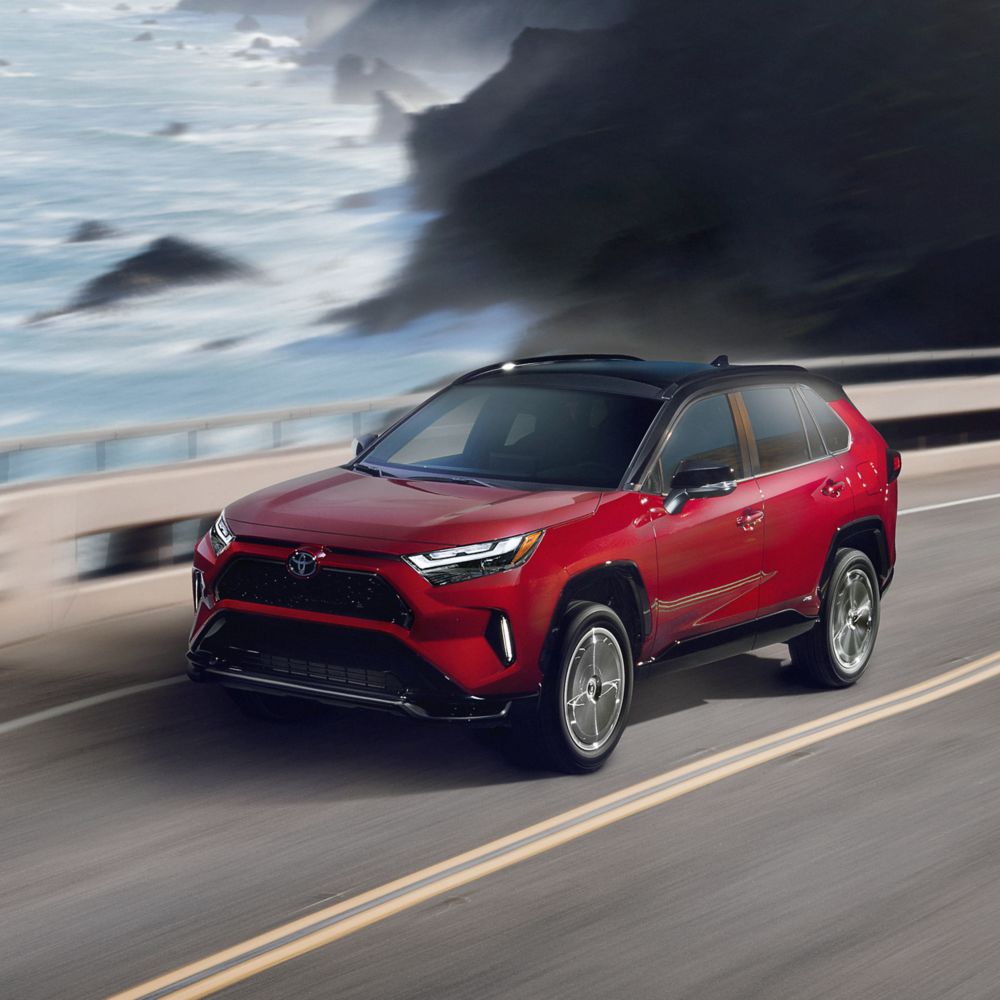
Introducing the Next-Generation Toyota RAV4 Plug-in Hybrid (2026): packing an upgraded 22.7 kWh battery pack, triple-digit 102 km pure EV range, 50 kW DC fast charging capability, and Toyota's benchmark AWD-i intelligent all-wheel drive.
1. Battery & Charging Revolution: Breaking the 100 km Barrier with 50 kW DC Fast Charging
The first-generation RAV4 Plug-in Hybrid had two primary pain points: its 18.1 kWh pack delivered a 75 km WLTP range that was falling behind new competitors, and its onboard charger was restricted to 6.6 kW single-phase AC with zero DC rapid charging capability.
For the 2026 model year, Toyota has addressed both limitations decisively:
- 22.7 kWh Gross (21.2 kWh Usable) Battery: Utilizing new-generation liquid-cooled Lithium Nickel Cobalt Manganese (NCM) cells, energy density has increased by 18% with active thermal management.
- 102 km WLTP Electric Range: The vehicle achieves 102 km in combined WLTP testing, and up to 130+ km in urban city driving. For drivers with typical 35-40 km round-trip daily commutes, this equates to entire workweeks powered solely by electrons.
- 50 kW DC Fast Charging (CCS Combo 2): Highway replenishment from 10% to 80% state-of-charge now requires just 30 minutes. A standard highway coffee break fully recharges the battery for another hour of pure EV cruising.
- 11 kW 3-Phase AC Charging: On domestic wallboxes and public AC destination posts, charging time from 0 to 100% drops from 4.5 hours down to just 2 hours and 15 minutes.
- 3.3 kW Vehicle-to-Load (V2L): An integrated 230V outlet in the luggage compartment provides 3.3 kW of off-board AC power—ideal for camping gear, laptops, power tools, or emergency domestic backup.
2. Powertrain & Performance: 304 HP with Intelligent AWD-i
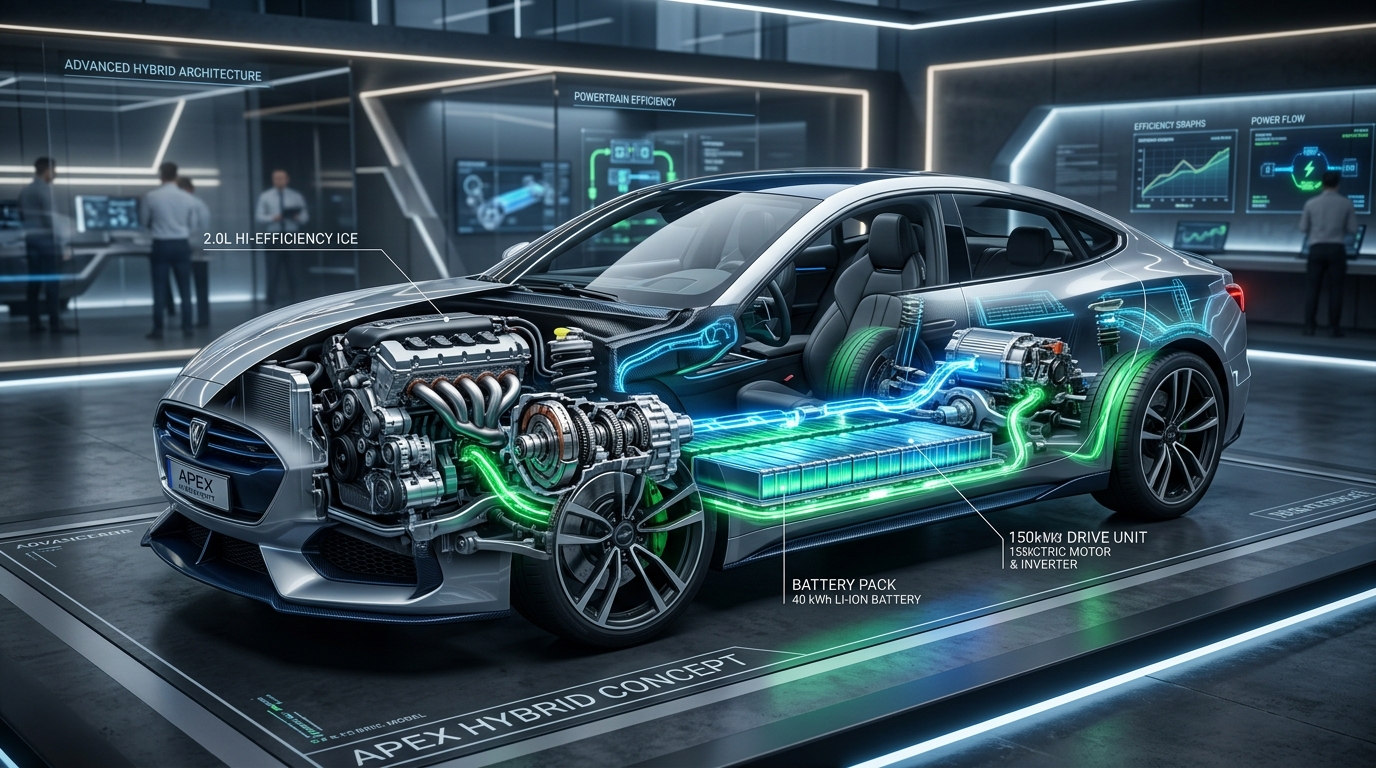
The 2026 RAV4 Plug-in Hybrid combines Toyota's proven 2.5-liter 4-cylinder Atkinson-cycle Dynamic Force gasoline engine with two dedicated electric motor-generators:
- Gasoline Engine: 2.5L D-4S (185 hp / 227 Nm, 41% thermal efficiency)
- Front Electric Motor: 134 kW (182 hp / 270 Nm torque)
- Rear Electric Motor (AWD-i): 40 kW (54 hp / 121 Nm torque)
- Total Combined Output: 304 HP (224 kW)
- 0-100 km/h (0-62 mph) Acceleration: 6.2 seconds
Operating without a heavy mechanical propshaft, the AWD-i system powers the rear axle independently via the rear electric motor. Torque distribution between front and rear axles dynamically modulates between 100:0 and 20:80 in milliseconds based on yaw rate, steering angle, and wheel slip.
3. Real-World Fuel Economy: What Happens When the Battery Depletes?
The most common criticism directed at plug-in hybrids is that once their traction battery reaches 0%, they become heavy, inefficient gasoline vehicles (frequently consuming 8.5 to 10.0 L/100 km among European competitors).
This is where Toyota's power-split planetary gear e-CVT architecture demonstrates its structural supremacy.
When the RAV4 PHEV's battery is depleted, it does not revert to a conventional ICE vehicle. Instead, it operates as a full series-parallel hybrid (HEV)—the same architecture that made the standard RAV4 Hybrid a global efficiency icon:
- With Full Battery (WLTP Combined): 0.8 L/100 km (353 mpg UK / 294 mpg US) with 19 g/km CO2
- With Depleted Battery (Charge-Sustaining Mode): 4.9 – 5.4 L/100 km (52 – 57 mpg UK)
Achieving under 5.5 L/100 km in a 304 hp, 1.9-tonne all-wheel-drive SUV with zero battery buffer is a benchmark engineering feat that European rivals struggle to match.
4. Generational Comparison: 2020-2023 vs 2026 RAV4 Plug-in Hybrid
| Specification | Previous Gen (2020-2023) | Next Gen (2026) | Upgrade Delta |
|---|---|---|---|
| Battery Capacity | 18.1 kWh | 22.7 kWh (21.2 net) | +25% capacity |
| WLTP Electric Range | 75 km | 102 km | +27 km (+36%) |
| DC Fast Charging | Not Supported | 50 kW DC (CCS2) | 10-80% in 30 min |
| AC Charging Power | 6.6 kW (Single-phase) | 11 kW (3-Phase) | 2 hr 15 min full charge |
| Combined Power | 306 HP | 304 HP | Refined torque curve |
| 0-100 km/h Acceleration | 6.0 sec | 6.2 sec | Optimized efficiency |
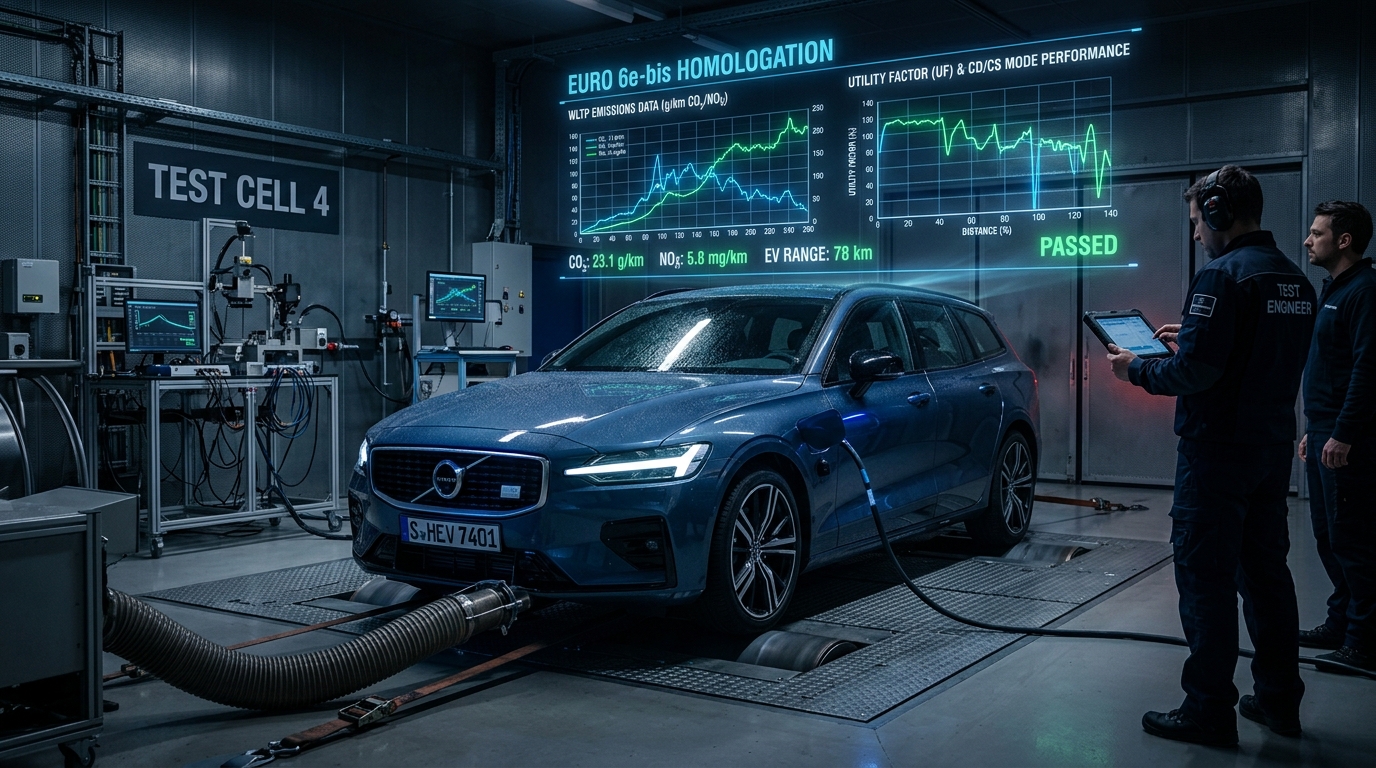
| CO2 Emissions (WLTP) | 22 g/km | 19 g/km | Euro 6e-bis compliant |
| V2L Power Output | None | 3.3 kW / 230V | External appliance support |
| Infotainment Screen | 9 / 10.5-inch | 12.9-inch Smart Connect+ | Next-gen digital cockpit |
5. Cabin Quality, Practicality, and Safety
The 2026 RAV4 Plug-in Hybrid interior incorporates significant digital and material enhancements:
- 12.9-Inch Toyota Smart Connect+: Cloud-connected navigation with real-time EV routing, wireless Apple CarPlay, wireless Android Auto, and over-the-air (OTA) software updates.
- 12.3-Inch Configurable Digital Cockpit: Four customizable display modes tracking energy distribution, EV ratio, and navigation prompts.
- Toyota Safety Sense 3.0 (T-Mate): Standard Intersection Collision Avoidance, Proactive Driving Assist, Lane Trace Assist, and full-speed Adaptive Cruise Control.
- Luggage Capacity: Despite the larger battery pack, packaging ingenuity retains 520 liters of VDA trunk space, expanding to 1,690 liters with the rear seats folded flat.
Verdict: The Benchmark Everyday PHEV
The 2026 Toyota RAV4 Plug-in Hybrid fulfills the fundamental promise of plug-in hybridization with no compromises:
- It functions as a true zero-emission EV for 100+ km during daily city commutes.
- On long-distance road trips, 50 kW DC rapid charging enables quick en-route top-ups, while its 5.0 L/100 km hybrid fuel economy eliminates charging-station anxiety altogether.
- Standard 304 hp electric AWD-i provides confidence across rain, snow, and light off-road terrain.
With full compliance under the European Union's stringent Euro 6e-bis emission thresholds and favorable company car tax brackets, the new RAV4 Plug-in Hybrid cements its position as the most pragmatic, reliable, and well-rounded SUV in the modern PHEV landscape.