Antiguo vs Nuevo: Toyota RAV4 Híbrido Enchufable (2020-2023 vs 2026) – Comparativa Completa
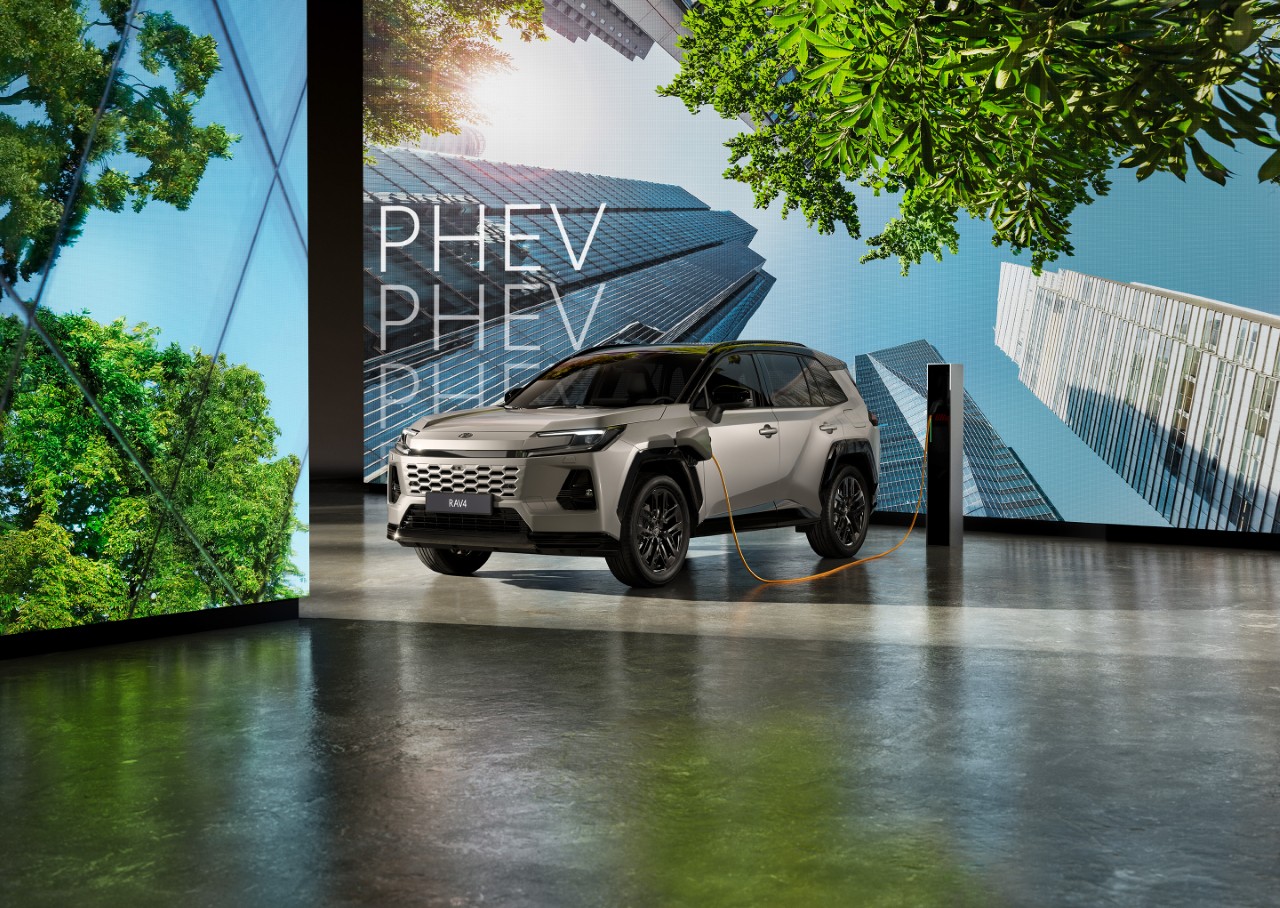
Comparativa completa entre el actual Toyota RAV4 PHEV (2020-2023) y el nuevo modelo 2026: carga rápida DC de 50 kW, 102 km de autonomía y tecnología híbrida de 5.ª generación.
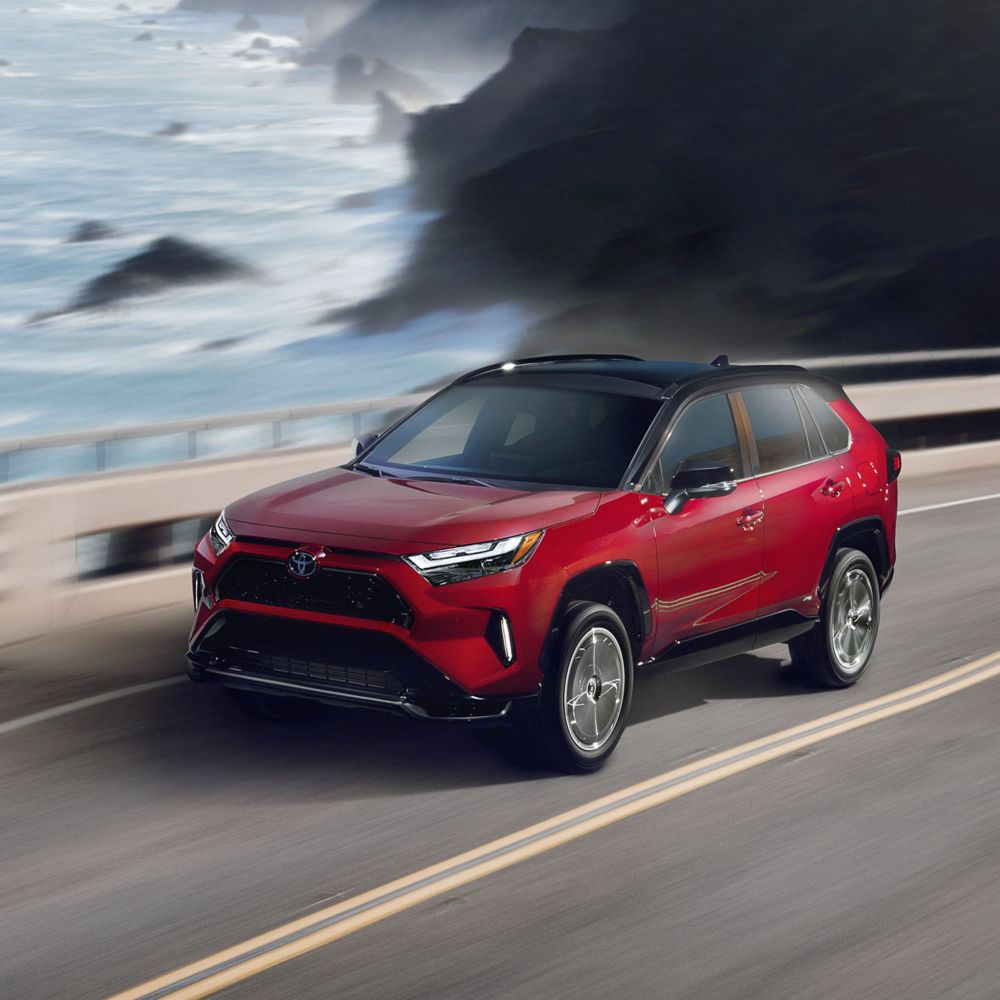
The Toyota RAV4 Plug-in Hybrid has stood as one of the best-selling rechargeable SUVs across Europe and North America since its launch. With 306 horsepower, mechanical AWD, and bulletproof Toyota reliability, it set the benchmark for practical plug-in family haulers.
However, the PHEV landscape has moved forward dramatically. The current 5th-generation RAV4 platform originally debuted back in 2019, and the 2023 mid-cycle facelift was limited largely to instrument cluster digital screens.
The all-new Toyota RAV4 Plug-in Hybrid (2026) marks a true 6th-generation redesign with fundamental powertrain upgrades.
So what has genuinely changed between the previous Toyota RAV4 PHEV (2020-2023) and the new 2026 model? Is it worth trading in? We break down the key differences in clear, straightforward terms.
1. DC Fast Charging: The Biggest Flaw Finally Solved
The number one complaint from existing RAV4 PHEV owners has always been: "I can only charge at home overnight; I cannot use rapid chargers at motorway services."
- Previous Model (2020–2023): Had no DC fast charging capability. Relying purely on a 6.6 kW single-phase AC on-board charger meant waiting 2.5 to 4.5 hours for a full cycle.
- 2026 Next-Gen Model: Equips a standard 50 kW DC Fast Charging (CCS2) port! During a motorway coffee break or quick grocery shop, the battery replenishes from 10% to 80% in approximately 30 minutes.
2. Battery Size and Real-World Electric Range
- Previous Model: Packaged an 18.1 kWh gross battery pack. While rated at 75 km WLTP, real-world winter or highway commuting typically saw EV range shrink to 45–55 km.
- 2026 Next-Gen Model: Features high-density NCM cells holding 22.7 kWh (21.2 kWh usable). WLTP electric range reaches 102 km, allowing daily suburban commuting without burning a drop of fuel.
3. Thermal Management & Winter Usability
In older models, colder temperatures often forced the internal combustion engine to kick in purely to heat the cabin, alongside known service bulletins concerning the MG-ECU and cold-weather inverter operation.
- 2026 Next-Gen Model: Incorporates a dual-circuit liquid heat pump and dedicated active battery thermal pre-conditioning. It delivers full cabin heating entirely on electric power even in sub-zero winter temperatures down to -10°C.
4. Transition to 5th-Gen Toyota Hybrid System (THS V)
Even when a PHEV's battery is depleted (Charge-Sustaining mode), fuel efficiency matters:
- Previous Model: Ran on 4th-generation THS architecture, returning around 5.5–6.0 L/100km on motorway runs with an empty battery.
- 2026 Next-Gen Model: Adopts the latest 5th-gen THS powertrain. Lighter transaxles and reduced power-inverter electrical losses drop empty-battery fuel consumption to an exceptional 4.5 L/100 km.
5. Vehicle-to-Load (V2L) Power Outlet
The 2026 model standardizes a 3.3 kW V2L capability. Through an adapter on the external charging port, owners can power laptops, camping gear, coffee makers, or emergency household appliances directly from the vehicle's high-voltage pack.
6. Trunk Capacity & Cabin Space
- Previous Model: The 18.1 kWh battery caused a slightly raised trunk floor, yielding 490 litres of luggage room.
- 2026 Next-Gen Model: More compact, lower-profile pack placement expands cargo volume to 520 litres (+30 litres gain). Up front, an updated 12.9-inch Toyota Smart Connect+ touchscreen pairs with a 12.3-inch digital cluster.
Specs Comparison: 2020-2023 vs 2026
| Metric | Toyota RAV4 PHEV (2020-2023) | Toyota RAV4 PHEV (2026) | Improvement |
|---|---|---|---|
| DC Rapid Charging | ❌ None (AC Only) | 50 kW (CCS2) | 10-80% in ~30 mins |
| Max AC Power | 6.6 kW (1-Phase) | 11 kW (3-Phase) | 2x faster destination charging |
| Battery Capacity | 18.1 kWh gross | 22.7 kWh (21.2 kWh usable) | +25% battery energy |
| WLTP EV Range | 75 km | 102 km | +27 km longer pure EV range |
| Depleted Consumption | ~5.8 L/100 km | ~4.5 L/100 km | More efficient THS-V hybrid mode |
| Trunk Space | 490 Litres | 520 Litres | +30 Litres additional room |
| V2L Power Outlet | ❌ No | 3.3 kW (220V) | Powering external appliances |
Conclusion: Should You Upgrade?
- Keep Your Current Model If: You have a dedicated home driveway wallbox, rarely exceed 40–50 km on daily commutes, and value proven mechanical reliability. Your current RAV4 remains an exceptional vehicle.
- Definitely Upgrade If:
- You rely on public charging infrastructure and urgently need 50 kW DC fast charging.
- Your daily round-trip commute is 70–90 km and you want zero-emission driving every day.
- You frequently make highway road trips and want the flexibility of quick 30-minute top-ups.
Explore detailed simulations and side-by-side specs using our Vehicle Comparison Tool or PHEVs.eu Range Calculator!
¿Cuál es la autonomía real del Toyota RAV4 Plug-in Hybrid (2020-2023)?
Los datos homologados WLTP se obtienen a 23°C en banco de pruebas. Comprueba cómo afectan las bajas temperaturas invernales (-10°C), la velocidad en autovía (130 km/h) y la orografía del terreno en tu trayecto real.
Sé el primero en conocer los nuevos PHEV y actualizaciones OTA
Recibe análisis técnicos rigurosos sobre nuevos híbridos enchufables en Europa, pruebas de autonomía en condiciones reales y actualizaciones remotas de software.
Modelos relacionados
Fichas técnicas y simulaciones de autonomía de los modelos analizados
75 km EVRAV4 Plug-in Hybrid (2020-2023)
102 km EV