Ancien vs Nouveau : Toyota RAV4 Hybride Rechargeable (2020-2023 vs 2026) – Le Comparatif Complet
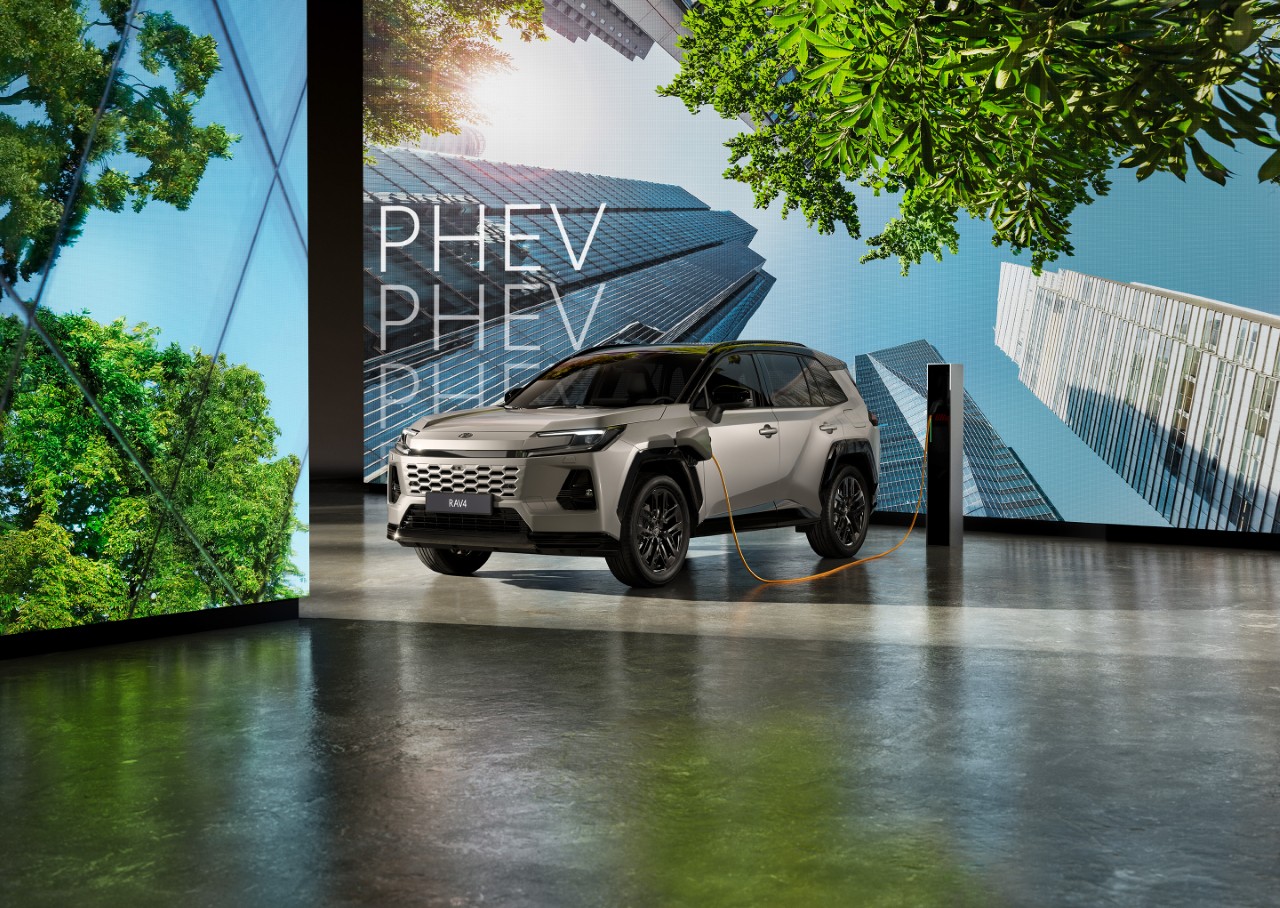
Comparatif complet entre l'actuel Toyota RAV4 Hybride Rechargeable (2020-2023) et le nouveau modèle 2026 : charge rapide DC 50 kW, 102 km d'autonomie et hybridation de 5e génération.
The Toyota RAV4 Plug-in Hybrid has stood as one of the best-selling rechargeable SUVs across Europe and North America since its launch. With 306 horsepower, mechanical AWD, and bulletproof Toyota reliability, it set the benchmark for practical plug-in family haulers.
However, the PHEV landscape has moved forward dramatically. The current 5th-generation RAV4 platform originally debuted back in 2019, and the 2023 mid-cycle facelift was limited largely to instrument cluster digital screens.
The all-new Toyota RAV4 Plug-in Hybrid (2026) marks a true 6th-generation redesign with fundamental powertrain upgrades.
So what has genuinely changed between the previous Toyota RAV4 PHEV (2020-2023) and the new 2026 model? Is it worth trading in? We break down the key differences in clear, straightforward terms.
1. DC Fast Charging: The Biggest Flaw Finally Solved
The number one complaint from existing RAV4 PHEV owners has always been: "I can only charge at home overnight; I cannot use rapid chargers at motorway services."
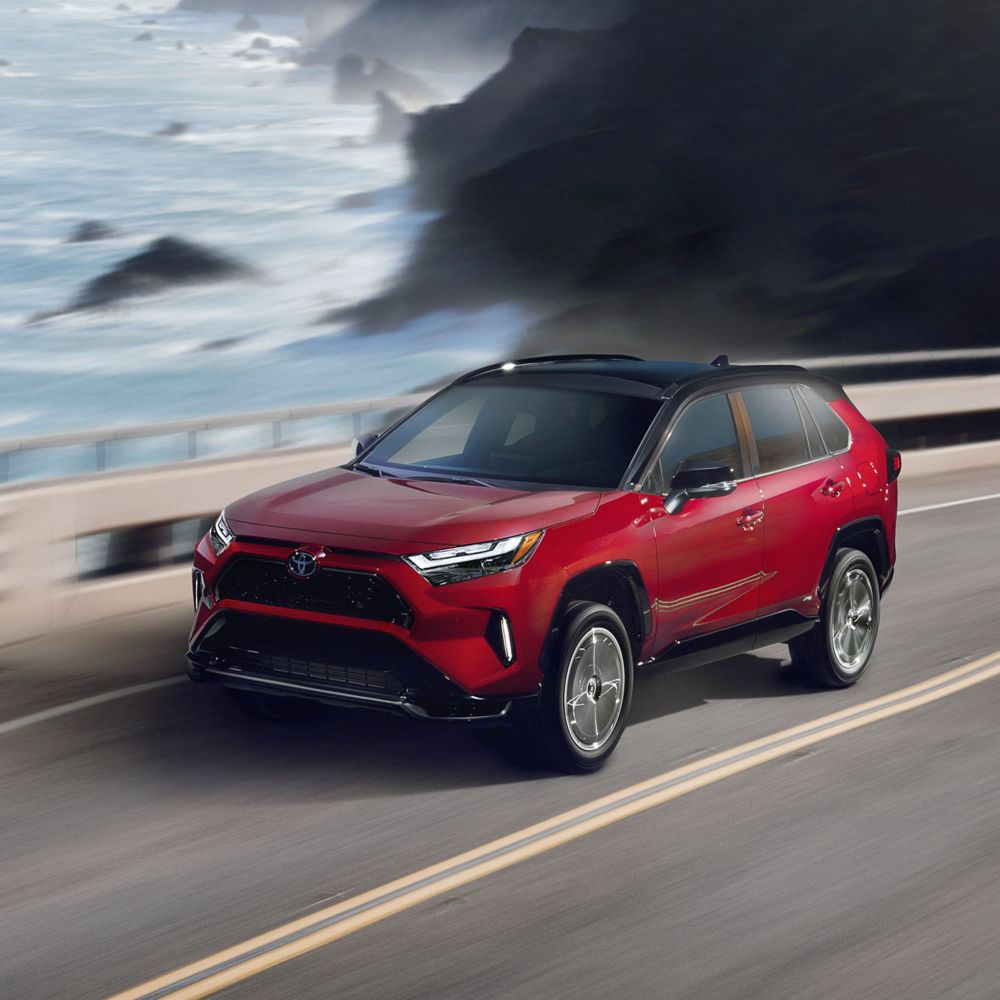
- Previous Model (2020–2023): Had no DC fast charging capability. Relying purely on a 6.6 kW single-phase AC on-board charger meant waiting 2.5 to 4.5 hours for a full cycle.
- 2026 Next-Gen Model: Equips a standard 50 kW DC Fast Charging (CCS2) port! During a motorway coffee break or quick grocery shop, the battery replenishes from 10% to 80% in approximately 30 minutes.
2. Battery Size and Real-World Electric Range
- Previous Model: Packaged an 18.1 kWh gross battery pack. While rated at 75 km WLTP, real-world winter or highway commuting typically saw EV range shrink to 45–55 km.
- 2026 Next-Gen Model: Features high-density NCM cells holding 22.7 kWh (21.2 kWh usable). WLTP electric range reaches 102 km, allowing daily suburban commuting without burning a drop of fuel.
3. Thermal Management & Winter Usability
In older models, colder temperatures often forced the internal combustion engine to kick in purely to heat the cabin, alongside known service bulletins concerning the MG-ECU and cold-weather inverter operation.
- 2026 Next-Gen Model: Incorporates a dual-circuit liquid heat pump and dedicated active battery thermal pre-conditioning. It delivers full cabin heating entirely on electric power even in sub-zero winter temperatures down to -10°C.
4. Transition to 5th-Gen Toyota Hybrid System (THS V)
Even when a PHEV's battery is depleted (Charge-Sustaining mode), fuel efficiency matters:
- Previous Model: Ran on 4th-generation THS architecture, returning around 5.5–6.0 L/100km on motorway runs with an empty battery.
- 2026 Next-Gen Model: Adopts the latest 5th-gen THS powertrain. Lighter transaxles and reduced power-inverter electrical losses drop empty-battery fuel consumption to an exceptional 4.5 L/100 km.
5. Vehicle-to-Load (V2L) Power Outlet
The 2026 model standardizes a 3.3 kW V2L capability. Through an adapter on the external charging port, owners can power laptops, camping gear, coffee makers, or emergency household appliances directly from the vehicle's high-voltage pack.
6. Trunk Capacity & Cabin Space
- Previous Model: The 18.1 kWh battery caused a slightly raised trunk floor, yielding 490 litres of luggage room.
- 2026 Next-Gen Model: More compact, lower-profile pack placement expands cargo volume to 520 litres (+30 litres gain). Up front, an updated 12.9-inch Toyota Smart Connect+ touchscreen pairs with a 12.3-inch digital cluster.
Specs Comparison: 2020-2023 vs 2026
| Metric | Toyota RAV4 PHEV (2020-2023) | Toyota RAV4 PHEV (2026) | Improvement |
|---|---|---|---|
| DC Rapid Charging | ❌ None (AC Only) | 50 kW (CCS2) | 10-80% in ~30 mins |
| Max AC Power | 6.6 kW (1-Phase) | 11 kW (3-Phase) | 2x faster destination charging |
| Battery Capacity | 18.1 kWh gross | 22.7 kWh (21.2 kWh usable) | +25% battery energy |
| WLTP EV Range | 75 km | 102 km | +27 km longer pure EV range |
| Depleted Consumption | ~5.8 L/100 km | ~4.5 L/100 km | More efficient THS-V hybrid mode |
| Trunk Space | 490 Litres | 520 Litres | +30 Litres additional room |
| V2L Power Outlet | ❌ No | 3.3 kW (220V) | Powering external appliances |
Conclusion: Should You Upgrade?
- Keep Your Current Model If: You have a dedicated home driveway wallbox, rarely exceed 40–50 km on daily commutes, and value proven mechanical reliability. Your current RAV4 remains an exceptional vehicle.
- Definitely Upgrade If:
- You rely on public charging infrastructure and urgently need 50 kW DC fast charging.
- Your daily round-trip commute is 70–90 km and you want zero-emission driving every day.
- You frequently make highway road trips and want the flexibility of quick 30-minute top-ups.
Explore detailed simulations and side-by-side specs using our Vehicle Comparison Tool or PHEVs.eu Range Calculator!
Quelle est l'autonomie réelle de la Toyota RAV4 Plug-in Hybrid (2020-2023) ?
Les chiffres officiels WLTP sont mesurés en laboratoire à 23°C. Calculez en temps réel l'impact du froid hivernal (-10°C), de la vitesse sur autoroute (130 km/h) et du dénivelé sur votre parcours quotidien.
Restez informé des nouveaux modèles PHEV et des mises à jour OTA
Recevez directement nos analyses techniques, tests d'autonomie en conditions réelles, guides de batteries et nouveautés logicielles des constructeurs.
Modèles associés
Fiches techniques et simulations d'autonomie des modèles analysés
75 km EVRAV4 Plug-in Hybrid (2020-2023)
102 km EV